


 Riders Preferred Membership
 Shop by Vehicle
 Track Order
 Contact Us
MOTORCYCLE HELMETS


Motorcycle Helmets
Filters
- Riders Preferred Membership
- Riding Style
- Shop By
- Store Pickup
- Helmet Type
 Full Face
  Dirt
Dirt  Dual Sport
  Half
Half
- Brand
- 509(40)
- 6D Helmets(41)
- AFX(9)
- AGV Helmets(70)
- Airoh Helmets(23)
- Alpinestars(56)
- Answer(7)
- Arai Helmets(70)
- BILT(29)
- Bell Helmets(121)
- Biltwell Apparel(31)
- EVS(5)
- FXR(13)
- Fasthouse(1)
- Firstgear(3)
- Fly Racing Dirt(54)
- Fly Racing Street(5)
- Fox Racing(45)
- GMAX Helmets(16)
- HJC Helmets(160)
- Hedon Helmets(15)
- Highway 21(3)
- Icon(59)
- Kini Red Bull(2)
- Klim(33)
- LS2 Helmets(96)
- Leatt(17)
- Nexx Helmets(80)
- Nolan Helmets(6)
- O'Neal(37)
- One Industries(10)
- PCI Race Radios(13)
- Principal Helmets(2)
- SEDICI(38)
- Schuberth Helmets(33)
- Scorpion EXO(63)
- Sena(13)
- Shark Helmets(22)
- Shoei Helmets(55)
- Simpson Helmets(27)
- Skid Lid(6)
- Speed and Strength(3)
- Street & Steel(5)
- Thor(27)
- Troy Lee Designs(68)
- X-Lite Helmets(1)
- Z1R Apparel(1)
- Helmet Family
- 509 Altitude 2.0 Helmets(17)
- 509 Mach III Carbon Helmets(1)
- 509 Mach IV Modular Helmets(1)
- 509 Mach V Helmets(4)
- 6D ATR-2 Helmets(15)
- 6D ATR-3 Helmets(5)
- 6D ATS-1R Helmets(6)
- AGV AX-9 Helmets(1)
- AGV K1 S Helmets(18)
- AGV K3 Helmets(11)
- AGV K6 S Helmets(13)
- AGV K7 Helmets(10)
- AGV Pista GP RR Helmet(13)
- AGV Streetmodular Helmets(4)
- Airoh Aviator 3 Helmet(3)
- Airoh Commander 2 Helmet(3)
- Airoh Connor Helmets(6)
- Airoh Matryx Helmets(3)
- Airoh Spark 2 Helmets(3)
- Airoh Strycker Helmets(2)
- Airoh Wraaap Helmets(3)
- Alpinestars S-M10 Helmets(14)
- Alpinestars S-M3 Helmets(12)
- Alpinestars S-M5 Helmets(7)
- Alpinestars S-M7 Helmets(7)
- Alpinestars S-M8 Helmets(1)
- Alpinestars S-R7 Helmets(6)
- Alpinestars Supertech R10 Carbon Helmet(8)
- Answer AR5 Helmets(1)
- Arai Classic-V Helmets(2)
- Arai Contour-X Helmets(8)
- Arai Corsair-X Helmets(22)
- Arai Quantum-X Helmets(4)
- Arai Ram-X Helmets(2)
- Arai Regent-X Helmets(5)
- Arai Signet-X Helmets(6)
- Arai VX Pro-4 Helmets(8)
- Arai VX-PRO Helmets(5)
- Arai XD-5 Helmets(12)
- BILT AX-1 Helmet(7)
- BILT Apex Helmets(1)
- BILT Charger Helmets(2)
- BILT Jet Helmets(1)
- BILT LX-1 Helmets(1)
- BILT Lux Helmets(9)
- BILT Nomad Helmets(2)
- BILT Techno 3.0 Full Face Helmets(2)
- BILT Techno 3.0 Modular Helmets(3)
- BILT Tour Helmet(1)
- Bell Broozer Helmets(3)
- Bell Bullitt GT Helmets(9)
- Bell Bullitt Helmets(8)
- Bell Custom 500 Helmets(7)
- Bell Eliminator Helmets(11)
- Bell Lithium Helmets(18)
- Bell MX-10 Mips Helmets(11)
- Bell MX-9 Adventure Helmets(6)
- Bell MX-9 Mips Helmets(1)
- Bell Moto-10 Spherical Helmets(11)
- Bell Moto-3 Helmets(3)
- Bell Moto-9S Flex Helmets(4)
- Bell Pit Boss Helmets(2)
- Bell Qualifier Helmets(5)
- Bell Race Star Flex DLX Helmets(12)
- Bell Race Star Helmets(1)
- Bell Rogue Helmets(1)
- Bell SRT Modular Helmets(4)
- Bell Scout Air Helmets(2)
- Bell TX501 Helmet(3)
- Biltwell Bonanza Helmets(5)
- Biltwell Gringo Helmets(7)
- Biltwell Gringo S Helmets(7)
- Biltwell Gringo SV Helmets(7)
- Biltwell Lane Splitter Helmets(3)
- Biltwell Tahoe Helmets(2)
- Fly Racing Dirt Formula CC Helmets(10)
- Fly Racing Dirt Formula CP Helmets(10)
- Fly Racing Dirt Formula Helmets(4)
- Fly Racing Dirt Formula S Helmets(8)
- Fox Racing V1 2023 Helmets(3)
- Fox Racing V1 Helmets(6)
- Fox Racing V3 2023 Helmet(7)
- Fox Racing V3 Helmets(14)
- Fox Racing V3 RS 2023 Helmet(14)
- Fox V1 Core Helmets(1)
- Fox V1 Helmets(20)
- Fox V3 Helmets(20)
- HJC C10 Helmets(9)
- HJC C20 Helmets(2)
- HJC C70 Helmets(4)
- HJC C71 Helmets(4)
- HJC C91 Helmets(10)
- HJC CL-XY 2 Helmets(2)
- HJC CS-2N Helmets(1)
- HJC CS-R3 Helmets(1)
- HJC DS-X1 Helmets(7)
- HJC F100 Helmets(4)
- HJC F70 Helmets(4)
- HJC F71 Helmets(9)
- HJC IS-Cruiser Helmets(3)
- HJC RPHA 12 Helmets(9)
- HJC RPHA 12N Helmets(15)
- HJC RPHA 1N Helmets(1)
- HJC RPHA 31 Helmets(2)
- HJC RPHA 60 Helmets(3)
- HJC RPHA 71 Helmets(2)
- HJC RPHA 72 Helmets(7)
- HJC RPHA 91 Helmets(7)
- HJC V10 Helmets(5)
- HJC V31 Helmets(3)
- HJC V60 Helmets(1)
- HJC i10 Helmets(2)
- HJC i100 Helmets(2)
- HJC i11 Helmets(4)
- HJC i20 Helmets(3)
- HJC i30 Helmets(1)
- HJC i31 Helmets(3)
- HJC i50 Helmets(2)
- HJC i71 Helmets(9)
- HJC i80 Helmets(3)
- HJC i90 Helmets(5)
- HJC i91 Helmets(8)
- Hedon Hedonist Helmets(5)
- Hedon Heroine Racer Helmet(8)
- Hedon Psilo Helmets(2)
- Icon Airflite Helmets(9)
- Icon Airform Helmets(13)
- Icon Airframe Helmets(1)
- Icon Airframe Pro Helmets(8)
- Icon Domain Helmets(11)
- Icon Elsinore Helmets(7)
- Icon Threshold Helmets(5)
- Icon Ultraflite Helmets(6)
- Klim F3 Helmets(7)
- Klim F5 Helmets(2)
- Klim GT1 Expedition Helmets(2)
- Klim Krios Helmets(9)
- Klim TK1200 Helmets(4)
- Klim X1 Alpha Helmets(4)
- LS2 Advant Helmets(1)
- LS2 Advant II Helmets(4)
- LS2 Advant X Carbon Helmets(4)
- LS2 Advant X Helmets(1)
- LS2 Assault III Helmets(7)
- LS2 Blaze II Helmets(3)
- LS2 Centric Helmets(4)
- LS2 Challenger II Helmets(4)
- LS2 Copter Helmets(3)
- LS2 Coz Helmets(4)
- LS2 Dragon Carbon Helmets(5)
- LS2 Explorer Helmets(3)
- LS2 FF Youth Helmet(1)
- LS2 Horizon II Helmets(3)
- LS2 Rapid III Helmets(8)
- LS2 Rebellion Helmets(4)
- LS2 Spitfire Helmets(1)
- LS2 Stream II Helmets(6)
- LS2 Subverter EVO Helmets(6)
- LS2 Thunder Carbon Helmets(4)
- LS2 X Force Helmets(5)
- LS2 Youth Gate II Helmets(3)
- Nexx SX100 Helmets(1)
- Nexx X.Lifecountry Helmet(3)
- Nexx X.Lifetour Helmet(4)
- Nexx X.Rally Helmets(6)
- Nexx X.TR Helmets(2)
- Nexx X.Vilijord Helmets(5)
- Nexx X.Vilitur Helmets(4)
- Nexx X.WED2 Helmets(4)
- Nexx X.WED3 Helmets(9)
- Nexx X.WRL Helmets(2)
- Nexx X.WST2 Helmets(1)
- Nexx X.WST3 Helmets(6)
- Nexx XG100 Purist Helmets(1)
- Nexx XG100 Racer Helmets(3)
- Nexx XG20 Helmets(2)
- Nexx XG30 Helmets(5)
- Nexx XR3R Helmets(8)
- Nexx Y.10 Helmets(5)
- Nexx Y.100 Helmets(1)
- Nexx Y.100R Helmets(5)
- Nexx Y.Travl Helmet(3)
- Nolan N100-5 Helmets(1)
- Nolan N70-2 GT Helmets(1)
- Nolan N70-2 X Helmets(3)
- O'Neal 1 Series Helmets(4)
- O'Neal 10 Series Helmet(3)
- O'Neal 2 Series Helmets(3)
- O'Neal 5 Series Helmets(5)
- One Industries X-197 Helmets(2)
- One Industries X-297 Helmets(8)
- Principal 950 Modular Helmets(1)
- Principal V80 Helmets(1)
- SS2400 Helmets(2)
- SS900 Helmets(1)
- Schuberth C3 Helmets(1)
- Schuberth C3 Pro Helmets(1)
- Schuberth C4 Pro Helmets(2)
- Schuberth C5 Helmets(8)
- Schuberth Concept Helmets(3)
- Schuberth E1 Helmets(3)
- Schuberth E2 Helmets(6)
- Schuberth J2 Helmets(2)
- Schuberth M1 Helmets(2)
- Schuberth M1 Pro Helmets(3)
- Schuberth S3 Helmets(4)
- Scorpion Covert Helmets(4)
- Scorpion Covert X Helmets(4)
- Scorpion EXO Covert 2 Helmet(2)
- Scorpion EXO Covert FX Helmets(6)
- Scorpion EXO Eclipse Helmets(4)
- Scorpion EXO Ryzer Helmet(5)
- Scorpion EXO-AT960 Helmets(6)
- Scorpion EXO-GT930 Helmets(5)
- Scorpion EXO-R1 Air Helmets(7)
- Scorpion EXO-R330 Helmets(7)
- Scorpion EXO-R430 Helmets(6)
- Scorpion EXO-ST1400 Helmets(2)
- Scorpion EXO-T520 Helmets(3)
- Scorpion EXO-Warp Helmets(3)
- Scorpion EXO-XT9000 Helmets(3)
- Sedici Adventure Modular Helmet(3)
- Sedici Duale Helmets(5)
- Sedici Pro Modular Helmets(2)
- Sedici Sistema 3 Helmets(4)
- Sedici Strada 3 Helmets(23)
- Sedici Viaggio Helmets(1)
- Sena Impulse Modular Helmets(1)
- Sena Outlander Bluetooth Helmet(1)
- Sena Outrush R Modular Helmets(1)
- Sena Stryker Helmets(1)
- Shark D-Skwal 3 Helmets(1)
- Shark Drak Helmets(1)
- Shark EVO GT Helmets(3)
- Shark Evo ES Helmets(2)
- Shark Race-R Pro Helmet NEW(1)
- Shark Race-R Pro Helmets 2013(2)
- Shark Ridill 2 Helmets(1)
- Shark Skwal 2 Helmets(3)
- Shark Spartan GT Helmets(4)
- Shark Spartan Helmets(4)
- Shoei GT Air 3 Helmets(11)
- Shoei Hornet X2 Helmets(2)
- Shoei J-Cruise 3 Helmet(1)
- Shoei Neotec 2 Helmets(1)
- Shoei Neotec 3 Helmets(7)
- Shoei RF-SR Helmets(1)
- Shoei RF1400 Helmets(11)
- Shoei RJ Platinum Helmets(2)
- Shoei VFX-EVO Helmets(6)
- Shoei X-15 Helmets(13)
- Simpson Ghost Bandit Helmets(4)
- Simpson Journey Bandit Helmets(3)
- Simpson M30 Helmets(4)
- Simpson Mod Bandit Helmets(7)
- Simpson Outlaw Bandit 3.0 Helmets(4)
- Simpson Outlaw Bandit Helmets(1)
- Simpson Speed Bandit Helmets(3)
- Simpson Xcursion Helmets(2)
- Thor Fleet Helmets(3)
- Thor Reflex Helmets(10)
- Troy Lee Designs GP Helmets(3)
- Troy Lee Designs SE4 Helmets(2)
- Troy Lee Designs SE5 Helmet(28)
- Troy Lee GP Pro Helmets(6)
- X-Lite X-903 Helmets(1)
- Color / Finish
- Helmet Shape
 Intermediate Oval
 Long Oval
 Round Oval
- Gender
- Helmet Safety
- Faceshield
- Bluetooth
- Category
- D-Ring Helmet Strap(746)
- Quick Disconnect Helmet Strap(167)
- Fidlock Helmet Strap(40)
- Ratchet Helmet Strap(127)
- Shell Sizes - 1 Shell(27)
- Shell Sizes - 2 Shells(363)
- Shell Sizes - 3 Shells(637)
- Shell Sizes - 4 Shells(191)
- Shell Sizes - 5 Shells(120)
- Shell Sizes - 6 Shells(10)
- Adventure Gear(85)
- Carbon Fiber(357)
- Composite(612)
- Graphic Helmets(1072)
- Graphic Helmets - Pop Culture(24)
- Graphic Helmets - Race Replica(66)
- Graphic Helmets - Simplistic(782)
- Graphic Helmets - Wild(162)
- Photochromic(1)
- Polycarbonate(564)
- Solid Color Helmets(460)
- Track Gear(87)
- Apparel Size
- Price Range
- Discount Range






















![HJC i91 Modular Helmet Titanium / XL [Blemished - Good]](https://www.revzilla.com/product_images/2623/2522/hj_ci91_helmet_titanium_480x480.jpg)




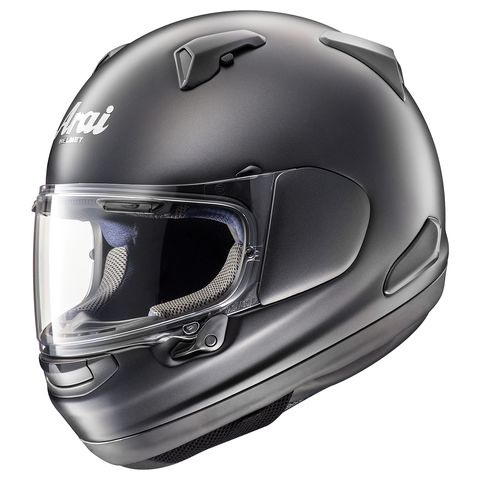
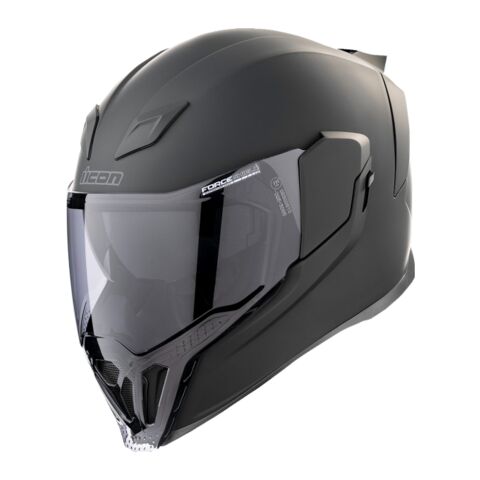

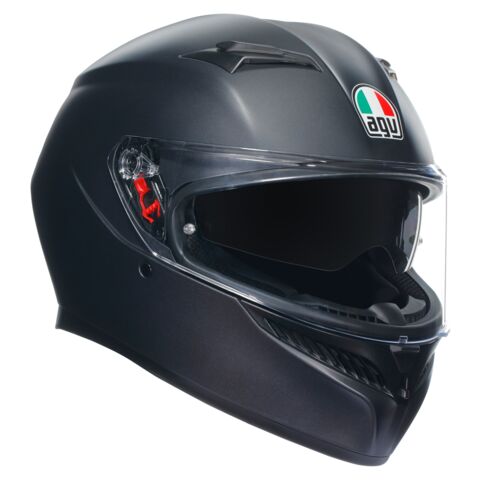


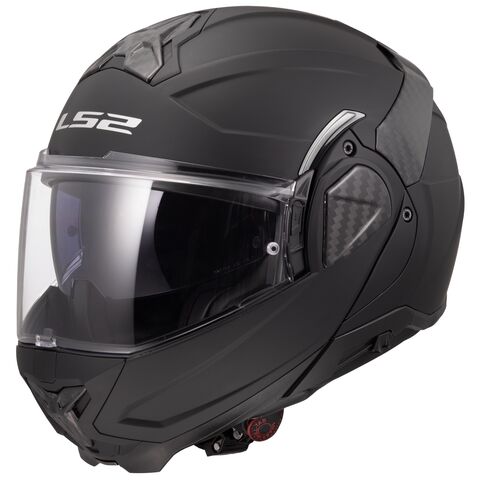





![Arai Corsair-X Helmet Black Frost / 2XL [Blemished - Very Good]](https://www.revzilla.com/product_images/2623/4501/arai_corsair_x_helmet_black_frost2_xl_blemished_very_good_black_frost_480x480.jpg)

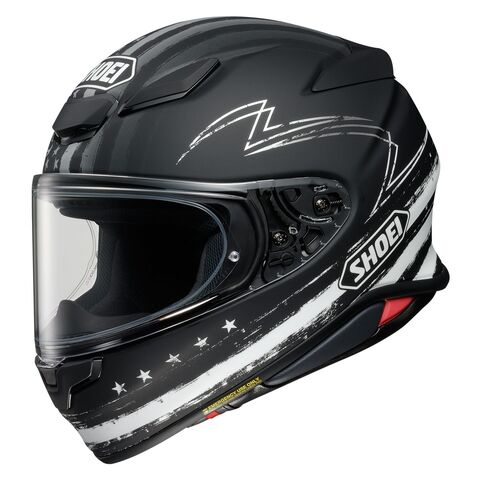

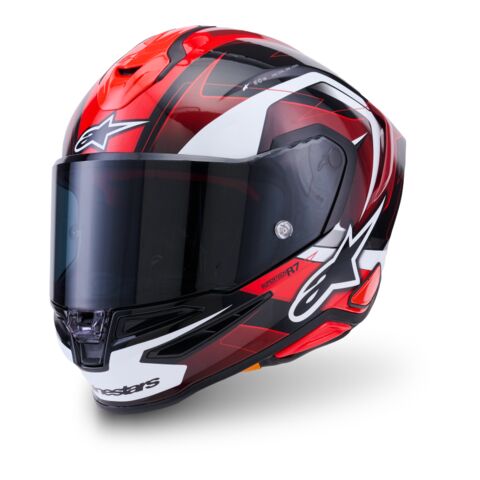


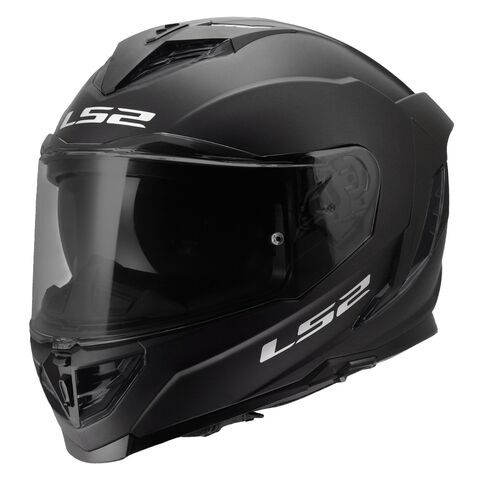

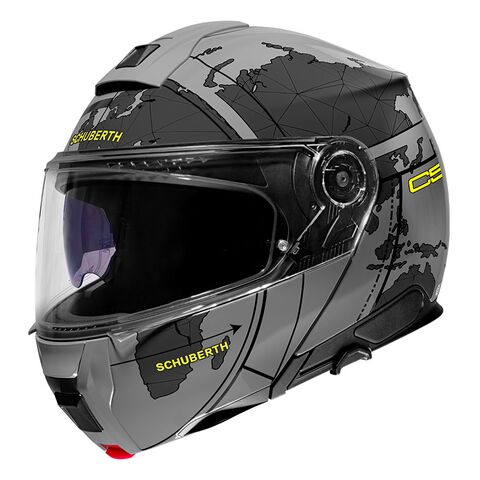


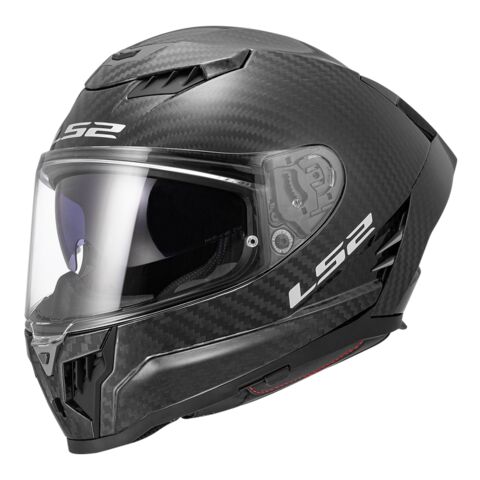
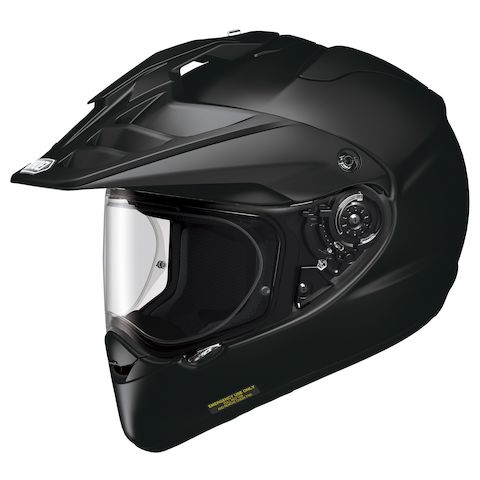
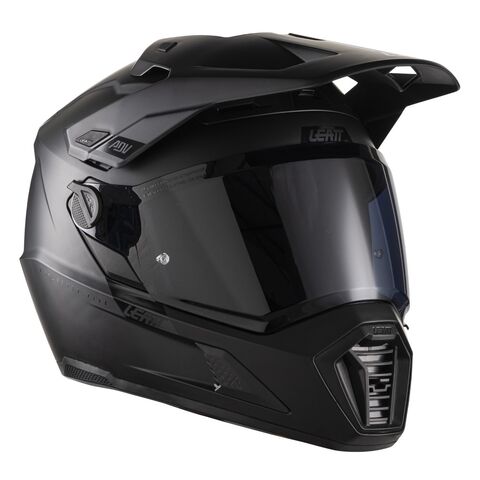
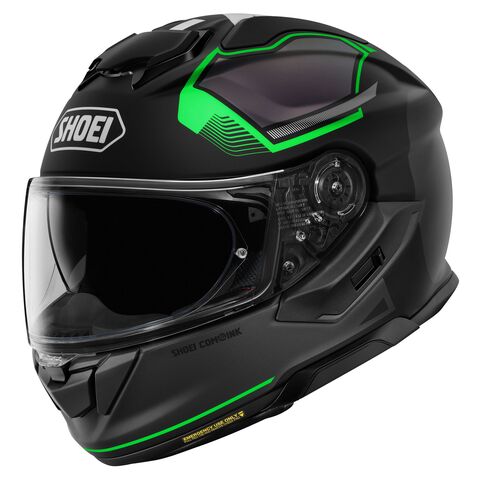


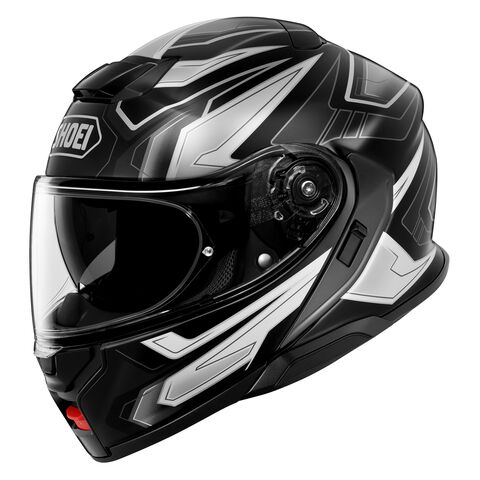

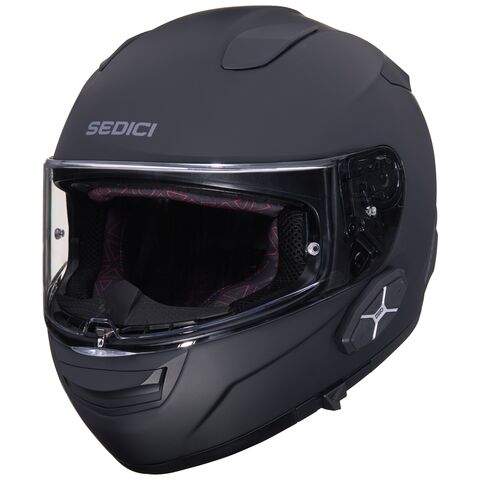
Shop Motorcycle Helmets Online
RevZilla’s collection of motorcycle helmets covers every style, configuration, and riding type you can imagine. From Retro-inspired lids to accent a custom café racer, to premium racing helmets developed for use by the world’s fastest riders – from rudder ADV helmets built to be just as comfortable on the highway as on the trail – from minimalist half-helmets to fully-farkled modular lids, we’ve curated a selection of motorcycle helmets to suit every need, aesthetic, and budget, and priority.We carry motorcycle helmets from the world’s most trusted brands, including Bell, Arai, Shoei, Sedici, AGV, HJC, and more. We take pride in our selection – from top-of-the-line models to entry-level lids, we know we’ve got the gear you need to stay safe, comfortable ,and confident on two wheels.
Need a little help picking out your helmet? Give our customer service a shout through Live Chat, email, or telephone, and get advice from our experts. We’ve also put together our list of the year’s best helmets, so you can narrow down your search even further.
Motorcycle Helmet FAQ's
How do I know what size motorcycle helmet to buy?To find your helmet size, you need to measure your head. Use a soft tape measure and wrap it around the widest part of your head, about an inch above your eyebrows. This measurement, in centimeters or inches, will correspond to a size (like M, L, XL) on a brand's specific size chart. Always check the chart, as sizing varies between brands. Read more about how to buy and size a motorcycle helmet here.
What's the difference between DOT, ECE, and Snell helmet ratings?
These are different safety standards. DOT is the minimum standard required for all helmets sold in the USA. ECE is the European standard, which many riders feel is a more comprehensive test. Snell is a third-party, voluntary standard that is known for being extremely rigorous, especially on impact testing. You can learn more about helmet safety ratings here.
How often should I replace my motorcycle helmet?
You should replace your motorcycle helmet every 3 to 5 years, or after any impact. Over time, the EPS foam liner inside the helmet (the part that actually absorbs the impact) hardens and degrades from sweat, hair oils, and time. After a crash, the EPS is crushed and cannot protect you again, even if the outside of the helmet looks fine.
What's the main difference between helmet shapes?
The main helmet shapes are "Long Oval," "Intermediate Oval," and "Round Oval." This refers to the internal shape of the helmet, not the way it looks. Finding the right shape for your head is the key to comfort. "Intermediate Oval" is the most common shape and fits the majority of riders in North America.
