Shop by Vehicle
 Track Order
 Contact Us
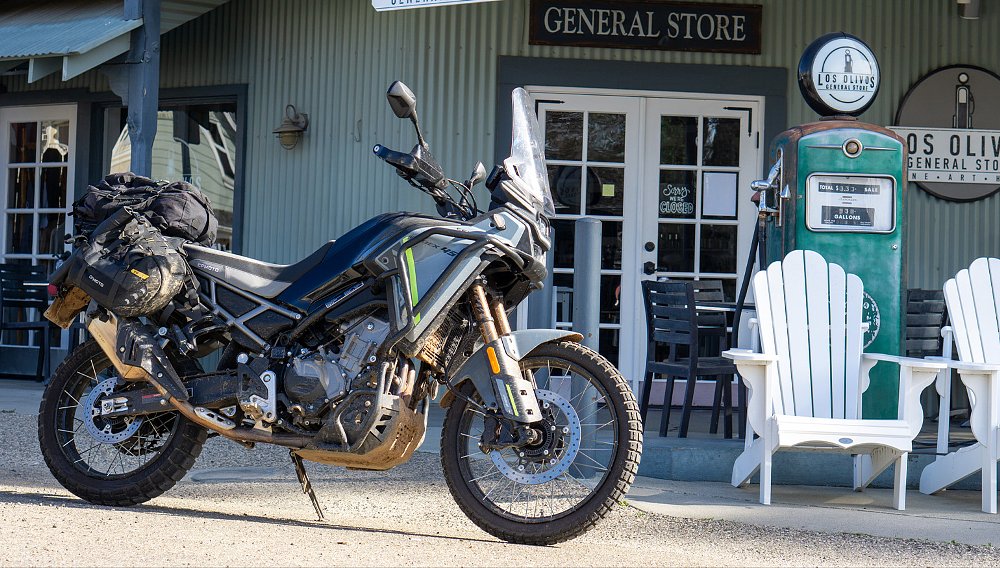
Sometimes it’s not the upfront costs; it’s the upkeep costs.
That applies to everything from swimming pools to ski boats, from fixer-upper homes to a pre-owned Mercedes. The price of maintaining such items could balloon over time, easily eclipsing the price of entry.
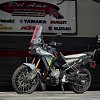
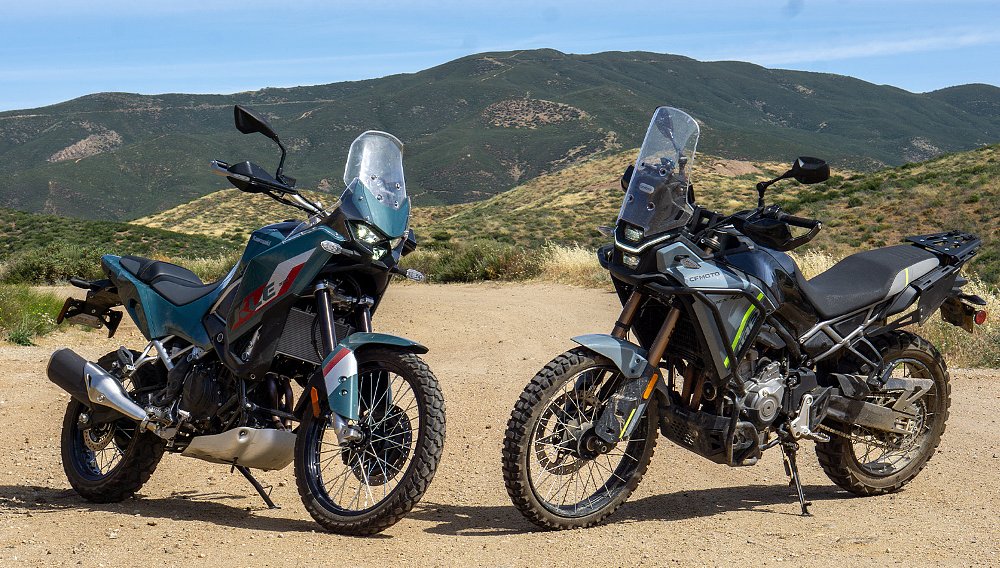
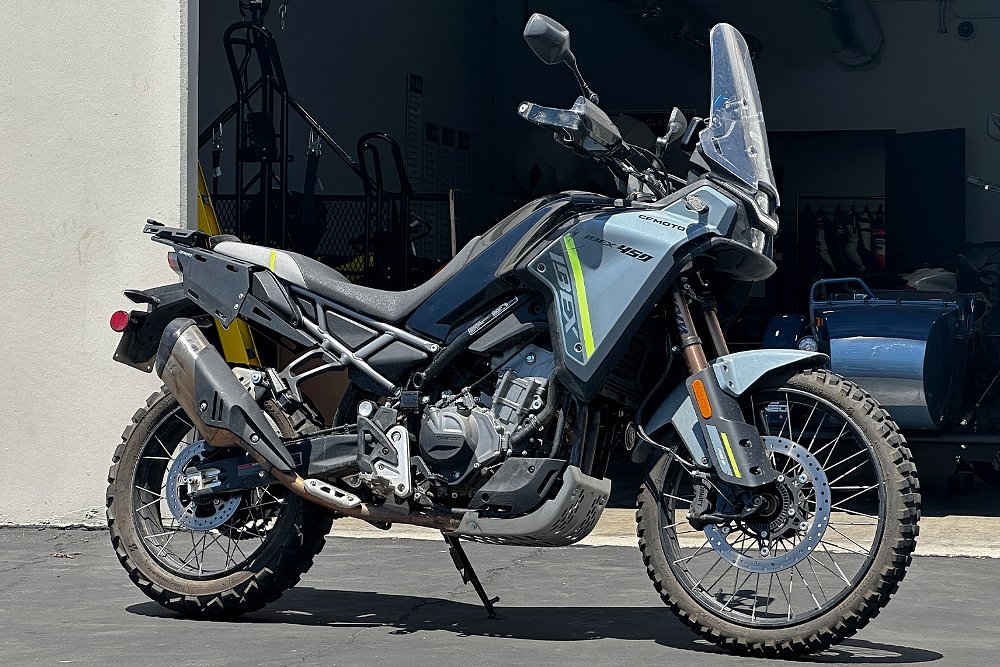
The cost of owning a CFMOTO Ibex 450 can also wade into those waters, if you let it. That all depends on how one chooses to service the mid-size ADV.
Every so often
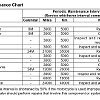
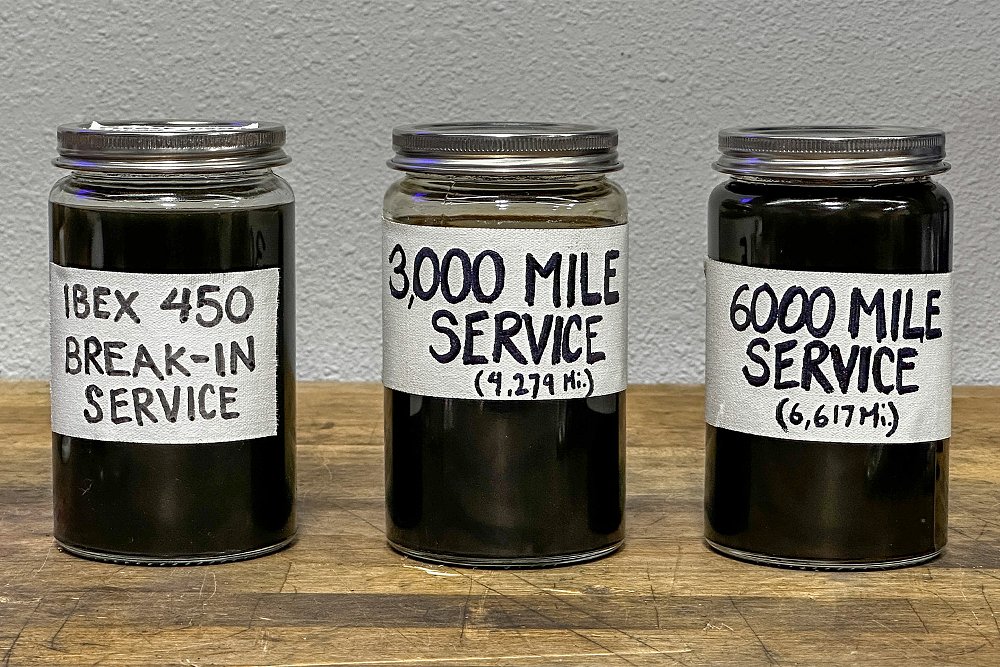
Skim through enough owner’s manuals, and you’ll notice that some motorcycles go as long as 7,000, 8,000, even 9,000 miles between services. The Ibex 450 isn’t one of them. After the 600-mile break-in service — a procedure documented in a previous series installment — CFMOTO recommends regular maintenance intervals of 3,000 miles.
The first of those periodic tune-ups calls for inspections of the controls, airbox, wheel spokes, and battery/fuses, but primarily consists of an oil and oil filter swap. Every 6,000-mile service adds the tires, wheel bearings, and electronics to the checklist, but also involves replacing the stock spark plugs (more on that later).
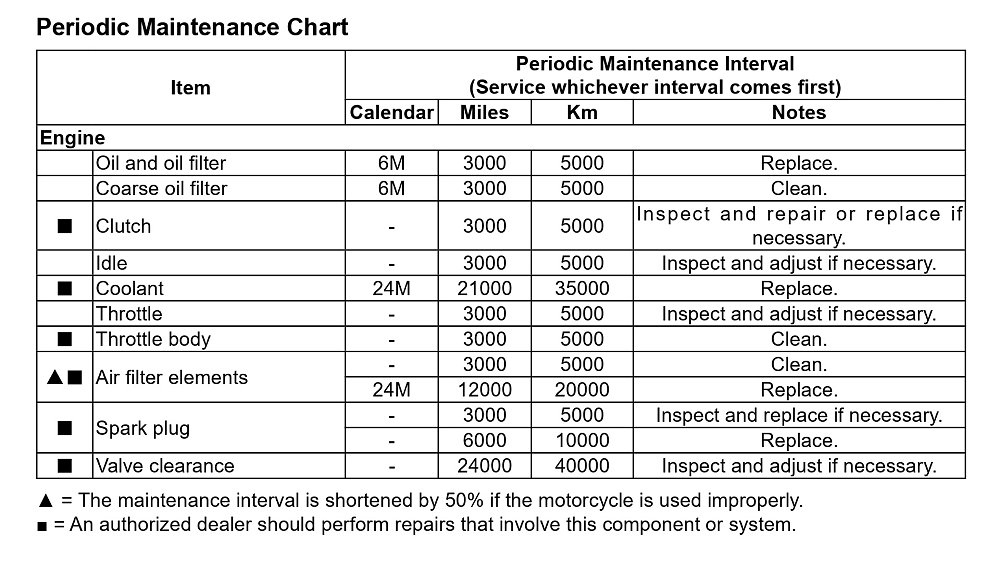
The air filter lasts up to 12,000 miles. The coolant isn’t refreshed until 21,000 miles. Valve clearance checks aren’t performed until 24,000. By most accounts, the Ibex’s maintenance milestones aren’t just straightforward; they’re reasonable. So long as you’re willing to service it every so often, that is. Maintaining it yourself goes a long way, too. Doing so not only saves costs now, but also over the bike’s lifespan. I learned as much firsthand. To prove it, let’s look at the ledger, shall we?
Leave it to the pros
If the extent of your mechanical knowledge is “lefty loosey, righty tighty,” you’d still be qualified to do the Ibex’s break-in service. Be that as it may, not every owner will be comfortable working on the bike themselves. Some buyers who are interested in the model because of its budget pricing may not even have access to a garage or tools. For that very reason, I tapped my local CFMOTO dealer, Del Amo Motorsports of Redondo Beach, California, to carry out the first full-fledged service. The decision produced some eye-opening results. Maybe eye-watering is more like it.
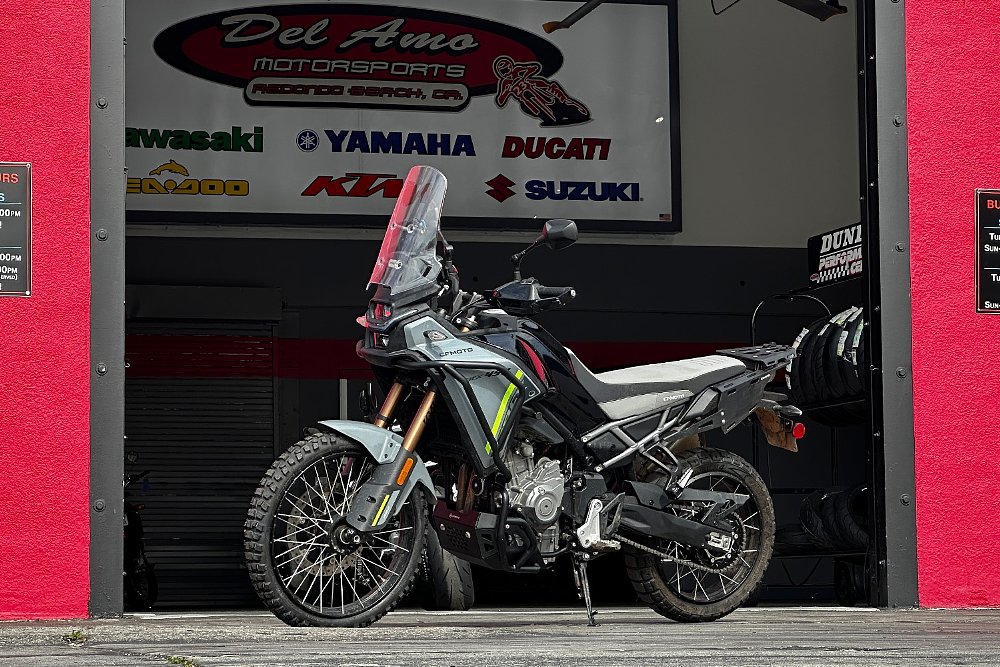
When it comes to taking your bike to the dealership, there’s little story to tell. You drop it off, they turn a few bolts, and voilà, it’s like new again. Easy as lemon pie. The tough part, however, starts where the invoice ends. At least that tends to be the case when you’re shelling out $890.06, as I did for the Ibex. If that seems exorbitant, that’s because it is. But understanding why requires a deeper dive into the bill’s line items.
Firstly, the dealer didn’t perform only the scheduled maintenance. I also asked them to install a set of tires. Those tasks accounted for $179.50 of the total. The 3,000-mile service itself cost $697.99, pre-tax. If the little accountant in your head is saying, “That’s still expensive,” you’re not alone. The thing is, that wasn’t the initial estimate.
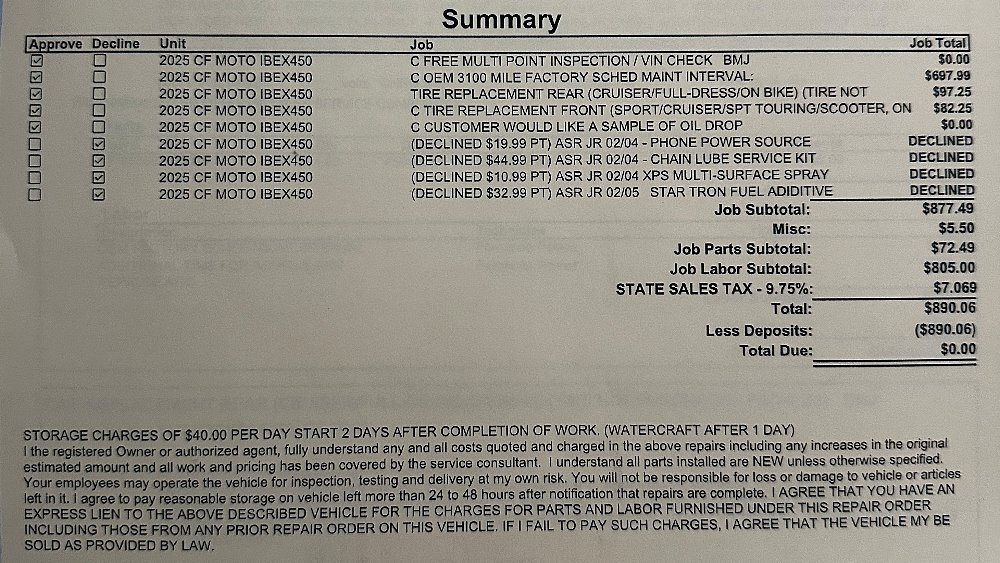
The shop originally quoted the job at around $550, tire swap included. That number swelled to nearly $900 when the mechanics realized that accessing the oil filter required removing the accessory engine guards and skid plate I previously installed. Great. Just great. Such inconveniences cost them two extra man-hours and cost me $360. That's $90 over the service itself, which cost $270 (or 1.5 hours). Those details are important for several reasons.
For one, if you expect to bolt similar add-ons to your Ibex, expect your local shop to charge you accordingly. Even if you’re performing the work yourself, removing and refitting the farkles adds anywhere from 30 to 60 minutes to your standard oil change (I timed it). Given the model’s frequent maintenance timetable, it’s worth weighing whether the extra cost — be it measured in time or money — warrants the crash protection provided.
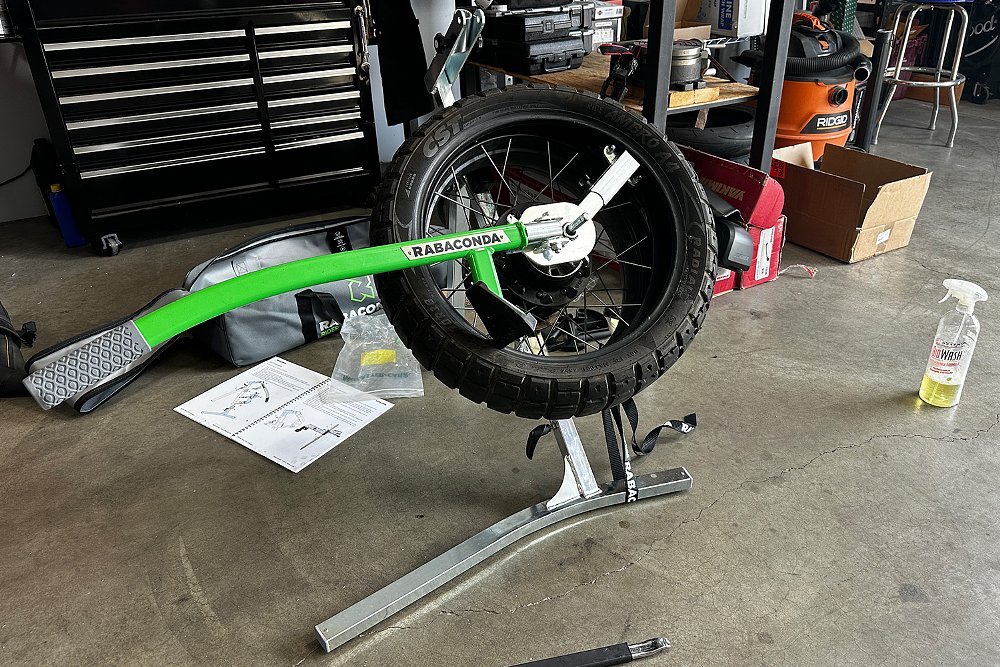
Aside from a serious case of sticker shock, I can only report a positive experience with the local dealership. The shop didn’t just finish the job in a satisfactory timeframe, but also remained communicative throughout the process. They even fixed the bike’s loose heated hand grip without me asking. Still, the excessive labor costs will likely push most Ibex owners in the DIY direction. That’s precisely what happened when I burned out the bike’s clutch.
(Clutch) basket case
“Rode hard and put away wet.”
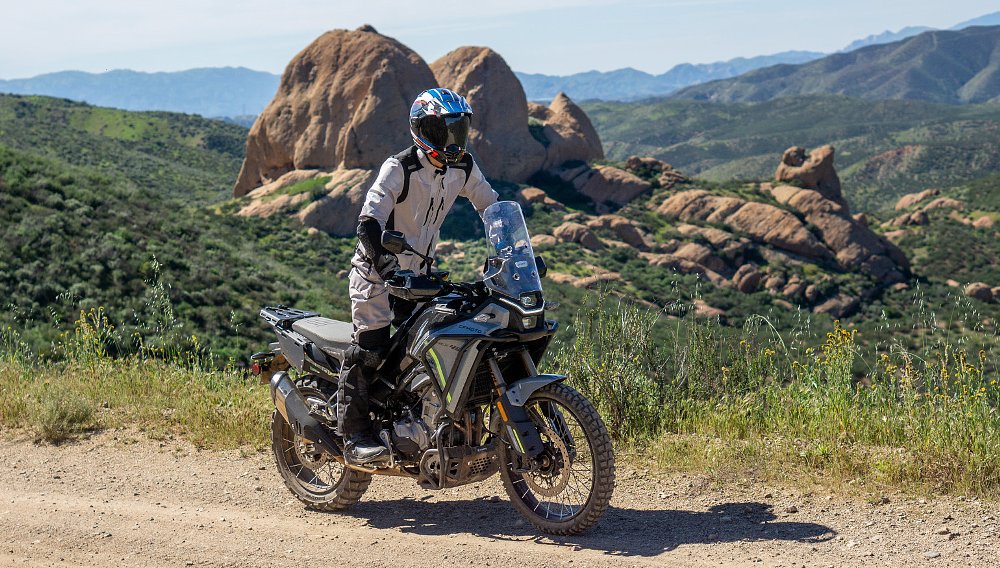
I’d never heard that phrase until Common Tread Managing Editor Lance Oliver uttered it during one of our morning chats. I felt both attacked and understood, both judged and celebrated. “That sounds like one of my motorcycles,” I murmur to myself. I don’t restrict that behavior to my personal bikes, either. I’ve ridden the Ibex in the same manner. Its burnt-out clutch — with less than 5,000 miles on the odometer, no less — is a testament to that statement.
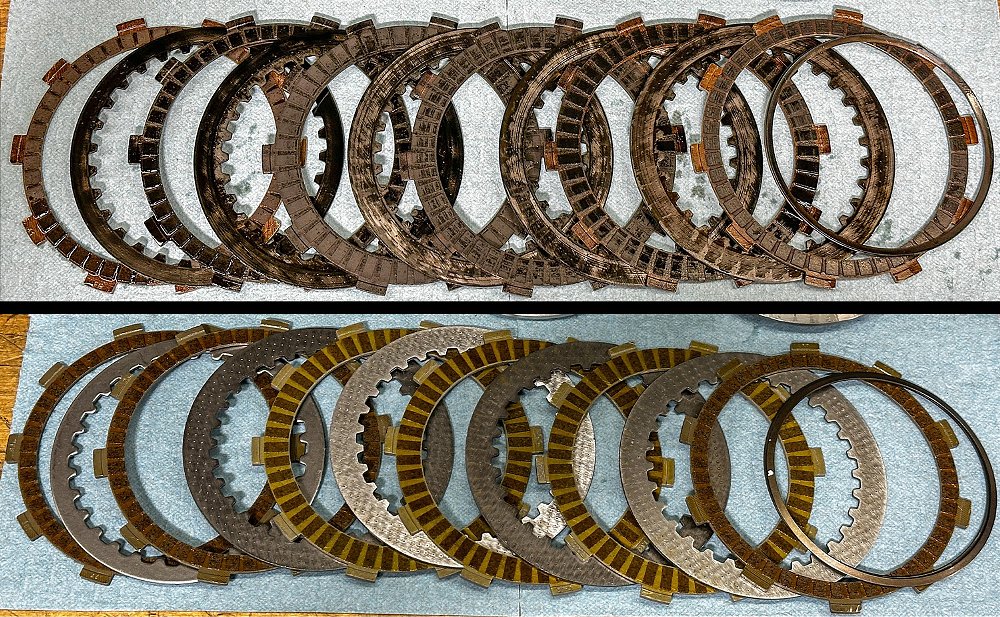
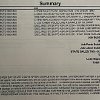
Why roll to a smooth and controlled stop when you can bang down two gears, dump the clutch, and slide to a halt? Why not climb a rocky, rut-riddled trail with equal handfuls of throttle and clutch? Why wouldn’t I kick up dust away from a dead stop, slipping the clutch the whole way? Those were the sensible choices I made with the Ibex under my charge. Under such abuses, I’m surprised the clutch lasted as long as it did. Had I known that type of behavior would cost me another $825 (receipt in the image gallery), I might have reformed my ways.
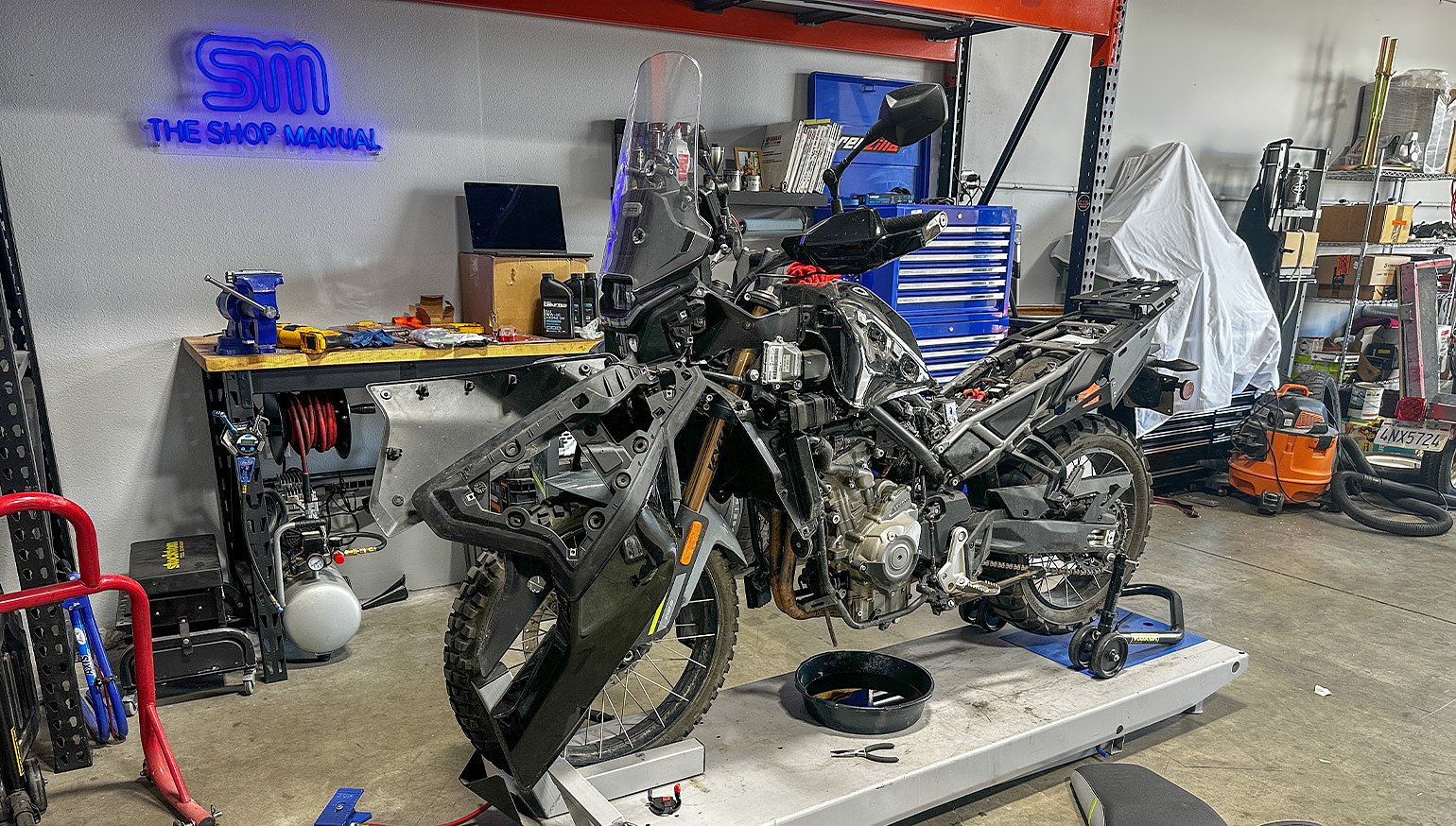
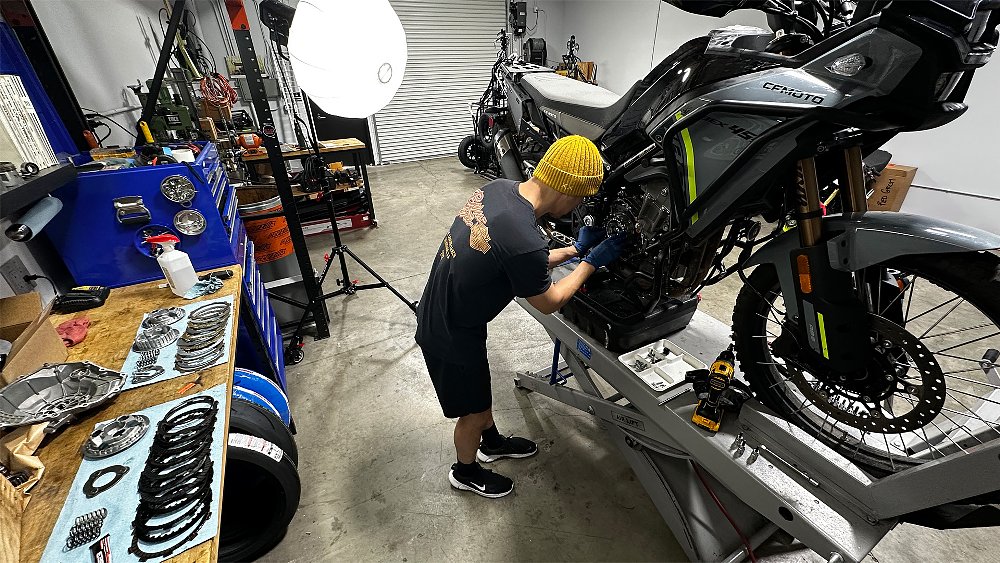
Could’ve, would’ve, and should’ve aside, I still had a cooked clutch to replace. Worse yet, my budget couldn’t accommodate another trip to the dealer’s service department. I’d have to do the deed myself. The problem is, I’d never replaced a clutch before. So I enlisted the help of RevZilla’s resident wrencher, one Ari Henning.
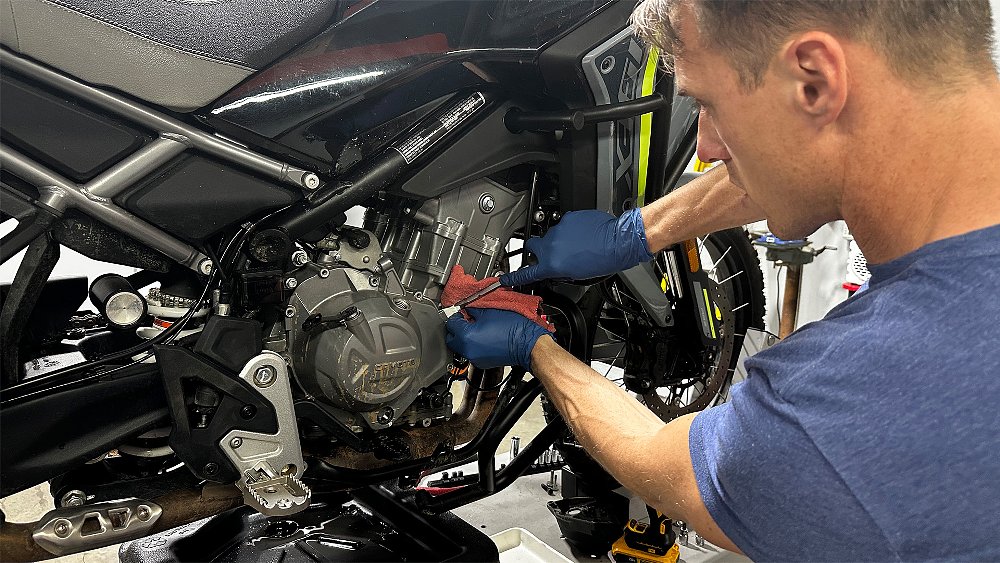
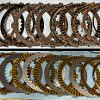
According to Mister TSM himself, the clutch plates we pulled from my mistreated Ibex were the worst he’d ever seen. (He didn’t mean it as a compliment, but I couldn’t help but take it as one.) So scorched, in fact, that they emitted a foul smell as soon as Ari cracked open the case. Prying the cover from its seat wasn’t an easy feat, either. It required a healthy helping of elbow grease and patience. That’s because CFMOTO sealed it with RTV (Room Temperature Vulcanizing) silicone, not a gasket, so you’ll need a tube of the former available should you endeavor to change out the clutch.
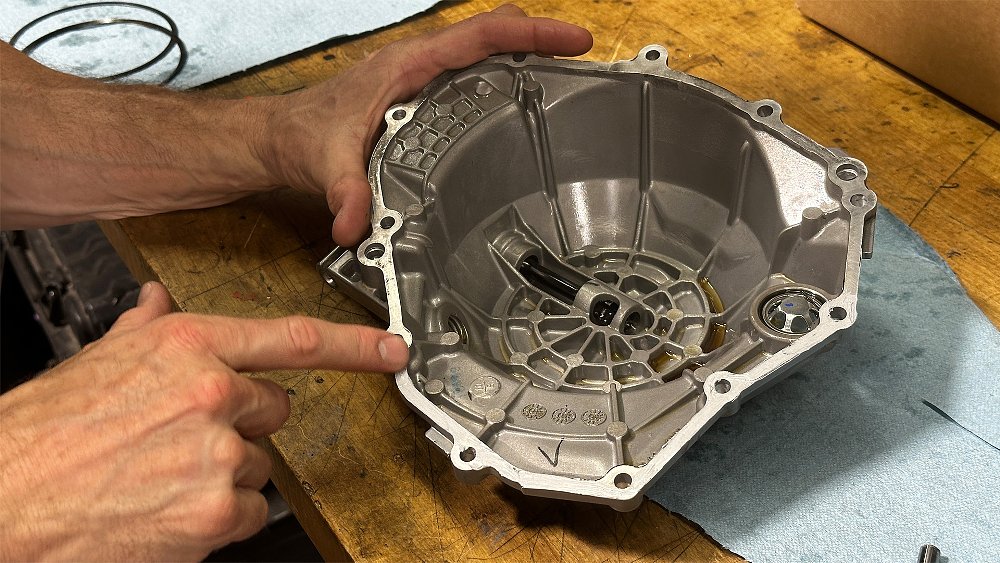
Aside from that little tidbit, I don’t have many other pro tips to impart. If you’ve ever replaced a clutch before, it’s the same procedure here. Simply remove the old plates, slot in the new ones, and tighten everything down. Ari did say that the Ibex’s clutch basket, hub, pressure plate, and springs were all reusable, so if you can find a set of steel and friction plates (instead of an entire clutch assembly), you stand to pocket a few hundred bucks. Those savings could go a long way, especially if you’re paying a shop to complete the work. That’s something I wish I had done for the Ibex’s next service.
A few screws loose
As previously stated, my treatment of the Ibex has been anything but gentle. It wasn’t just cruelty; it was also negligence. Only after the bike surpassed 1,000 miles did I perform the initial break-in service. The first 3,000-mile service didn’t occur until well after 4,000 miles. With my guilty conscience weighing on me, it was finally time to maintain the Ibex as CFMOTO recommends. That meant servicing the bike soon after exceeding the 6,600-mile mark.
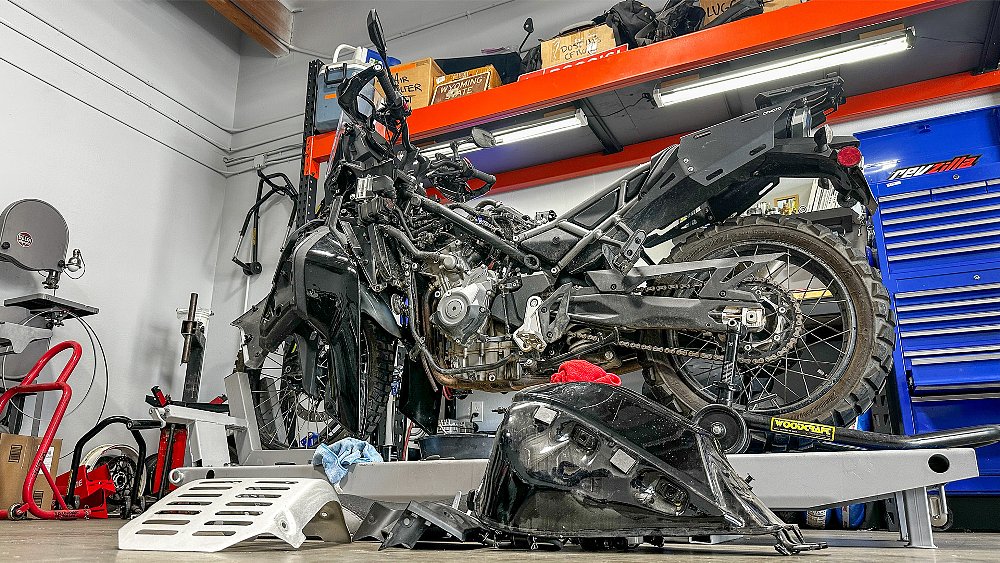
Yes, the standard oil change was in order, but the spark plugs also were due for replacement. I was far less enthused about the latter. That’s because accessing the cylinder head — where the spark plugs live — required the removal of both front side panels and the fuel tank. It’s a task that’s easier said than done, especially with more than 40 different bolts, screws, and push rivets securing the plastics and tank to the bike. (Half the battle is locating them all.)
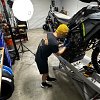
Once again, Ari was around in case I needed any guidance. Luckily, stripping the Ibex of the necessary bodywork warranted no assistance. That all ended when it was time to remove the fuel cell. With two multi-pin connectors, two evap tubes, and a quick-release fuel line situated under the tank, it was a two-man job. So I lifted the recently filled, 4.6-gallon unit while Ari severed all its ties. Several hours in, and I had finally reached cylinder head. Yay, me.
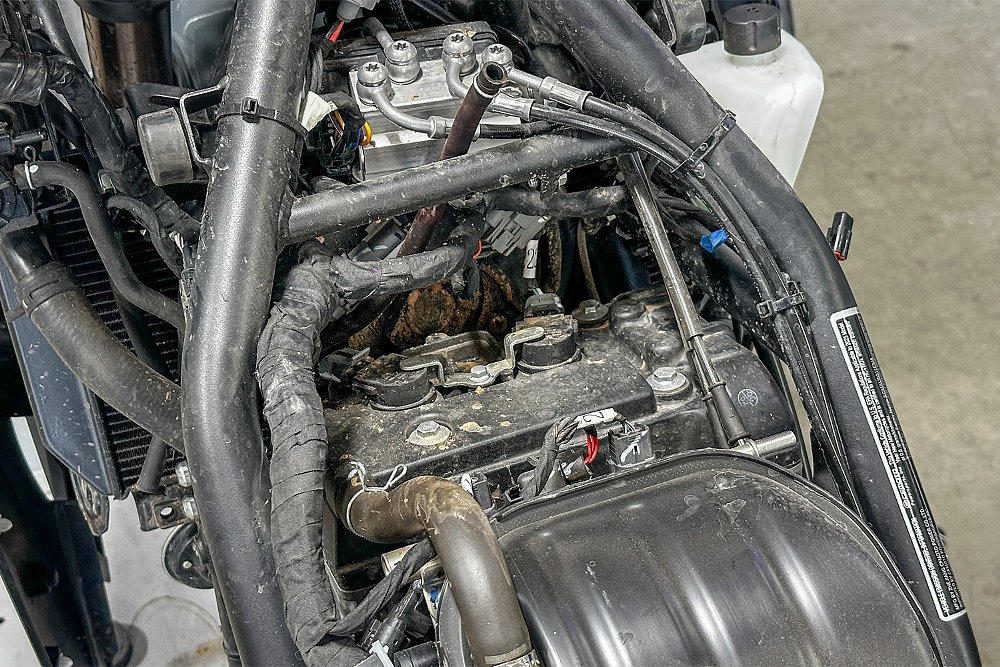
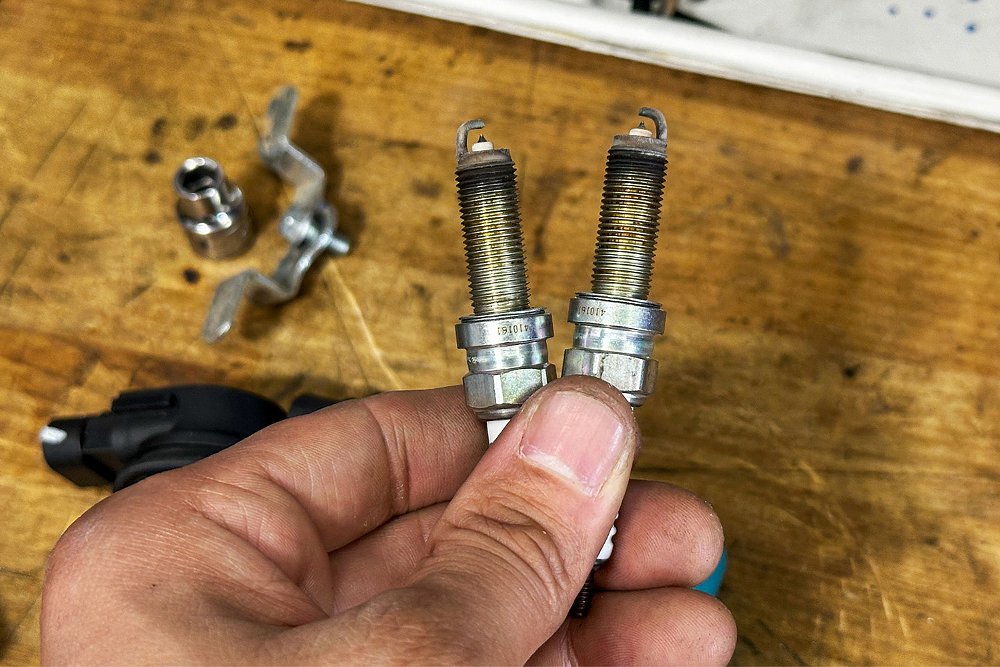
After extracting the ignition coils, I fished out the spark plugs with the use of a 14 mm deep socket and a magnetic pickup. I was winding up to toss the used sparkers in the bin when Ari noted they were far from fouled. After searching high and low for every fastener, after peeling back the dual-layered plastics, after struggling to lift the tank, the spark plugs didn’t need replacing after all. So I chucked the stock set back into the cylinder head and patted myself on the back.
The job wasn’t finished, though. Far from it, actually. I still had to put everything back together. This is the point in the family sitcom where the child actor flashes back to the beginning of the episode, when an older, much wiser character forewarns them about some sort of behavior — a warning they don't heed, of course. In my case, that was Mr. Henning telling me to take pictures of everything. Every bolt, every connector, every tab. “Yeah, yeah,” I thought, “I’m taking enough pictures.” News flash: I thought wrong.
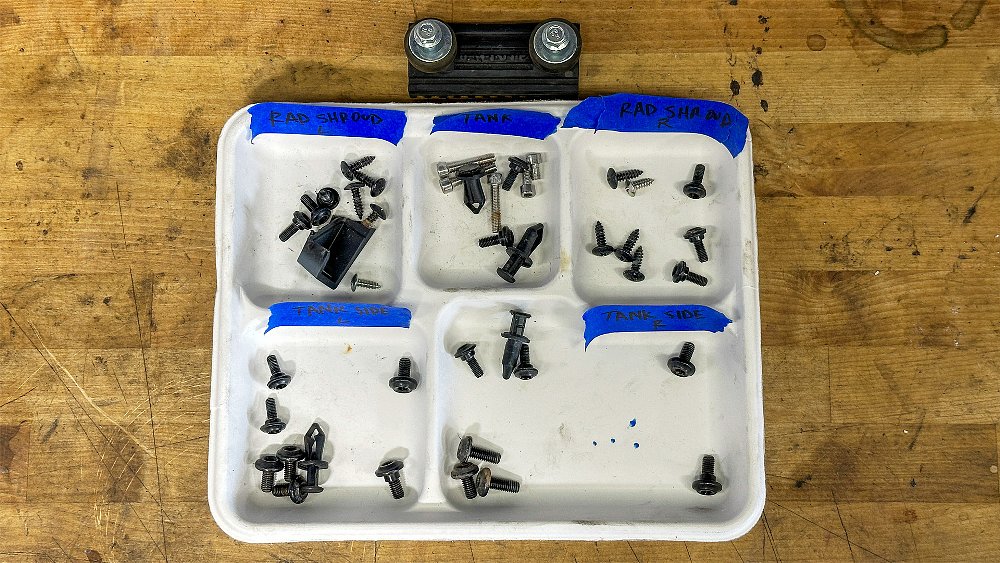
Utilizing Ari’s tray method and my own mental organizing system, I was able to re-seat the vast majority of the fasteners, but I also wasted 30 to 45 minutes misplacing and replacing several bolts. The service (oil change and spark plug check) spanned more than five hours, as a result, most of which was spent detaching and re-attaching bodywork. It’s worth reiterating. Take. Pictures. Of. Everything. You’ll thank me (but mostly Ari) later.
(Up)keeping tabs
The Ibex 450’s greatest attributes are its affordability and accessibility. The former speaks to its $6,499 starting price. The latter, to its ease of maintenance. Sure, 3,000 miles between oil changes may seem frequent by today’s standards, but with oil change kits going for $55 to $68, those periodic services hardly break the bank. What does is delegating that upkeep to the dealership. One too many visits — especially when you’re racking up $890 bills, like me — and the maintenance charges can quickly outpace the initial $6,500 investment.
Knowing what I know now, I’d service the Ibex myself. Until the 24,000-mile mark, at least. That’s when the Ibex’s valve clearances are checked. That’s also when I’d have the shop replace the spark plugs. Two birds, one bill. At its core, the Ibex is an inexpensive bike. As long as you maintain it regularly, you can keep it that way.
And that’s about it. Other than the aforementioned clutch burn-out, which, again, was rider inflicted, I encountered no mechanical mishaps with the Ibex 450. Simply change the oil, lube the chain, and don't ride it like you stole it (do as I say, not as I do). There’s no reason the upkeep costs need to exceed the upfront costs.
| 2025 CFMOTO Ibex 450 | |
|---|---|
| Price | $8,985 (as tested); $6,499 (MSRP) |
| Engine | 449 cc, liquid-cooled, eight-valve, parallel twin |
|
Transmission, final drive |
Six-speed, chain |
| Claimed horsepower | 44 @ 8,500 rpm |
| Claimed torque | 32.5 foot-pounds @ 6,250 rpm |
| Frame | Tubular steel |
| Front suspension | KYB 41 mm inverted fork, adjustable for preload, compression and rebound damping; 7.9 inches of travel |
| Rear suspension | KYB shock, adjustable for preload, compression and rebound damping; 7.9 inches of travel |
| Front brake | Single J.Juan four-piston caliper, 320 mm disc with ABS |
| Rear brake | J.Juan single-piston caliper, 240 mm disc with switchable ABS |
| Wheelbase | 59.25 inches |
| Seat height | 34.25 inches |
| Fuel capacity | 4.6 gallons |
| Tires | Bridgestone Battlax AdventureCross AX41; 90/90R21 front, 150/70B18 rear |
| Measured weight | 458 pounds (accessorized) |
| Warranty | 24 months |
| More info | cfmoto.com |