Shop by Vehicle
 Track Order
 Contact Us
"I hate writing, but I love having written." — Dorothy Parker
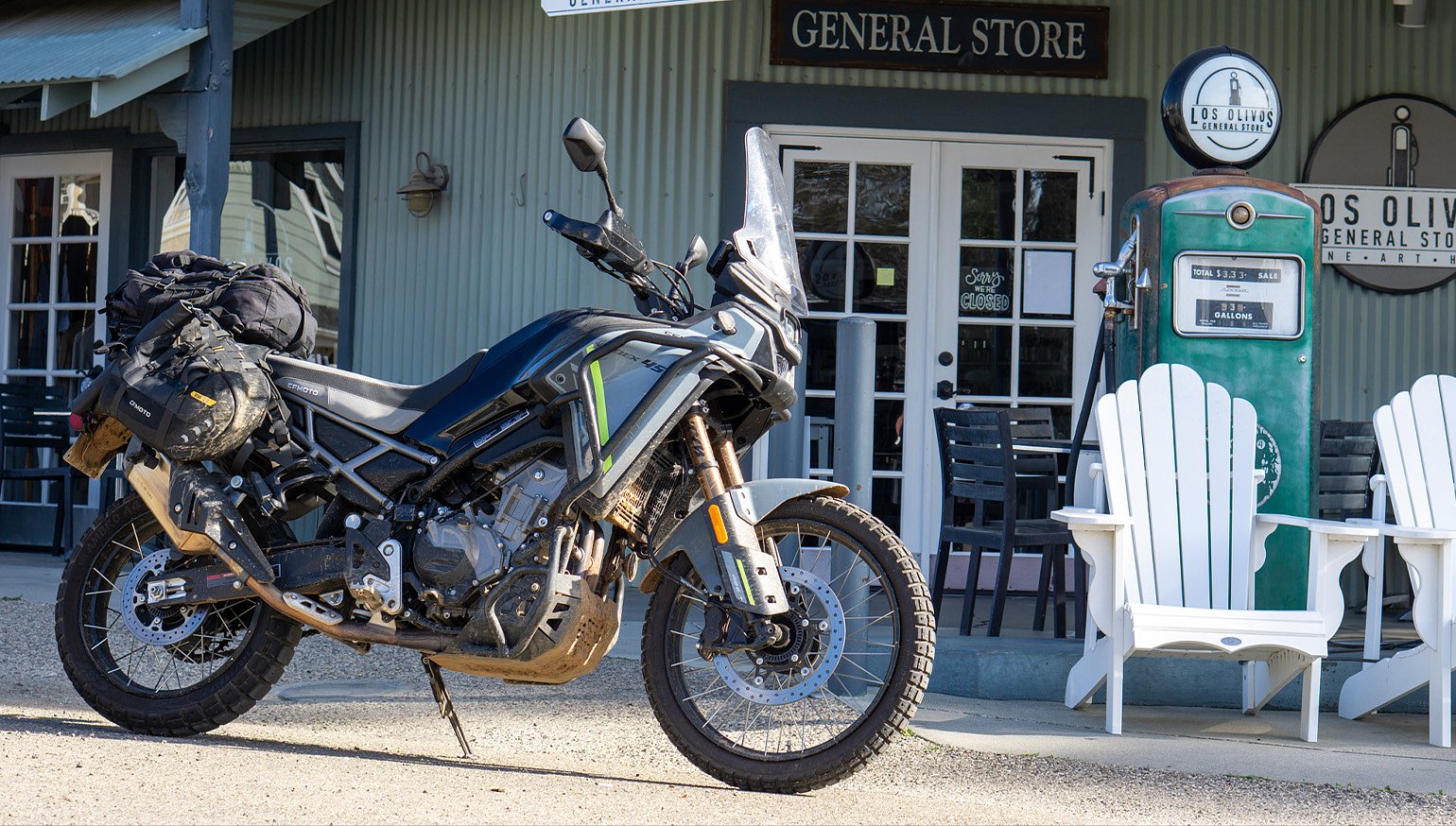
I feel the same way when it comes to traveling long distances on a motorcycle. I don’t enjoy the process. I enjoy the bragging rights. Case in point: I completed an Iron Butt in 2020. It was miserable. I’ll never do it again. Yet, I tell anyone with a set of ears about it (and now every Common Tread reader knows it, too).
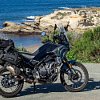
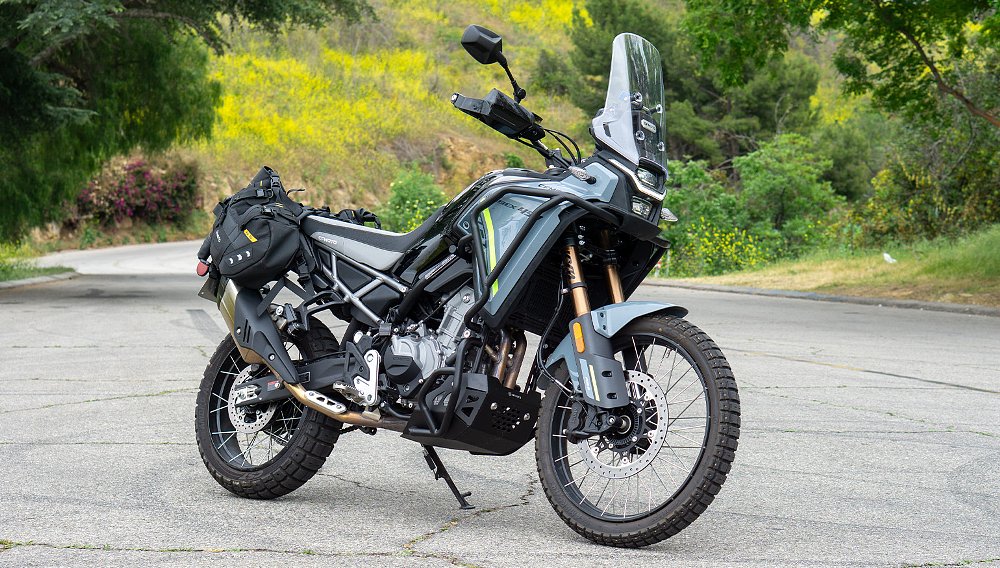
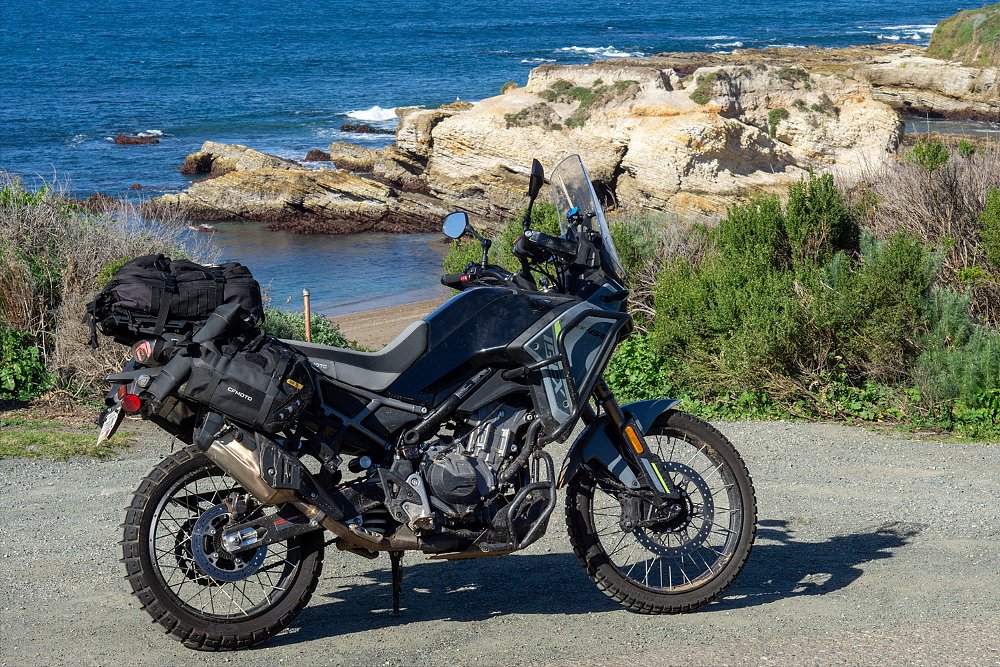
I know myself. I’m a sprinter, not a marathoner. I’m in it for a good time, not a long time. I probably have undiagnosed A.D.H.D. and a side of restless leg syndrome. Basically, I get bored easily. So if I embark on a road trip, I want it to be as comfortable and convenient as possible. Hence, the bevy of accessories I previously installed on the CFMOTO Ibex 450. Yet, two pieces were still missing from the puzzle.
Hit or miss
When I started this long-term project, few aftermarket parts were available for the Chinese-made ADV. Overseas retailers readily stocked compatible bolt-ons, but a little thing called reciprocal tariffs made ordering those parts all but impossible. That’s why so many of the installed accessories came from CFMOTO’s catalog. Those restrictions also forced me to get creative in other ways.
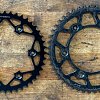
The Ibex 450 is a solid all-arounder, but if it suffers anywhere, it’s on the interstate. In stock form, the 449 cc p-twin screams down the highway, spinning more than 7,000 rpm at 75 mph (in top gear, no less). Given the model’s short gearing, ditching the stock 14-tooth countershaft sprocket for a 15-tooth replacement seemed like a sound solution. Purchasing one just wasn’t in the cards. The best recourse was swapping the 47-tooth rear sprocket for a 44-tooth unit, but finding one presented its own challenges.
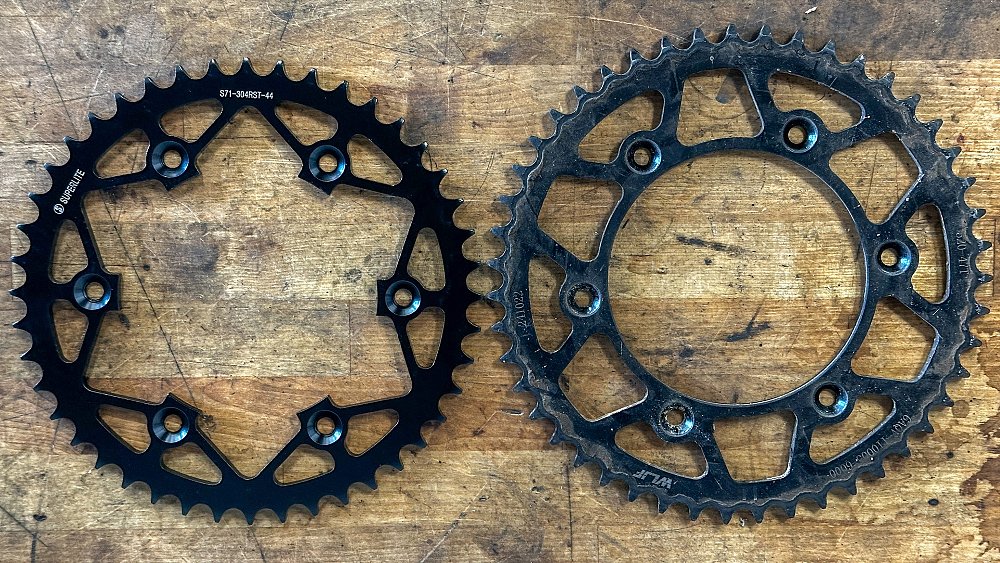
Testing compatible aftermarket parts is but one objective of this long-term review. Locating those products is half the battle. Not even the specialists at Huntington Beach’s Sprocket Center were 100% sure about fitment with the Ibex 450. “Let me know how it goes,” urged General Manager Chad Jones as I trotted out with a 44-tooth Superlite rear sprocket. Good news, Chad, it worked. RevZilla may not stock Superlite items, but our gear guys assure me that alternatives from Renthal, JT Sprockets, SuperSprox, and Vortex deliver comparable results. That’s encouraging, because installing an aftermarket sprocket wasn’t just effortless, it was transformative.
Prior to the Ibex, I’d never changed a bike's gearing. Prior to the Ibex, I never had to. That explains why I was dreading the install process. Yet, I completed the procedure in less than 30 minutes. The only thing that surpassed the ease of installation was the performance on the road. Now, the Ibex’s legs aren’t inordinately longer. It’s still revving around 6,500 rpm when holding 75 mph in sixth gear. That 500-rpm difference may not sound significant, but it’s the difference between the twin humming along and it sounding like it’s about to grenade itself.
What’s more, the Ibex hardly loses any oomph off the line. It’s noticeable, but it’s not considerable. In other words, CFMOTO should have geared the Four-Fiddy this way from the factory. Luckily, changing that stock gearing wasn't a headache. I can’t pay the same compliment to the stock grips.
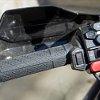
Traveling on a motorcycle often requires early-morning departures. That means enduring low temps, especially during the winter months. So adding heated grips to the Ibex was a no-brainer. The installation was anything but. I learned as much after ordering a pair of Koso Apollo Heated Grips. Swapping out the left-hand grip was straightforward. The problems only arose when installing the throttle side.
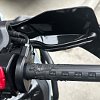
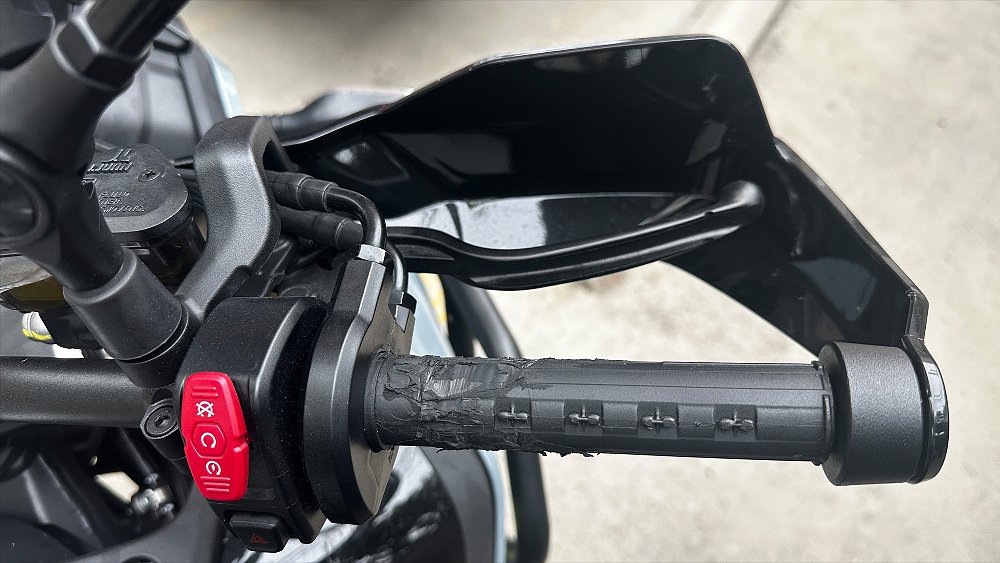
First, I had to strip the rubber grip off the stock throttle tube. My results were mixed, at best (see image below). Squeezing that stripped throttle tube inside the Apollo heated grip, which includes an inner plastic tube of its own, only caused pinching. Pinching that didn’t allow the throttle to return when released by the rider. It may go without saying, but that’s a no-go in my book.
After riding around with a naked throttle tube for a week, I finally located a suitable set of heated grips at a local dealership. Of course, the only compatible option was a CFMOTO accessory. I use the word “compatible” quite loosely, though. While the throttle-side grip installed without a hitch, it was the left-hand grip that presented the problems this time around.
CFMOTO secures the stock left grip to the handlebar with a screw. For some reason, the heated grips don’t accept that same screw. As a result, the left heated grip constantly rotates in the rider’s hand, especially when reaching for the clutch lever. Not even a liberal coating of superglue could fix the issue. And somehow, that’s not the heated grips' worst attribute.
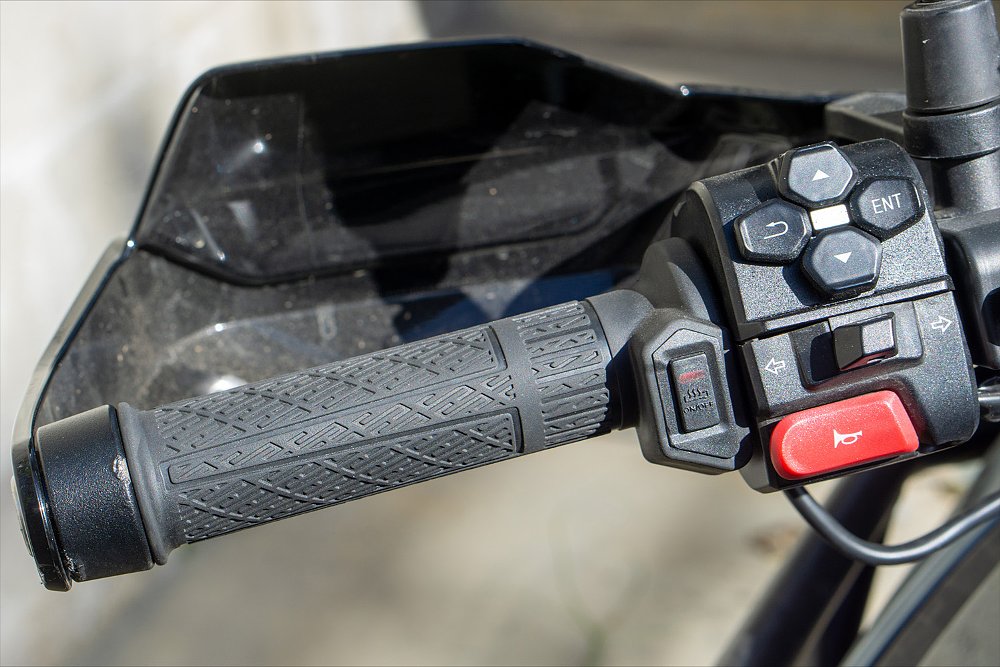
One expects heated grips to warm your digits, but even in the highest setting, CFMOTO’s grips don’t radiate enough heat through a set of insulated gloves. Here’s the kicker: My testing conditions were far from extreme. At worst, temps were in the mid 40s (F). That’s California cold, not real cold. Residents of the Sierras may take umbrage with that statement, but I said what I said. Deal with it.
In the end, Ibex owners would be better served by a pair of heated gloves, instead. At least until an aftermarket brand releases compatible and effective heated grips. The same goes for many of the Ibex’s other touring-oriented add-ons.
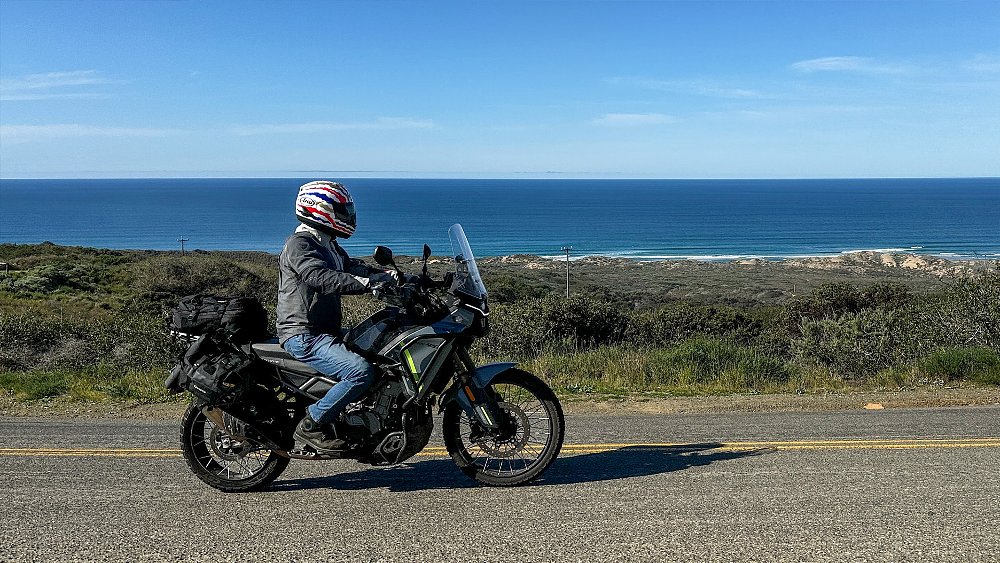
Riding the Ibex from Vegas to L.A. proved that the stock seat and windscreen only provide a modicum of touring comfort. The former, due to its moderate padding. The latter, due to its short height. I can only assume that CFMOTO opted for such a scooped-out saddle to lower the model’s standover height. I couldn’t come up with an excuse for the undersized windscreen. Regardless, replacing both with CFMOTO’s rally seat and tall windscreen (respectively) was the obvious choice. If only they didn’t introduce new pain points.
Let’s start with the seat, shall we? CFMOTO’s accessory unit lives up to its “rally” name with high-stacked foam and a flat profile. That taller, boxier build boosts the Ibex’s seat up to 34.25 inches. Despite that newfound height, my 32-inch-inseam legs weren’t stretching for terra firma. My boot heels were planted at each stop. On the other hand, the rally seat only slightly opens the knee bend for taller riders. You give some, you take some. That’s not the main drawback, however.
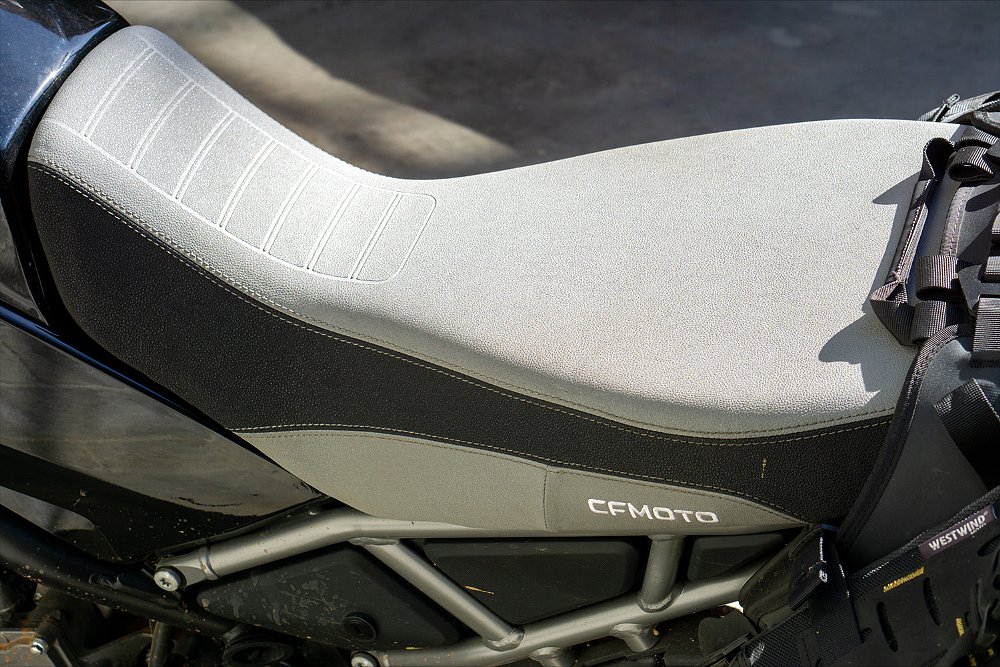
Plop yourself onto the rally seat and the first word that comes to mind is plush. There’s not just more foam. There’s softer foam. The sit-in comfort is supreme. Luxurious, even. Sadly, that cushiony quality wears off about an hour down the road. Without a stiffer, more stable foam compound to cup my rump, much of my weight bore down on my sit bones or tailbone (depending on my position and posture).
At the tail end of a particularly long ride, I alternated between hanging either cheek off the seat's side, leaning an elbow on the gas tank, and standing on the pegs. Doing so helped redistribute my weight, providing a momentary reprieve from the posterior pressure points. Yes, the rally seat yields more comfort, but only for a limited amount of time. It’s a similar story for the tall windscreen.
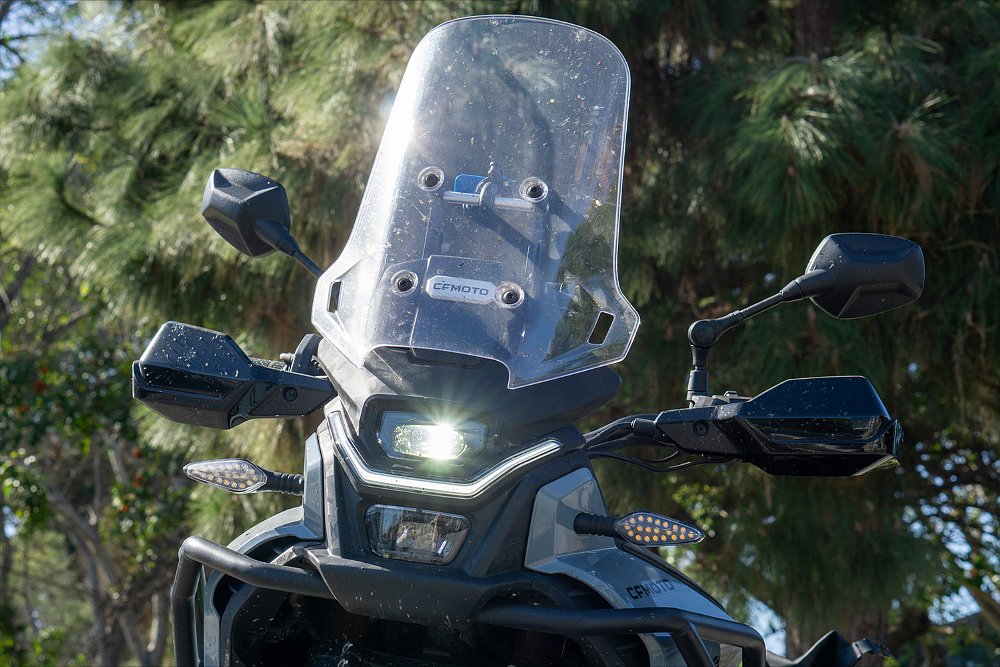
The swirling Mojave Desert winds between Sin City and the City of Angels put the faults of the Ibex’s stock windscreen on full display. Battered by the turbulent trip, I added touring-friendly wind protection to the top of my priority list. Benefitting from five extra inches of vertical coverage, CFMOTO’s tall windscreen met my needs. Sadly, that doesn’t make it the perfect solution.
When encountering gusty conditions, I often raised the windscreen to its maximum height. That reliably whisked more oncoming air off my helmet and shoulders, but the results were short-lived. Over time, the windscreen gradually lowered itself, with the mechanism smoothly rolling over each detent. I only noticed the height change when the windscreen reached its lower position. That prompted me to raise it again, effectively restarting the cycle. Rinse and repeat.
That self-lowering feature isn’t something I can attribute to the stock windscreen. (At least I don’t remember it doing that during my limited time with it.) While I found the tall windscreen’s agency mildly annoying, it still provides more wind protection than its shorter counterpart. It all comes down to whether you’re willing to shell out $150 for that experience. The Ibex doesn’t give the rider similar options in other respects, though.
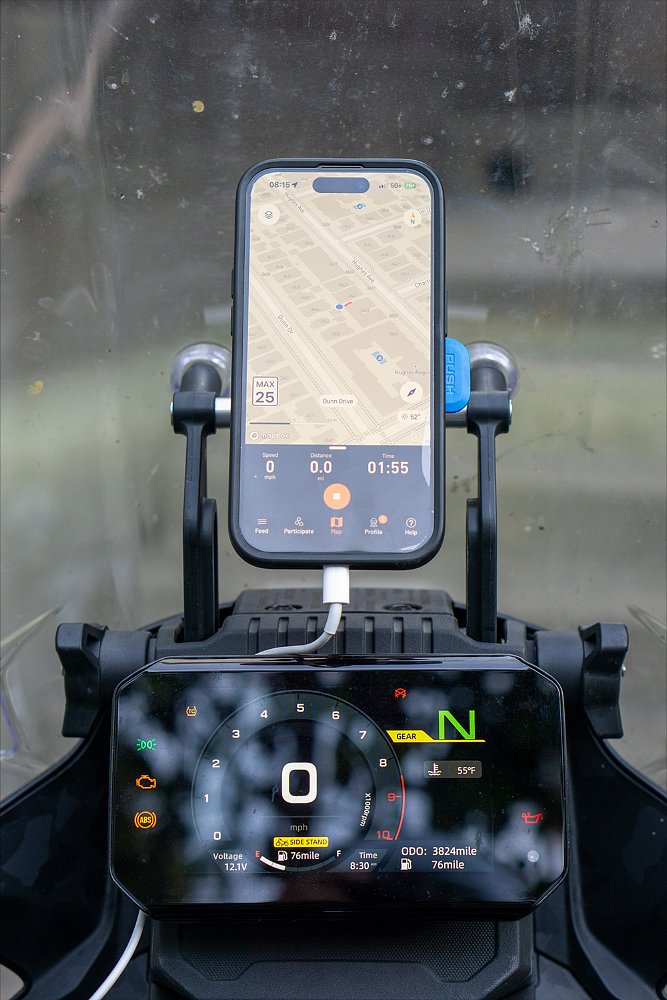
Be it weekenders to South San Diego County or turn-and-burn trips to San Luis Obispo, the Ibex averaged anywhere from 40 to 45 mpg during my various travels. The fuel tank may carry up to 4.6 gallons of gasoline, but I almost religiously exited the highway at the 160-mile mark. I owe that prudent behavior to the bike’s range meter, which stops reporting the remaining mileage once that number dips below 25 miles. (That’s when I need the range meter most!) Me being me, I had to learn that lesson the hard way first.
I tend to push the limits. If I have 17 miles before the gas tank reaches ‘E,’ I’m going to try to ride 18 miles. Well, that was my approach until the Ibex 450 came along. During one instance, while riding through the rolling hills between Carlsbad and Del Mar, my gaze alternated between the the road, the Pacific Ocean, and the TFT display.
One glance at the double-dash under the range meter, and I thought, “I got another 20 miles. I’ll be fine.” Wrong. The bike first sputtered a half-mile up the road. “Find an exit,” I harangued myself. Sputter-sputter-sputter. Practically coasting into the nearest filling station, I made a vow that I wouldn’t push those limits again. I suggest the same to any Ibex 450 owner.
The takeaway
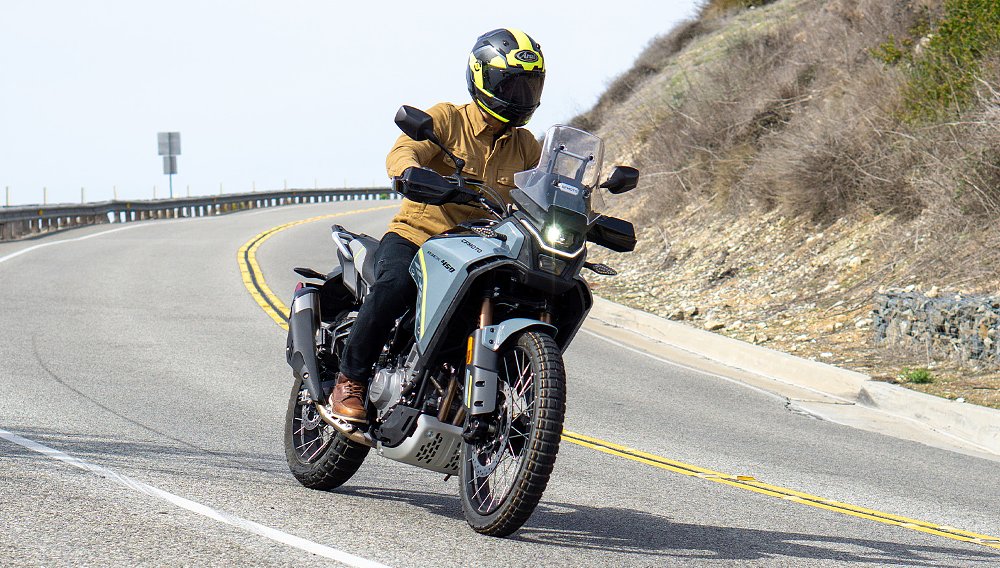
When it comes to traveling on a motorcycle, the question is rarely whether the bike can cover the distance. Spoiler alert: It can. The real question is whether you want to cover those distances on that bike. In that respect, the Ibex 450 is a suitable travel companion. To a point, that is.
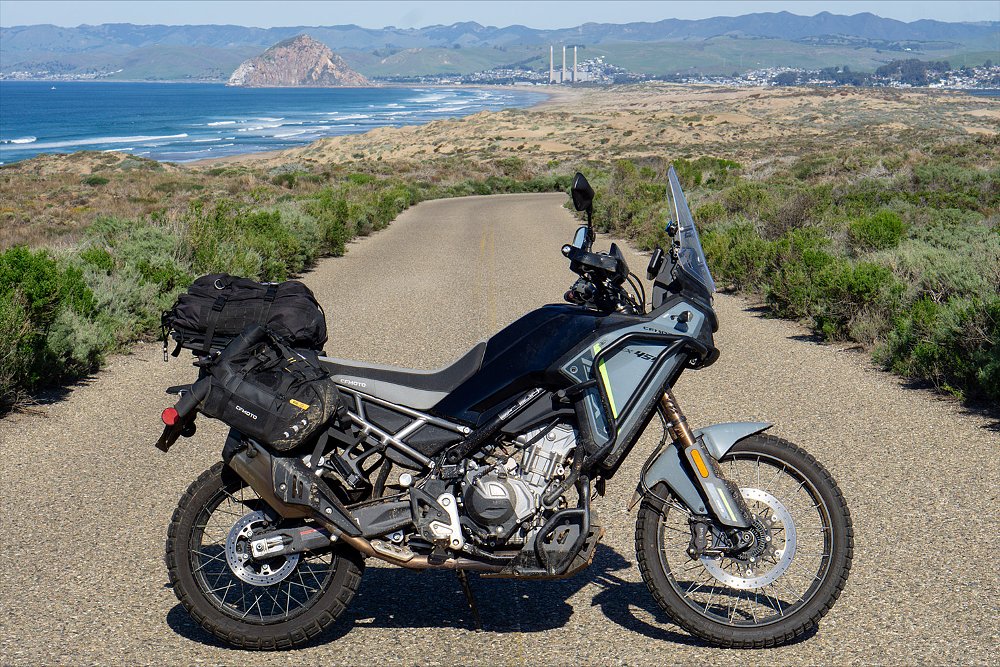
Even outfitted to the nines, the Chinese-made adventurer has its share of constraints. From wind protection to cockpit comfort, from luggage to crash protection, the Ibex requires several upgrades before it’s truly road trip-ready. (That’s not even accounting for the lack of electronic cruise control.) Still, the 450 can’t pound the pavement like a full-sized tourer. That’s why I frequently limited my trips to 250 to 300 miles per day.
When I stick to those distances, I still like riding, not just having ridden.
| 2025 CFMOTO Ibex 450 | |
|---|---|
| Price | $8,553 (as tested); $6,499 (MSRP) |
| Engine | 449 cc, liquid-cooled, eight-valve, parallel twin |
|
Transmission, final drive |
Six-speed, chain |
| Claimed horsepower | 44 @ 8,500 rpm |
| Claimed torque | 32.5 foot-pounds @ 6,250 rpm |
| Frame | Tubular steel |
| Front suspension | KYB 41 mm inverted fork, adjustable for preload, compression and rebound damping; 7.9 inches of travel |
| Rear suspension | KYB shock, adjustable for preload, compression and rebound damping; 7.9 inches of travel |
| Front brake | Single J.Juan four-piston caliper, 320 mm disc with ABS |
| Rear brake | J.Juan single-piston caliper, 240 mm disc with switchable ABS |
| Wheelbase | 59.25 inches |
| Seat height | 31.5 to 32.4 inches; 34.25 inches with optional seat |
| Fuel capacity | 4.6 gallons |
| Tires | CST A4 90/90R21 front, 140/70R18 rear |
| Measured weight | 458 pounds (accessorized) |
| Warranty | 24 months |
| More info | cfmoto.com |