Shop by Vehicle
 Track Order
 Contact Us
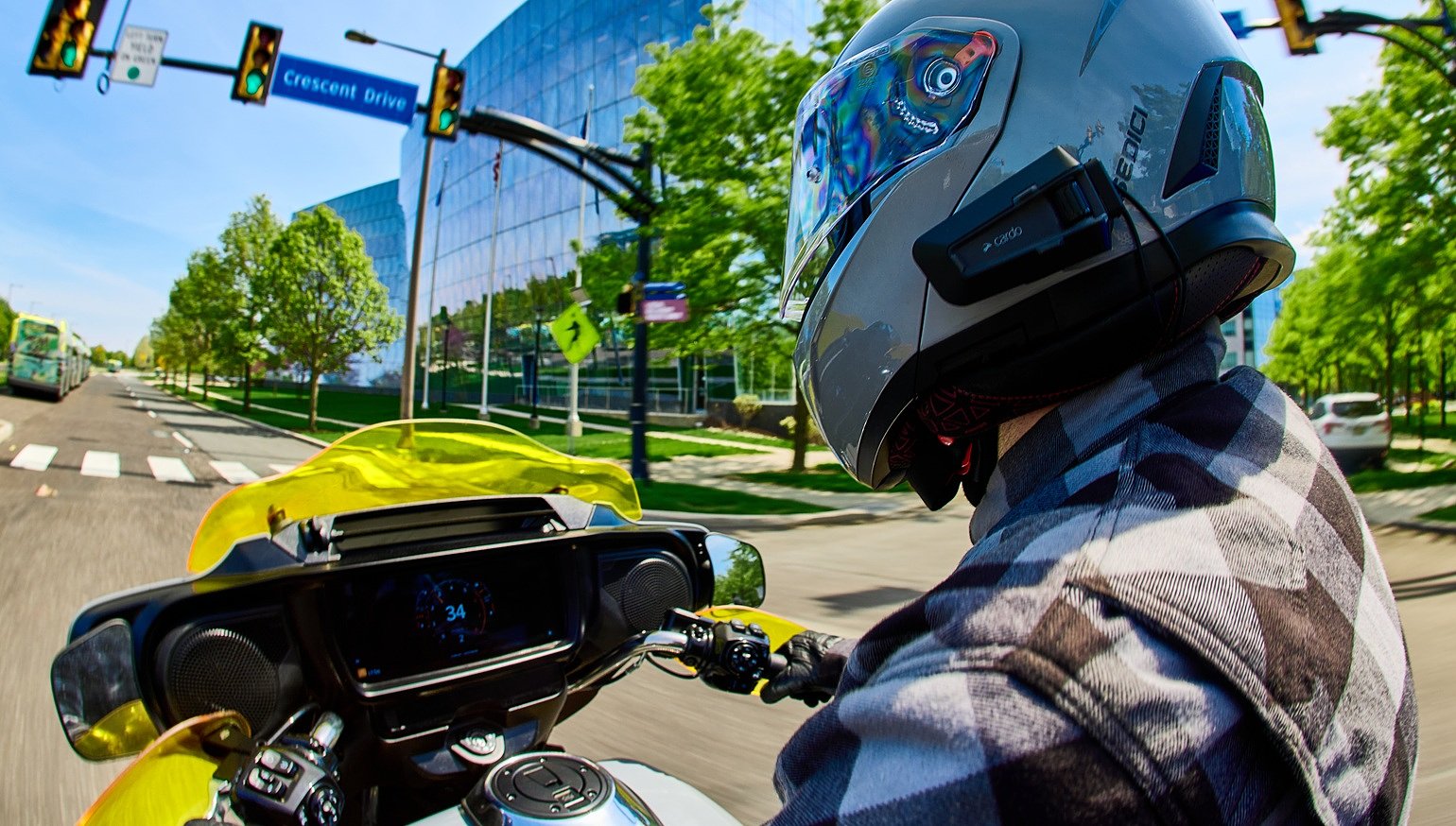
"Riding is riding." My friend Mike often says this when I ask him where we should go on one of our afternoon excursions. Sometimes we just pick a direction, maybe a destination coffee shop, and a time we need to be back. I've concluded that that's okay. Not every ride needs to be epic.
Yet on occasion, especially when I look at my social media feeds, it seems everyone else must constantly be on an epic adventure, covering the most miles, taking the curviest, most technically challenging routes, or navigating the muddiest ruts in exotic locations. But I have a mortgage to pay, caregiving responsibilities, and a multitude of other obligations; epic riding experiences are not always within reach.
The problem isn't adventure riding itself. Motorcyclists have always been captivated by stories of distance, hardship, and exploration. Social media simply puts those stories in front of us more often, while we see fewer of the smaller moments of motorcycling.
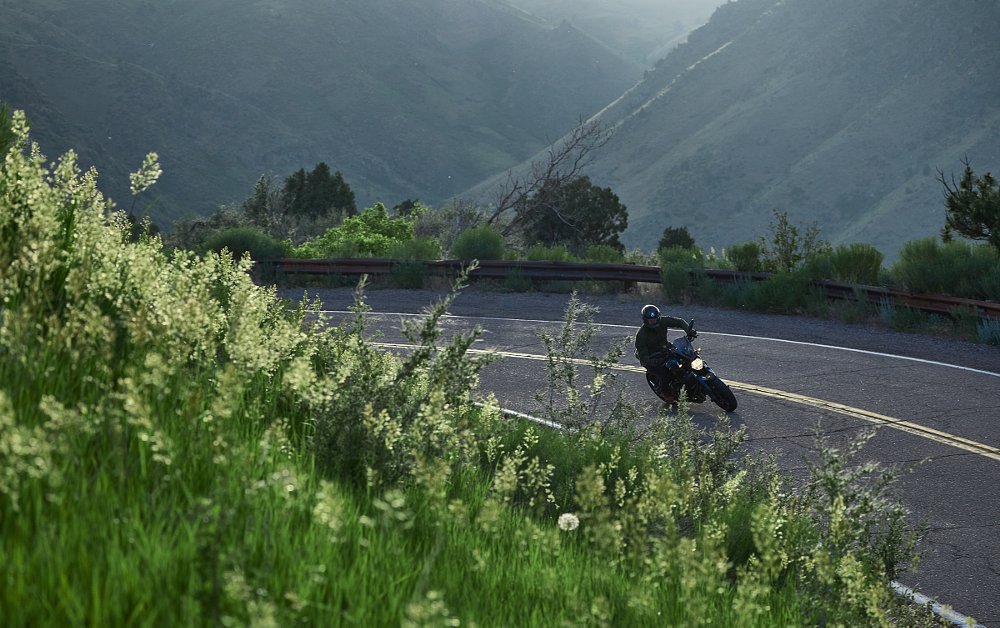
Granted, we all love a great adventure story, especially if it involves two wheels. Early motorcycling pioneer Carl Stearns Clancy published accounts of his globetrotting adventures in Motorcycle Review magazine for stunned readers everywhere. Many distance riders of the 1930s and '40s, such as Bessie Stringfield and Robert Fulton, Jr., shared detailed visual and oral accounts of their extraordinary rides after completing them. More than 20 years ago, "Long Way Round" launched Ewan McGregor and Charley Boorman's series about their world travels and they're still going. More recently, Ryan Kluftinger of FortNine had millions of viewers following his record-breaking ride around the world.
Common Tread's own "CTXP" videos feature Zack Courts and Ari Henning pushing the limits and seeking new adventures for their own and our entertainment, from the "Dumb and Dumber" mini-bike trip to riding 1938 motorcycles to Sturgis. In reality, though, many of us probably see ourselves more in Zack's "Daily Rider" series. Riding into work, when we can, is sometimes the most exciting part of our day. "Daily Rider" reminds us, in fact, that everyday riding isn't a lesser form of motorcycling. It's the core of the experience. Perhaps that's part of why the episodes are so popular.
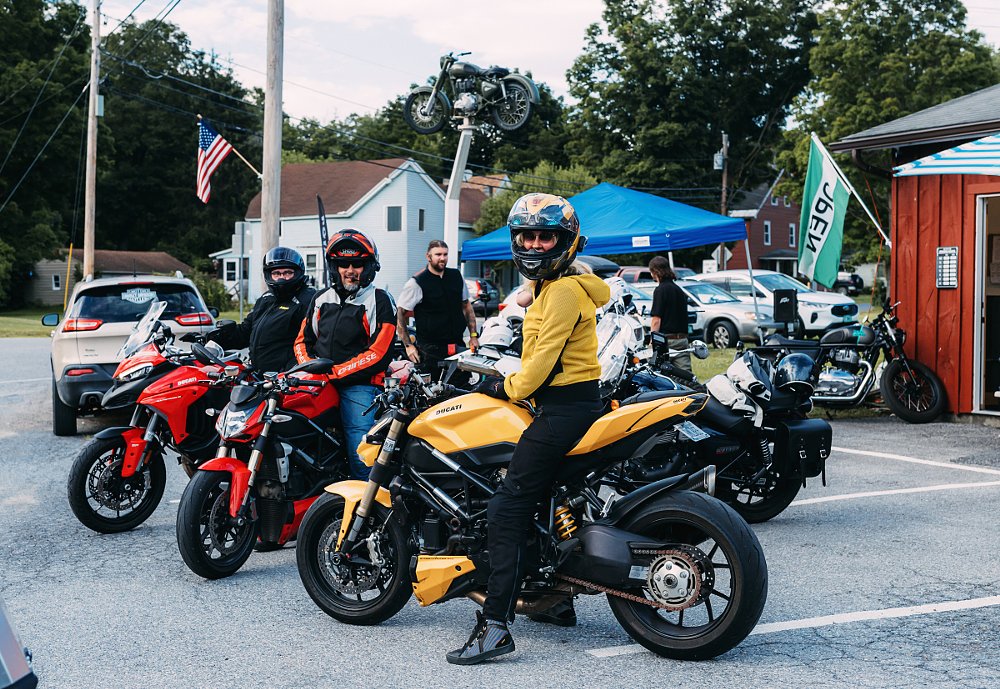
For many riders (myself included), motorcycling lives in smaller moments, such as a loop of twisties on a long lunch break, or a couple of hours carved out between obligations. Sometimes, I do plan around motorcycling opportunities. If it's a beautiful day, why not go for a ride and then respond to all those e-mails? Many riders aren't choosing between a cross-country trip and staying home. They're choosing between a two-hour ride and a list of unfinished tasks. That reality changes how we measure the value of riding.
Smaller rides integrate motorcycles into our lives instead of treating them as escape fantasies. Because they are manageable and achievable, they can feel restorative.
The high we get from these short rides, "throttle therapy," is demonstrated in science. A 2019 study funded in part by Harley-Davidson found that motorcycling reduced cortisol levels and boosted endorphins to levels comparable to those of light exercise. Subsequent research has linked riding to increased brain activity, heightened focus, and improved mood; motorcyclists stay mentally engaged as we age and have lower rates of depression.
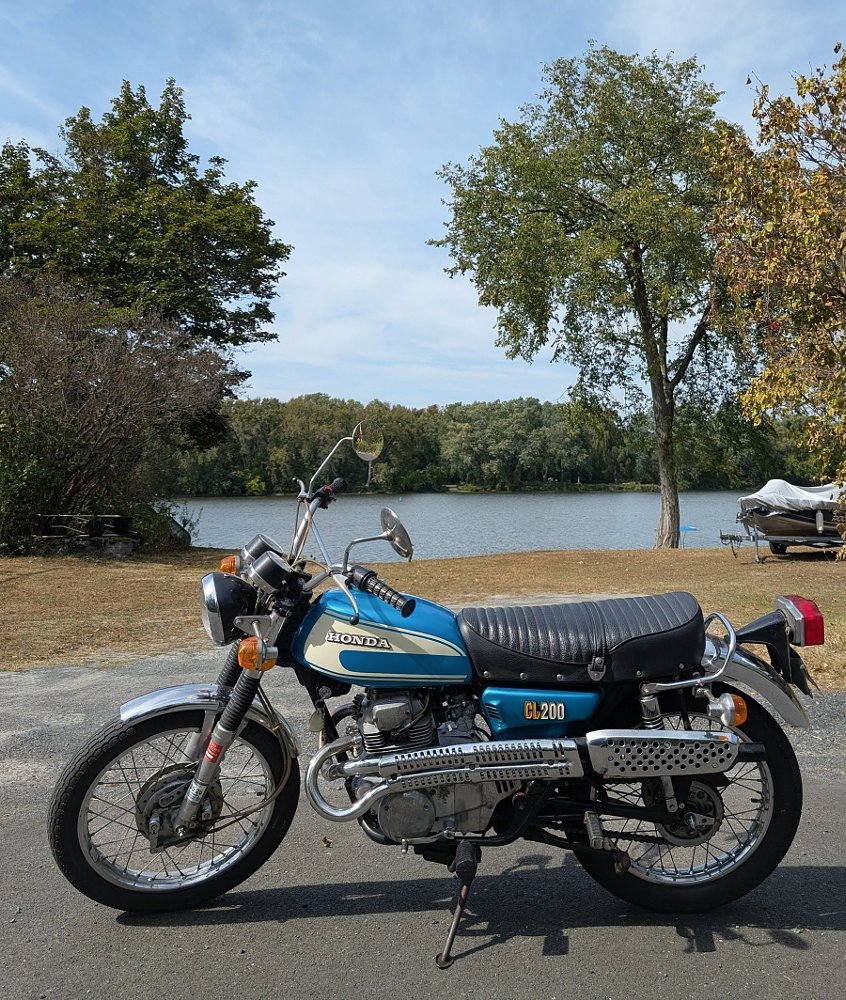
These mini-excursions also force us to be present and focused in the moment. Even familiar roads rarely feel as routine on a motorcycle as they do in a car. At the same time, a routine route is just that: repeatable. That might mean we concentrate on improving our skills, such as improving our line through a challenging corner or working on a steeper uphill stop-and-start. Riding the same old route doesn't have to be boring if we use it to measure our skills against the last time, seeking that continual improvement.
Brief motorcycle outings also help us interrupt digital overload, and we may be less compelled to document them than longer trips. Social media has affected how we frame our rides. A route can seem more valuable if it's photogenic or remote enough to post on Instagram. Local roads may be less likely to go viral, even though they are the ones we know most intimately, because we take them for granted or don't bother capturing them.
Maybe that's why "riding is riding" resonates with me. Not because every ride is equal, but because every ride gives us something different. The big ones lead to stories we tell for decades and share in our feeds. Others are known just to us and simply make our daily lives better.
Image Gallery