Shop by Vehicle
 Track Order
 Contact Us
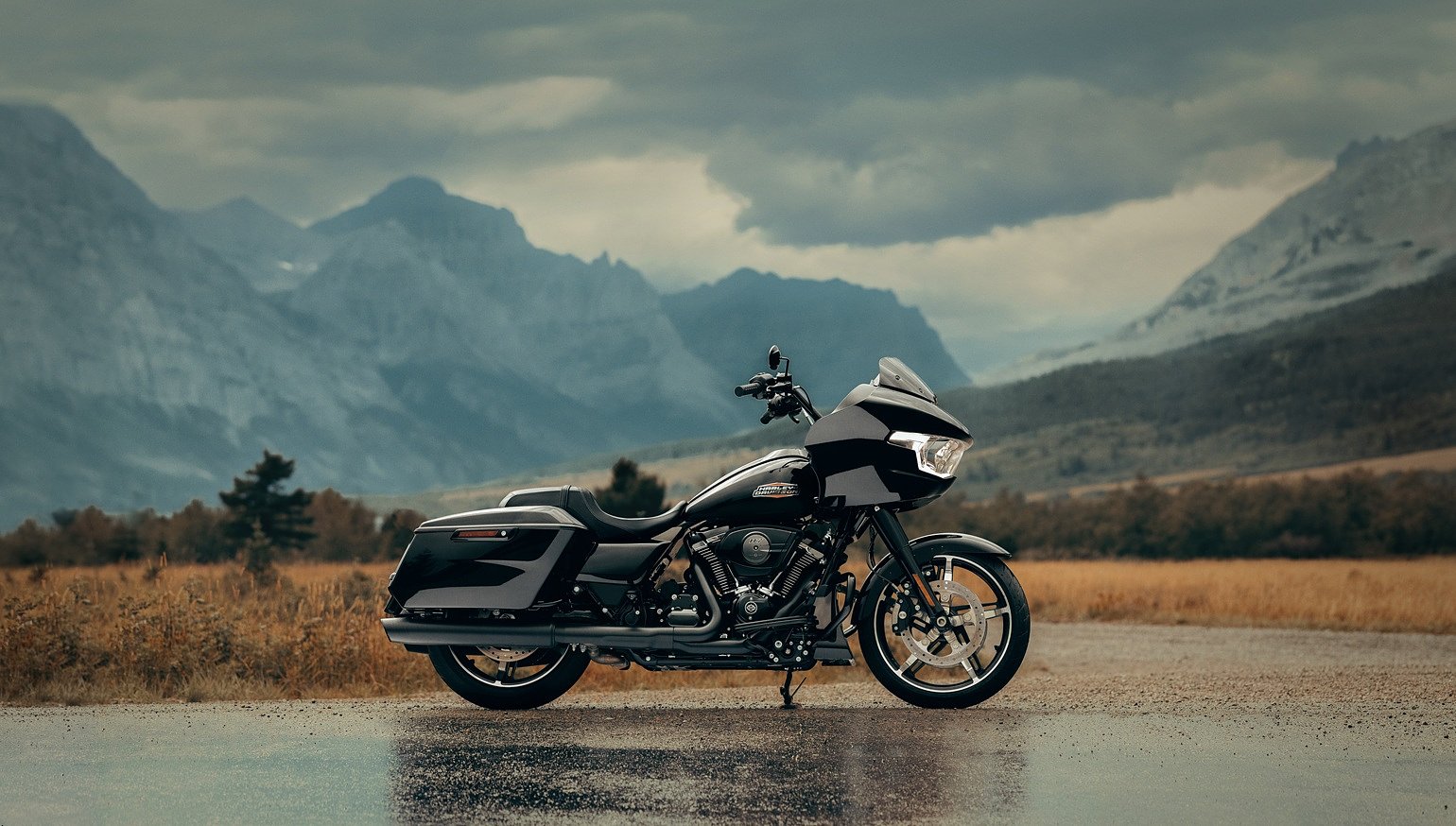
Barring an unexpected last-minute change of direction, motorcycles built in the United States will be slapped with a 50% retaliatory tariff in Canada starting Tuesday. Does it really matter to the U.S. motorcycle industry? Is this a threat or just symbolism? Let's look at the numbers.
This is far from the first time that the U.S. motorcycle industry in general, and Harley-Davidson (as the major player in this country) in particular, have been caught up in trade wars. Most famous were the tariffs the U.S. government imposed on imported motorcycles in the 1980s that helped Harley-Davidson survive after the private buyout of the company by employees in 1982. More recently, the European Union and other countries have targeted motorcycles as part of their response to tariffs imposed by President Trump. Now, with Trump imposing new tariffs on a range of goods from Canada, and the Canadian government fighting back with retaliatory tariffs, the U.S. motorcycle manufacturers are again becoming targets.
Internal-combustion motorcycles over 800 cc in displacement are on the list of 874 U.S. products that will now be subject to a 50% tariff. A 25% rate was applied in the previous round of tariffs and retaliation. Of course that category covers every motorcycle built in the United States by the two significant domestic manufacturers, Harley-Davidson and Indian. So is that significant or just symbolic?
Indian has not released numbers in the past on how many motorcycles it sells in Canada, and the company is even less likely to do so now that it's privately held. In its annual report for 2025 filed with the Securities and Exchange Commission (SEC), Harley-Davidson reported retail sales of 6,434 motorcycles in Canada last year, down from 7,093 in 2024. That amounted to 4.9% of the company's global unit sales in 2025. So the numbers are small — about a third and a fourth of the number of units Harley-Davidson sold in Asia and Europe — but not entirely insignificant.
And the impact of the increased tariff won't be immediate, of course. Inventory already in Canada won't be affected. And potentially, at least, Harley-Davidson could try to import to Canada its motorcycles built outside the United States, if the trade disputes drag on. Still, it's one more headwind for the company.
Is this more about politics than motorcycles?
Why are motorcycles targeted, anyway? After all, they represent a tiny amount of U.S.-Canada trade. And it's not like there's a major Canadian motorcycle manufacturer (or even a minor one) competing with Indian and Harley-Davidson and asking for protection. Sure, there's the symbolic aspect. As we've seen before, iconic "American" goods such as big motorcycles and bourbon have been targeted in trade disputes. But there may also be a political calculation here, too.
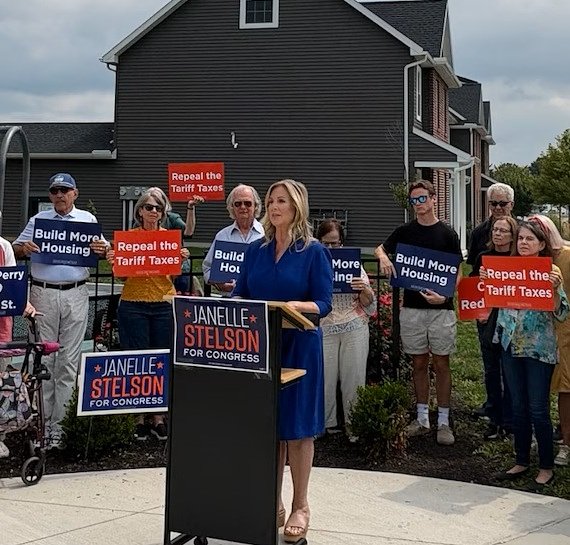
The biggest political drama currently playing out in the United States is which party will control Congress after the mid-term elections in November. Two years ago, one of the closest Congressional races in the country was in the 10th district of Pennsylvania, where Republican incumbent Scott Perry got 50.6% of the vote and narrowly beat Democratic challenger Janelle Stelson with 49.4%. Those two are facing off again and Democrats see the seat as one of the most likely ones they could flip.
So what's the relevance of the 10th district? It just happens to include York, Pennsylvania, the site of Harley-Davidson's huge assembly plant. Around 1,000 employees work there and they all have friends and families, and other local businesses depend on Harley-Davidson. That covers quite a few likely voters. Perry has been supportive of Trump. Stelson has been critical of tariffs. If the tariff wars begun by the president are seen by York voters as hurting a major local employer, could that shift enough votes to elect Stelson? Could that influence the outcome of which party controls the House of Representatives?
All this might sound like idle speculation or even a crazy conspiracy theory except for one thing. Canadian officials have practically confirmed they are taking such political calculations into consideration.
"We are putting pressure, clearly, on different states and different people," Canada's Minister of Industry Mélanie Joly said in an interview with the CBC, Canada's public broadcaster. "We don't want this trade war. We didn't start it... We don't want to do this. We have to do this."
Canadian retaliatory tariffs are hardly the biggest or only headache Harley-Davidson management has to contend with, but they're as much a part of the current landscape as Street Glides in Sturgis in August.
Image Gallery