Shop by Vehicle
 Track Order
 Contact Us

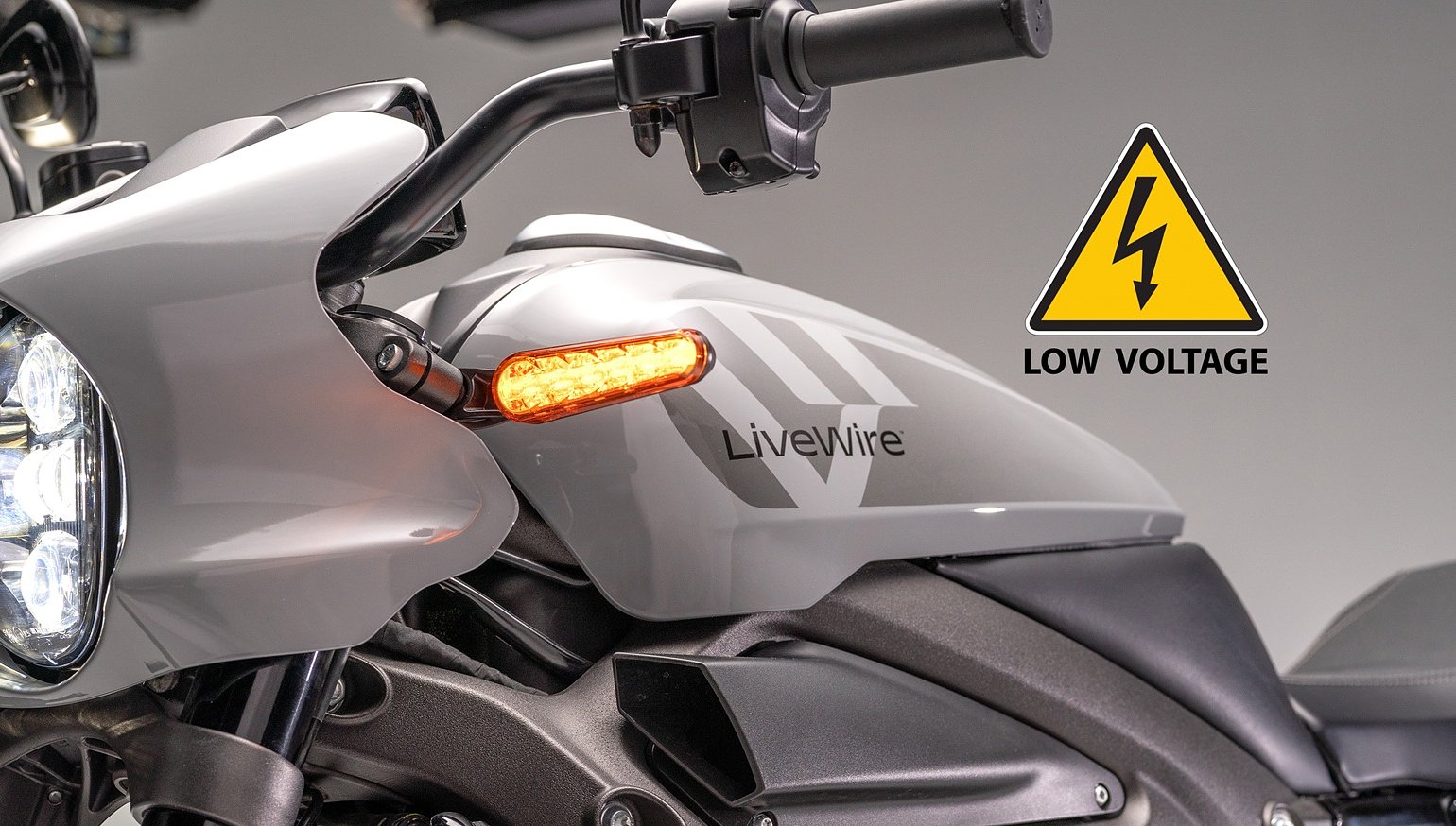
At LiveWire, the CEO resigned last month and a Special Restructuring Committee is trying to determine a way forward as the company runs low on cash. Meanwhile, Energica is reborn with a new set of investors reviving the company. Both companies made some truly good motorcycles but haven't made a profit.
Is it because they're going at this electric motorcycle thing backwards? And if so, does that mean Energica 2.0 is destined to fail like the first version did? And LiveWire is now doing the right things, but it could be too late?
I think there's an argument to be made that the two companies did get it backwards.
Where we are, how we got here
To get you up to date, LiveWire CEO Karim Donnez resigned on Oct. 21, effective immediately, and the Board of Directors created a Special Restructuring Committee to consider options for restructuring or selling the company, raising new capital, or other changes. In its quarterly report issued a few days later, LiveWire reported an operating loss of about $18 million for the quarter, which is consistent with its recent past results, and it reported having about $40 million in cash. Total losses for LiveWire are now above $350 million.
With steady losses threatening to use up the last of LiveWire's cash, the company issued a "going concern" notice, which is required of publicly traded companies when there's substantial doubt they'll be able to stay in operation for the next 12 months.
Harley-Davidson still owns almost all of LiveWire but CEO Artie Starrs has said before and reiterated recently in the conference call with financial analysts about Harley-Davidson's quarterly results that the mother company won't bail out LiveWire.
"It's consistent with what I've said over the last year," said Starrs, in response to a financial analyst's question. "We don't intend to fund the operating losses of LiveWire going forward. The team there has been working on other forms of capital and what's been announced has been announced."
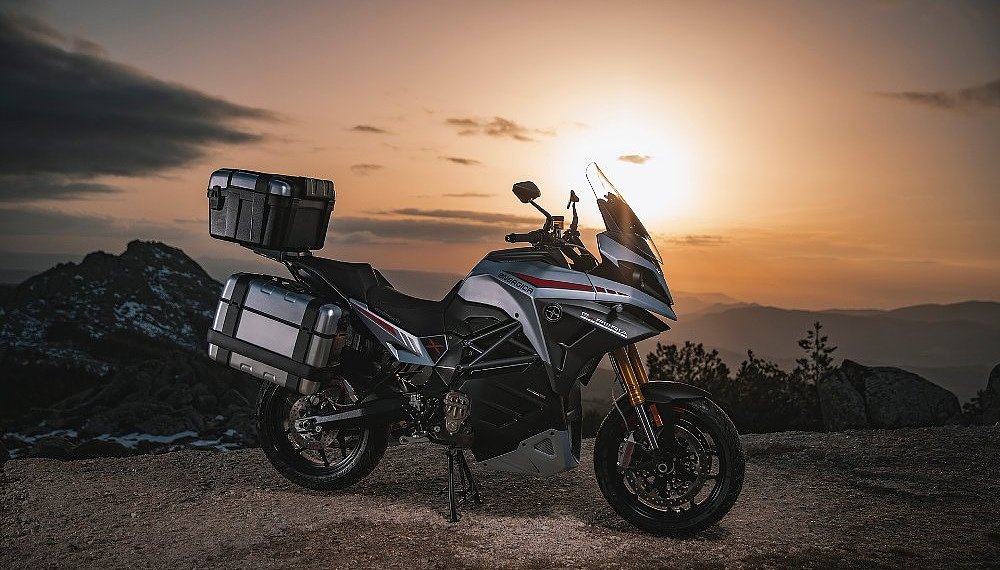
Meanwhile, the other news was the return of Energica, the company that produced some truly high-performance electric motorcycles and supplied bikes to the MotoE series that ran in conjunction with MotoGP and went out of business in 2024 under the ownership of a rather unstable U.S. corporation. A news release said a group of international investors based in Singapore bought the liquidated company, retained key personnel in Italy, and would follow the Italian-Asian model other motorcycle manufacturers have adopted.
"Motorcycle production is moving to Asia, while design, engineering, research and development, and responsibility for technical and quality standards will remain in Italy," said the statement. "Every motorcycle will continue to be built to Energica specifications under the supervision of the Italian technical team, but with a leaner manufacturing model and a lower cost base. This will significantly reduce manufacturing costs and allow motorcycle prices to fall by approximately 20% compared with the past, while preserving the brand’s identity and technological standards."
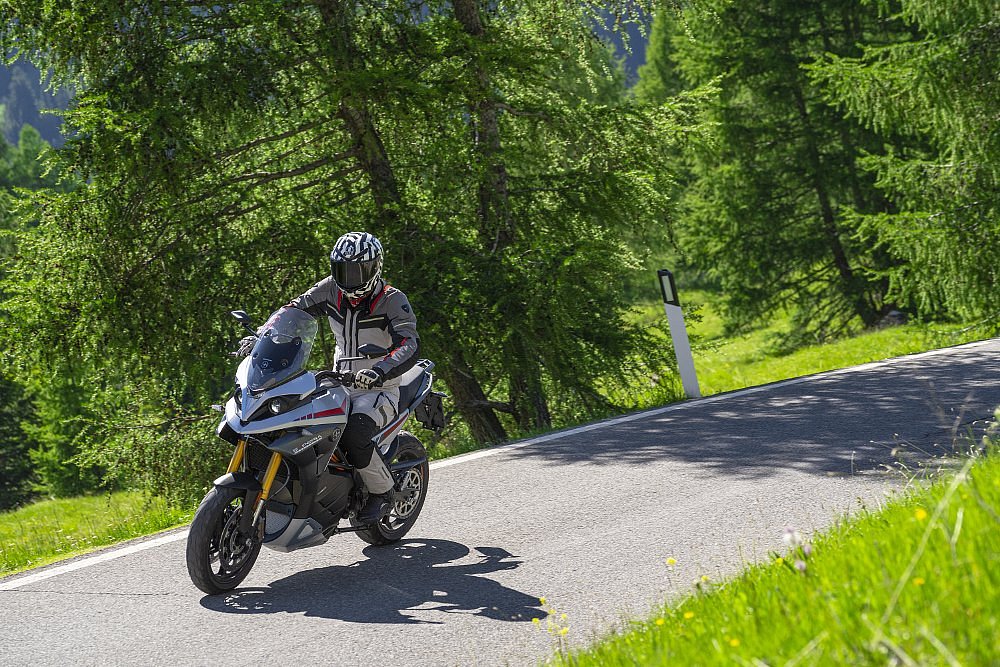
There is no plan for changing Energica's strategy, however. Instead, "The new Energica has a clear goal: to preserve what has made the brand unique while building a stronger, more efficient and competitive business around that legacy." The company plans to resume production of the same four models Energica was selling when it went under, all of which then cost more than $20,000. While there were promises of future upgrades to improve performance and reliability, there was no mention of new models.
And that brings me to my main question.
Did LiveWire and Energica get it backwards?
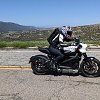
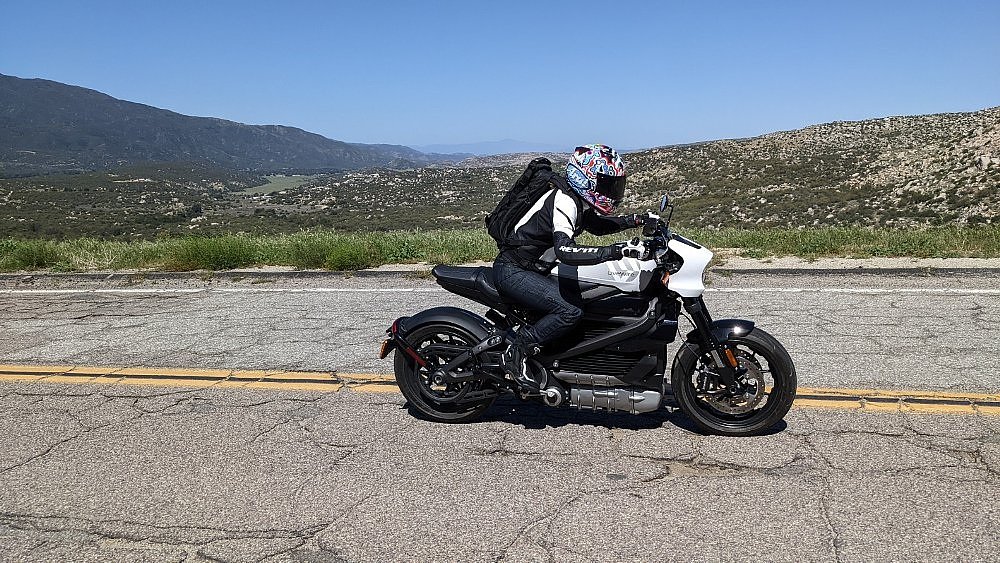
Before it was spun off as a separate brand, LiveWire was a motorcycle: the Harley-Davidson LiveWire, a technological show of force first shown to consumers in a splashy road show in 2014 and eventually on sale in 2019 for $29,799. After LiveWire was spun off as its own brand, the flagship model became the LiveWire ONE and the price was cut several times. Today, you can buy essentially the same motorcycle for $13,999, which shows that sales aren't exactly strong.
Those sales probably haven't been helped recently by a popular series of videos on the Bikes and Beards YouTube channel. They bought a non-running original LiveWire for $3,500 and the subsequent videos have amassed more than six million views as, despite extraordinary help from EV experts and a Harley-Davidson dealership, they have struggled so far unsuccessfully to get the bike running.
Like Harley-Davidson, Energica started at the top of the market, with expensive, high-performance motorcycles. And the new ownership is sticking to that plan.
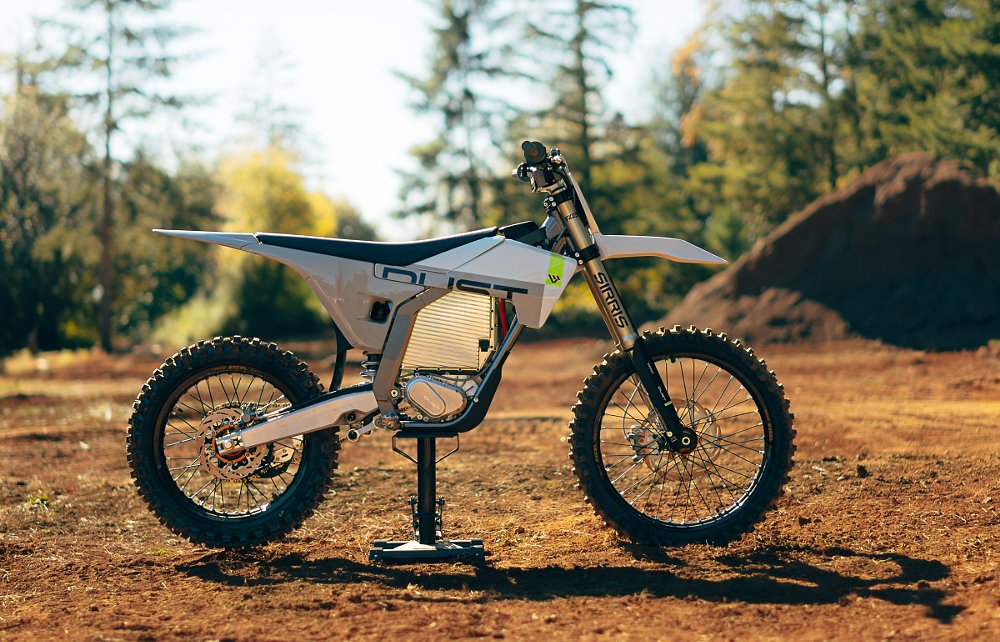
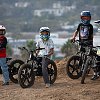
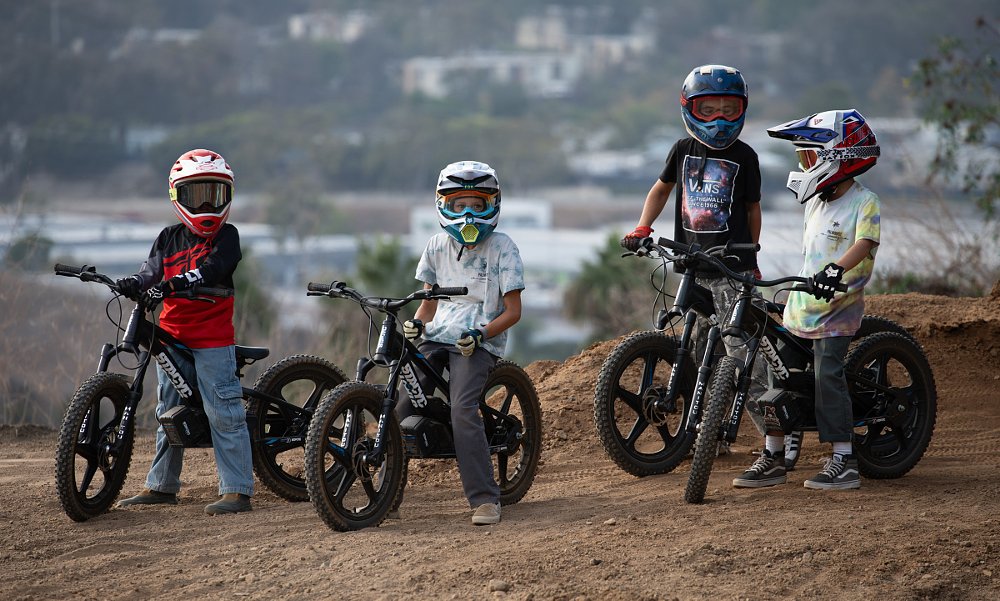
But what if that's backwards? Sure, a few enthusiastic early adopters snapped up those electric sport bikes, price be damned. But sales of the LiveWire ONE dwindled to nothing. The S2 series of LiveWire models, which range from $11,999 to $13,999 and were supposed to increase the volume of sales, haven't taken off. Now we have the S4 Honcho and at the EICMA show LiveWire displayed a S4 Skate concept (below) that's even more mini-bike-like, and the Dust Hightail, a dirt bike that's the result of LiveWire's acquisition of Dust Moto. Also coming is the Dust Spur, a smaller off-road bike for kids.
That brings me to my main question: What if LiveWire had started with something like the S4 Honcho or the Dust Hightail instead of a $30,000 technological showpiece? Would the company have grabbed a lot of those sales of Surrons and Talarias that represent the segment where electric motorcycles have really gained traction? What if the focus had been on building a ladder by selling the company's StaCyc balance bikes, then a small off-road bike like the Spur as a step up, then a Honcho for street-legal use when the customer gets old enough to have a license?
And my secondary question: Will Energica be able to do the same thing it did before and achieve a different result? I personally don't think a 20% price cut will do it. The problem with the Energica models wasn't that they were bad motorcycles. It wasn't that they were 20% too expensive. It was that there's a very limited audience for a really expensive motorcycle that you can ride for an hour and a half and then spend nearly an hour recharging.
Then there's patient Zero
While Zero Motorcycles has its own challenges, I feel like it's a company that's reading this room and reacting appropriately. It started out building small, even spindly, electric motorcycles and gradually moved upscale, producing bigger, more powerful, more expensive, more sophisticated models, culminating with the DSR/X adventure bike. But in the few years since the DSR/X was introduced, the trend has changed. The California-born and -based company has relocated its headquarters to Europe, where EV adoption is higher, and its newest X line of motorcycles is the kind of lightweight, less expensive, off-road models that are actually selling in numbers.
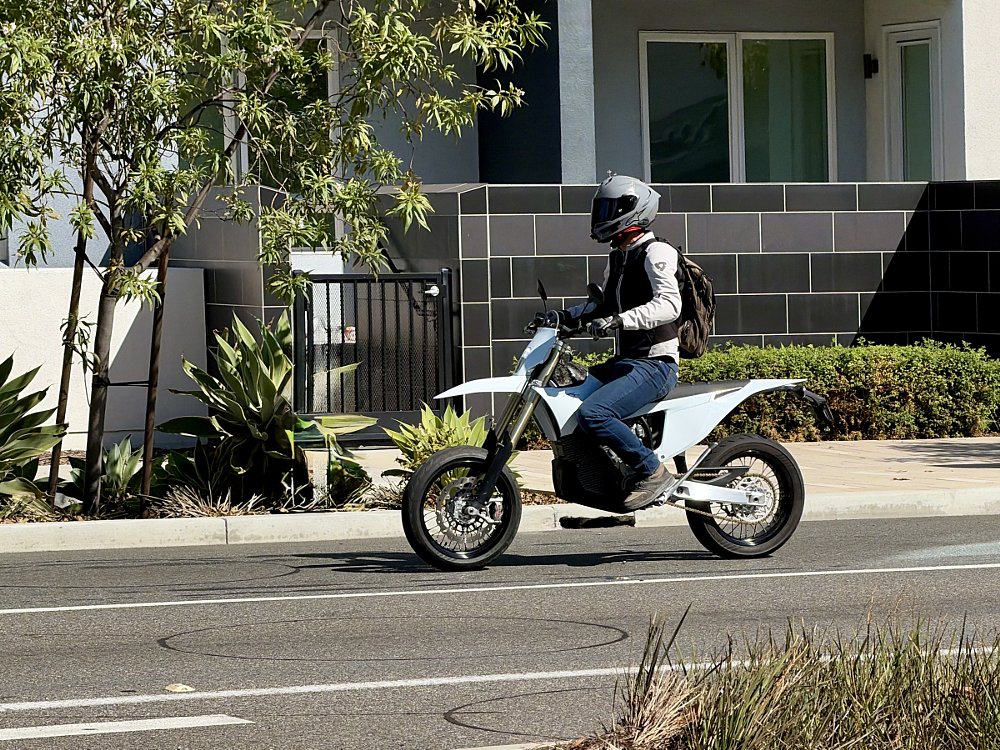
Continuing the trend of going smaller, at the EICMA show Zero showed its Project Ventura (below), a supermoto that will fill the gap left by the discontinuation of Zero's FX line, only this one looks to be not as fast as the FXE, but even lighter and less expensive. Zero also announced just what some people have been asking for: a version of its XE off-road motorcycle that's street-legal in North America, as it is in Europe. Zero also sells two step-through scooter models in Europe.
A $30,000 flagship makes impressive horsepower. So far, those bikes have not made for impressive sales figures. LiveWire always planned to start at the top and work its way down to affordable, smaller models. The question is whether it will survive long enough to execute that plan. Maybe it should have reversed it, instead.
Image Gallery