Shop by Vehicle
 Track Order
 Contact Us
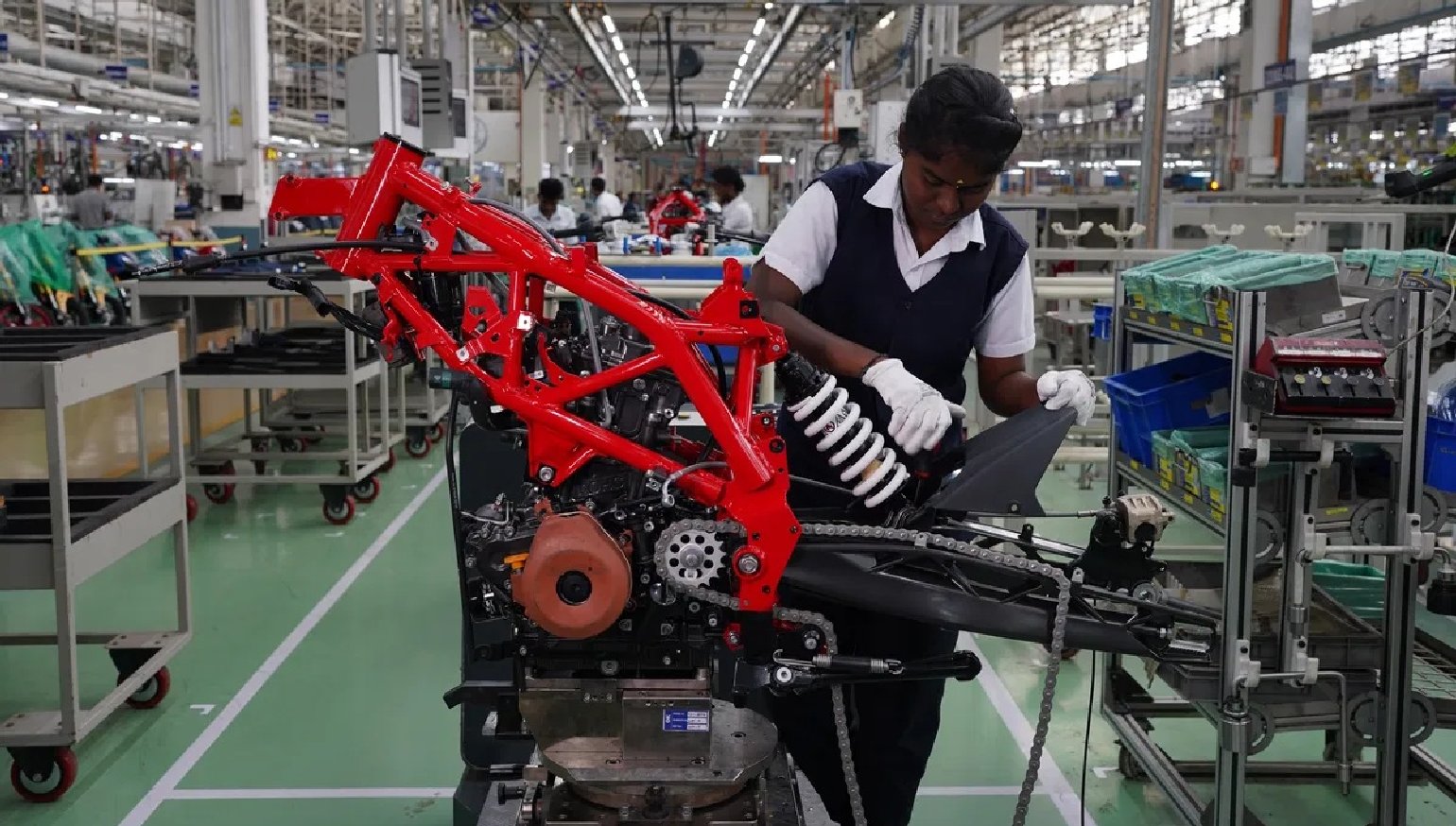
For decades, India's role in the global motorcycle industry was simple: build bikes cheaply, in huge numbers, for its own domestic market. The machines were small, basic, and designed for short commutes, overflowing traffic, brutal heat, bad roads, and relentless daily use. Whatever survived India was considered durable. Whatever failed was quietly forgotten.
What's changed is how much the rest of the global motorcycle industry now depends on India. Today, India is no longer just a manufacturing center for domestic consumption. As the world's largest motorcycle market and home to multiple manufacturers, it has the lower labor costs, manufacturing capacity, and supply chains needed to make building motorcycles less expensive than in Europe or the United States. That combination has also made India not only a motorcycle manufacturing center, but also an important proving ground for the next generation of lightweight motorcycles sold globally. New sub-500 cc machines flowing into American showrooms may wear European badges, but many of their core platforms were validated, stress-tested, refined, and built at scale thousands of miles away on Indian pavement and in Indian factories.
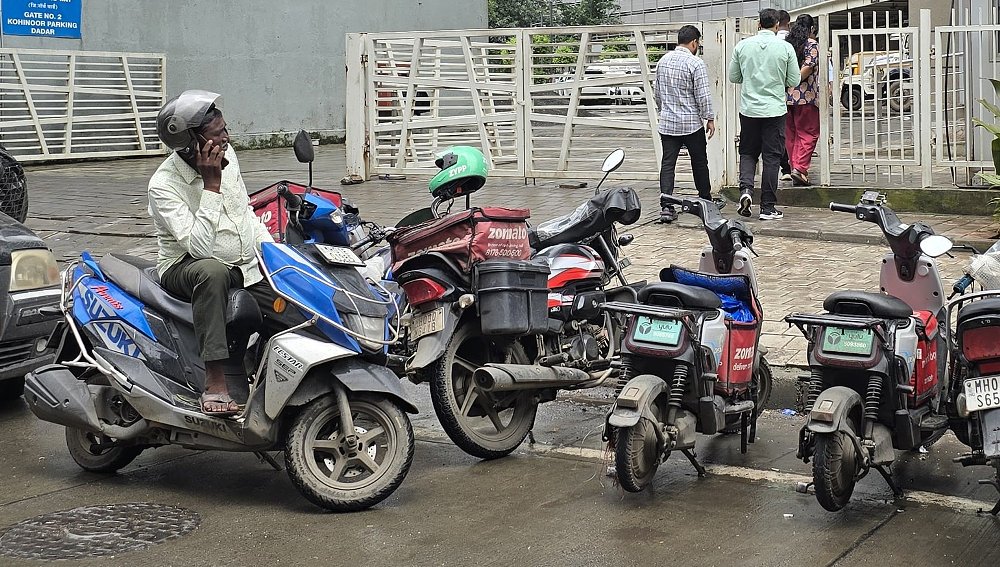
Motorcycles in India experience a combination of punishment few other markets can match. Heat regularly exceeds 110 degrees Fahrenheit. Traffic is constant. Fuel economy is important. Roads range from modern expressways to broken tarmac, dirt, gravel, and construction dust, sometimes all within the same mile. Riders carry passengers, cargo, and families. Maintenance intervals are stretched. Everything is a stress test.
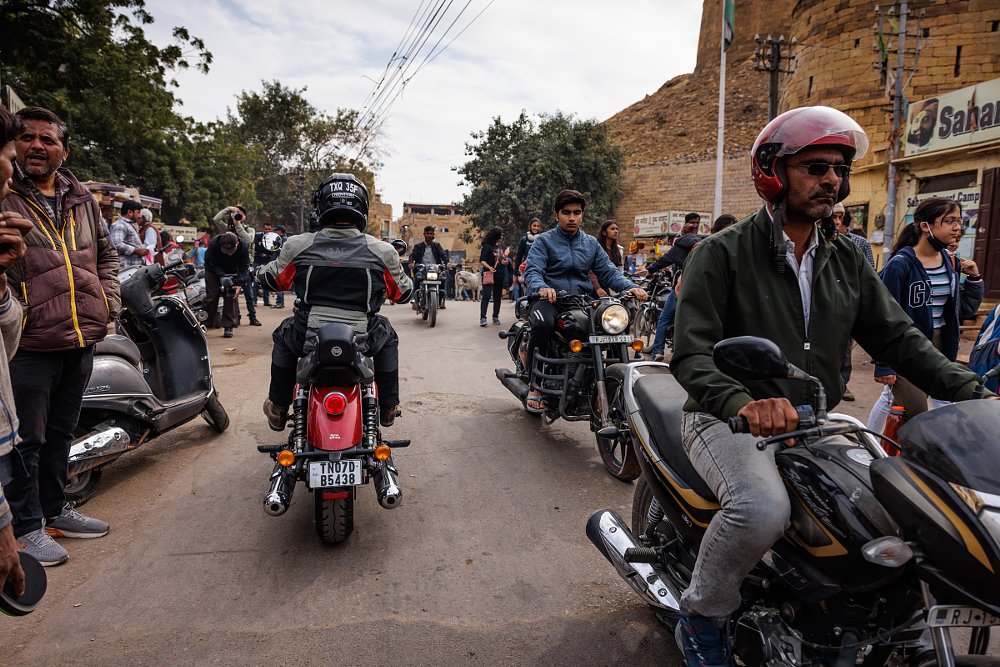
A motorcycle built for India must tolerate prolonged idling in extreme heat, exposure to dust and to water during monsoon seasons, frequent starts and short trips in stop-and-go traffic, heavy loads, and inconsistent fuel quality. Everyone knows more manufacturers are building motorcycles in India to reduce expenses, but also, as a result, these engineering concepts are being tested in India's harsh, real-world conditions.
It's all part of India's growing role in the global motorcycle industry.
Case study 1: Royal Enfield and the global 450 platform
Royal Enfield's transformation from a niche heritage brand into a global middleweight force is one of the cleanest examples of India-led platform thinking and the new Himalayan illustrates the shift.
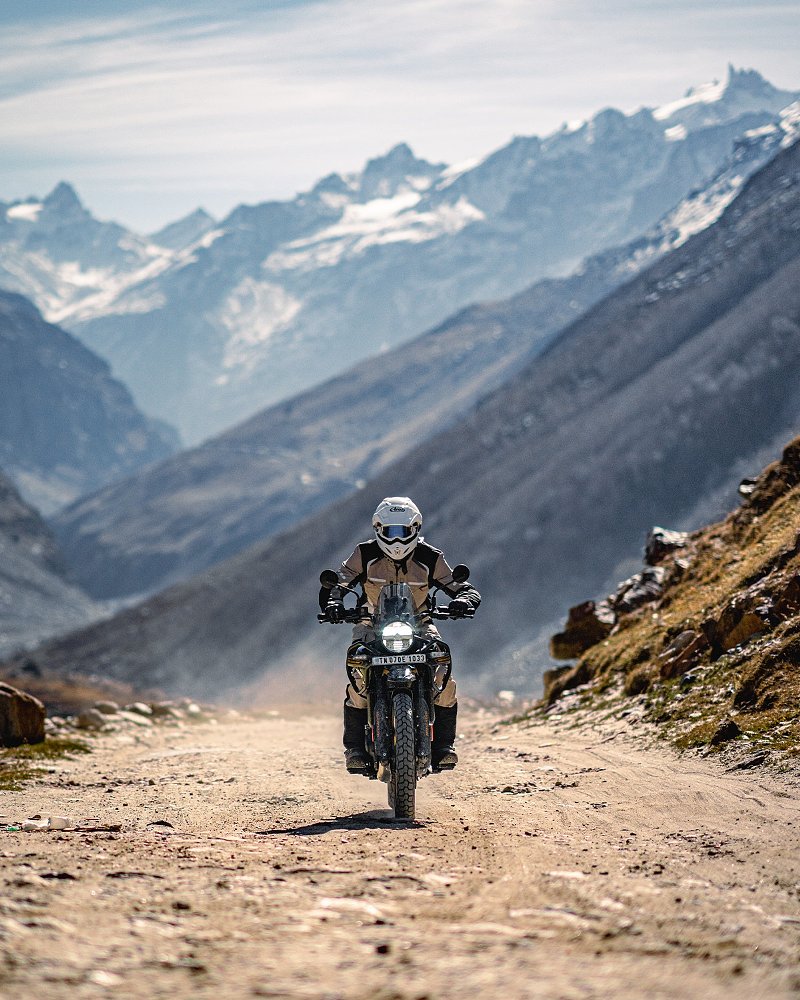
The old Himalayan 411 was charming and capable, but it was slow, heavy, and underpowered for highway use in places like the United States and Europe. Instead of simply revising that engine, Royal Enfield built an entirely new liquid-cooled 450 platform from the ground up. The Himalayan 450 that emerged is not just an Indian adventure bike. It is clearly designed with global markets in mind.
Power output rose significantly. Electronics arrived with traction control and ride-by-wire throttle. Chassis rigidity improved. Thermal management became sophisticated enough for sustained highway operation. Suspension travel is now competitive by global standards.
What's critical is where this platform was developed: India. Royal Enfield's engineers designed the Himalayan 450 to be a global motorcycle, one that had to meet Western expectations for performance while surviving daily use in far harsher conditions. Indian riding environments provided a relentless proving ground for cooling, durability, and drivability before peak horsepower became the primary focus. The result is a bike that can handle American highways and meet Western performance expectations as well as withstand Indian riding realities because it was designed for both, rather than being built for the domestic market and adapted for export after the fact.
And the Sherpa 450 engine in the Himalayan is not a one-off. It is now the foundation for multiple future global models — scramblers, roadsters, and touring machines, many aimed directly at Western buyers.
Case study 2: KTM and Bajaj's global small-displacement network
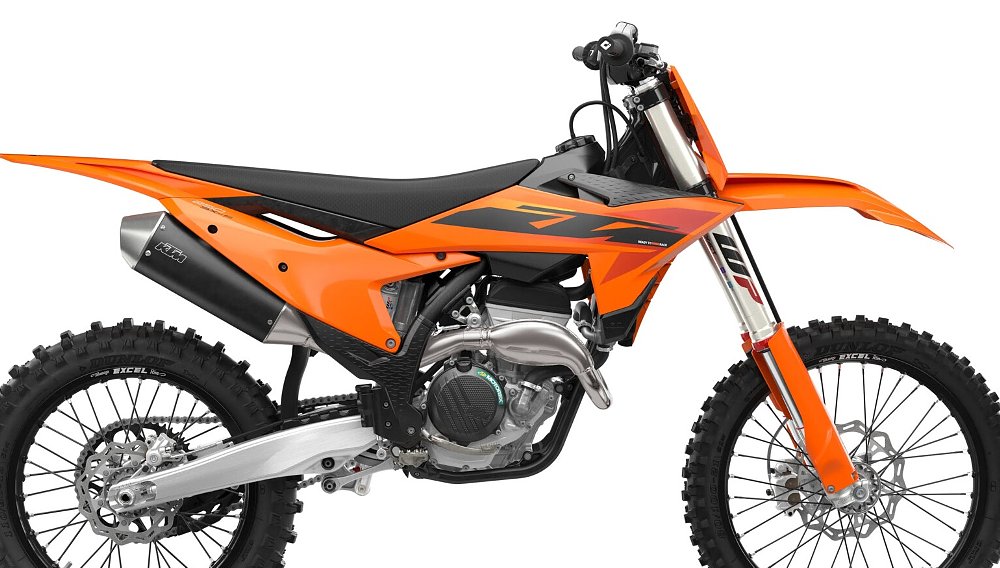
If Royal Enfield represents India's motorcycle industry both expanding abroad and moving into more premium categories, KTM represents industrial-scale global integration. Bajaj Auto builds nearly the entire global lineup of KTM's small-displacement motorcycles in India, including the 125, 200, 250, and 390 Duke and RC families. The advantage of this strategy lies in scale. India's domestic demand provides a ready market and India's manufacturing capacity and established supply chains allow companies like KTM to build motorcycles in greater volumes and with greater efficiency.
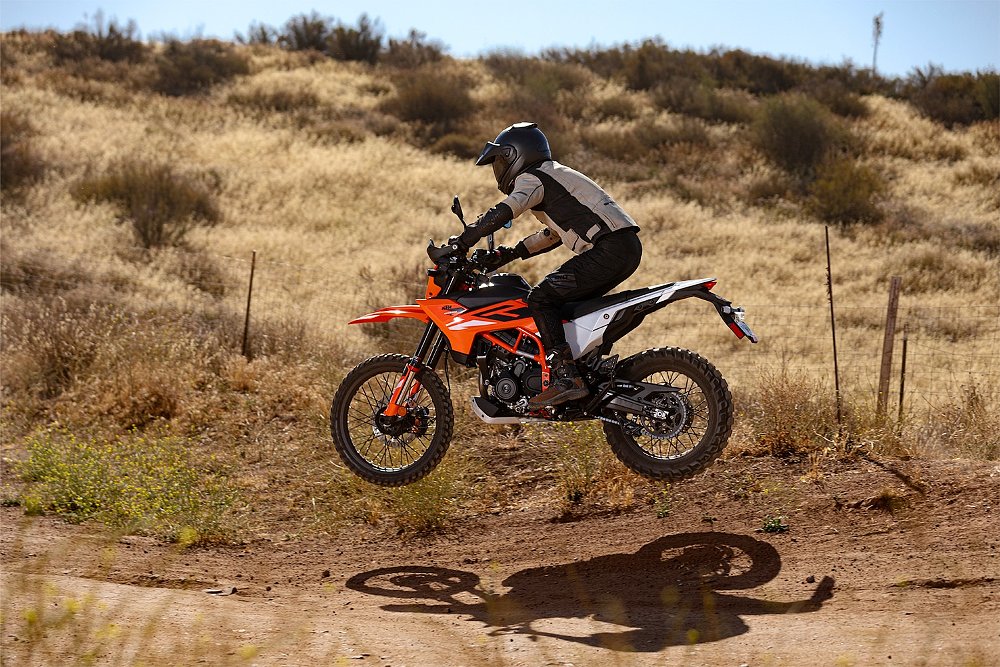
For riders in the United States, Europe, and other developed markets, the biggest benefit has been affordability. Bikes such as the KTM 390 R Adventure deliver modern features, such as a liquid-cooled engine, electronic rider aids, and quality suspension while significantly undercutting competitors on price. None of those features are new, but they haven't always been available at an entry-level price. Indian production volume made it economically viable.
Now, with Bajaj in control of KTM after the Austrian company's financial problems, a new chapter will be written. While the details aren't yet certain, it will definitely mean an even bigger role for Indian companies in the global motorcycle industry.
Case study 3: BMW and TVS — Germany taps India to produce its entry-level line
Perhaps the most symbolic shift came when BMW Motorrad chose to partner with Indian manufacturer TVS to develop its smallest global platform instead of manufacturing in Germany, as it traditionally did. The G 310 R and G 310 GS were developed through a close collaboration between BMW Motorrad and TVS Motor Company, with engineering oversight led from Germany and production handled in India.
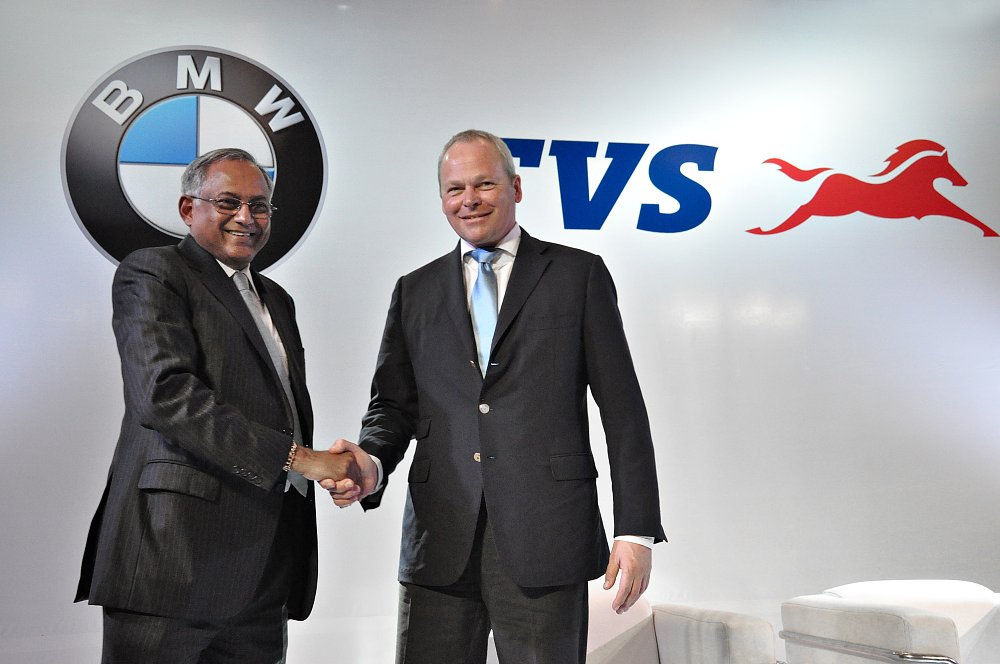
While BMW maintains that the core design and development were completed in Germany, the decision to manufacture the platform in India marked a strategic shift. It allowed BMW to leverage India's manufacturing scale and cost efficiency to create a smaller, more affordable entry point into its global lineup. The result was BMW's first truly global lightweight platform, sold in Europe, the United States, and emerging markets alike. For U.S. riders, the result was access to a genuinely usable BMW-badged motorcycle at price points previously unthinkable.
What it means for riders in the United States
Although these platforms are global, the demands of riders in India are different from what riders expect in the United States. In India, top-speed bragging rights matter far less than heat management, fuel efficiency, tractability in heavy traffic, and affordable maintenance. In the United States, the ability to sustain highway speeds, comfort over longer distances, premium suspension behavior, braking feel, and electronics integration carry much more weight. Vehicle weight, fit and finish, and component quality are also scrutinized differently. As a result, even though these are global platforms, details change from one market to another.
For riders in the United States, the growing involvement of Indian manufacturing has delivered something rare in the modern motorcycle market: better motorcycles at lower prices, without many of the compromises that once defined entry-level bikes. Not that long ago, buying an entry-level bike usually meant getting a carbureted, air-cooled engine and bargain suspension and brakes. Today's 300-to-450 cc motorcycles are liquid-cooled, fuel-injected, electronically managed, emissions-compliant, and capable of real touring duty. This is possible because costs are spread across multiple continents and massive global volume and India's lower manufacturing costs allow manufacturers to refine platforms and remain profitable.
For U.S. riders, the end result is simple: accessible motorcycles that no longer feel like compromises.
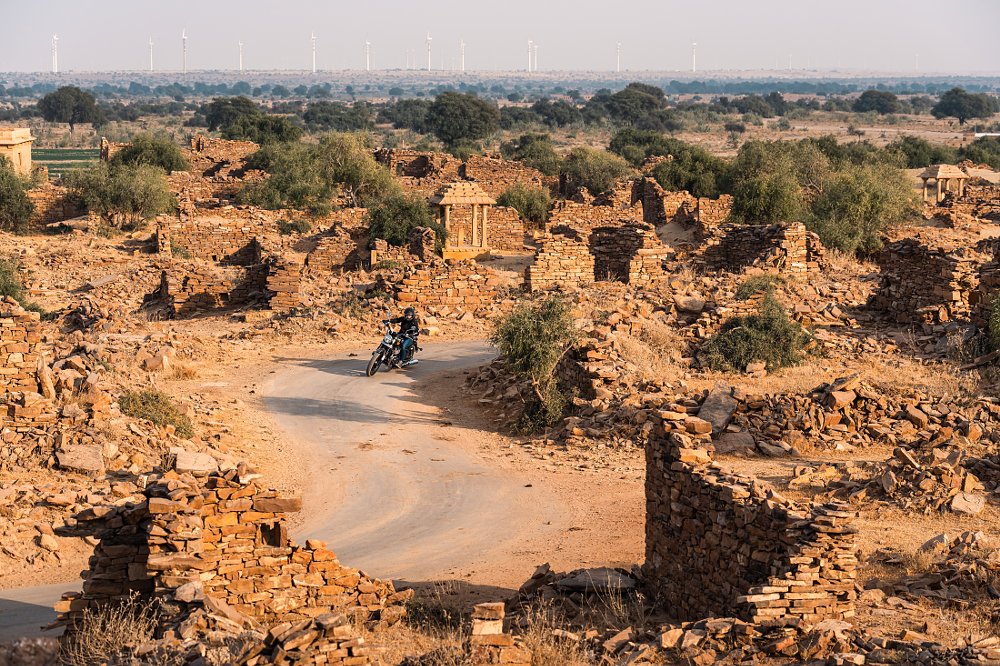
In my opinion, the most significant shift is philosophical. India is no longer merely a place where motorcycles are built cheaply. It has become a place where lightweight motorcycle platforms are validated, refined, and made viable at global scale.
Engineering and manufacturing centers in Chennai and Pune now play a critical role developing lightweight motorcycles sold from Los Angeles to London and beyond. What survives continuous usage in India thrives everywhere else.
As emissions regulations tighten, cities densify, and new riders enter the sport through smaller machines, the center of gravity has shifted. The global motorcycle industry still designs big bikes for open roads, but it increasingly perfects small ones in India first. And quietly, without much fanfare, the world now rides on what survives here.
Image Gallery