
 Shop by Vehicle
 Track Order
 Contact Us
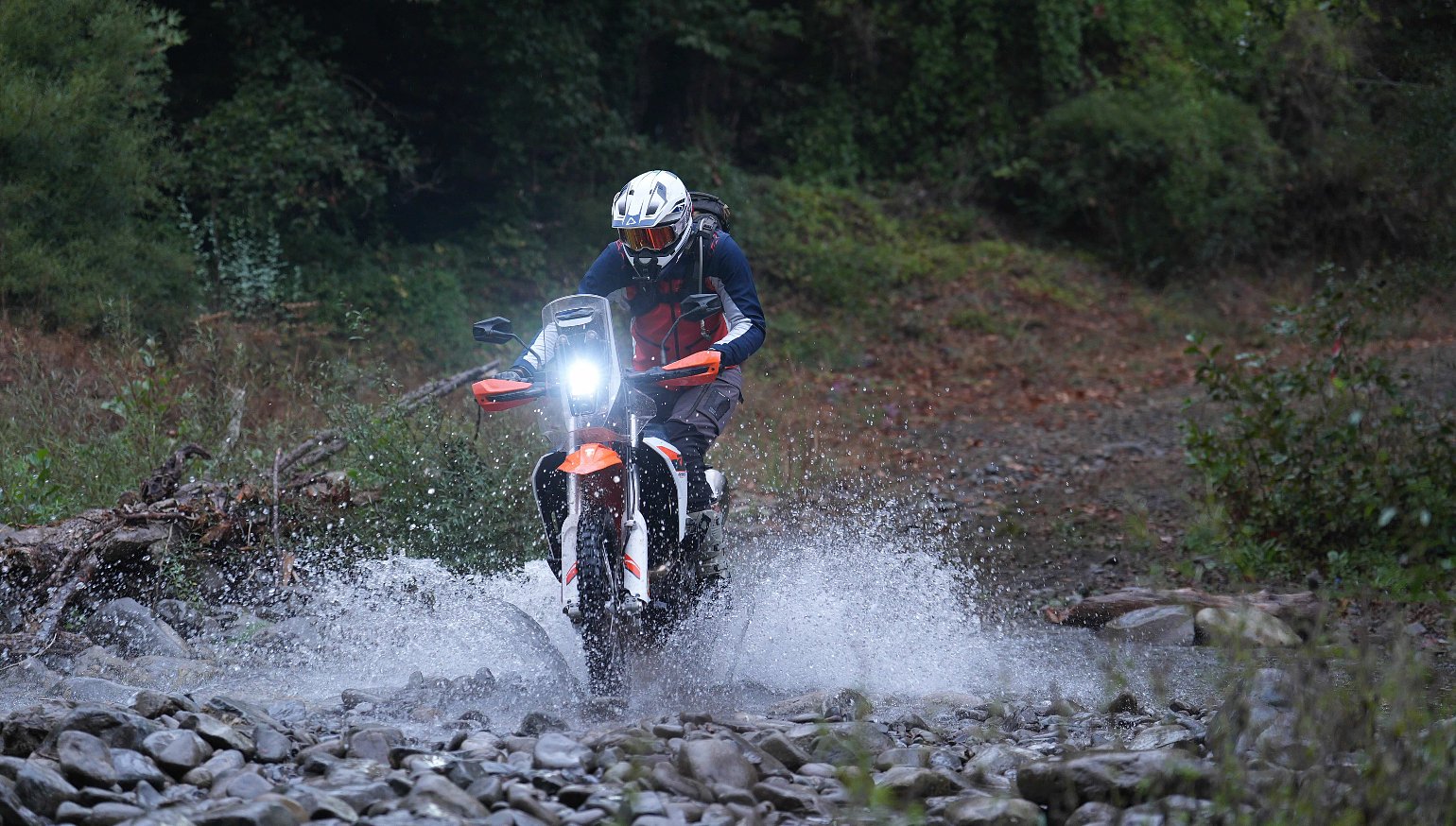
Earlier this year, I spent four days and hundreds of miles on KTM’s 690 Enduro R. At the end of it, I wished for a few things. A few days after we published my article, KTM announced the new 690 Rally and one of my wishes came true at that moment. A windshield. How different a machine the Rally would prove to be in practice, we had to wait and see.
But, not very long. The crew in Mattighofen invited Common Tread to the wilds of Greece to test the new 690 Rally and, since I had recently bragged about all of the time I spent on the 690 Enduro, my hand was practically raised for me. After 14 hours of flying, two passport checks, and a few hours in a van, I was face to face with the latest KTM Rally model.
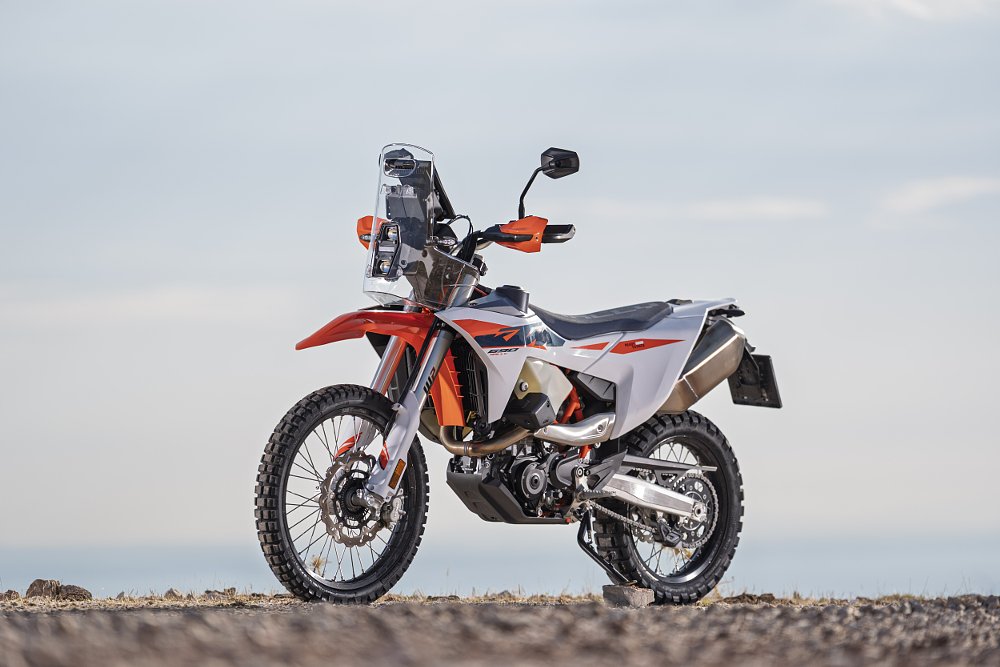
My lovely podcast co-host Spurgeon, owner of a KTM 890 Rally, is still fuming that KTM have taken the Rally name in vain. The new 690 isn’t a true Rally model, he says, because it isn’t frosted with the requisite equipment befitting of the moniker — that is, the fanciest of fancy suspension components and at least a dusting of Akrapovič exhaust parts.
He might be right. KTM’s own press materials say that the 690 Rally is “positioned as the spiritual successor to the iconic KTM 640 Adventure.” Why isn’t it called the 690 Adventure R, then? KTM’s marketing team says the name is more a reference to the culture around adding tall, narrow windscreens and extra fuel capacity, like so-called “rally” kits.
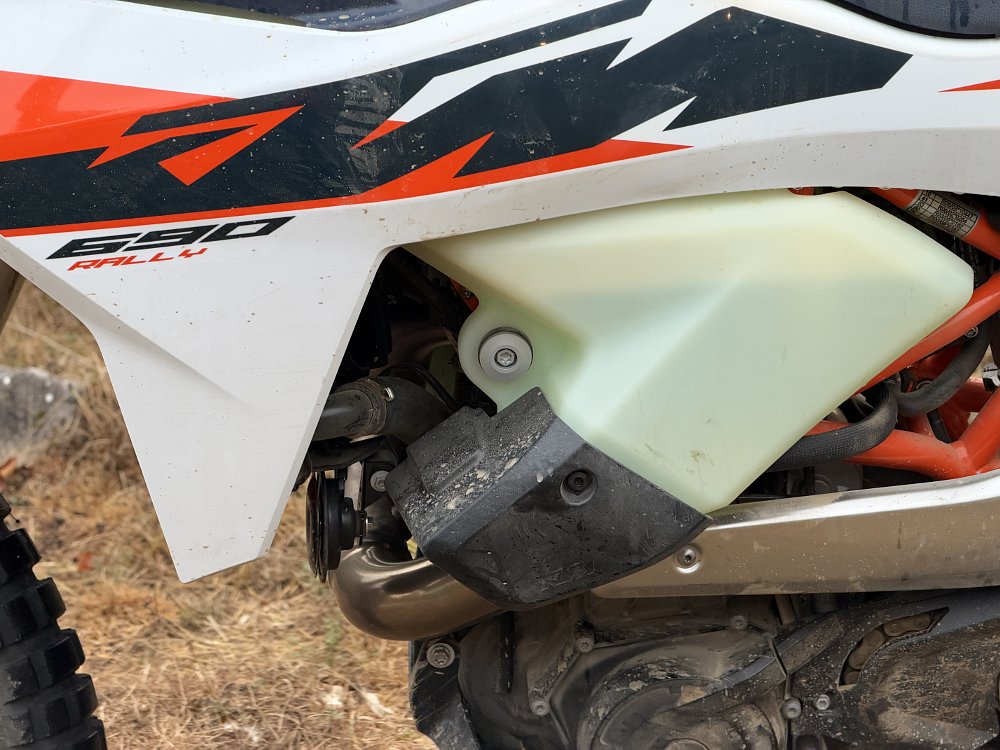
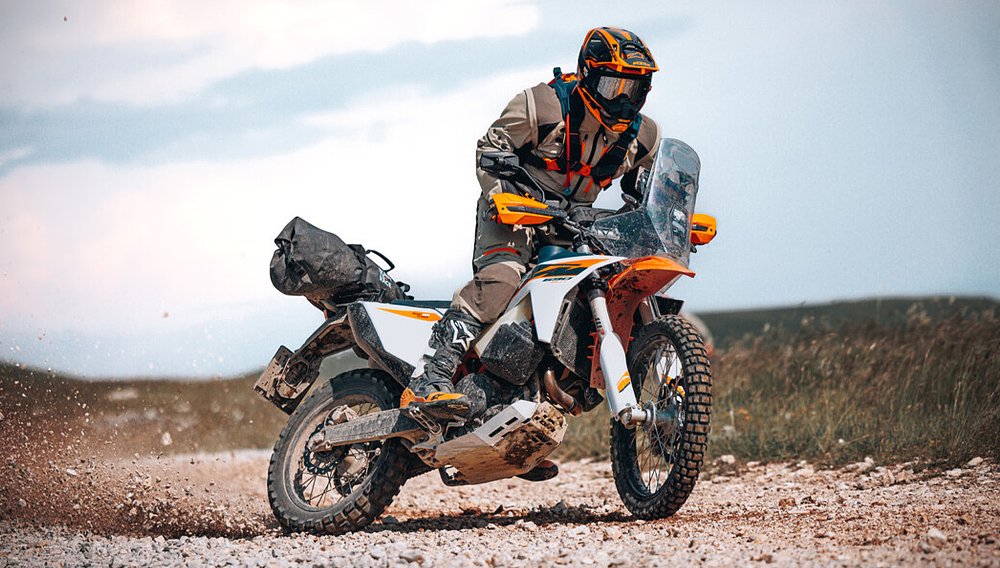
In Spurg’s defense, the differentiators between the new Rally and the updated 690 Enduro R that I rode this past summer are not exactly overwhelming. Aside from a new headlight unit and windscreen, the big ticket items are the two (!) additional fuel tanks mounted at the front of the bike. They add a claimed 1.84 gallons of fuel capacity, for a total of nearly 5.3 gallons, including the 690 Enduro R’s standard under-seat capacity of just under 3.5 gallons.
If you were to climb up on the saddle with a blindfold on, you would have trouble telling it from the 690 Enduro R. The two bikes share the same, 36.8-inch seat height with the same seat unit, and the same handlebar position. If your feet are blessed with princess-and-the-footpeg feel like Rally Dunbar, you might notice that the newest 690 has larger, more aggressive footrests.
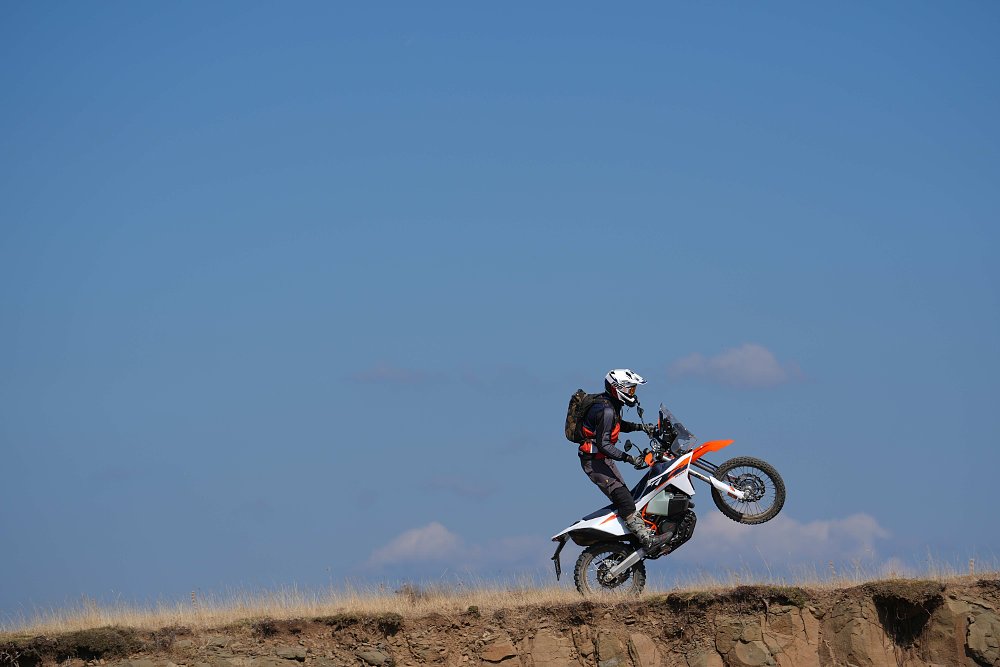
Open your eyes and the changes will be more clear. The vertical windscreen and front subframe are prominent, and a glance down will reveal two obvious fuel caps for the front-mounted tanks. If you poke around a little more you’ll spot the rocker switch on the left handlebar for toggling between front and rear fuel tanks, a 12-volt socket in the right side of the tower behind the windshield (in addition to the standard USB-C port that comes on the Enduro R), and closed-loop handlebar guards to bolster lever and hand protection.
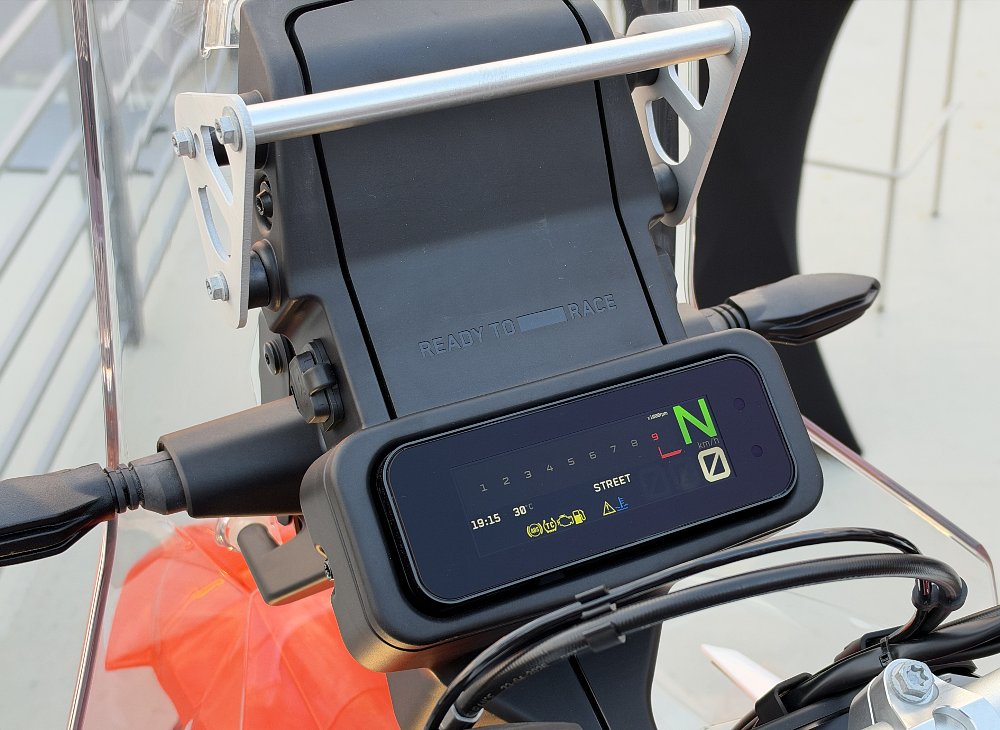
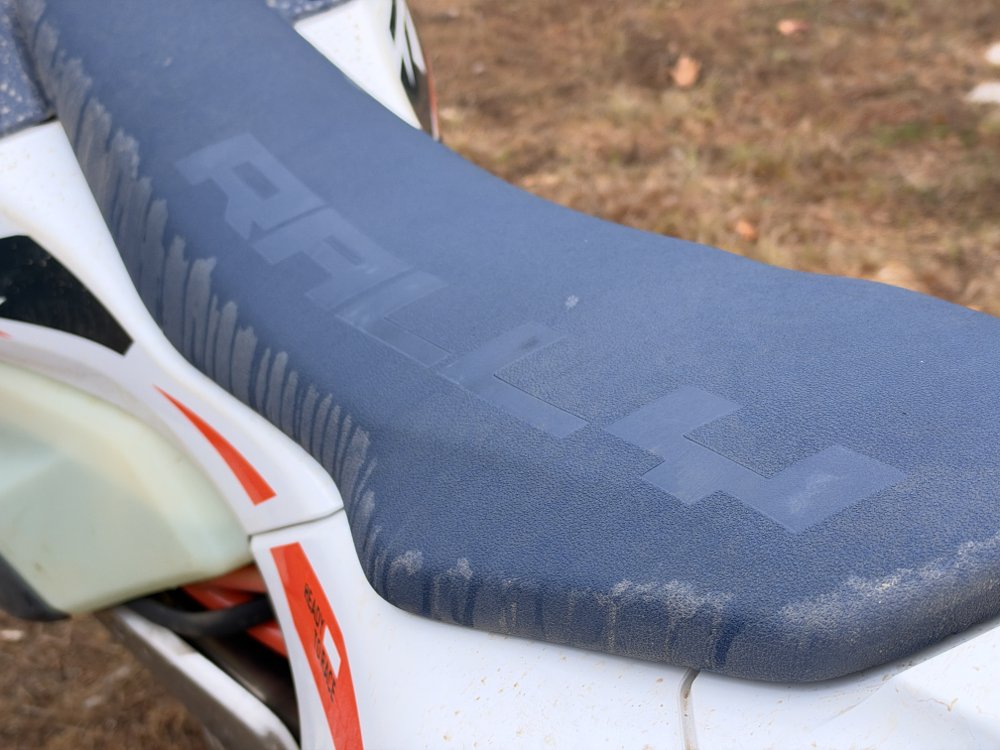
The 690 Rally’s dash unit is the same 4.2-inch TFT unit from the Enduro R, but KTM calls the surrounding infrastructure a “rally ready cockpit.” The 12 mm mounting bar is designed to hold up to 5.5 pounds (2.5 kg) of navigation equipment or whatever else you care to carry, with plenty of room above the small dash unit and easy access to the power ports. So yes, it’s mostly the same bike, but don’t forget that it says “rally” right on the seat and that has to be worth something.
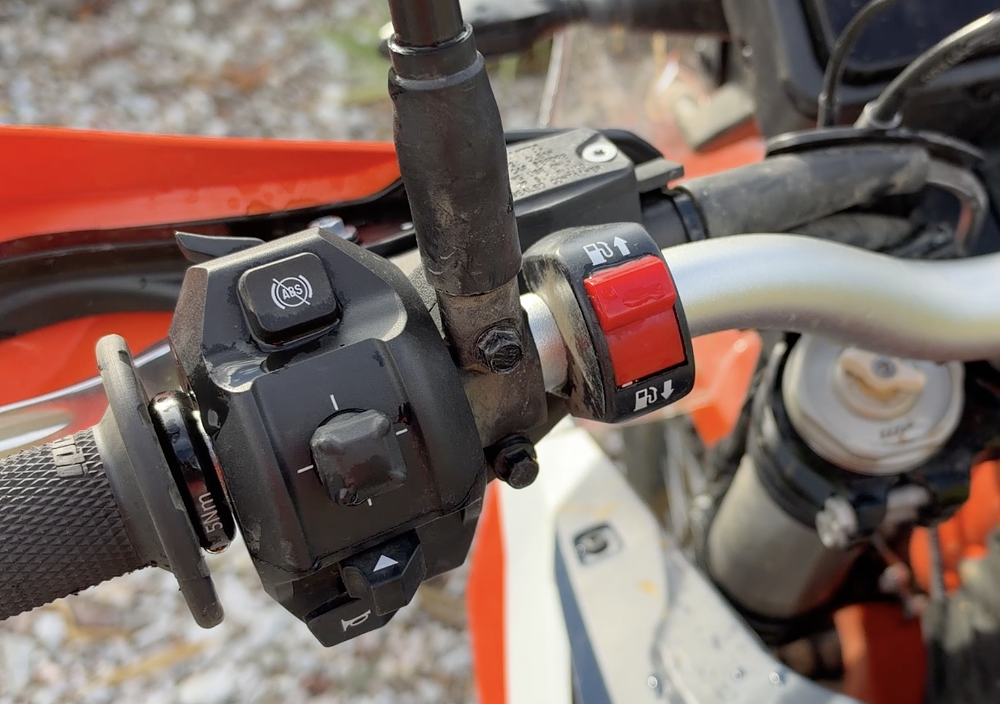
As much fun as it is poking fun at KTM for minimal updates and seeing steam come out of SPURGEON “RALLY” DUNBAR’s ears, I shouldn’t lose sight of what I learned riding the 690 Enduro. In my estimation it was one step closer to, and ultimately not far away from, a truly civilized mid-sized adventure machine. I wished mostly for more comfort — in the form of a windshield, a better seat, and a taller handlebar — when logging miles on pavement.
Rally riding
The 690 Rally test route bolted immediately away from the beach town of Nafpaktos and headed north into the hills, avoiding pavement at all costs. That’s a good attitude to have on a small-ish ADV machine, but one of my biggest curiosities about the 690 Rally was how the windscreen worked on the straight 'n' fast. As luck would have it, I misguided myself onto a straight shot of two-lane asphalt only a few miles from the beginning of the ride.
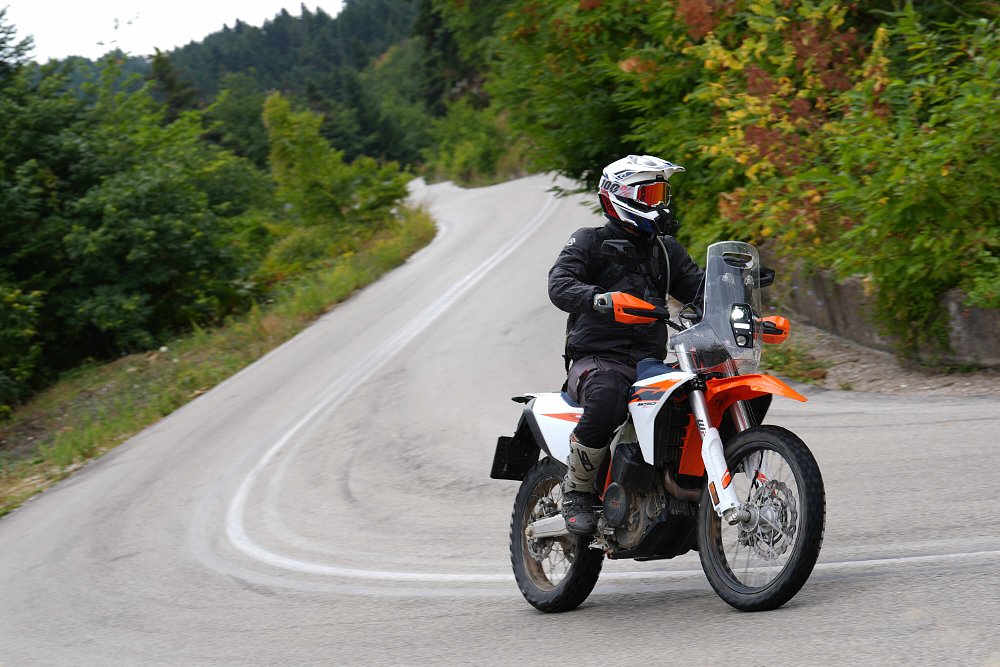
Right away I was impressed. As hard-edged and utilitarian as the Dakar-style windshield looks, it pushed most of the air away from my torso at highway speeds. Better yet, the wind blast coming around the ‘screen hitting my shoulders, arms, and helmet was amazingly clean and smooth. My one critique is that the front subframe assembly can develop a noticeable side-to-side oscillation between 75 and 80 mph. A little odd, even if it didn’t affect the bike at all.
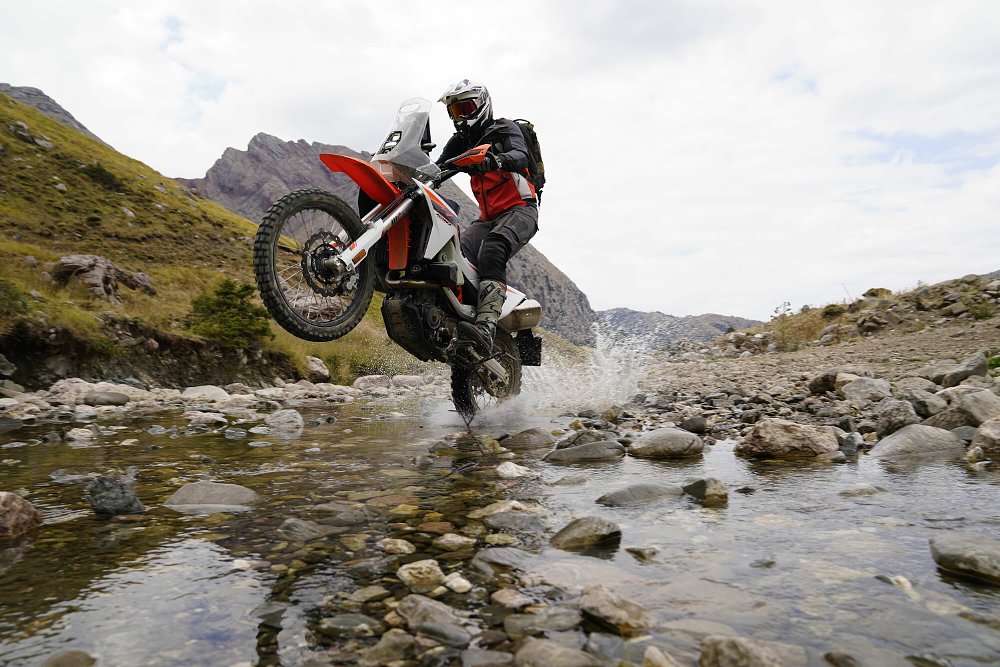
After I rerouted and rejoined the planned route, I proceeded into two days of riding through rural Greece, and a handful of different riding situations. Perfectly smooth ribbons of pavement winding along hillsides, barely worn grass tracks across golden hilltops, water crossings, bumpy concrete lanes through mountain towns, and logging roads cutting through damp forests. And then it rained, so I did all of that again except wetter.
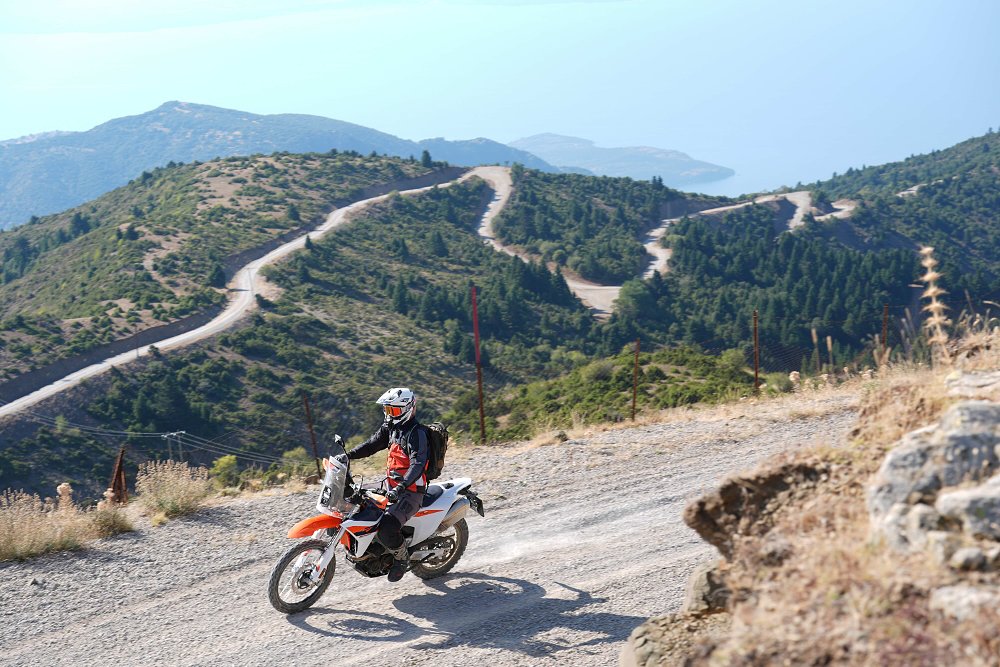
It’ll come as no surprise that the 690 Rally mimics most of the 690 Enduro’s performance in general. It feels tall but stable on pavement, and off-road it feels like a heavy, cumbersome enduro bike or a light and quite aggressive ADV machine, depending on your perspective.
What did come as a surprise to me was other, more dirt-oriented riders in the group agreeing that the 690 Rally’s suspension feels more balanced than the 690 Enduro R, despite being the same. Everyone from KTM staffers to journalists steeped in enduro riding commented that the front end felt more planted in Rally trim.
The most obvious guess is that the little bit of extra weight added to the front of the bike, mostly in the form of gasoline in the front fuel cells, has helped. Another factor could have been that KTM put mousse in the tires to avoid flats during the media ride, which adds a bit of weight and stability to the wheels. And let’s not ignore the influence of press-junket goggles, where motorbikes can seem better in curated environments than at home.
It is the same machine underneath, though, and I think the opinion I feel most comfortable putting forward is that it feels, by and large, the same. In other words it feels good, not great. Until it rained. When the skies opened part way through the second day of riding, the hard-packed surfaces that had been mostly dusty and loose turned heavy and tacky.
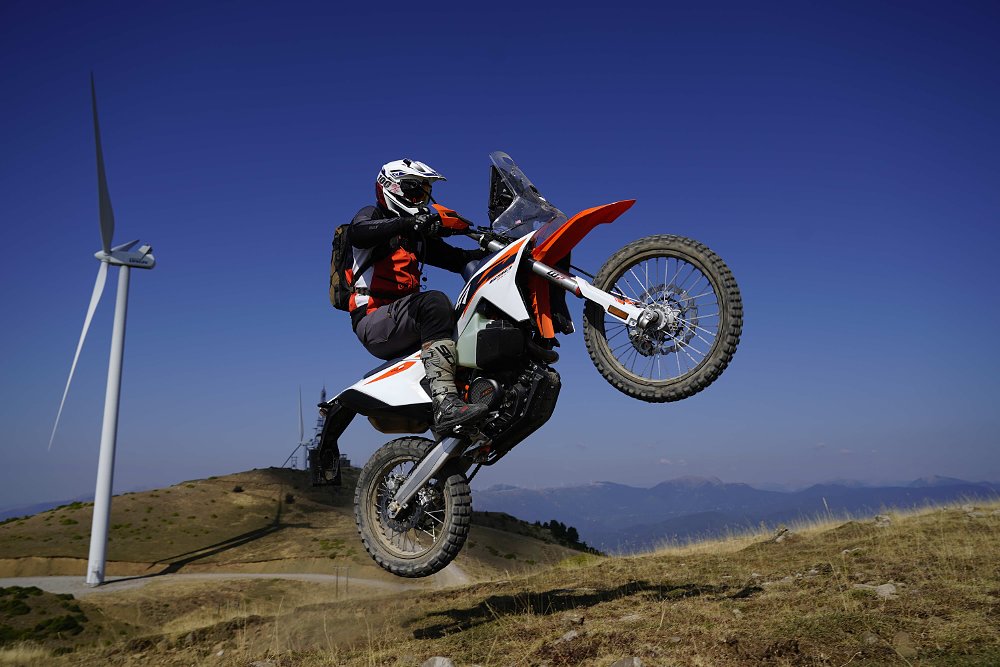
With hero dirt beneath the tires, I felt the dynamic of the 690 changed dramatically. The heavy mid-range punch of the engine finally had earth to push on, and the lingering flightiness of the front end seemed solved. Grip always helps a rider’s confidence, but I think it’s fair to point out that when the intensity of the ride is ratcheted up, where other mid-sized ADVs can feel soft, the 690 Rally feels ready for more. I never asked anything of the chassis that it couldn’t handle, and frankly that’s kind of rare in this category of motorcycle.
To tie back to Spurg’s rally rider rage, the upshot is that the suspension is fine. More than fine, actually, it’s appropriate and ready for anything the bike is prepared to tackle. KTM’s test rider said as much to me in person, and even took it a step further. He went on to say that he could easily clear every jump at KTM’s motocross test circuit with the stock fork and shock, and only noticed the stiffer and more refined Pro Component upgrades when he truly pushed hard.
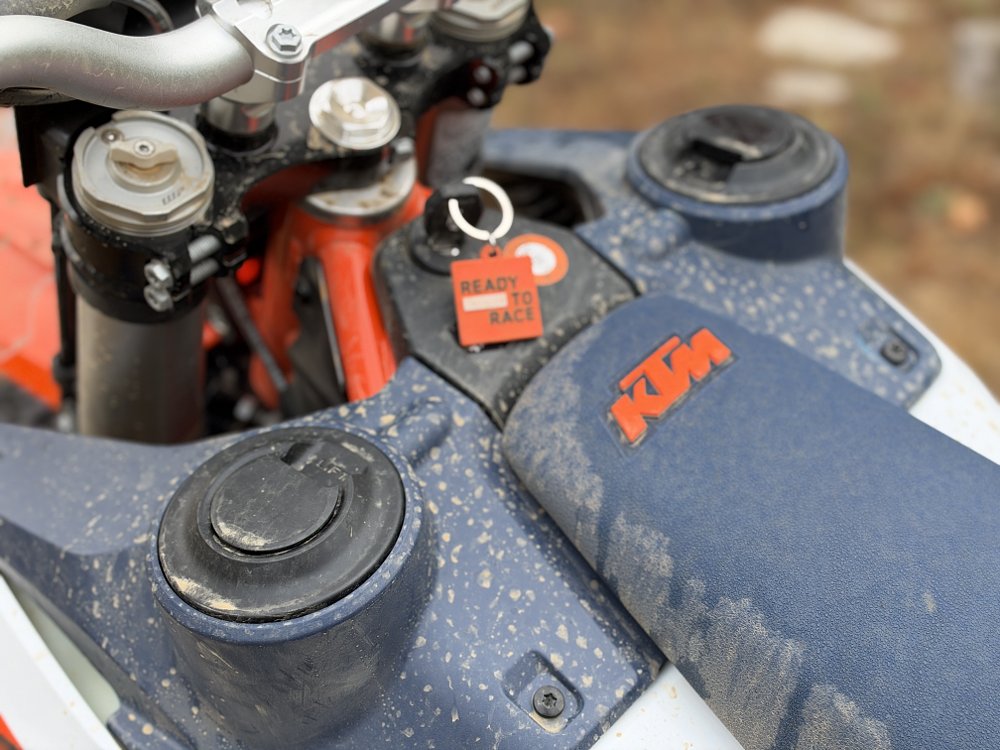
The flip side of that coin is that it’ll feel pretty unflinching just about everywhere else, too. I didn’t ride it for long stints on the highway, but my suspicion is that where other mid-sized ADVs feel soft and comfy, the 690 Rally will yet again feel aggressive and pointed. The seat isn’t quite comfy enough for the large dual-sport platform of the 690 Enduro, and it’s even further from ideal in the context of Rally version.
Bench rallying
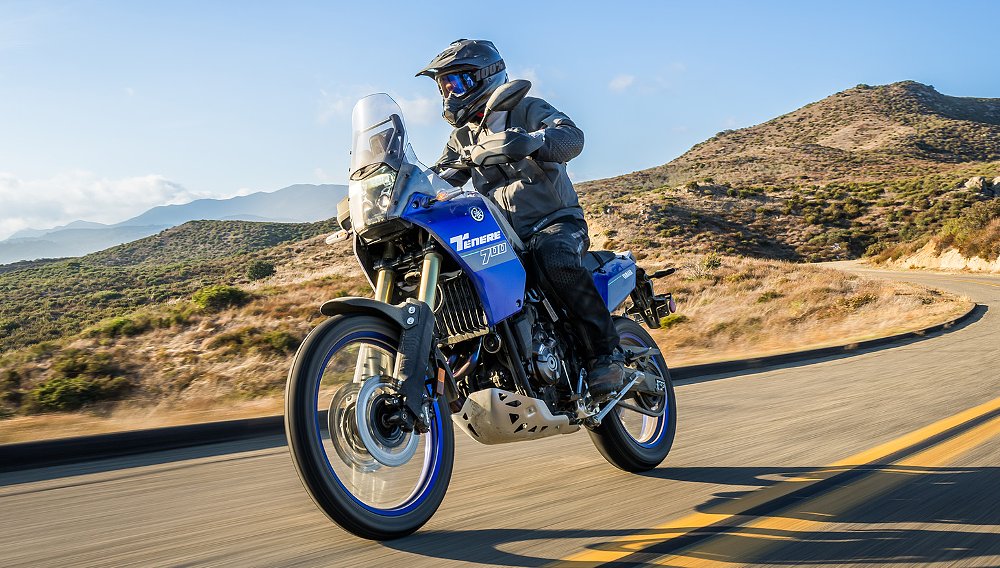
Pricing for the 690 Rally is an interesting conversation. At first, it seems that the price is obviously too high, at $14,199. After all, it’s more expensive and less comfortable than a Yamaha Ténéré 700 ($10,999) or an Aprilia Tuareg 660 ($12,499) — heck, even in World Raid spec ($12,999) for the Yamaha and Rally trim ($13,999) for the Aprilia, the KTM is still pricier. Not to mention the Honda Transalp E-Clutch ($10,799), CFMOTO Ibex 950 ($12,499), and Suzuki V-Strom 800DE ($11,799).
Then again, $14,199 for the Rally version of the 690 is only $800 more than the Enduro R, and that seems like a reasonable premium for a well-designed windshield and front subframe, plus factory integrated auxiliary fuel tanks. People spend a lot more in the aftermarket to do a lot less to their motorcycles. So, maybe it’s the Enduro R that has painted the Rally into a bit of a corner?
In any case, comparisons in the ADV market is where the 690 in Rally form belongs — this is an adventure-touring motorcycle. Yes, it’s tall and it has design roots from the dirt bike kingdom, and yes, you can still compare it to a Kove 450 or other machines that are toeing the line. For me, it’s a tall and aggressive ADV that will (and should) continue to get complaints about being uncomfortable on long rides.
Oh, and KTM will continue to get flak for software-paywall upgrades like the quickshifter ($350) and heavily adjustable Rally Pack ($300), and that’s probably fair, too. The 690 Rally adds a $200 option for cruise control, yet another little step into the ADV kingdom for the model (available on the 690 Enduro R moving forward, I was told). As is typical, all of the options can be combined under a Tech Pack purchase, this time for $649.
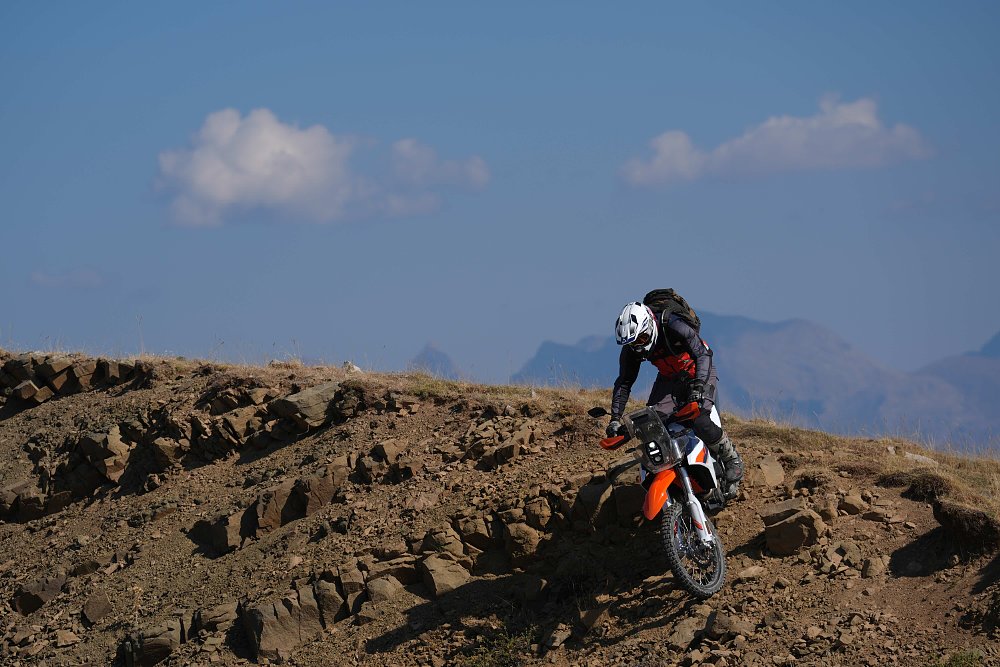
Even aside from the pricing structure, the 690 Rally is clearly an outlier in the mid-size ADV space. If the term “hero dirt” doesn’t resonate with you and adventure riding simply includes dirt roads and highways, any one of those other bikes mentioned above would probably make more sense. But, if I was invited on a ride that included technical, difficult terrain and I could take any machine from the category, it’d have to be the KTM.
While the 690 Rally is not even close to an all-new bike, I think it can be seen in a different light than before. The updates to the 690 Enduro R last year made a large dirt bike more tolerable, and if we squinted hard enough it could be an adventure bike. Now, there’s no questioning the intent. KTM didn’t put a windshield on this motorcycle and give it 250 miles of range so you could put it on a trailer and haul it to the dirt. For better or for worse, the 690 Rally is meant to be ridden there.
| 2027 KTM 690 Rally | |
|---|---|
| Price (MSRP) | $14,848 (as tested) |
| Engine | 693 cc, liquid-cooled, four-valve, single |
|
Transmission, final drive |
Six-speed, chain |
| Claimed horsepower | 79 @ 8,000 rpm |
| Claimed torque | 53.8 foot-pounds @ 6,750 rpm |
| Frame | Steel-tube trellis |
| Front suspension | WP XPLOR 48 mm fork, adjustable for spring preload, compression and rebound damping; 10.4 inches of travel |
| Rear suspension | WP XPLOR shock, adjustable for spring preload, compression and rebound damping; 9.8 inches of travel |
| Front brake | Brembo two-piston caliper, 300 mm disc with ABS |
| Rear brake | Brembo single-piston caliper, 240 mm disc with ABS |
| Rake, trail | 27.7 degrees, 4.7 inches |
| Wheelbase | 59.3 inches |
| Seat height | 36.8 inches |
| Fuel capacity | 5.3 gallons |
| Tires | Continental TKC80 Twinduro; 90/90-21 front, 140/60-18 rear |
| Claimed wet weight | 388 pounds |
| Available | Now |
| Warranty | 48 months |
| More info | ktm.com |
Image Gallery
Image Gallery

Shop the gear
 Leatt ADV 8.5 V25 Helmet w/ Velocity 4.5 Goggles$699.00
 100% Armega Goggles - Mirrored LensFROM $109.00
 Alpinestars Lite-Dura Soft Jacket$229.95
 Alpinestars Bionic Action V3 Jacket$199.95
 Leatt ADV Rally 5.5 Pants$359.00
 SIDI Crossfire 3 SRS Boots$579.99
 REAX Traveler Rain Jacket$59.99
 SEDICI Marco 2 Mesh Gloves$69.99
 Kriega Trail 18 Adventure Backpack FROM $259.99