Thermal Insulation For Cars
Filters
On this page...
- What is thermal insulation for cars?
- What are the benefits of using thermal insulation in vehicles?
- How do you choose the right thermal insulation for your car?
- Can thermal insulation help with exhaust heat management?
- Are there specific materials that are best for thermal insulation in cars?
- How does thermal insulation affect vehicle performance?
- Can thermal insulation be used in high-temperature areas of a vehicle?
- What should you look for in a thermal insulation product?
- Can thermal insulation improve passenger comfort in vehicles?
Frequently Asked Questions For Thermal Insulation For Cars
Thermal insulation for cars refers to materials and products designed to reduce heat transfer within the vehicle. This can help maintain optimal temperatures in the engine bay, protect sensitive components, and improve overall performance. Effective thermal insulation can also enhance passenger comfort by minimizing heat intrusion into the cabin.
Using thermal insulation in vehicles can lead to several benefits, including improved engine efficiency, reduced heat damage to components, and enhanced passenger comfort. It can also help in noise reduction and protect against heat-related issues, especially in high-performance or modified vehicles.
When choosing thermal insulation for your car, consider factors such as the specific area of application, the temperature range it needs to withstand, and the material properties. Look for insulation that offers a good balance of heat resistance, durability, and ease of installation to suit your vehicle's needs.
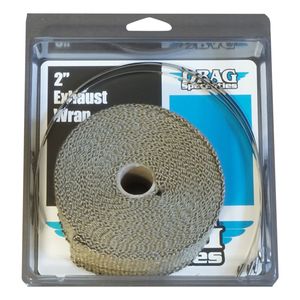
Yes, thermal insulation can significantly aid in exhaust heat management by reducing heat loss and keeping exhaust gases hotter for improved efficiency. This can lead to better performance and reduced under-hood temperatures, which is particularly beneficial for high-performance or racing applications.
Common materials used for thermal insulation in cars include fiberglass, aluminum, and various high-temperature textiles. Each material has unique properties that make it suitable for specific applications, such as heat shields or wraps, depending on the temperature and environment it will be exposed to.
Thermal insulation can positively affect vehicle performance by maintaining optimal operating temperatures for the engine and exhaust system. By preventing excessive heat buildup, it can enhance efficiency and power output, while also protecting critical components from heat damage.
Yes, thermal insulation is specifically designed to be used in high-temperature areas of a vehicle, such as around the exhaust system and engine components. It is important to select insulation materials that are rated for the specific temperature ranges encountered in these areas to ensure effectiveness and safety.
When evaluating thermal insulation products, consider factors like temperature resistance, material durability, ease of installation, and compatibility with your vehicle’s components. Additionally, check for any certifications or ratings that indicate the product's effectiveness in high-heat environments.
Yes, thermal insulation can improve passenger comfort by reducing heat transfer from the engine and exhaust systems into the cabin. This is particularly important in warmer climates or during long drives, where excessive heat can lead to discomfort for occupants.
Similar Categories
Thermal Insulation for Cars
Enhance your vehicle's comfort and efficiency with our premium thermal insulation solutions for cars. Designed to minimize heat transfer, these insulation materials help maintain a stable cabin temperature, keeping your ride cool in the summer and warm in the winter. With excellent sound-dampening properties, our products also reduce noise from the outside, providing a quieter driving experience.
Our selection of thermal insulation is lightweight, durable, and easy to install, making it suitable for various applications within your vehicle. Whether you're looking to insulate the hood, floor, or doors, our materials are engineered to withstand high temperatures and resist moisture. Upgrade your car's thermal insulation today for improved comfort and performance on every journey.