
 Shop by Vehicle
 Track Order
 Contact Us


After decades of dealing in anachronistic sidecars, Ural has launched something thoroughly modern. The Ural Neo is smaller, more affordable, and far more sophisticated than the Soviet-era rigs we’re familiar with. It’s also made in China instead of Russia. Is the Neo any good, and is it a viable way forward for Ural? Zack and I embarked on a 600-mile torture test across the Southwest to find out.
Our three-day, three-wheeled testing and filming adventure began at the RevZilla West offices in Carson, California, but the Ural story starts in Moscow in 1941.
That’s when Soviets reverse-engineered a BMW R71 motorcycle and outfitted it with a sidecar to create rugged transportation for the military. After WWII, Ural production swelled as M72s were churned out by the hundreds of thousands for civilian use. The three wheelers’ heyday lasted until the USSR collapsed in 1991, after which an influx of cheap cars undercut the sidecar’s popularity. The company then shifted its focus to exporting, primarily to the United States, and eventually moved its headquarters to Woodinville, Washington, in 2002.
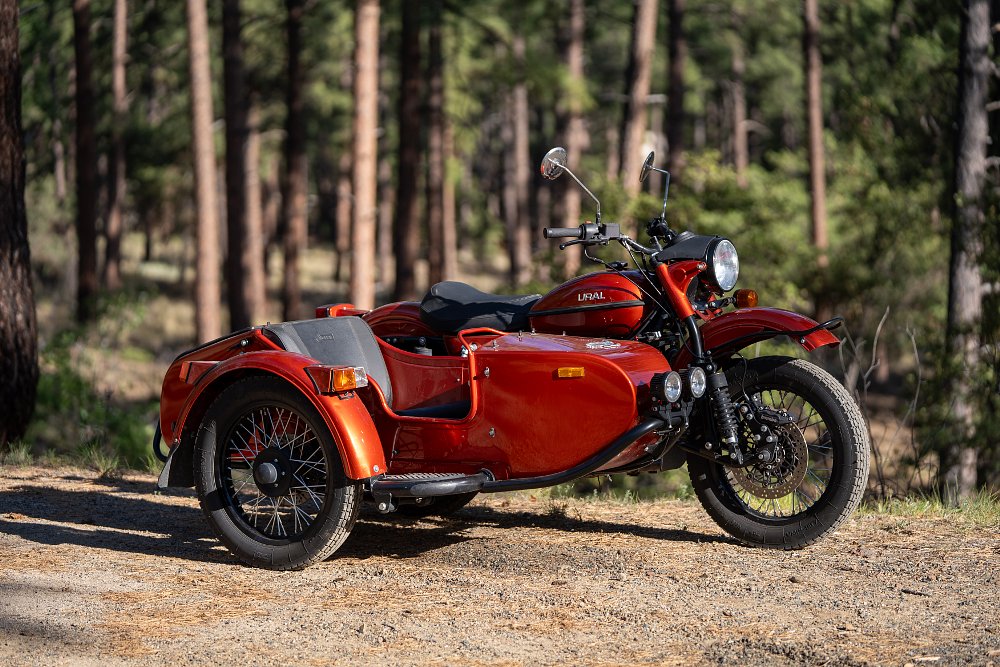
Ural continued serving up quirky, old-fashioned sidecars to its core market for two decades, until Russia invaded Ukraine in 2022. Sanctions on Russian goods prompted Ural to move manufacturing to Kazakhstan, but then supply chain issues and tariffs made the whole operation untenable, and forced a reassessment of not just production, but the product itself.
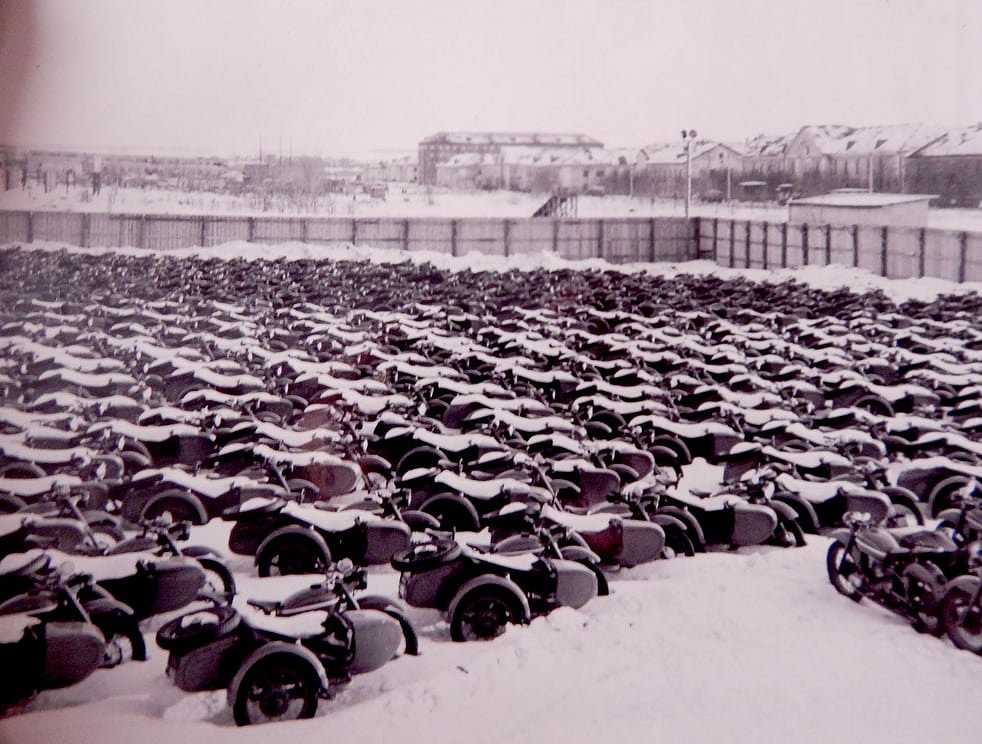
Ural’s solution was as pragmatic as it was drastic. Manufacture of the legacy models for export was put on hold, and then came a huge, Hail-Mary pivot: the development of a new, fully modern three-wheeler. The shortcut to get there was modifying and rebadging an existing sidecar from Yingang Motorcycle Company in Chongqing, China. No clean-sheet engineering needed, no massive investment in tooling required. Just as the Red Army’s original M72 was a replica of the BMW R71, this new Ural Neo is based wholly on Yingang’s SUV500II.
A more sensible sidecar
The Neo is supposed to be a fresh take on the sidecar concept and shift Ural from an antique industrial-equipment experience to everyday utility and enjoyment. While it’s hard to imagine a three-wheeler ever making complete sense, the Neo’s specs suggest a move in the right direction. The 700-pound weight and $13,999 MSRP are sizable, but they represent a 100-pound reduction and at least a $6,000 price break, depending on which legacy Ural model you’re comparing it to.
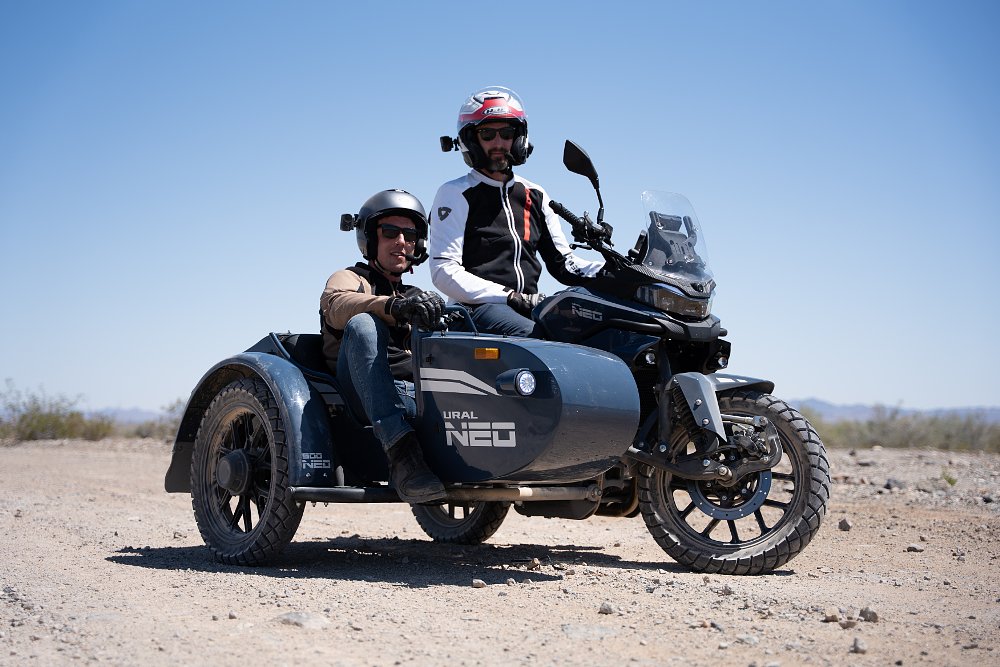
And as far as direct comparisons with Ural’s traditional rigs, there will be a concentrated dose of that down the line. For now, let’s discuss the Neo for what it is: an all-new option in the three-wheeled realm. The Neo we got was so new, in fact, that it wasn’t even the final spec, but it should be fairly representative of what is currently available in dealerships.
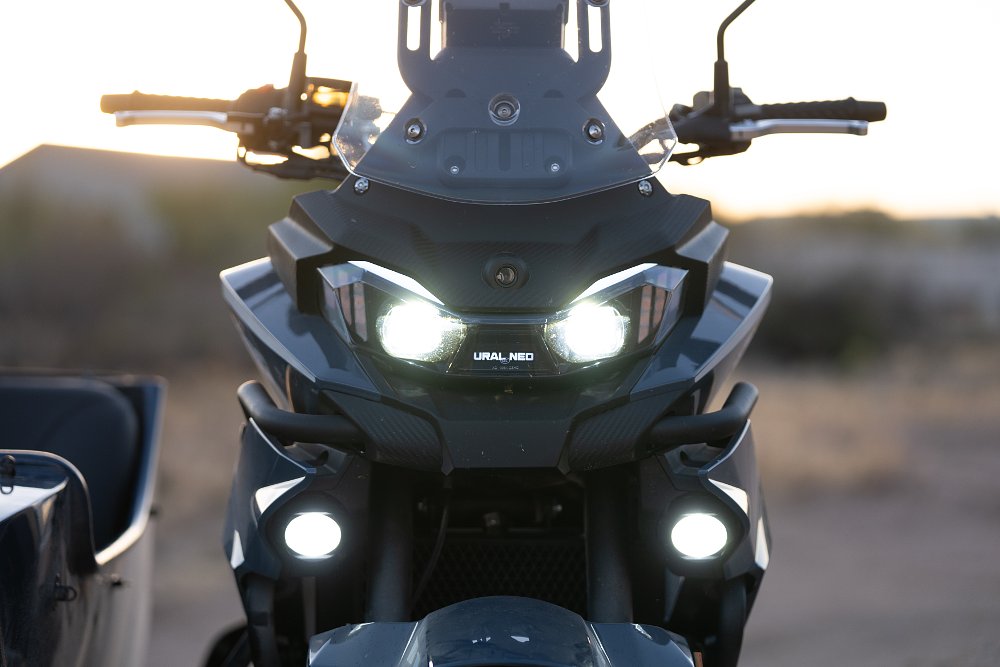
The foundation of the Ural is a motorcycle that looks and feels fairly conventional, albeit compact. Think Ninja 500, or Welsh Corgi, for a size and proportion comparison. Looking forward over the 5.3-gallon tank, there’s a tapered aluminum handlebar, full-featured seven-inch TFT dash, and minimalist (and minimally adjustable, with tools) windscreen. The view emulates the perspective you’d get on a Yamaha Ténéré 700 or CFMOTO Ibex 450 or any number of other adventure bikes, if those motorcycles were significantly shorter.
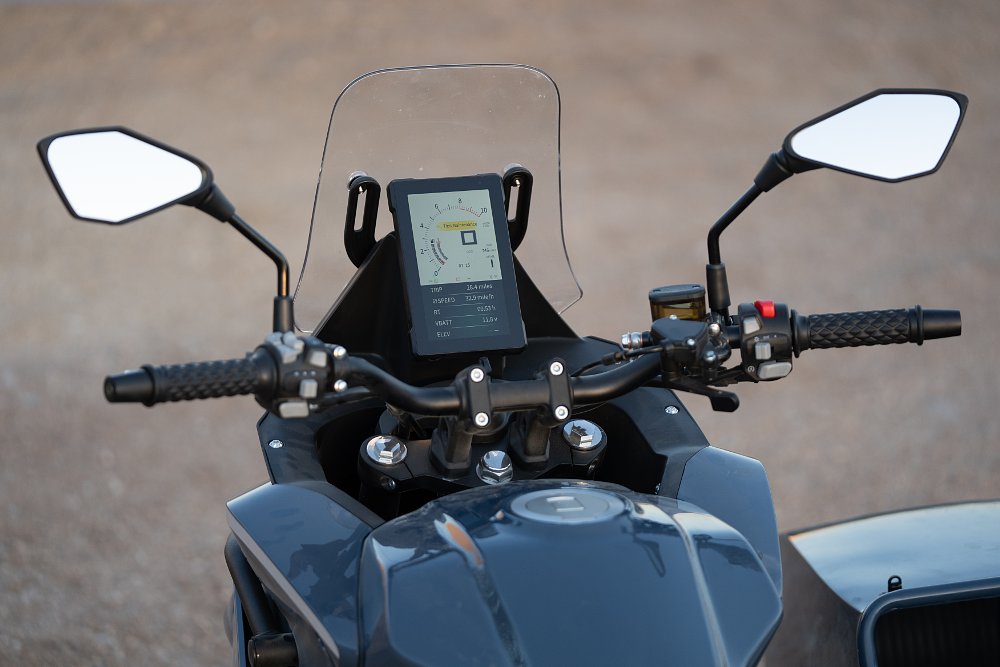
Switchgear and levers look and feel like they could be off a typical Japanese or European bike, with the notable exception of the thumb-operated lever next to the throttle, used in conjunction with the heel-toe shifter to switch the transmission into reverse.
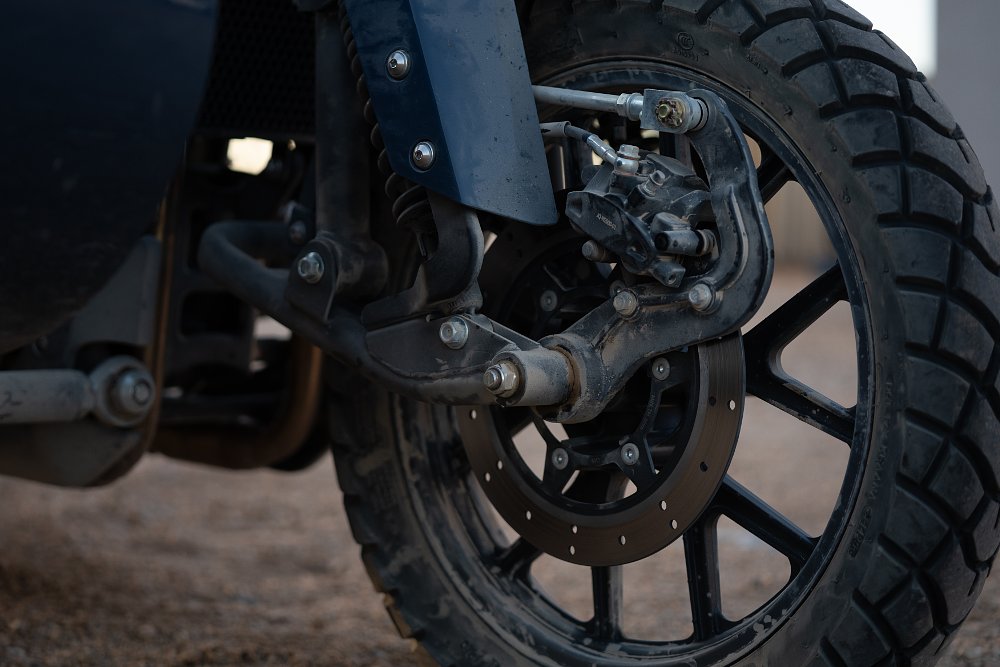
The long, well-padded seat sits at 31.6 inches, which doesn’t leave much room between your butt and rubber-mounted footpegs, but the layout doesn’t feel cramped. Pleating on the seat has a retro whiff, yet the rest of the bike seems to have arrived from an alternative steampunk universe. There’s angular brutalist bodywork, LED lighting, plus shocks and extra frame tubing everywhere.
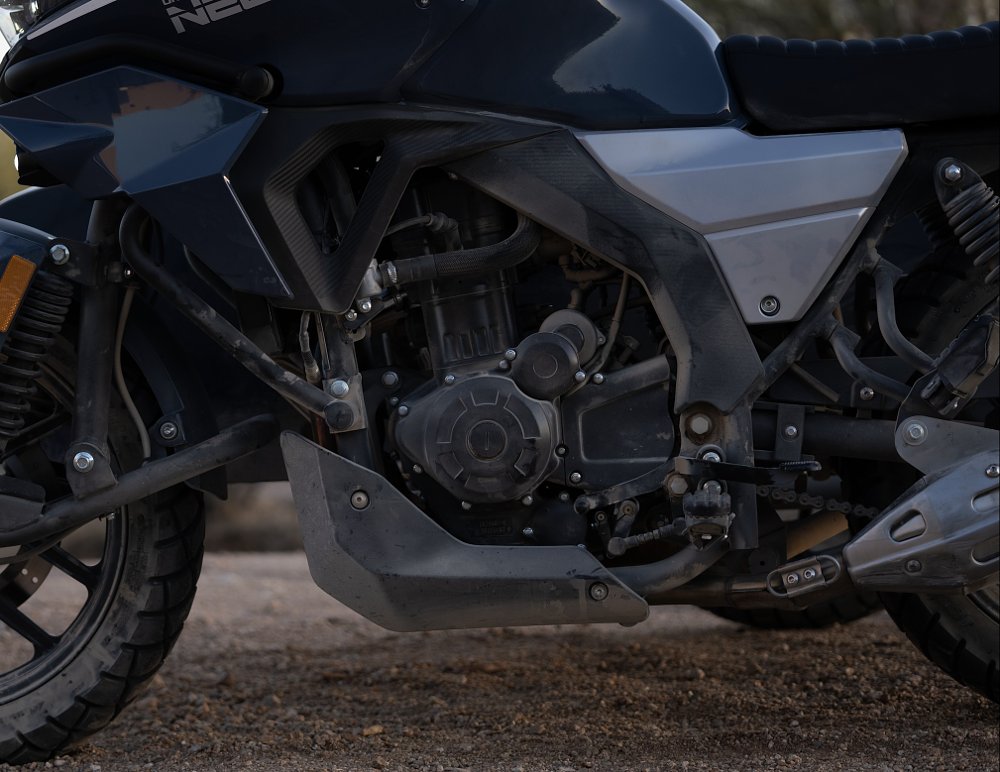
Powering it all is an engine that continues the Neo’s scaled-down approach. The five-speed (plus reverse) 446 cc parallel twin pumps out a claimed 33.5 horsepower and 26.8 foot-pounds of torque, served up with plenty of vibrations. That’s thanks to the 360-degree crank layout, meaning the pistons rise and fall together for the ultimate in primary imbalance. One upshot to the engine’s architecture is that it achieves the same firing order and rhythmic, even exhaust note as a BMW boxer engine, aurally connecting the Neo to Ural’s past.
The defining feature of a sidecar outfit is, of course, the sidecar, where a passenger, canine companion, keg of beer, or two weeks' worth of groceries can sit. The Neo’s tub is what gives the vehicle its utility, and compels everyone you meet to flash a smile or a thumbs up. There’s plenty of room for a Zack-sized human (read: six feet, two inches tall) to almost straighten their legs, and the seat itself is excellent. There’s a soft, broad cushion for your buns and the backrest has enough bolster to keep you secure while cornering. Behind the passenger is a trunk with 85 liters of storage. You can fit a lot of stuff in there, just don’t expect it to stay fully dry or dust free. The lid and weatherstripping don’t seal well.
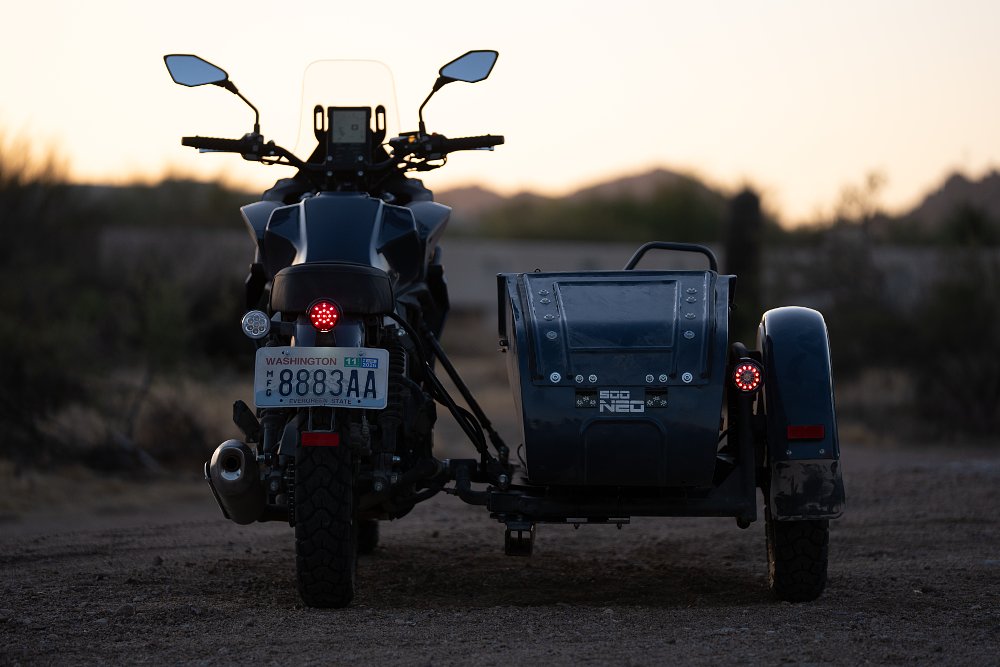
It all adds up to a tripod of a motorcycle the likes of which we’ve never seen, because every other sidecar we’ve ever seen is genuinely old or designed to look old. That even goes for the aftermarket cars added to late-model Harley-Davidsons. So, what’s this new Neo all about? We hit the road to find out.
Prescott, Arizona, by way of Chongqing, China
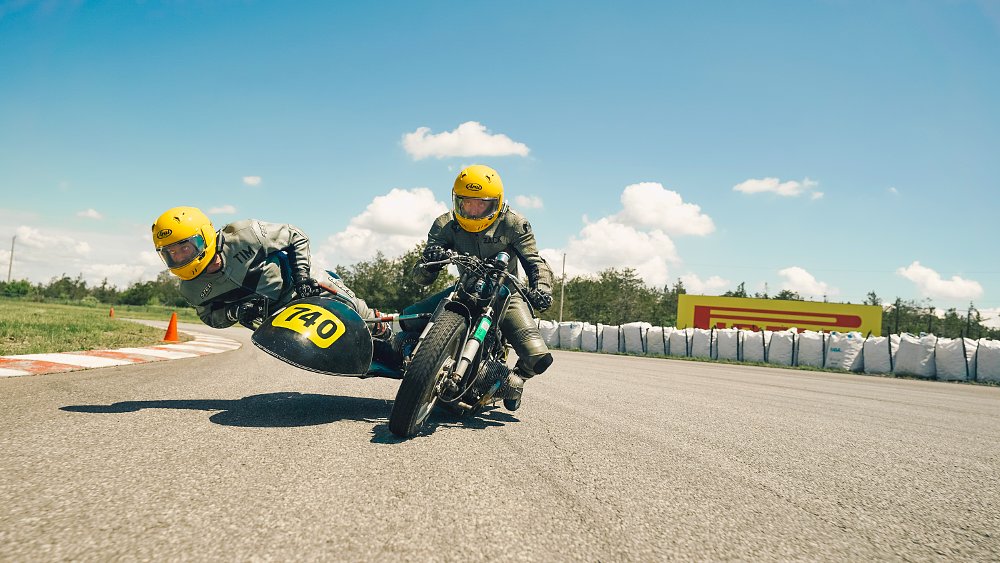
If you’ve never piloted a sidecar, the experience is a bizarre mixture of familiar controls and foreign handling. Zack and I have spent plenty of time in rigs over the years, including hundreds of miles in Ural’s own Gear-Up, a road trip around Thailand, and racing Zack's dad's rig in Canada, so we have some perspective on sidecar behavior. Based on that, I’ll come out of the gate with maybe the highest compliment you can give a sidecar: The handling is fairly neutral.
Of course, it’s still a lopsided sidecar, so it veers a bit when accelerating and braking, and steers differently turning left versus right, but to a lesser magnitude than what I’ve come to accept as normal. We reveled in the Neo’s (relative) nimbleness as we navigated the urban labyrinth leaving the RevZilla West offices, with yours truly at the helm and First Mate Courts in the car.
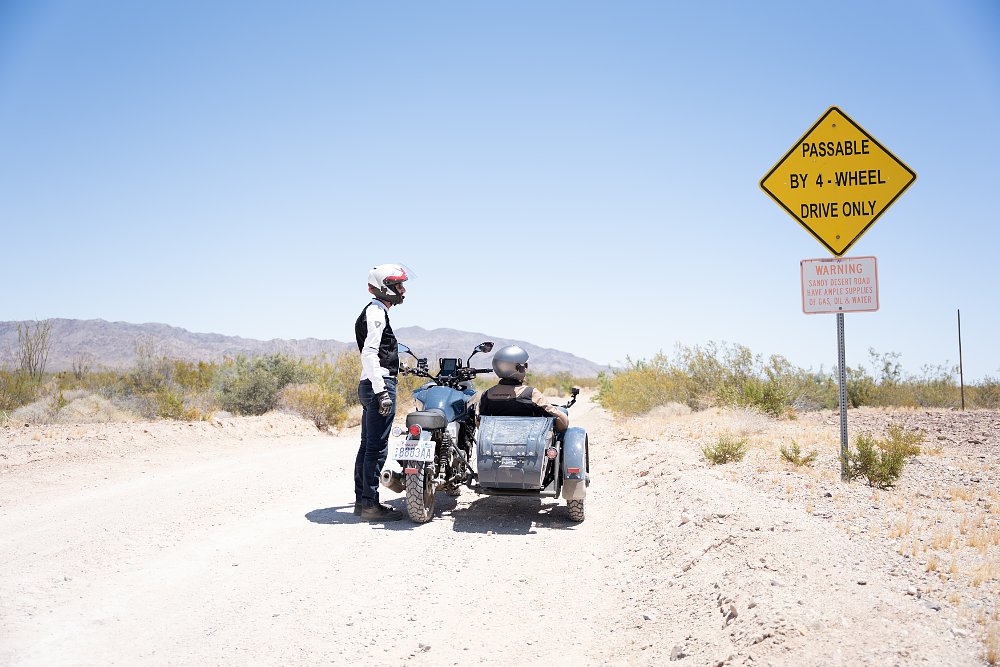
Over the next three days, we road-tripped to Arizona, using the Neo on the urban streets and meandering back roads that it was designed for, as well as eight-lane Interstates and “4-Wheel Drive Only” dirt roads that it definitely was not. We even towed with it, hauling a half-ton load up a mountain to our final destination in Prescott. It’s all brought to life in the CTXP episode above.
Suffice to say, we pushed the Neo well beyond anything it was intended to do, just to see what it could do. And it did it all.
Around town, the rig feels fairly deft, plenty stable, and reasonably quick. The neutral-at-the-bottom, all-up transmission takes some getting used to, but the gearbox shifts well, the clutch is light and progressive, and throttle response is decent. The Neo accelerates faster than you’d expect for an 1,100-pound (including boys) assemblage, and slows down well, too. That’s due to a solid brake system (with the rear caliper linked to the caliper on the sidecar wheel) and incredibly low gearing.
On slow surface streets, accelerating to 45 or 50 mph we were already in fourth gear and the Neo was supplying a pronounced palm-sander buzz to the worst place you can imagine putting a palm sander. We expected life on L.A.’s notoriously fast highways to be worse yet, and in most ways it was.
With such a small engine and short gearing, speed is not the Neo’s forte. Even so, we learned that the motor actually smooths out above 6,000 rpm (the tach redlines at 8,000 rpm), so if you don’t mind pushing the engine you can avoid punishing your butt and hands. Even then, you’ll only be traveling at an indicated 65 mph, which in reality is more like 58 mph. The speedo on our bike was wildly optimistic.
That makes providing an accurate mpg figure difficult (expect between 30 and 50 mpg, or 150 to 250 miles of range). We compounded that problem by veering off the pavement and into sand and gravel on a quintessential CTXP “short cut” that lasted 70 miles and most of a day.
As a passenger in a sidecar, you play an active role in the vehicle’s stability. That idea was reinforced as we repeatedly encountered deep sand and discovered that the only way through was for the passenger to throw their torso over the rear tire. That achieved two things: It took weight out of the car so its undriven wheel was less of an anchor and it helped give the bike’s rear wheel more traction.
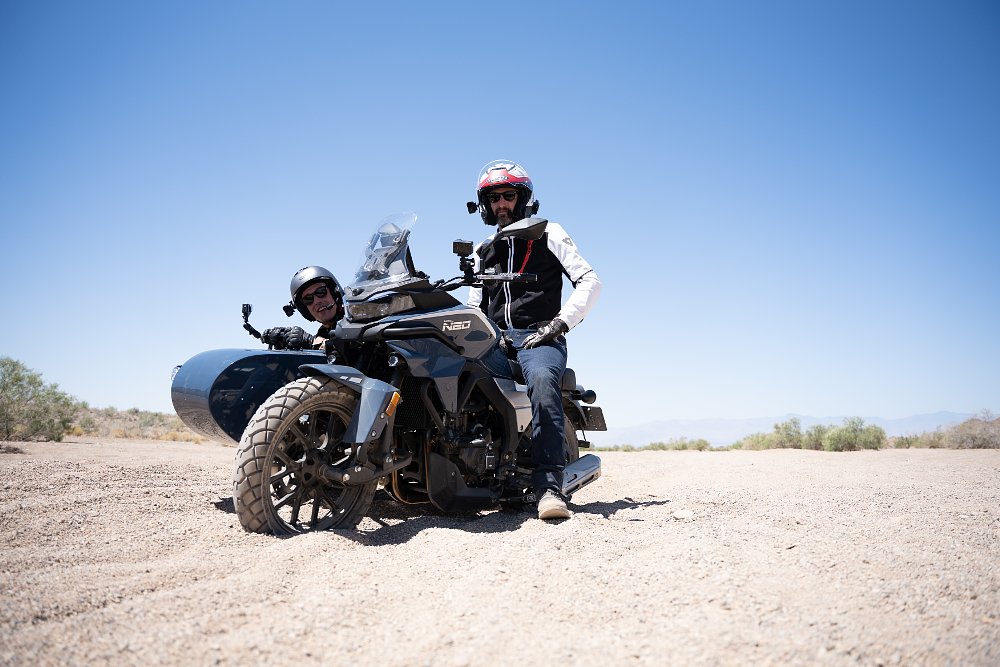
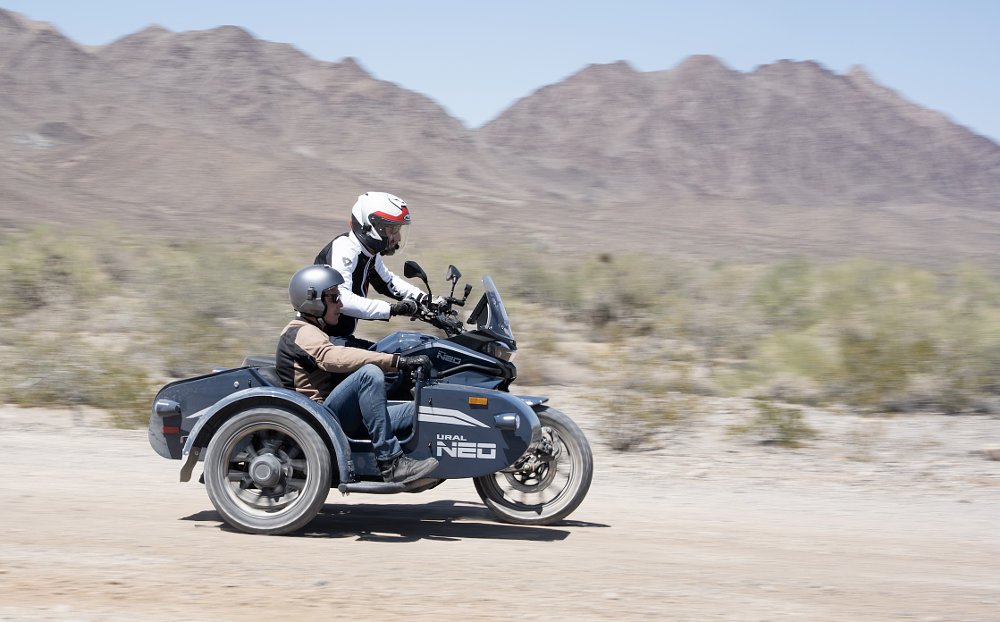
That’s a mostly useless takeaway for the prospective Neo duo. What’s more insightful is that the engine has excellent torque and won’t miss a beat when faced with hours and hours of high-effort, high-temperature torture. The suspension is also surprisingly excellent. Honestly, we couldn’t be more impressed with the Neo’s five shocks. They only offer about three inches of wheel travel, but provide a smooth ride on the road and somehow managed to avoid bottoming off road, even when we slammed through dips and into rocks and embankments.
When we finally made it to Arizona after nearly 500 miles of travel, appreciation for the Neo was high. Despite being so compact, it's all-day comfortable, especially for the passenger, and low-effort enough to ride that you don’t get fatigued. It’s also a lot of fun to travel beside your buddy and share the exact same riding experience, but anyone who’s been in a sidecar already knows that.
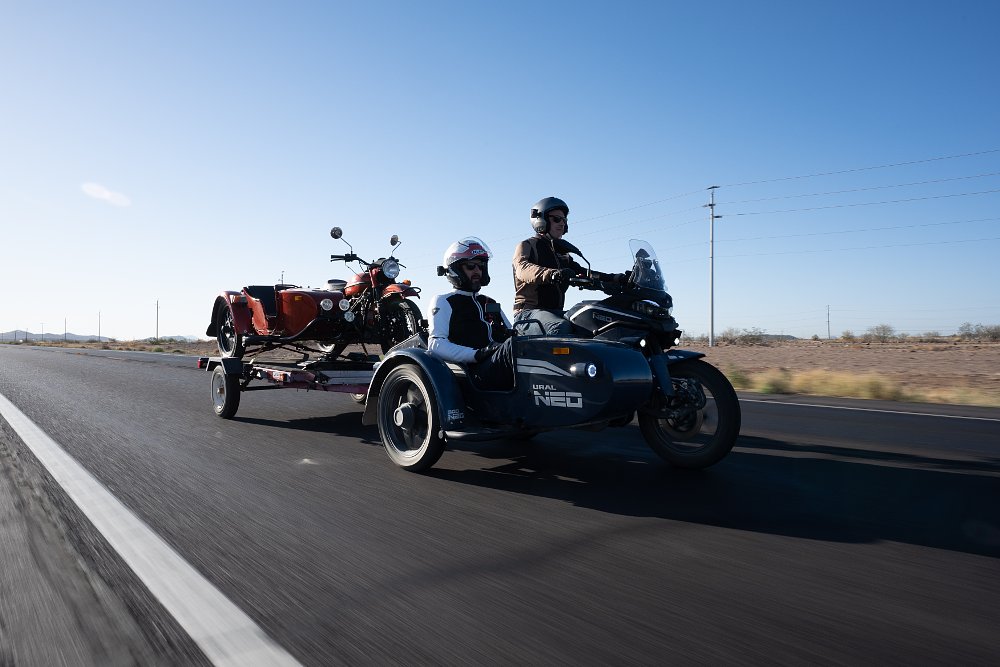
The Neo’s aptitude on the journey gave us the confidence to put it through one final test, which was to haul producer Spenser’s ailing legacy Ural Ct some 125 miles up to a renowned Ural mechanic in Prescott. It was a bold gambit, much like Ural’s decision to co-op the SUV500II.
In the end, it was a success, and reinforced our perception of the Neo’s durability and adaptability. The big question is, will the Neo be a success for Ural?
A Neo way forward
Unlike the Ural M72s used by citizens trying to get by in the Soviet Union, sidecars aren’t a practical solution to any transportation problem in America. They’re playthings for a tiny segment of the population. Historically, sidecar ownership (read: traditional Ural) required commitment and compromise. Committing to the $20,000-plus price, and living with a vehicle whose numerous shortcomings and idiosyncrasies are euphemistically called charm.
Eventually, we rode Spenser’s fixed up Ct, and it has multitudes more charm, which is a polite way of saying that it’s worse by every objective measure. An eggbeater drill can’t compete with a modern cordless, nostalgia be damned.
The Neo reduces the commitment and minimizes the compromise, perhaps as much as is possible given the constraints of the platform. It’s still a quirky, unique riding experience that makes the edges of your mouth rise. Sure, a smoother engine with taller gearing would be great, but being slow is probably one of the reasons the Neo works so well. After all, the surest way to make a bike handle worse is to add power.
Faced with an existential threat, Ural made bold choices, completely upending the status quo and ultimately producing a superior sidecar, without betting the farm. With any luck, that means Ural will stay in business long enough for the Neo to become an anachronism.
| 2026 Ural Neo | |
|---|---|
| Price (MSRP) | $13,999 |
| Engine | 446 cc, liquid-cooled, four-valve, parallel twin |
|
Transmission, final drive |
5-speed plus reverse, chain |
| Claimed horsepower | 33.5 @ 7,500 rpm |
| Claimed torque | 26.8 foot-pounds @ 6,000 rpm |
| Frame | Tubular-steel double cradle |
| Front suspension | Leading link with dual shocks adjustable for spring preload, 3.0 inches of travel |
| Rear/car suspension | Dual shocks adjustable for spring preload, 2.8 inches of travel/single shock adjustable for spring preload, 1.3 inches of travel |
| Front brake | Three-piston caliper, 276 mm disc |
| Rear/car brake | Two-piston caliper, 260 mm disc with parking brake/single-piston caliper, 220 mm disc |
| Rake, trail | NA |
| Wheelbase | 53.9 inches |
| Seat height | 31.6 inches |
| Fuel capacity | 5.3 gallons |
| Tires | Kenda K761 120/80-17 front, rear, and sidecar |
| Measured curb weight | 704 pounds |
| Available | Now |
| Warranty | 24 months |
| More info | www.uralneo.com |
Image Gallery
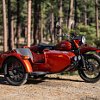


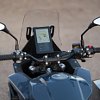
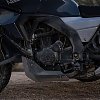
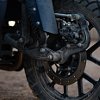
Image Gallery


Shop the gear
 Bell Broozer Helmet$329.95
 Sena 60S EVO Mesh Communication System$459.00
 Alpinestars Luc v2 Air Jacket$229.95
 REAX Castor 2 Perforated Gloves$99.99
 Klim K Forty 2 Jeans$279.99
 Merlin Bandit D3O Boots$299.95
 HJC i31 HelmetFROM $159.99
 REV'IT! GT-R 4 Air Jacket$259.99
 SEDICI Marco Mesh Gloves$49.99
 Spidi J-Tracker Jeans$229.90
 REAX Fulton Air CE Riding Shoes$159.99
