Automotive Heat Wrap
Filters
On this page...
- What is automotive heat wrap used for?
- What materials are commonly used in automotive heat wrap?
- How do you choose the right automotive heat wrap?
- Can automotive heat wrap be used in various weather conditions?
- What are the benefits of using automotive heat wrap?
- Is automotive heat wrap easy to install?
- How long does automotive heat wrap last?
- Are there any safety certifications for automotive heat wrap?
- Can automotive heat wrap help with noise reduction?
Frequently Asked Questions For Automotive Heat Wrap
Automotive heat wrap is primarily used to insulate exhaust components, helping to retain heat within the exhaust system. This can improve exhaust flow and efficiency, which may enhance overall engine performance. Additionally, it can protect other components from heat damage and reduce under-hood temperatures.
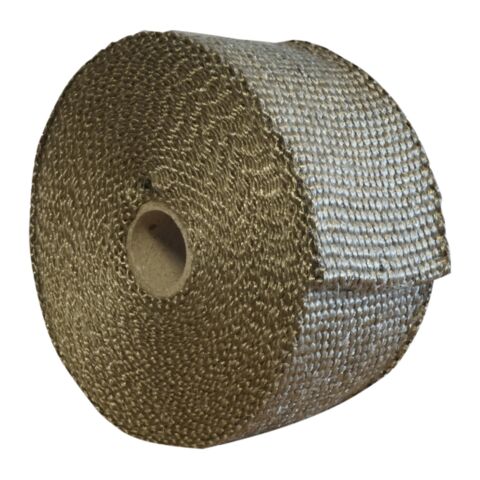
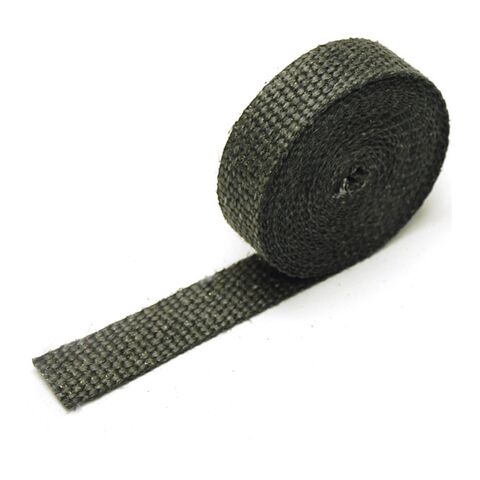
Automotive heat wraps are typically made from materials such as fiberglass, titanium, or ceramic. These materials are designed to withstand high temperatures and provide effective insulation. Some wraps may also feature additional coatings for enhanced durability and heat resistance.
When selecting automotive heat wrap, consider factors such as the maximum temperature rating, the type of material, and the specific application. It's important to choose a wrap that can handle the heat levels produced by your exhaust system. Additionally, look for wraps that are easy to install and provide a secure fit.
Yes, automotive heat wrap can be used in a variety of weather conditions. However, it's important to ensure that the wrap is properly installed to prevent moisture from getting trapped underneath, which could lead to corrosion. High-quality wraps are designed to withstand exposure to elements like rain and humidity.
Using automotive heat wrap can provide several benefits, including improved exhaust efficiency, reduced heat soak in the engine bay, and protection for nearby components from excessive heat. Additionally, it can help to lower the overall temperature of the exhaust system, which may contribute to better performance.
Automotive heat wrap is generally designed for straightforward installation, but it does require some preparation and care. Properly cleaning the surface and ensuring a tight wrap are essential for optimal performance. Many wraps come with installation instructions to guide users through the process.
The lifespan of automotive heat wrap can vary depending on the material used and the conditions it is exposed to. High-quality wraps made from durable materials can last several years, especially if they are properly installed and maintained. Regular inspections can help identify any wear or damage that may require replacement.
While automotive heat wraps may not have specific safety certifications, many are designed to meet high-temperature performance standards. It's important to choose wraps from reputable manufacturers that provide information about their heat resistance and material properties to ensure safety and effectiveness.
Yes, automotive heat wrap can contribute to noise reduction by dampening sound vibrations from the exhaust system. By insulating the exhaust components, the wrap can help minimize the amount of noise that escapes, leading to a quieter ride. This can be particularly beneficial for performance vehicles or those used for long-distance driving.
Similar Categories
Automotive Heat Wrap
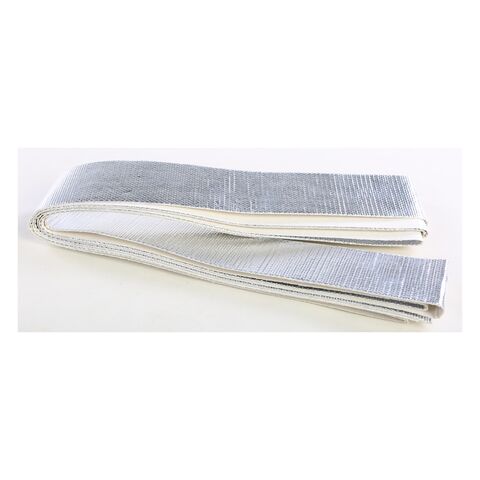
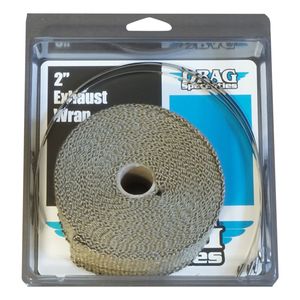
Automotive heat wrap is an essential component for enhancing your vehicle's performance and protecting critical engine components. Designed to withstand high temperatures, these wraps effectively reduce heat soak, improving overall efficiency and performance. By insulating exhaust headers and pipes, they help maintain optimal exhaust gas temperatures, which can lead to increased horsepower and torque.
Our selection of automotive heat wraps is made from durable materials that offer excellent resistance to heat and abrasion. Easy to install, these wraps provide a sleek, professional look while minimizing the risk of heat damage to surrounding components. Whether you're a casual driver or a dedicated enthusiast, investing in quality heat wrap will help you achieve better thermal management and prolong the life of your vehicle's parts.