Search Suggestions
Menu
Results for in

Synthetic Lubricant

167Products
Filter 0 Sort By
Synthetic Lubricant

On this page...

  • What are the benefits of using synthetic lubricants?
  • How do you choose the right synthetic lubricant for your vehicle?
  • Are synthetic lubricants suitable for all types of engines?
  • Can synthetic lubricants be used in extreme weather conditions?
  • What should you look for in a synthetic lubricant?
  • Do synthetic lubricants provide better fuel efficiency?
  • How often should you change synthetic lubricants?
  • Are there any environmental benefits to using synthetic lubricants?
  • Can synthetic lubricants be mixed with conventional oils?

Frequently Asked Questions For Synthetic Lubricant

Synthetic lubricants offer superior performance compared to conventional oils. They provide better protection against wear and tear, improved thermal stability, and enhanced fluidity in extreme temperatures. Additionally, synthetic lubricants can help reduce engine deposits and extend the life of your engine components.

Choosing the right synthetic lubricant involves considering the manufacturer's specifications for your vehicle, including viscosity ratings and performance standards. It's also important to assess the specific needs of your engine or transmission, such as whether it requires high-temperature stability or enhanced protection for heavy loads. Consulting your owner's manual can provide guidance on the appropriate type of lubricant.

While synthetic lubricants are generally compatible with a wide range of engines, it's essential to check the manufacturer's recommendations. Some older engines may have specific requirements or may not be designed for synthetic oils. Always ensure that the lubricant meets the necessary specifications for your engine type.
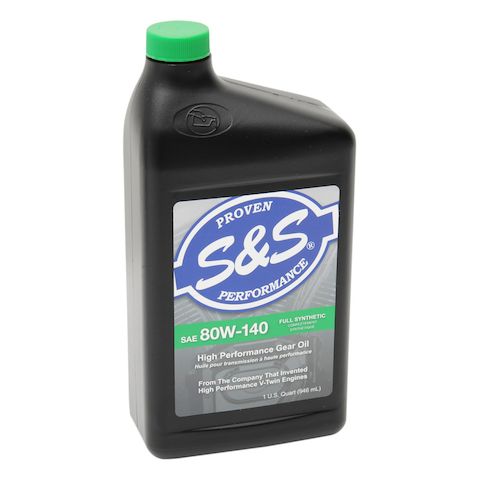
Yes, synthetic lubricants are designed to perform well in a variety of weather conditions, including extreme heat and cold. Their advanced formulation allows them to maintain viscosity and provide reliable lubrication even in harsh environments. This makes them an excellent choice for riders who encounter diverse weather conditions.

When selecting a synthetic lubricant, consider factors such as viscosity, performance ratings, and any specific certifications like API or ACEA. It's also important to evaluate the lubricant's resistance to oxidation, thermal breakdown, and its ability to prevent sludge formation. These attributes can significantly impact the performance and longevity of your engine.
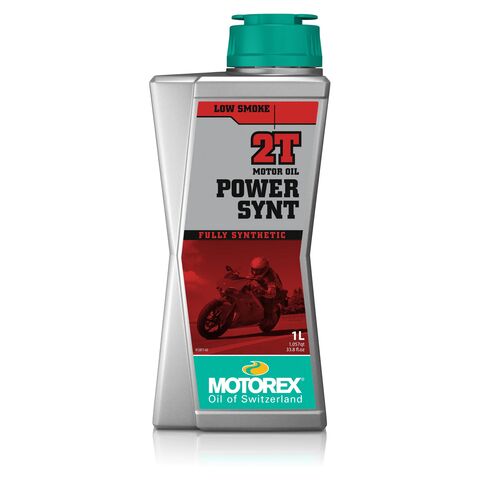
Synthetic lubricants can contribute to improved fuel efficiency due to their lower friction properties and better flow characteristics. By reducing engine drag, they allow the engine to operate more efficiently, which can lead to better fuel economy. However, the extent of fuel savings can vary based on driving conditions and vehicle type.

The frequency of changing synthetic lubricants depends on several factors, including the type of lubricant used, driving conditions, and the manufacturer's recommendations. Generally, synthetic oils can last longer than conventional oils, often allowing for extended intervals between changes. It's advisable to consult your vehicle's manual for specific guidance on oil change intervals.

Yes, synthetic lubricants can offer environmental benefits, as they are often formulated to reduce emissions and improve fuel efficiency. Additionally, many synthetic oils are designed to last longer than conventional oils, which can lead to less frequent oil changes and reduced waste. Choosing a high-quality synthetic lubricant can be a more sustainable option for vehicle maintenance.

While it is technically possible to mix synthetic lubricants with conventional oils, it is generally not recommended. Mixing can dilute the performance benefits of the synthetic oil and may lead to reduced effectiveness. For optimal performance, it's best to use one type of lubricant consistently.

Synthetic Lubricants

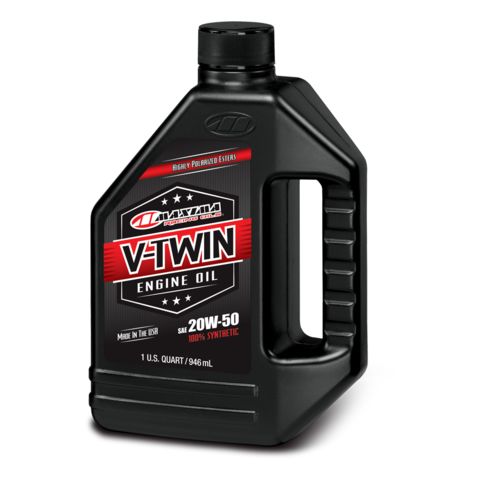
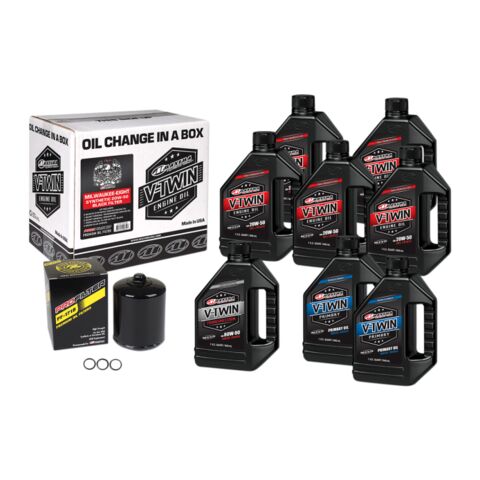
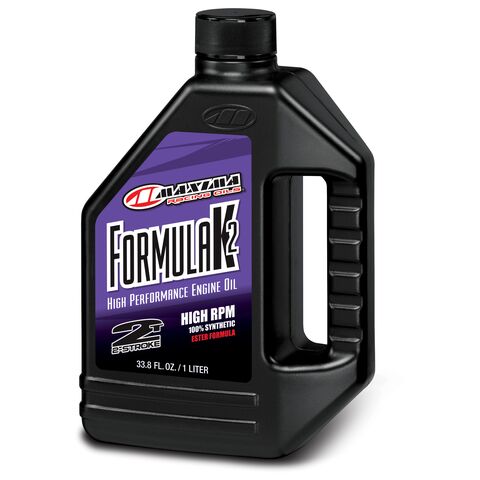
Explore our extensive range of synthetic lubricants designed to enhance the performance and efficiency of your machinery and vehicles. These advanced formulations provide superior protection against wear, reduce friction, and improve overall engine cleanliness. Ideal for high-performance applications, synthetic lubricants maintain their viscosity under extreme temperatures, ensuring optimal performance in both hot and cold conditions.

Our synthetic lubricants are engineered to deliver exceptional stability and longevity, extending the life of your equipment while minimizing maintenance costs. With excellent resistance to oxidation and thermal breakdown, these lubricants help keep your systems running smoothly and efficiently. Choose our synthetic lubricants for reliable performance and peace of mind in every application.