Synthetic Oil For Transmission
Filters
On this page...
- What are the benefits of using synthetic oil for transmission?
- How do you choose the right synthetic oil for your transmission?
- Are synthetic oils suitable for all types of transmissions?
- Can synthetic oil improve transmission performance in extreme conditions?
- What should you look for in synthetic oil for transmission?
- Can synthetic oil be used in older vehicles with traditional transmissions?
- Is there a difference between synthetic oil for engines and synthetic oil for transmissions?
- How often should you change synthetic oil in your transmission?
- Can synthetic oil help reduce transmission noise?
Frequently Asked Questions For Synthetic Oil For Transmission
Synthetic oil for transmission offers several advantages over conventional oils. It provides better lubrication at extreme temperatures, which can enhance the performance and longevity of the transmission. Additionally, synthetic oils often contain additives that help reduce wear and improve efficiency, leading to smoother shifting and better overall operation.
Choosing the right synthetic oil for your transmission involves considering factors such as the manufacturer's specifications, the type of vehicle, and the operating conditions. Look for oils that meet or exceed the required performance standards, and consider the viscosity rating that suits your riding style and climate. It's also important to check if the oil is compatible with any existing fluids in the transmission.
While many synthetic oils are suitable for a wide range of transmissions, it's essential to verify compatibility with your specific transmission type. Some vehicles may require specific formulations or additives, so always consult the owner's manual or a professional mechanic to ensure that the synthetic oil you choose is appropriate for your transmission system.
Yes, synthetic oil can significantly improve transmission performance in extreme conditions. Its superior thermal stability allows it to maintain viscosity and lubrication properties even in high temperatures, which is beneficial for heavy-duty applications or off-road riding. Additionally, synthetic oils are less likely to break down under stress, providing consistent performance during demanding situations.
When selecting synthetic oil for transmission, consider the viscosity rating, performance specifications, and any certifications it may have. Look for oils that offer enhanced protection against wear and oxidation, as well as those that provide good thermal stability. Additionally, check for any specific additives that may benefit your transmission type or riding conditions.
Yes, synthetic oil can often be used in older vehicles with traditional transmissions, but it's important to check for compatibility. Some older transmissions may have seals and components that are not compatible with certain synthetic formulations. It's advisable to consult your vehicle's manual or a knowledgeable mechanic before making the switch to ensure that it won't cause any issues.
Yes, there is a significant difference between synthetic oil for engines and synthetic oil for transmissions. Engine oils are formulated to handle combustion byproducts and provide lubrication under high temperatures and pressures, while transmission oils are designed to provide lubrication and protection for gears and bearings. Each type of oil has specific additives tailored to its intended function, so it's crucial to use the correct oil for each system.
The frequency of changing synthetic oil in your transmission can vary based on the manufacturer's recommendations and your driving conditions. Generally, synthetic oils have a longer lifespan than conventional oils, but it's still advisable to check the owner's manual for specific intervals. Regular inspections and fluid checks can help determine when a change is necessary, especially if you frequently ride in harsh conditions.
Yes, synthetic oil can help reduce transmission noise. Its superior lubrication properties minimize friction between moving parts, which can lead to quieter operation. Additionally, the additives in synthetic oils can help dampen vibrations and improve overall transmission smoothness, contributing to a more pleasant riding experience.
Similar Categories
Synthetic Oil for Transmission
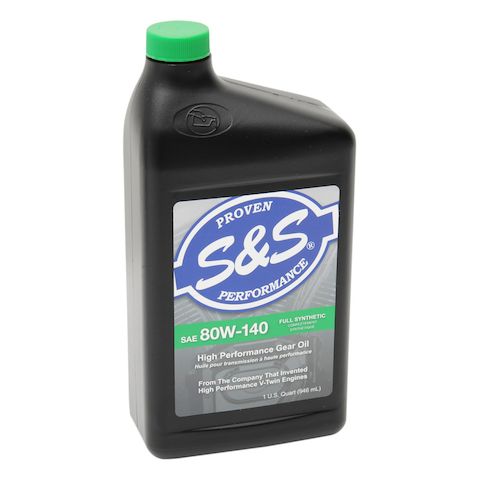
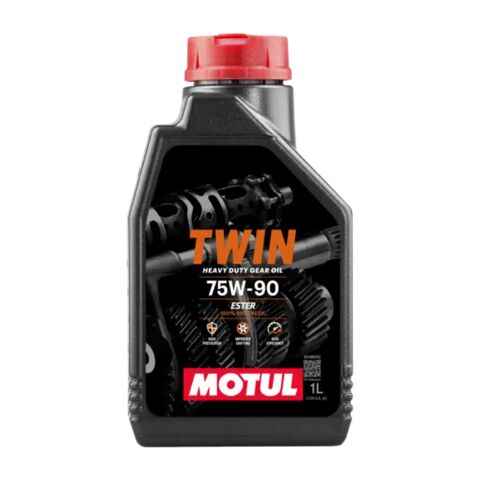
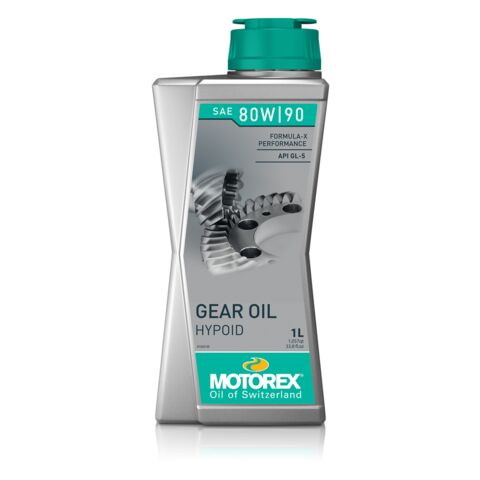
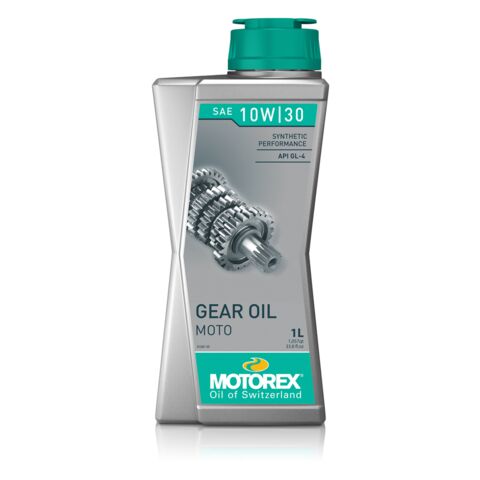
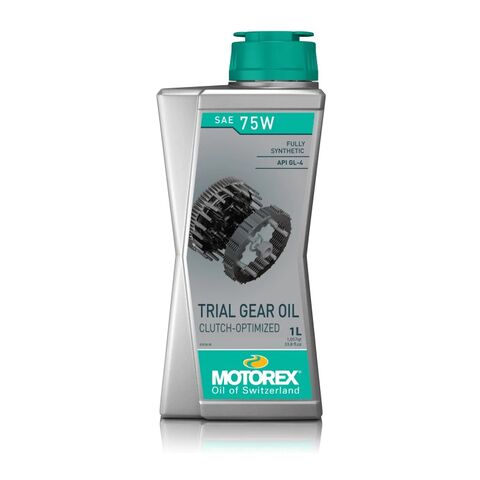
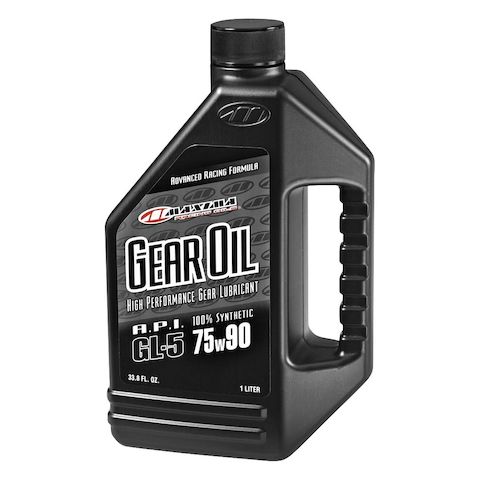
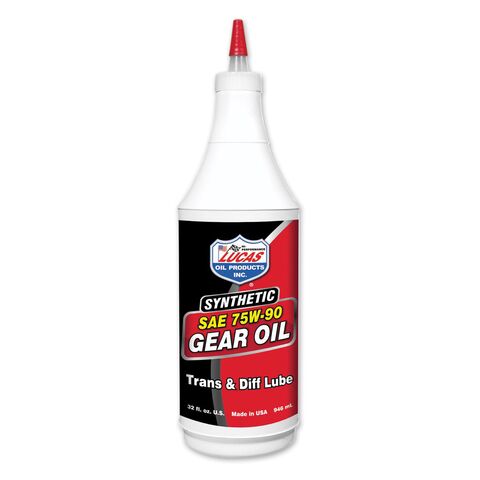
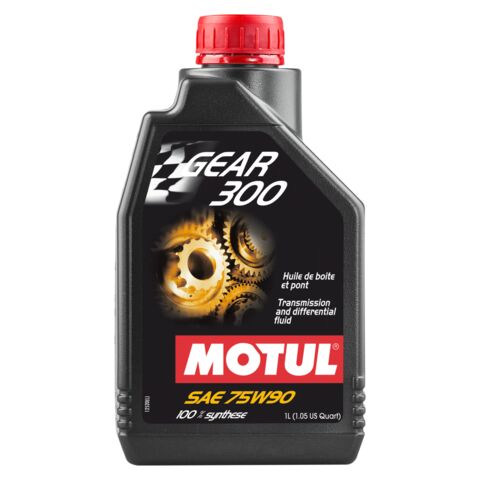
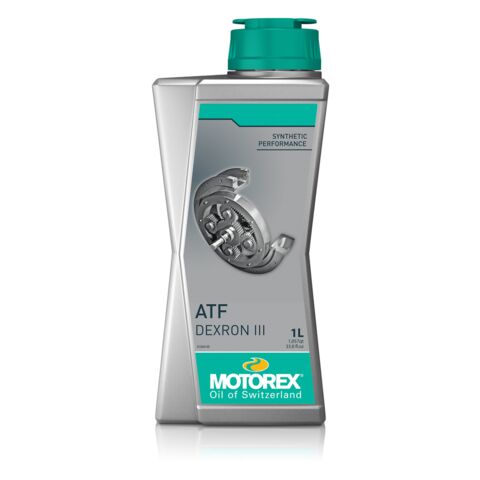
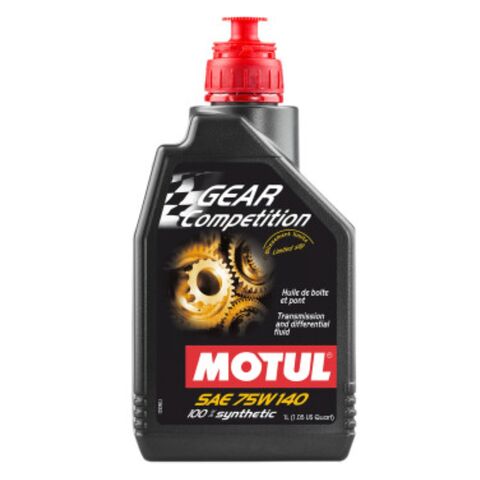
Enhance your vehicle's performance with our premium selection of synthetic oil for transmission. Formulated to provide superior lubrication, these oils help reduce friction and wear, ensuring smooth gear shifts and optimal operation. Designed for both automatic and manual transmissions, our synthetic oils offer excellent thermal stability and resistance to breakdown, making them ideal for high-performance driving conditions.
Our synthetic transmission oils also feature advanced additives that protect against oxidation and sludge formation, extending the life of your transmission system. With improved fluidity at low temperatures and exceptional performance at high temperatures, these oils ensure reliable operation in all driving environments. Upgrade your transmission fluid today for enhanced efficiency and longevity.