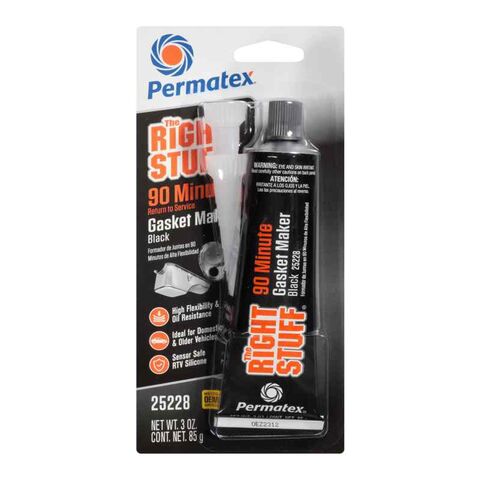
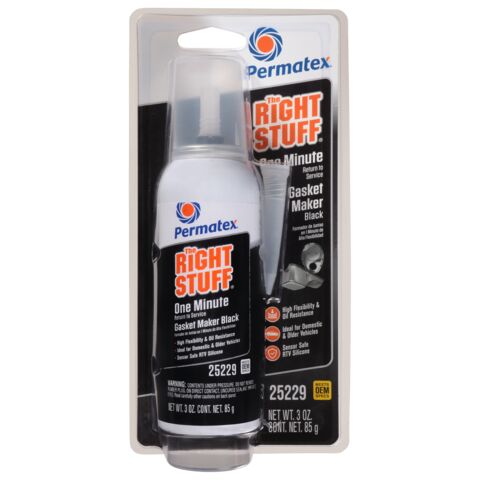
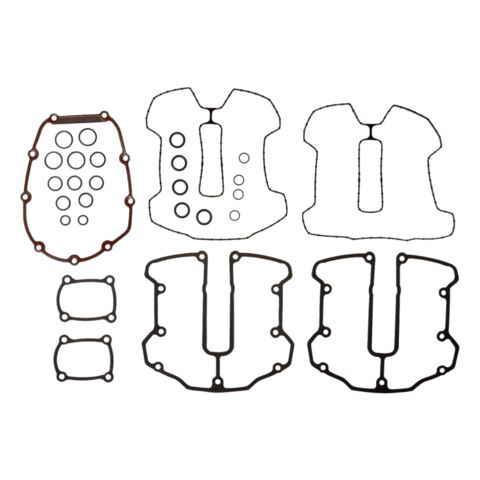
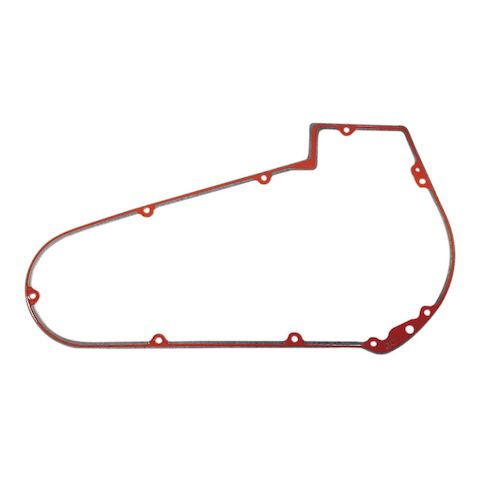
Silicone Gasket Material
On this page...
- What is silicone gasket material used for?
- What are the advantages of using silicone gasket material?
- How do you choose the right silicone gasket material for your application?
- Can silicone gasket material be used in high-temperature applications?
- Is silicone gasket material resistant to chemicals?
- What thickness of silicone gasket material should I use?
- Can silicone gasket material be used for both automotive and non-automotive applications?
- What should you consider when applying silicone gasket material?
Frequently Asked Questions For Silicone Gasket Material
Silicone gasket material is commonly used to create seals between engine components, ensuring that fluids do not leak. It is particularly effective in high-temperature and high-pressure environments, making it ideal for automotive and motorcycle applications. This material can also be used in various other applications, such as plumbing and HVAC systems, where a reliable seal is essential.
Silicone gasket material offers several advantages, including excellent flexibility and resilience, which allows it to maintain a strong seal under varying temperatures and pressures. It is also resistant to many chemicals and oils, making it suitable for use in automotive environments. Additionally, silicone can withstand extreme temperatures, ensuring durability and longevity in demanding applications.
When selecting silicone gasket material, consider factors such as the operating temperature range, chemical exposure, and the specific application requirements. It's important to ensure that the material's properties align with the conditions it will face, such as exposure to oil or coolant. Additionally, evaluate the thickness and hardness of the gasket material to ensure a proper fit and seal.
Yes, silicone gasket material is well-suited for high-temperature applications. It can typically withstand temperatures ranging from -65°F to 500°F, depending on the specific formulation. This makes it an excellent choice for engine components and other areas where heat is a concern.
Silicone gasket material generally exhibits good resistance to a variety of chemicals, including oils, fuels, and solvents. However, the level of resistance can vary based on the specific formulation of the silicone. It's important to check compatibility with the specific chemicals it will encounter in your application to ensure optimal performance.
The thickness of silicone gasket material you should use depends on the specific application and the surfaces being sealed. Thicker materials can provide better cushioning and compensate for surface irregularities, while thinner materials may be suitable for tighter spaces. Always refer to manufacturer guidelines or industry standards for recommendations on thickness.
Yes, silicone gasket material is versatile and can be used in both automotive and non-automotive applications. In automotive settings, it is commonly used for engine seals, while in non-automotive contexts, it can be found in plumbing, electrical, and HVAC systems. Its durability and resistance to various conditions make it a popular choice across multiple industries.
When applying silicone gasket material, it's important to ensure that the surfaces are clean and free of old gasket material or debris. Proper surface preparation helps achieve a better seal. Additionally, consider the curing time and conditions, as some silicone materials require specific temperatures or humidity levels to cure effectively.
Similar Categories
Silicone Gasket Material
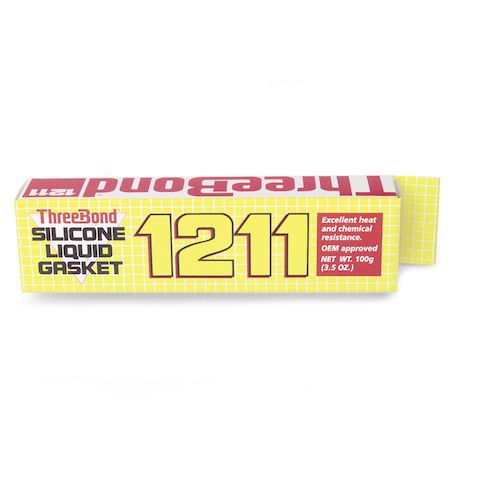
Silicone gasket material is essential for creating reliable seals in various automotive and industrial applications. Known for its excellent flexibility and durability, this material can withstand extreme temperatures and resist oil, water, and other fluids. Ideal for both DIY enthusiasts and professional mechanics, silicone gaskets provide a dependable solution for preventing leaks and ensuring optimal performance in engines and machinery.
Our selection of silicone gasket materials offers a range of thicknesses and formulations to meet your specific sealing needs. Easy to work with, these materials can be cut or shaped to fit various applications, making them versatile for different projects. Whether you're repairing an engine or sealing components, silicone gasket material delivers superior adhesion and longevity, ensuring a tight seal that lasts.