Search Suggestions
Menu
Results for in

Gasket Material for Gasoline Engines

14Products
Filter 0 Sort By
Gasket Material for Gasoline Engines

On this page...

  • What are the common types of gasket materials used for gasoline engines?
  • How do you choose the right gasket material for your engine?
  • Are there specific gasket materials better suited for high-performance engines?
  • Can gasket materials be used in different engine types?
  • What factors affect the lifespan of gasket materials in gasoline engines?
  • Are there any environmental considerations when selecting gasket materials?
  • What is the role of gasket sealants in conjunction with gasket materials?
  • Can gasket materials be reused, or should they always be replaced?
  • What are the signs that a gasket material may need replacement?

Frequently Asked Questions For Gasket Material for Gasoline Engines

Gasket materials for gasoline engines typically include rubber, silicone, cork, and metal. Each material has its own properties that make it suitable for different applications, such as temperature resistance and flexibility. Silicone gaskets, for example, are known for their durability and ability to withstand high temperatures, while rubber gaskets offer good sealing capabilities for various engine components.

Choosing the right gasket material involves considering factors such as the engine's operating temperature, pressure, and the fluids it will encounter. It's important to match the gasket material to the specific application, whether it's for a cylinder head, oil pan, or intake manifold. Additionally, ensure that the material is compatible with gasoline and can withstand the engine's operating conditions.

Yes, high-performance engines often require specialized gasket materials that can handle increased pressure and temperature. Materials like reinforced silicone or metal composites are commonly used in these applications due to their strength and durability. It's crucial to select gaskets that can maintain a proper seal under extreme conditions to prevent leaks and ensure optimal performance.

Many gasket materials are versatile and can be used across various engine types, including gasoline and diesel engines. However, it's essential to consider the specific requirements of each engine, such as operating temperature and fluid compatibility. Always refer to manufacturer specifications to ensure the chosen gasket material is appropriate for the engine type.

The lifespan of gasket materials in gasoline engines can be influenced by several factors, including temperature fluctuations, exposure to chemicals, and engine vibrations. High temperatures can cause certain materials to degrade faster, while exposure to oil or fuel can weaken the seal. Regular maintenance and inspections can help identify potential issues before they lead to gasket failure.

Yes, environmental considerations are increasingly important when selecting gasket materials. Some materials may release harmful substances during production or disposal, so opting for eco-friendly options can be beneficial. Additionally, consider the longevity and durability of the gasket material, as longer-lasting gaskets can reduce waste and the need for frequent replacements.

Gasket sealants are often used in conjunction with gasket materials to enhance sealing performance and prevent leaks. They can fill in small gaps and imperfections, providing a more reliable seal. However, it's important to choose a sealant that is compatible with the gasket material and the fluids it will encounter to avoid any adverse reactions.

In general, gasket materials should be replaced rather than reused to ensure a proper seal. Reusing gaskets can lead to leaks and engine performance issues, as they may not maintain their integrity after being compressed. However, some high-quality materials may be designed for reuse, but this should be assessed on a case-by-case basis.

Signs that a gasket material may need replacement include oil or coolant leaks, visible wear or damage, and engine overheating. Additionally, if you notice a drop in engine performance or unusual noises, it may indicate a failing gasket. Regular inspections can help catch these issues early and prevent more significant engine problems.

Gasket Material for Gasoline Engines

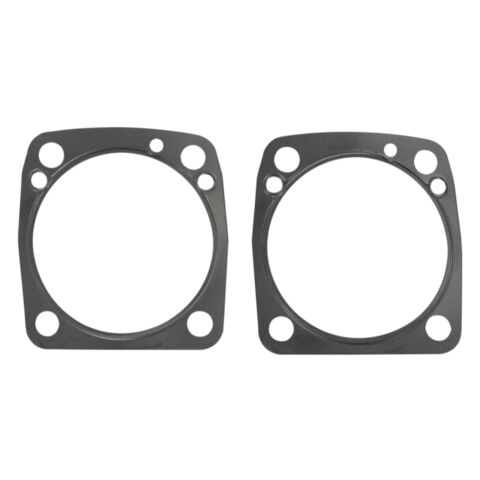
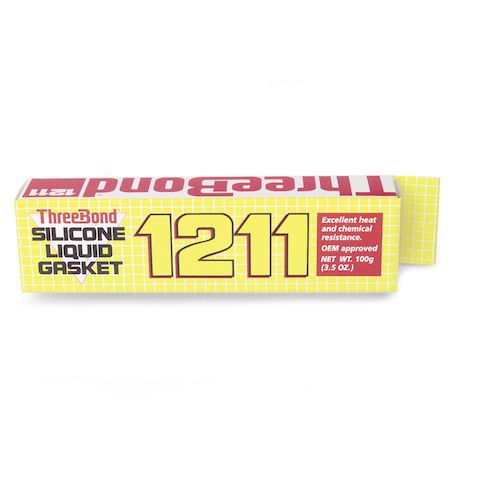
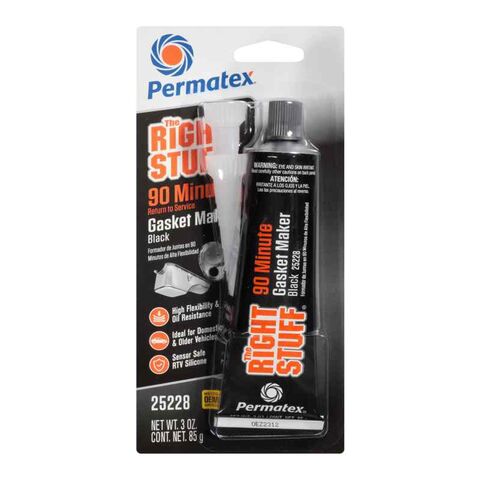
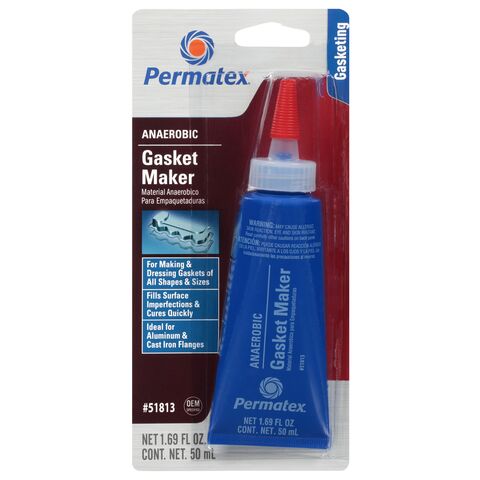
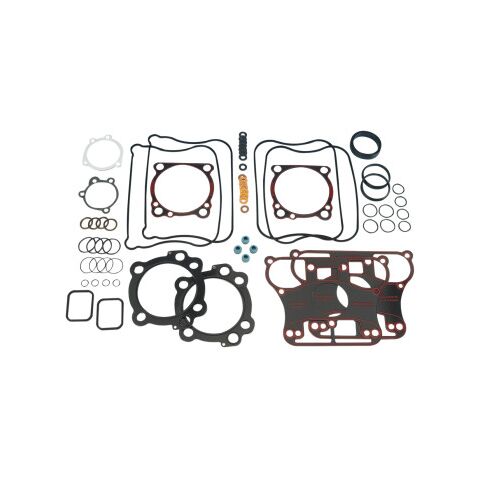
Finding the right gasket material for gasoline engines is essential for ensuring a reliable seal and preventing leaks. Our selection features high-quality gasket materials designed to withstand the demanding conditions of engine operation. Whether you need a liquid gasket maker or a durable sheet material, our products provide excellent resistance to oil, heat, and pressure, ensuring optimal performance and longevity.

Our gasket materials are engineered for easy application and compatibility with various engine types. They offer superior adhesion and flexibility, making them ideal for both professional mechanics and DIY enthusiasts. With a focus on durability and reliability, our gasket materials help maintain engine integrity, reduce maintenance costs, and enhance overall engine efficiency. Trust our range to keep your gasoline engine running smoothly and efficiently.