Search Suggestions
Menu
Results for in

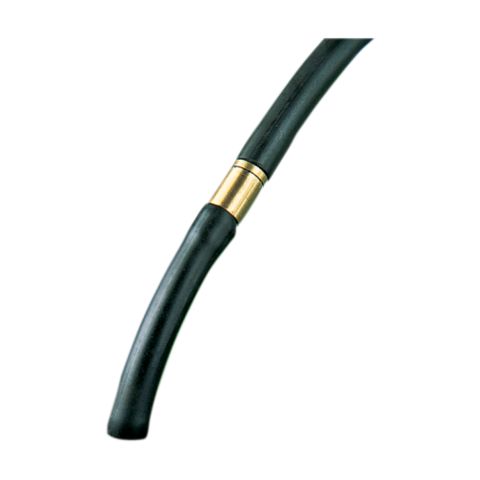
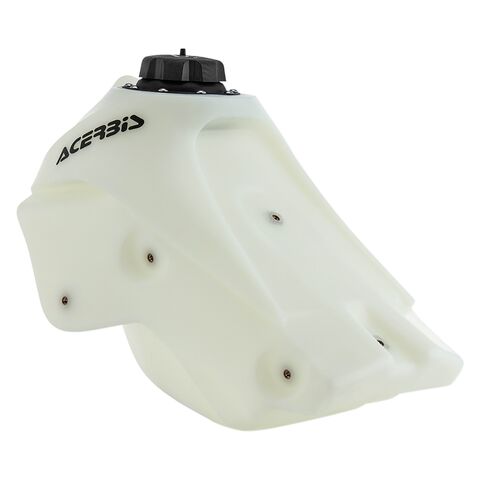
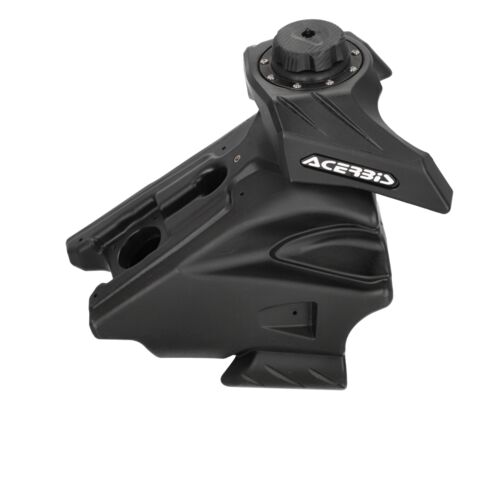
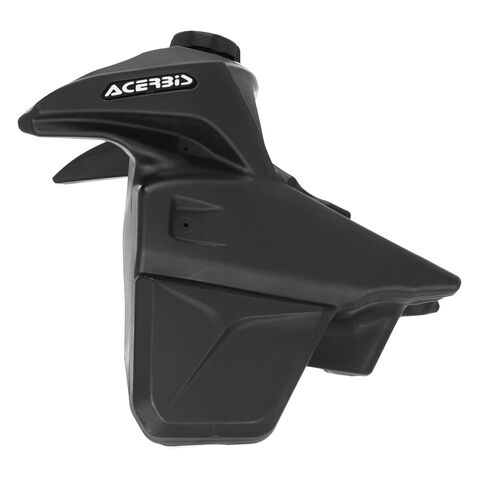
Motorcycle Fuel Tank Vent

68Products
Filter 0 Sort By
Motorcycle Fuel Tank Vent

On this page...

  • What is a motorcycle fuel tank vent and why is it important?
  • How do I know if my motorcycle fuel tank vent is functioning properly?
  • Can a blocked fuel tank vent affect my motorcycle's performance?
  • What are common signs of a malfunctioning fuel tank vent?
  • Are there different types of fuel tank vents for motorcycles?
  • Can I modify my motorcycle's fuel tank vent system?
  • What materials are commonly used in motorcycle fuel tank vent components?
  • How does weather affect the performance of a motorcycle fuel tank vent?
  • What maintenance should I perform on my motorcycle's fuel tank vent?

Frequently Asked Questions For Motorcycle Fuel Tank Vent

A motorcycle fuel tank vent is a crucial component that allows air to enter the fuel tank as fuel is consumed. This prevents a vacuum from forming, which can hinder fuel flow to the engine. Proper venting ensures optimal performance and prevents fuel starvation during rides.

You can check the functionality of your motorcycle fuel tank vent by observing the fuel flow during operation. If you experience sputtering or a loss of power, it may indicate a venting issue. Additionally, inspecting for blockages or damage to the vent line can help identify problems.
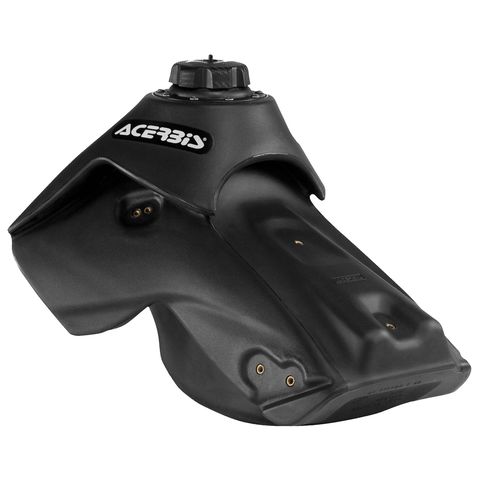
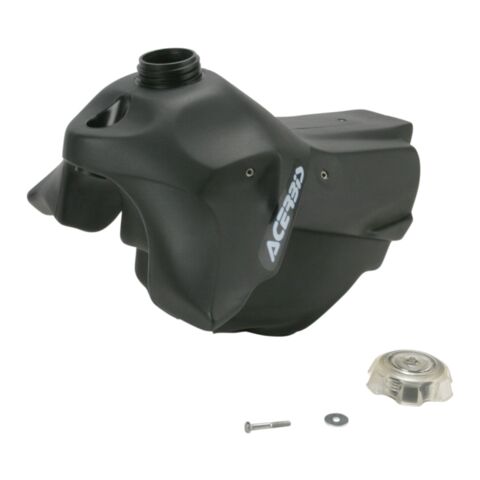
Yes, a blocked fuel tank vent can significantly impact your motorcycle's performance. It can create a vacuum in the tank, restricting fuel flow and leading to engine stalling or poor acceleration. Regular maintenance and inspection of the vent system can help prevent these issues.

Common signs of a malfunctioning fuel tank vent include difficulty starting the motorcycle, engine stalling after short rides, or a noticeable decrease in power. If you notice these symptoms, it may be time to inspect the venting system for blockages or damage.

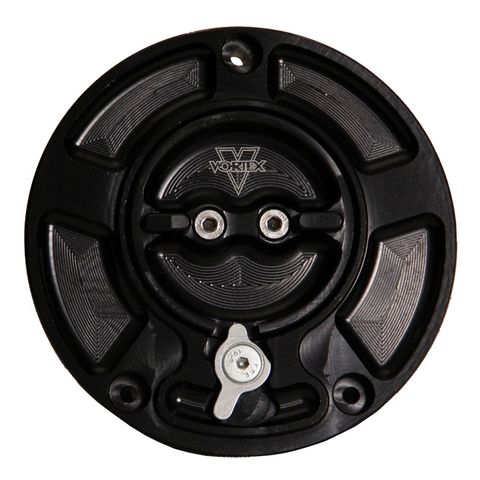
Yes, there are various types of fuel tank vents designed for different motorcycle models and applications. Some vents are integrated into the fuel cap, while others may be part of a separate venting system. It's essential to choose a vent that is compatible with your motorcycle's design and fuel system.

Modifying your motorcycle's fuel tank vent system is possible, but it should be done with caution. Any changes can affect fuel flow and engine performance, so it's important to ensure that modifications maintain proper venting and comply with safety standards.

Motorcycle fuel tank vent components are typically made from durable materials such as rubber, plastic, or metal. These materials are chosen for their resistance to fuel and environmental factors, ensuring longevity and reliability in various riding conditions.

Weather can impact the performance of a motorcycle fuel tank vent, especially in extreme conditions. For instance, cold weather can cause fuel to thicken, while moisture can lead to blockages. It's important to regularly check the vent system, especially after riding in harsh weather.

Regular maintenance of your motorcycle's fuel tank vent includes inspecting for blockages, checking for cracks or damage, and ensuring that the vent line is clear. Cleaning the vent area and ensuring it is free from debris can help maintain optimal fuel flow and performance.

Motorcycle Fuel Tank Vent

A reliable motorcycle fuel tank vent is essential for maintaining optimal fuel flow and pressure within your bike's fuel system. Designed to prevent vacuum buildup, these vents ensure that your engine receives a steady supply of fuel, enhancing performance and efficiency. Our selection features durable materials that withstand the rigors of the road, ensuring long-lasting functionality.

These fuel tank vents are engineered for easy installation and compatibility with various motorcycle models. With features like anti-leak designs and resistance to fuel corrosion, they provide peace of mind during your rides. Upgrade your motorcycle's fuel system with our high-quality vent solutions to enjoy a smoother, more responsive riding experience.