Search Suggestions
Menu
Results for in

Motorcycle Fuel Lines

46Products
Filter 0 Sort By
Motorcycle Fuel Lines

On this page...

  • What exactly is a motorcycle fuel line and why is it important?
  • How often should I inspect or replace my motorcycle’s fuel line?
  • What types of materials are used for motorcycle fuel lines and which are best?
  • How do I choose the correct size fuel line for my motorcycle?
  • What installations or riding conditions make fuel line quality especially critical?
  • Can I install a fuel line myself or should a professional do it?
  • What maintenance should I perform on my fuel line to extend its life?
  • What are the risks of using a wrong or degraded fuel line on a motorcycle?
  • Are braided or high-performance fuel lines worth the extra cost?
  • How much should I budget for quality fuel line when servicing my motorcycle?

Frequently Asked Questions For Motorcycle Fuel Lines

A motorcycle fuel line is the hose or tubing that carries gasoline (and sometimes vapour) from the fuel tank to the engine’s intake system. Having a fuel line that is compatible with modern fuels, properly sized and in good condition is critical, if the line degrades or leaks, you risk fuel starvation, vapour lock or even fire.

It depends on usage and environment, but many mechanics recommend checking fuel line condition during every major service and replacing it every few years if you notice hardening, cracks, bubbles, or discoloration. Some long-time riders report rubber fuel hoses starting to crack in just 5 years, especially when exposed to heat, UV and ethanol fuels.

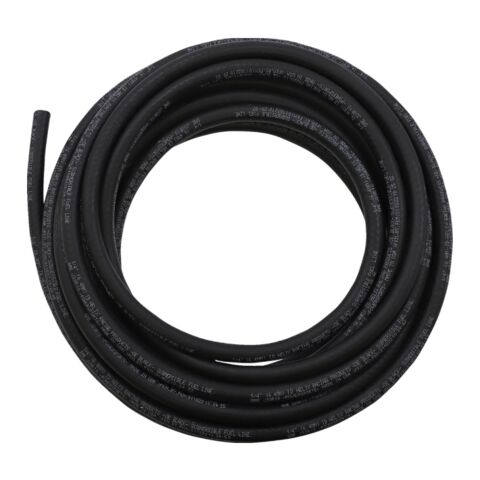
Fuel lines may be made of black rubber, clear or translucent vinyl/urethane hose, Tygon® tubing, nylon/steel braided hose, or specialised fuel-injection rated hose. Rubber remains common, but clear or cheaper plastic hoses may degrade quicker with ethanol fuels; many riders recommend fuel-injection rated rubber, reinforced nylon or braided fuel hose for durability.

First check your machine’s original fuel line inner diameter (ID) and outer diameter (OD). Choose a hose with equal or slightly better flow capacity, ensure it fits the fuel connections/banjo/fittings, and is rated for your system (especially if you have fuel injection vs carburetor). Incorrect size can lead to restricted flow or loose, leaking connections.

If you ride older bikes, modified bikes, track bikes, dual-sport/ADVs, or machines exposed to heat (engine proximity), vibration, and ethanol/bio-fuels, fuel line quality becomes very important. In these conditions, cheap or unsuitable hose can stiffen, get brittle, kink or collapse under suction or heat, leading to performance issues or failure.

Yes, replacing a motorcycle fuel line is often a DIY job if you’re comfortable with basic tools and fuel-system precautions. You’ll want to relieve fuel pressure (if applicable), clamp or replace old hose, ensure clean fittings, route away from hot/exhaust areas, and verify no leaks. However, if your fuel system is complex (EFI with high pressure, hidden hoses) a professional might be safer.

Keep the line clean and free from oil/fuel deposits, inspect for kinks, abrasion or rubbing against frame/engine, check for fading/discoloration or hardening of the hose wall, and ensure clamps or fittings are tight but not over-torqued. Also consider replacing hoses that feel brittle, swell under suction or show signs of internal collapse.

A degraded or wrong fuel line can collapse under vacuum (starving the engine), leak fuel (fire hazard), allow air/vapour ingestion (causing hesitation or stalling), or fail unexpectedly. Some riders have warned against using cheap vinyl hoses with ethanol fuels because the hose may deteriorate rapidly.

For many riders, especially those on performance, modified or off‐road motorcycles, upgrading to a braided, nylon-reinforced or specially rated fuel line can offer better durability, higher temperature resistance and peace of mind. For simple commuter bikes in mild conditions a standard fuel line may suffice, but the investment pays off when conditions are demanding.

Quality motorcycle fuel line hose can range from budget – around $10–20 for a universal hose length, up to $30–50+ for specialised braided or injection-rated hose kits. Given how critical fuel supply is, spending a modest amount on hose that’s rated and sized correctly is a wise investment to avoid bigger issues.
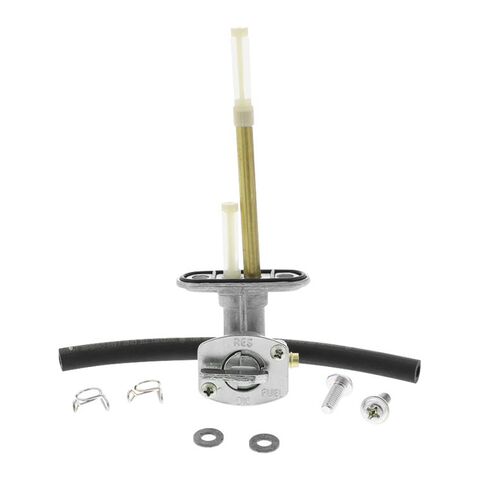
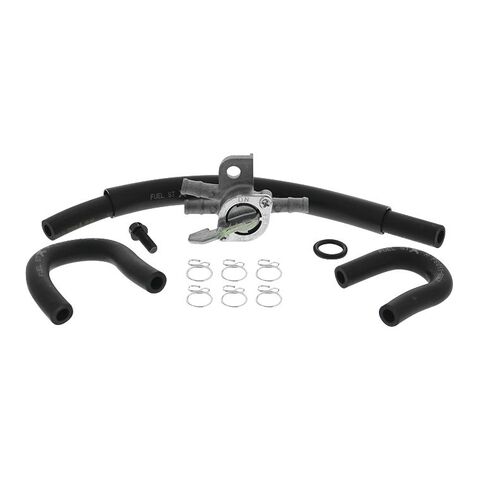
Motorcycle Fuel Lines

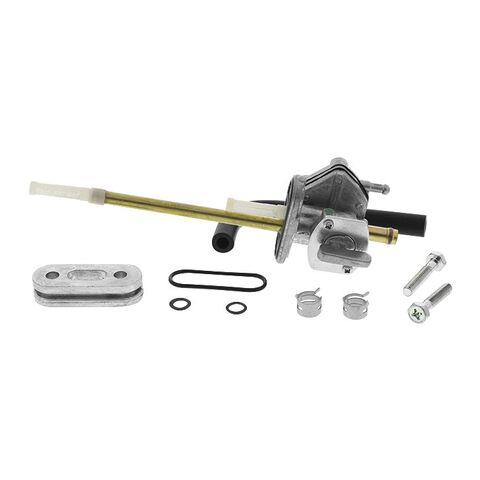
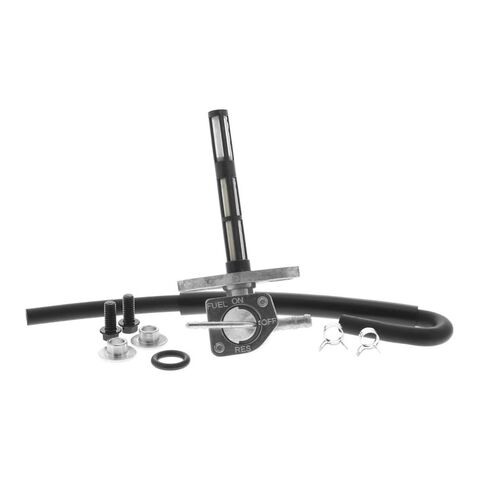
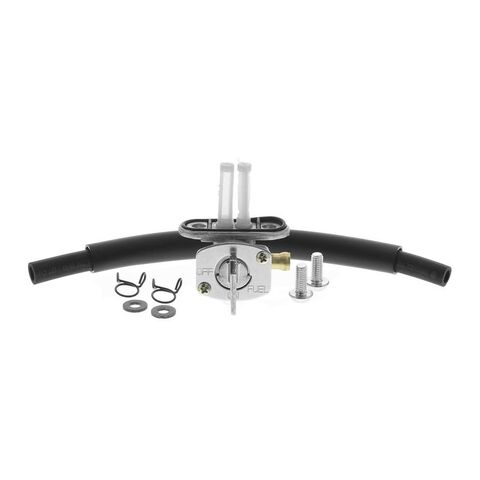
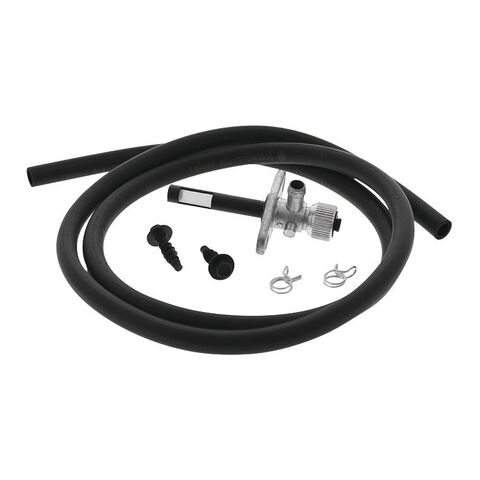
Ensure your motorcycle runs efficiently with our premium selection of motorcycle fuel lines. Designed to withstand high pressure and extreme temperatures, these fuel lines provide reliable fuel delivery while resisting wear and degradation. Whether you're upgrading or replacing existing lines, our products are engineered for durability and performance, ensuring a safe and efficient ride.

Our motorcycle fuel lines are compatible with a variety of fuel types and feature excellent flexibility for easy installation. With resistance to fuel leaks and environmental factors, these lines help maintain optimal fuel flow and engine performance. Trust our collection to keep your motorcycle's fuel system operating smoothly and efficiently.