Motorcycle Tank Cover
Filters
On this page...
- What is a motorcycle tank cover and why would I use one?
- Are motorcycle tank covers just for looks, or do they have functional benefits?
- How do I choose the right motorcycle tank cover for my bike?
- What materials are motorcycle tank covers made from and what are the pros/cons?
- Will installing a motorcycle tank cover interfere with fuel access or riding ergonomics?
- How should I take care of and maintain my motorcycle tank cover?
- Can a motorcycle tank cover help with resale value of the bike?
- Are there any drawbacks to installing a motorcycle tank cover?
- How much should I expect to spend for a good motorcycle tank cover?
- When should I install or replace a motorcycle tank cover?
Frequently Asked Questions For Motorcycle Tank Cover
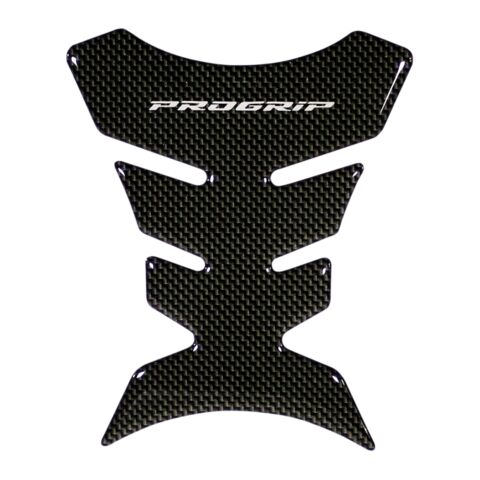
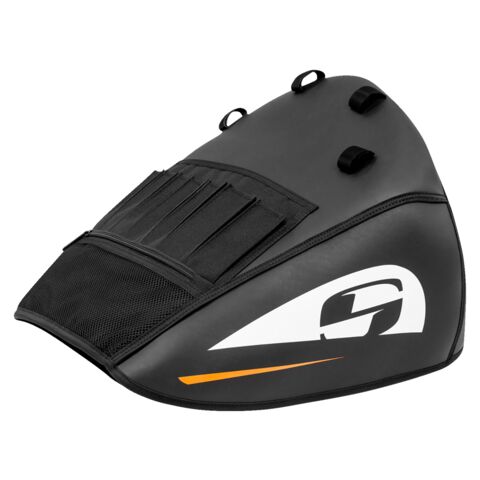
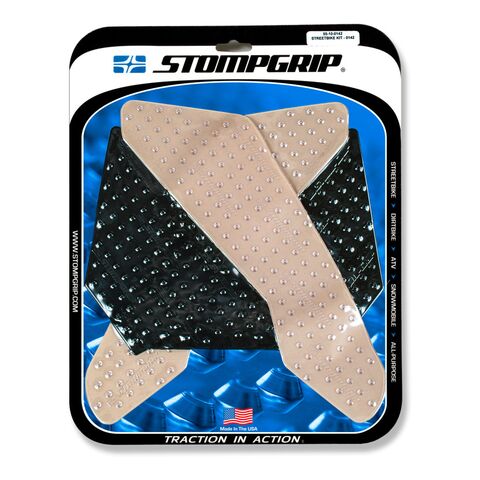
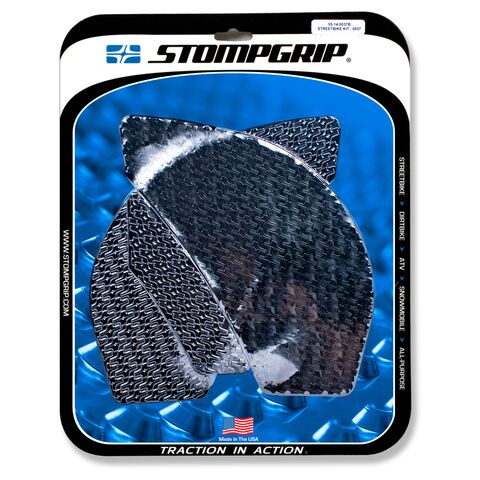
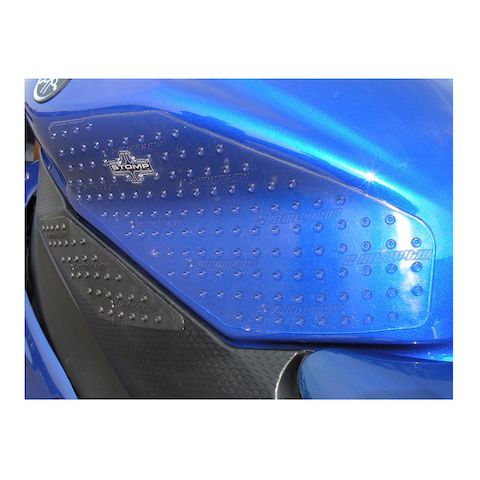
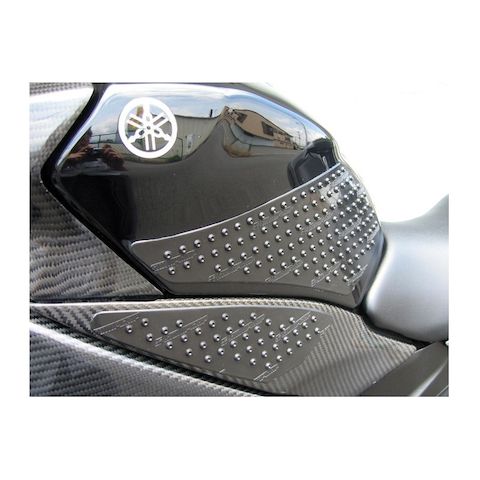
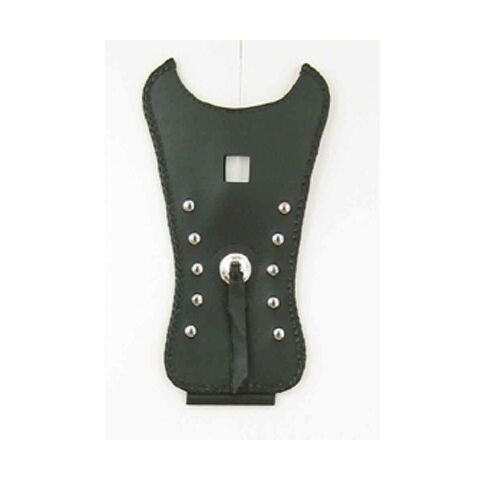
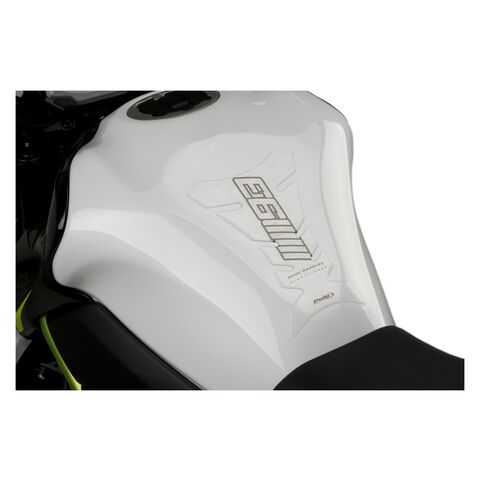
A motorcycle tank cover is an accessory that fits over or adheres to the fuel tank to protect it from scratches, dents, UV damage or to change its aesthetic look. It helps preserve the original paint finish, maintain resale value and can provide a custom style or added utility (such as pockets or straps). If the bike is regularly used with a backpack, tank bag, or is visually exposed in parking lots, a tank cover adds a layer of protection and personalization.
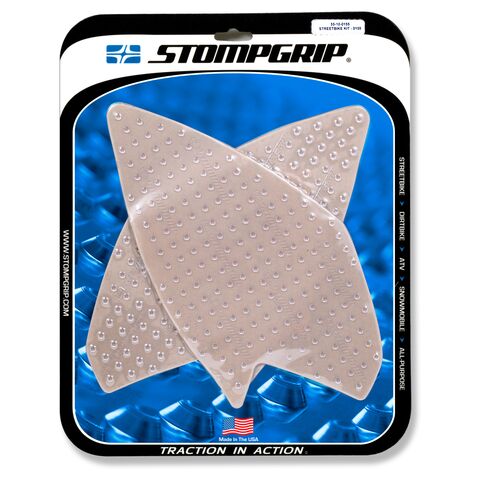
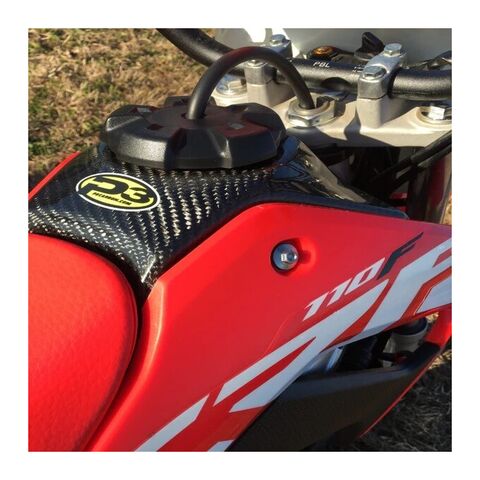
They definitely serve a functional benefit: tank covers can guard against wear caused by jacket zippers, belt buckles, tank-bags, fuel spills or abrasion from riding gear. Many riders find the protective benefit outweighs purely aesthetic choices, especially in everyday or adventure use. At the same time, many covers also come in custom finishes, logos or textures, allowing the rider to enhance appearance while still getting protection.
Check that the cover is designed to fit your make/model/year (tank shape, mounting points, filler cap location) or is a universal cover with adjustable straps. Also consider the material (leather, vinyl, nylon, molded plastic, gel pad) and whether you want pockets, straps, or just a protective pad. Look at how it mounts, some simply strap on, others adhere permanently, and ensure the finish and colour match or complement your bike.
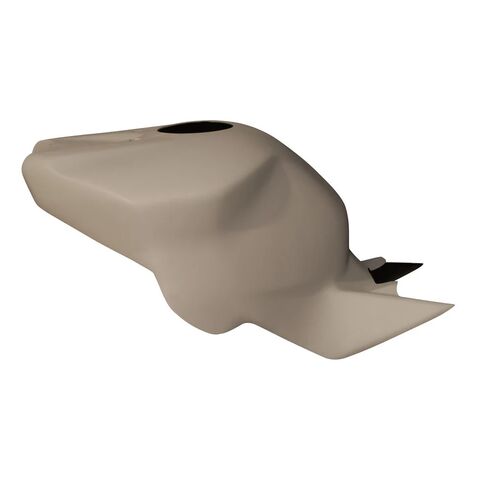
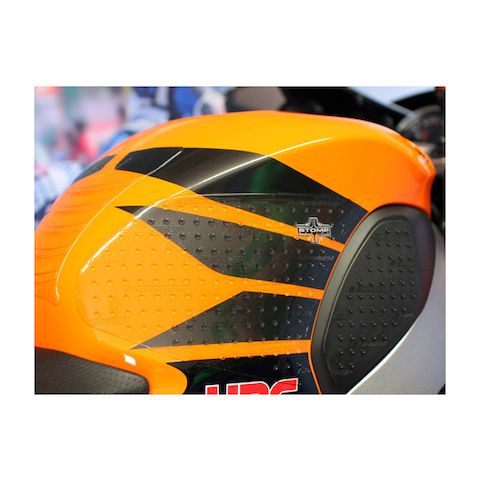
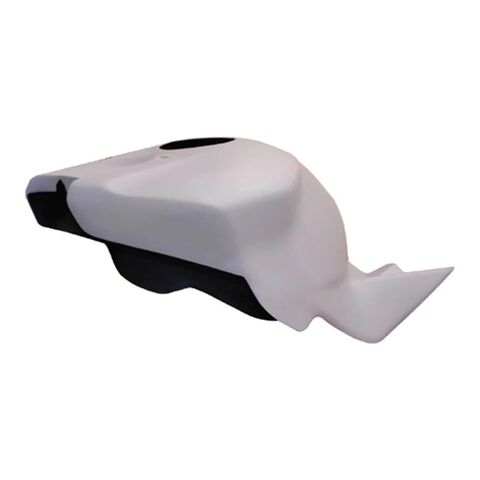
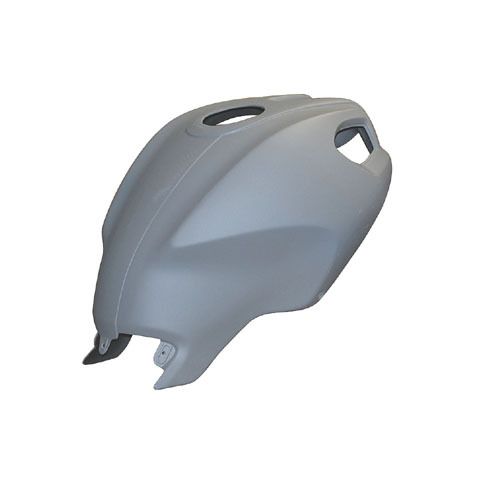
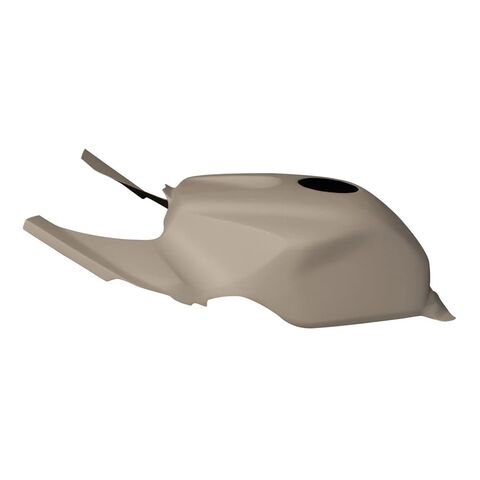
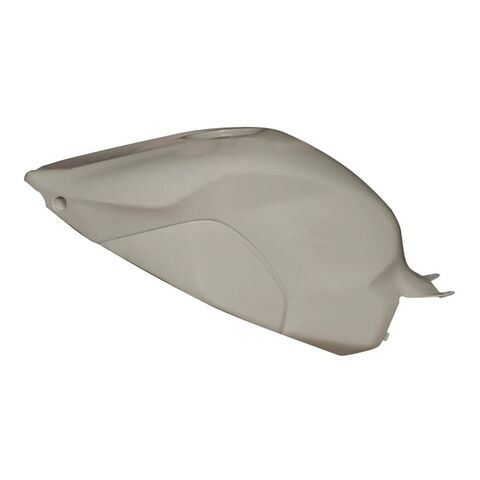
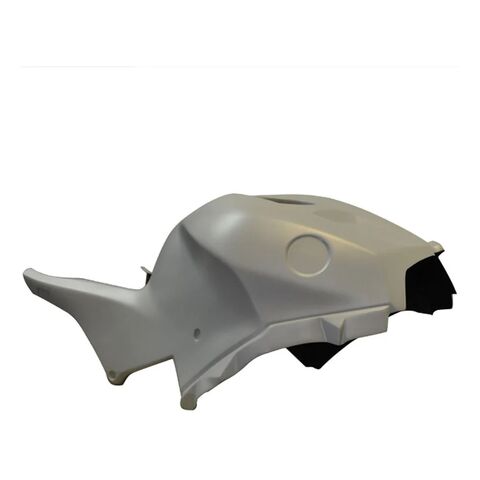
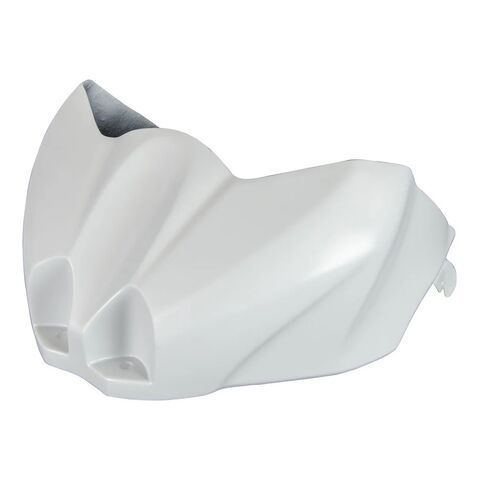
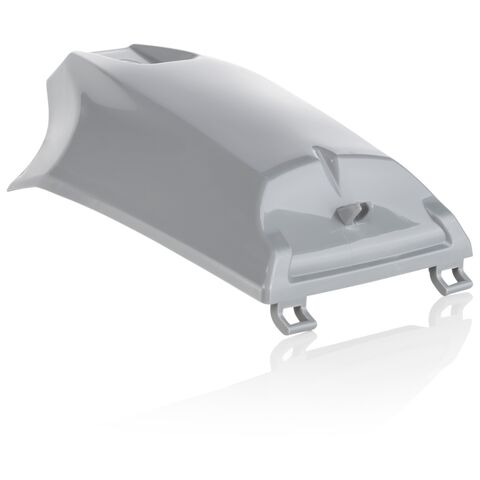
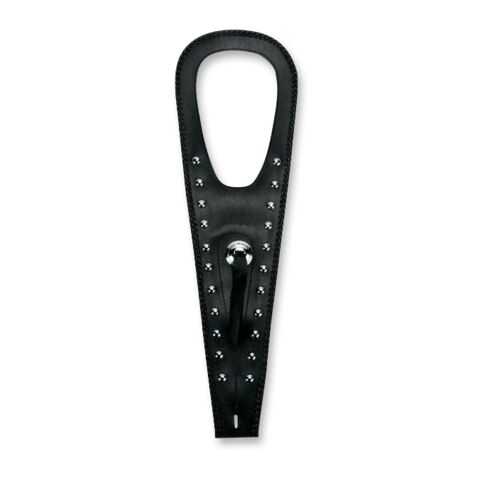
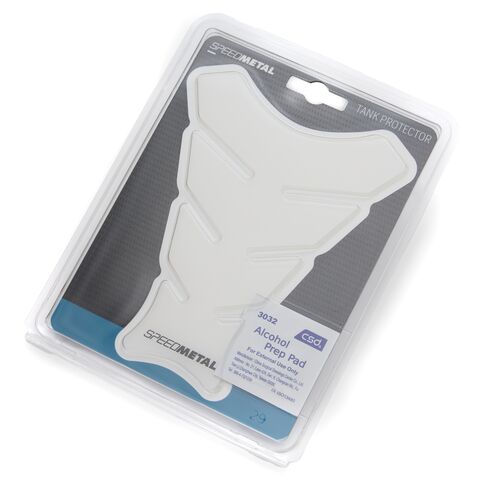
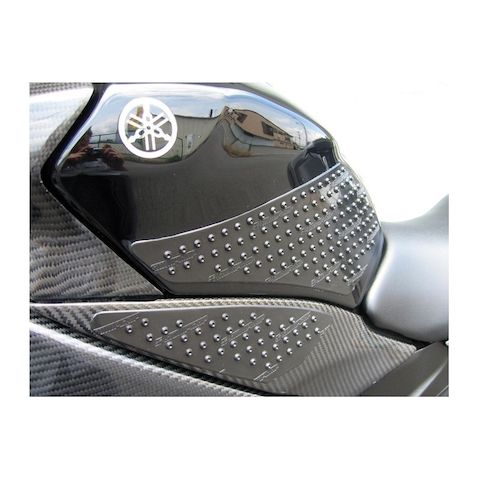
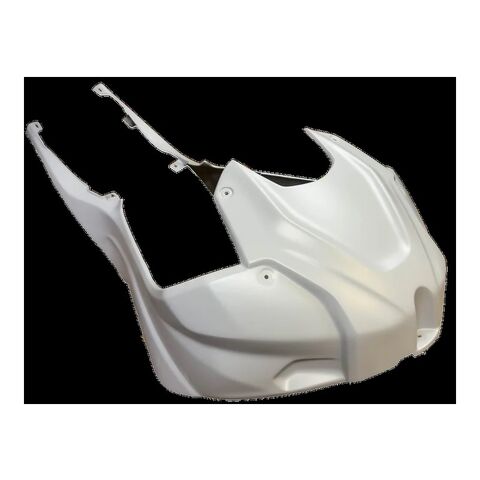
Materials include premium leather (offers premium styling and aging look), nylon or ballistic fabric (tough and lightweight), molded plastic/fiberglass (for custom tanks or stylised looks), and adhesive vinyl/gel pads (for scratch protection). Leather covers look great and develop patina but may cost more; fabric covers are often more budget-friendly; molded covers can drastically change the tank’s shape or style but may affect access or fuel cap clearance.
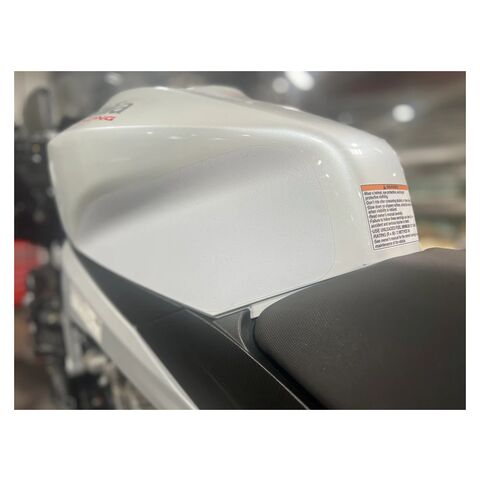
A well-designed tank cover should not interfere with the filler cap, fuel gauge, mounting bolts or your riding stance. When choosing, verify the cover allows full access to the cap and doesn’t shift or bunch under your legs or tank bag. Poorly fitted covers can flex under load, hide scratches rather than preventing them, or interfere with knee grip and leg contact, so fitment and material quality matter.
If leather, clean and condition it periodically to prevent drying or cracking; if fabric, brush off debris and avoid high-pressure washing directly on seams. In any case, remove the cover occasionally to check the tank for trapped moisture or damage underneath. Proper maintenance of the cover ensures both the accessory and the tank it protects remain in good condition.
Yes, a tank is often one of the first spots where wear, scuffs or fading appear and can reduce perceived value. By using a well-fitted tank cover, you may keep the original paint or finish in better shape, which can make the bike look better-maintained. If the cover is styled well and fits tightly, it can also enhance the bike’s curb appeal and distinguish it as a cared-for machine.
Some covers may slightly increase bulk or change how you interface with the tank (for example knee-grip areas). If not fitted properly, the cover might shift or trap dirt/moisture underneath, which could damage the tank surface over time. Also, heavily stylised or oversized covers might not suit every bike’s aesthetic or may limit your ability to use accessories like tank bags or grips.
Prices vary widely based on material, fitment, brand and additional features (pockets, straps, custom graphics). Basic protective covers start around $30–$60, while premium leather or custom-molded covers can range $200 or more. Choosing quality material and fit is important because a cheap poorly-fitting cover might offer little protection or look out-of-place.
Install a tank cover as soon as you want to protect your paint job, ideally when the bike is new or freshly painted. Replace the cover if the material degrades (fading, cracking, loosening straps), the fit becomes sloppy, or if you change tank shape/graphics. A well-maintained cover should last years; replacing only when visibly worn will ensure continuous protection.
Similar Categories
Motorcycle Tank Cover
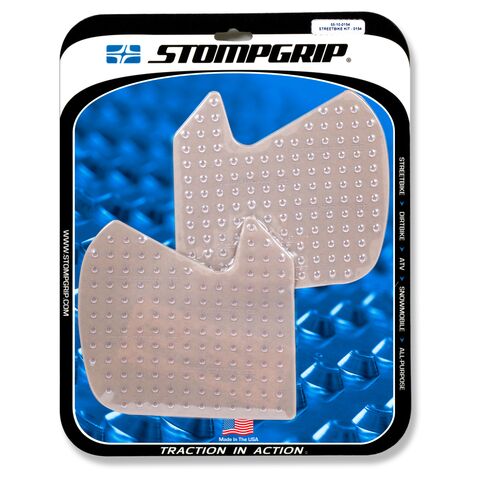
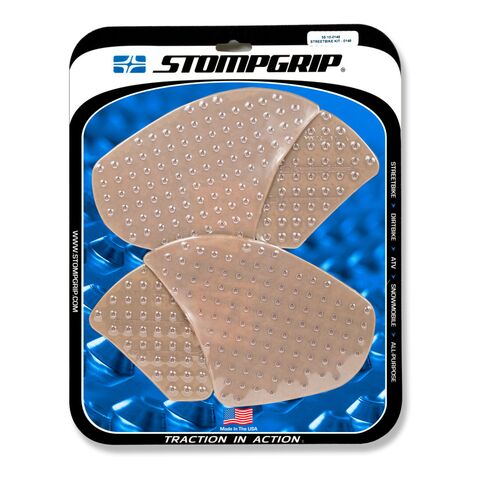
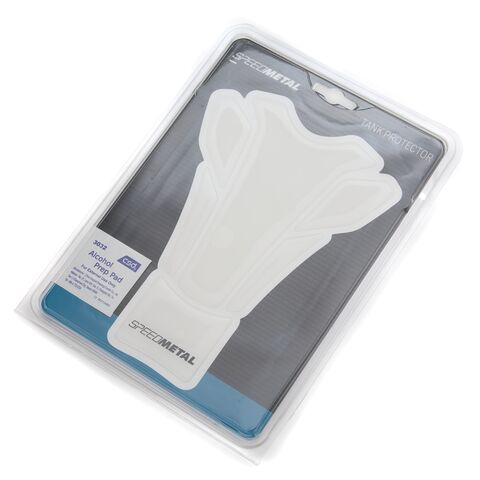
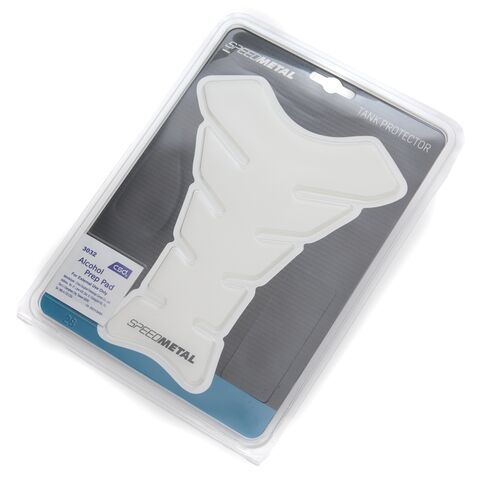
Enhance your motorcycle's style and protection with our premium motorcycle tank covers. Designed to fit snugly over your tank, these covers provide a barrier against scratches, dirt, and UV damage, ensuring your bike looks great for years to come. Made from durable, high-quality materials, they are built to withstand the rigors of the road while adding a personalized touch to your ride.
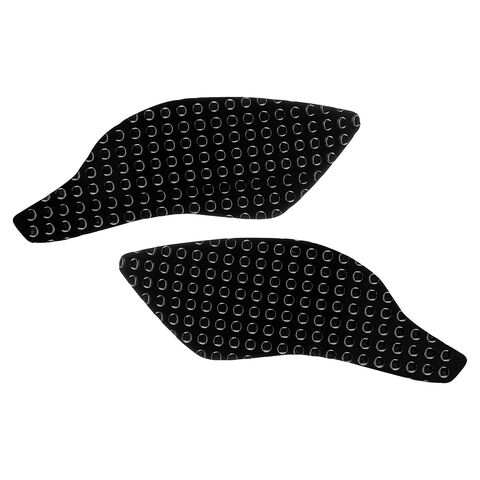
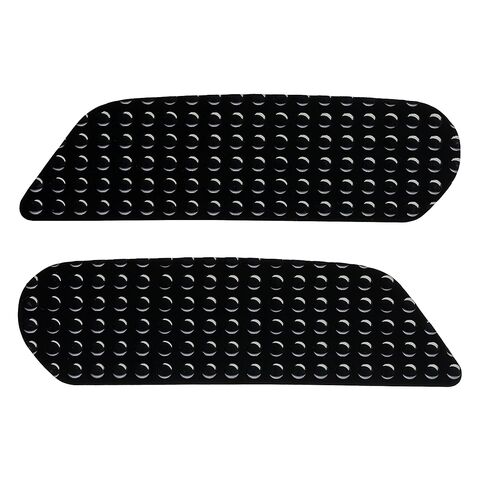
Our motorcycle tank covers are available in various designs and colors, allowing you to choose the perfect match for your bike's aesthetics. Many feature non-slip backing for added stability and easy installation, making them a practical choice for riders. Upgrade your motorcycle's appearance and safeguard its finish with our versatile tank covers, designed for both functionality and style.