
Gasoline Stabilizer
On this page...
- What is a gasoline stabilizer and how does it work?
- Why should I use a gasoline stabilizer?
- How long can gasoline be stored with a stabilizer?
- Can gasoline stabilizers be used in all types of engines?
- What should I look for when choosing a gasoline stabilizer?
- Are there any safety concerns with using gasoline stabilizers?
- Can gasoline stabilizers help with ethanol-blended fuels?
- Is it necessary to use a gasoline stabilizer for short-term storage?
Frequently Asked Questions For Gasoline Stabilizer
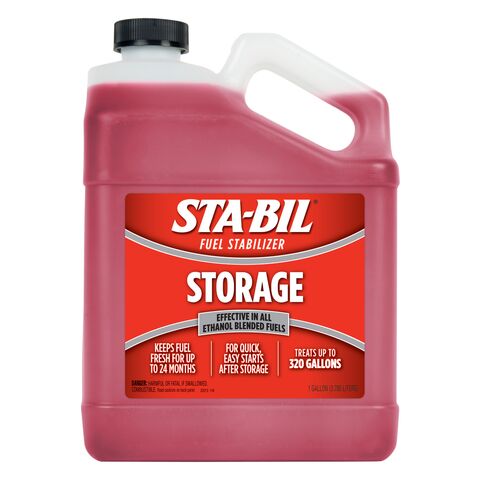
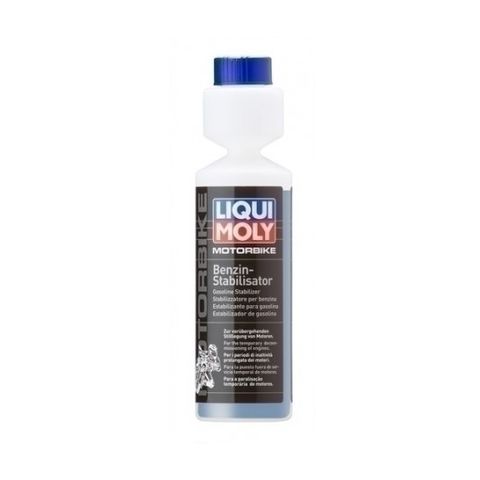
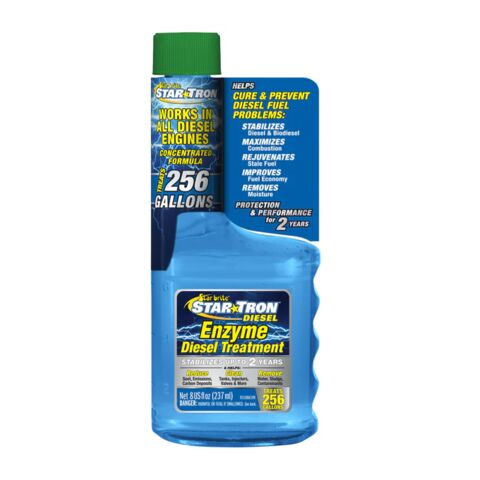
A gasoline stabilizer is a chemical additive designed to prolong the shelf life of fuel by preventing degradation and oxidation. It works by inhibiting the formation of varnish and gum that can occur when gasoline sits for extended periods, especially in small engines or vehicles that are not used frequently. By maintaining fuel quality, it helps ensure that engines start easily and run smoothly when the fuel is eventually used.
Using a gasoline stabilizer is particularly important for anyone who stores fuel for long periods, such as during winter months or when keeping seasonal vehicles. It helps prevent issues like fuel separation, which can lead to engine performance problems. Additionally, stabilizers can protect against corrosion and deposits that can form in fuel systems, ultimately extending the life of your engine.
When properly treated with a gasoline stabilizer, fuel can be stored for up to 12 months or longer, depending on the specific product and conditions. It’s important to follow the manufacturer’s guidelines for the amount of stabilizer to use and the type of fuel being treated. Proper storage conditions, such as keeping the fuel in a cool, dry place, can also enhance its longevity.
Most gasoline stabilizers are suitable for use in a variety of engines, including those found in cars, motorcycles, lawn equipment, and boats. However, it’s essential to check the product specifications to ensure compatibility with your specific engine type. Some stabilizers are formulated specifically for marine applications or small engines, so selecting the right one can optimize performance.
When selecting a gasoline stabilizer, consider factors such as the intended use (e.g., for cars, boats, or small engines), the duration of storage you require, and any additional benefits like corrosion protection. Look for products that are easy to use and have clear instructions on dosage. Additionally, checking for certifications or endorsements can provide assurance of quality and effectiveness.
While gasoline stabilizers are generally safe when used as directed, it’s important to handle them with care. Always use them in well-ventilated areas and avoid direct contact with skin or eyes. Additionally, ensure that you store stabilizers away from heat sources and out of reach of children, as they are flammable and can pose hazards if not handled properly.
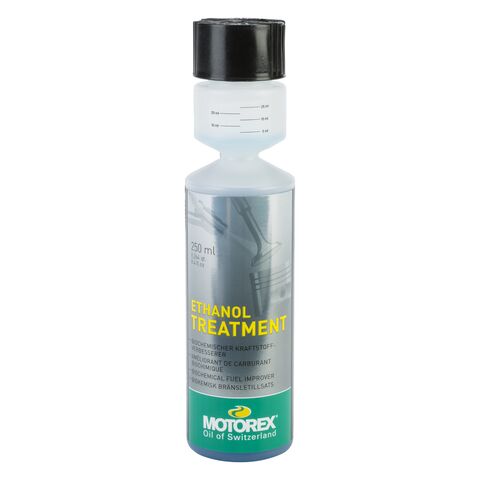
Yes, many gasoline stabilizers are specifically formulated to address the challenges posed by ethanol-blended fuels, such as E10 or E15. Ethanol can attract moisture and lead to phase separation, which can cause engine issues. A stabilizer can help mitigate these effects by reducing moisture absorption and preventing corrosion in the fuel system.
For short-term storage, such as a few weeks to a couple of months, a gasoline stabilizer may not be strictly necessary, especially if the fuel is fresh. However, if you anticipate longer periods without use, adding a stabilizer can provide peace of mind and ensure that the fuel remains in good condition, reducing the risk of starting issues when you return to use the engine.
Similar Categories
Gasoline Stabilizer
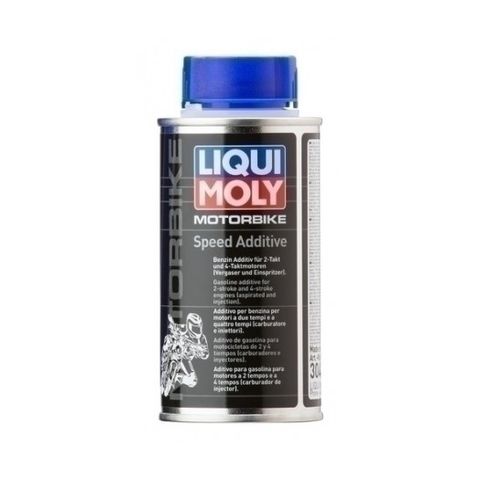
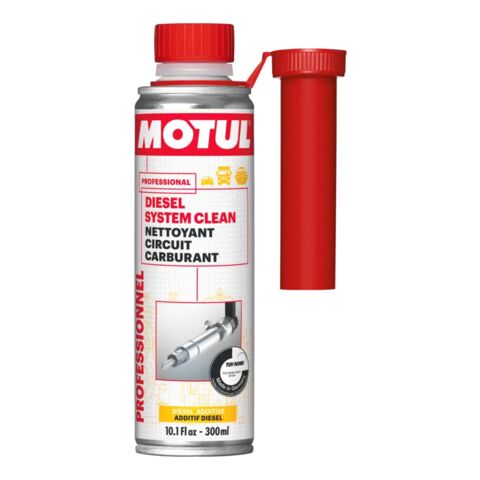
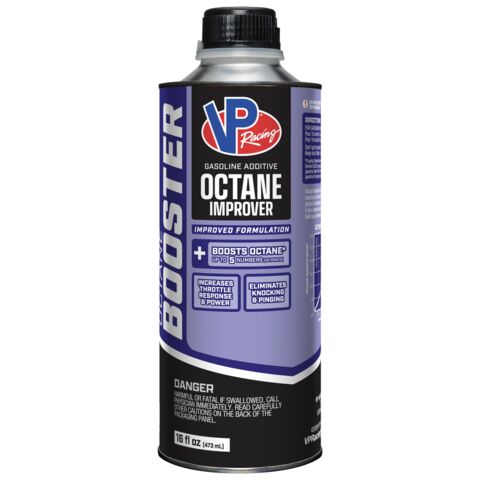
Gasoline stabilizers are essential for maintaining the quality and performance of fuel during storage. These products help prevent fuel degradation, ensuring that your engine starts easily and runs smoothly after periods of inactivity. By inhibiting the formation of varnish and gum, gasoline stabilizers protect your fuel system and prolong the life of your engine.
Our selection of gasoline stabilizers is designed to work with all types of gasoline, providing long-lasting protection against oxidation and moisture. Ideal for seasonal vehicles, small engines, and long-term storage, these stabilizers ensure that your fuel remains fresh and effective. Invest in a gasoline stabilizer to keep your engine ready for action whenever you are.


