Search Suggestions
Menu
Results for in

Fuel Storage Additives
8Products
Filter 0 Sort By
You may also like
Fuel Storage Additives

On this page...

  • What are fuel storage additives and why are they important?
  • How do I choose the right fuel storage additive for my needs?
  • Can fuel storage additives improve fuel efficiency?
  • Are fuel storage additives safe to use in all types of engines?
  • How do fuel storage additives work to prevent corrosion?
  • Can I use fuel storage additives in small engines?
  • What should I consider when storing fuel for long periods?
  • How often should I use fuel storage additives?

Frequently Asked Questions For Fuel Storage Additives
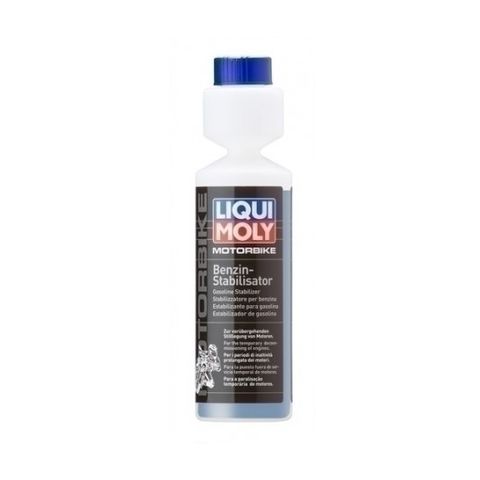
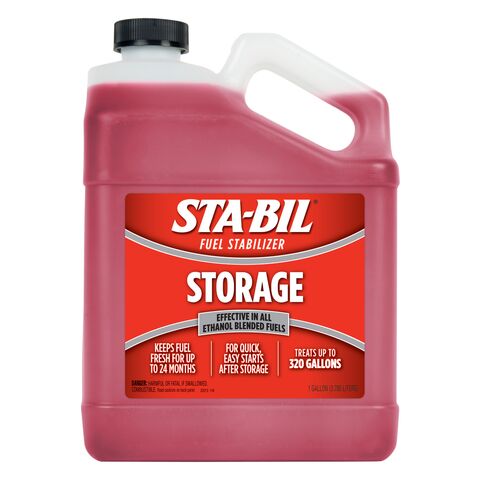
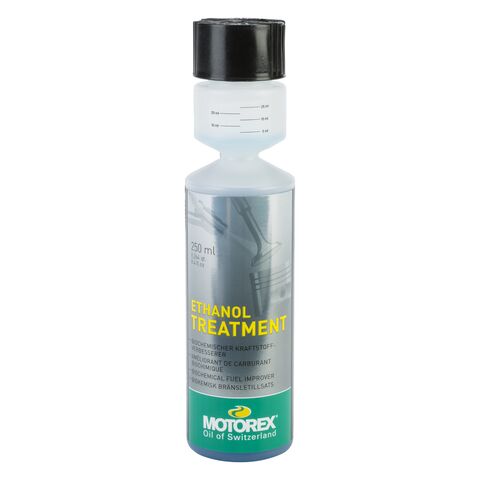
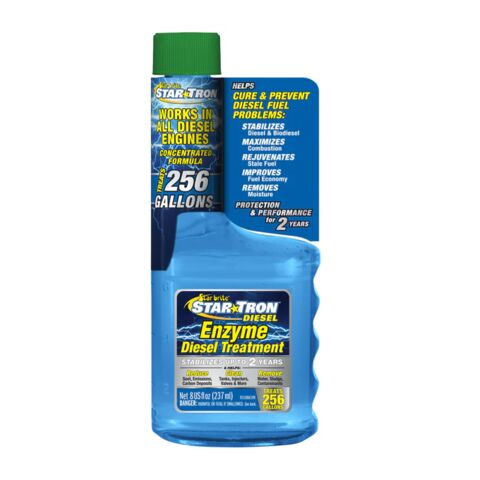
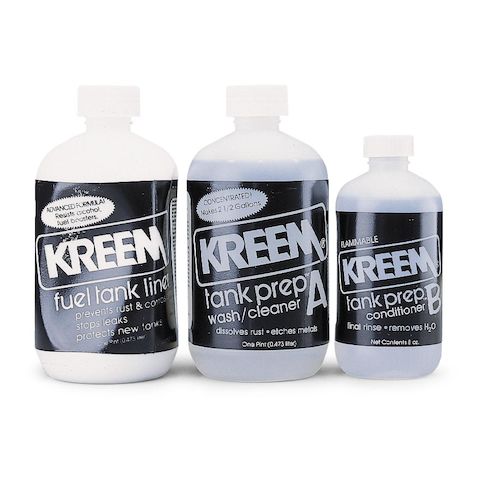
Fuel storage additives are chemical compounds added to fuel to enhance its stability and performance during storage. They help prevent issues such as fuel degradation, phase separation, and the formation of deposits in the fuel system. Using these additives is particularly important for vehicles and equipment that may sit unused for extended periods, ensuring that the fuel remains effective and the engine operates smoothly when needed.

When selecting a fuel storage additive, consider factors such as the type of fuel you are using (gasoline or diesel), the duration for which the fuel will be stored, and any specific issues you want to address, like moisture control or corrosion prevention. Additionally, look for additives that meet industry standards and have been tested for effectiveness in your specific application, whether it's for a motorcycle, boat, or other equipment.

Fuel storage additives can contribute to improved fuel efficiency by keeping the fuel system clean and preventing the buildup of deposits that can hinder performance. By maintaining the integrity of the fuel over time, these additives ensure that the engine runs more efficiently when the fuel is used. However, the extent of the efficiency improvement can vary based on the specific additive and the condition of the engine.

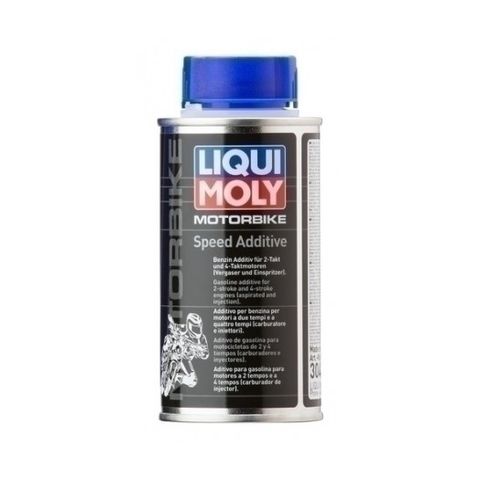
Most fuel storage additives are designed to be safe for use in a wide range of engines, including those in motorcycles, cars, and marine applications. However, it’s important to read the manufacturer's instructions and ensure compatibility with your specific engine type and fuel. Some additives may be formulated for specific fuel types or applications, so always verify that the product is suitable for your needs.

Fuel storage additives often contain corrosion inhibitors that form a protective layer on metal surfaces within the fuel system. This layer helps to prevent moisture from coming into contact with metal components, which can lead to rust and corrosion over time. By using these additives, you can extend the life of your fuel system and maintain optimal performance, especially in environments where moisture is a concern.

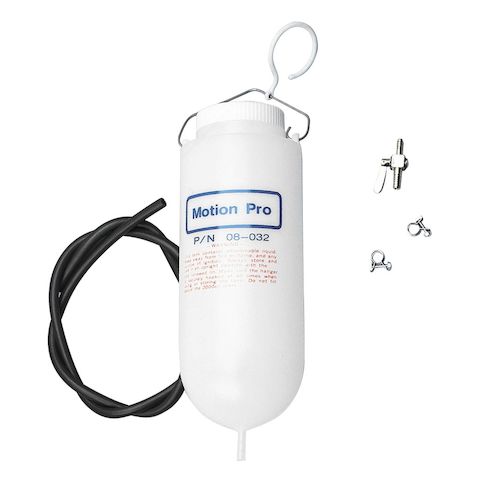
Yes, fuel storage additives can be beneficial for small engines, such as those found in lawn mowers, generators, and other outdoor equipment. These engines are often used intermittently and may sit for long periods, making them susceptible to fuel degradation and related issues. Adding a fuel storage additive can help maintain fuel quality and ensure reliable starting and operation when the engine is needed.

When storing fuel for long periods, consider factors such as the type of fuel, storage conditions, and the potential for moisture contamination. It's advisable to use a fuel storage additive to enhance stability and prevent issues like phase separation and corrosion. Additionally, store fuel in a cool, dry place and use appropriate containers to minimize exposure to air and moisture.

The frequency of using fuel storage additives depends on how often you store fuel and the duration of storage. For long-term storage, it’s recommended to add the appropriate additive each time you fill your tank or when you know the fuel will sit unused for an extended period. Regular use can help maintain fuel quality and prevent issues associated with aging fuel.

Fuel Storage Additives
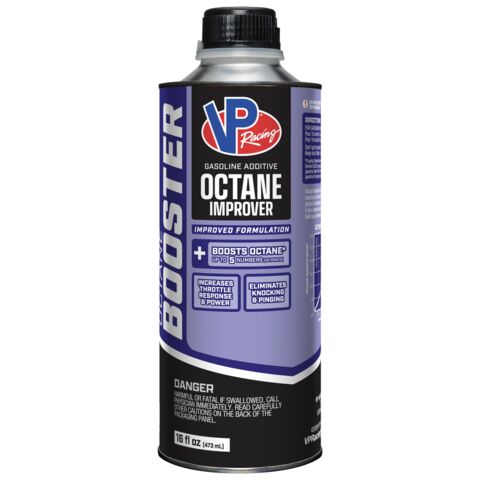
Fuel storage additives are essential for maintaining the quality and performance of your fuel over time. These specialized formulations help prevent fuel degradation, ensuring that your engine runs smoothly when you need it most. Designed to combat issues like oxidation, varnish buildup, and moisture contamination, our range of additives provides reliable protection for both gasoline and diesel fuels.

Incorporating fuel storage additives into your maintenance routine can enhance fuel stability and improve combustion efficiency. These products not only extend the shelf life of your fuel but also help prevent corrosion in your fuel system. Trust our selection to keep your fuel fresh and your engine performing at its best, no matter how long it sits in storage.