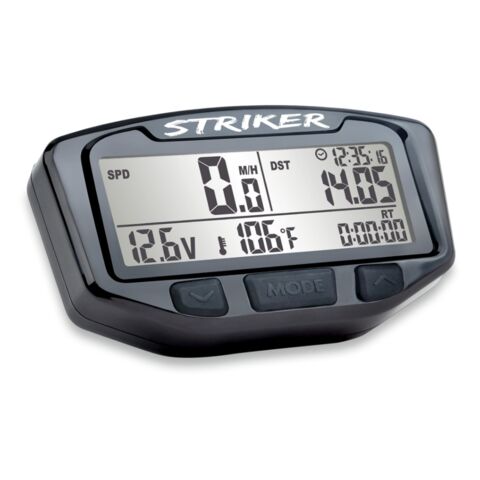
Engine Water Temperature Sensor
On this page...
- What is an engine water temperature sensor?
- Why is monitoring engine water temperature important?
- How do I know if my engine water temperature sensor is failing?
- Can an engine water temperature sensor be used in different types of vehicles?
- What factors can affect the accuracy of an engine water temperature sensor?
- Are there different types of engine water temperature sensors?
- How does an engine water temperature sensor communicate with the vehicle's systems?
- Can I install an engine water temperature sensor myself?
- What maintenance is required for an engine water temperature sensor?
Frequently Asked Questions For Engine Water Temperature Sensor
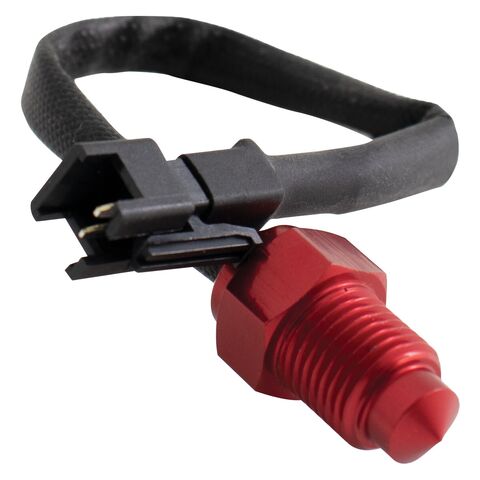
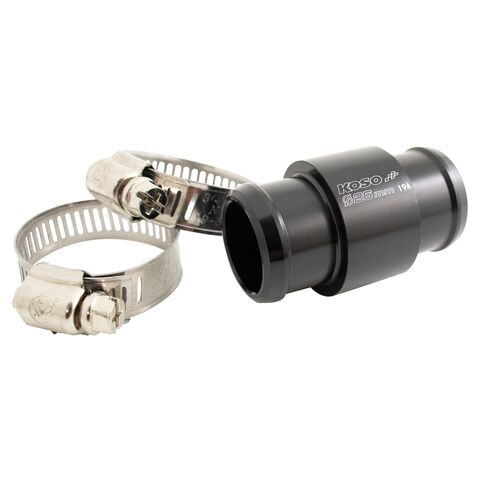
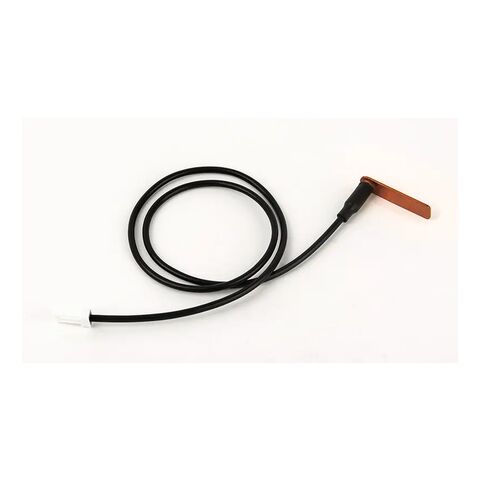
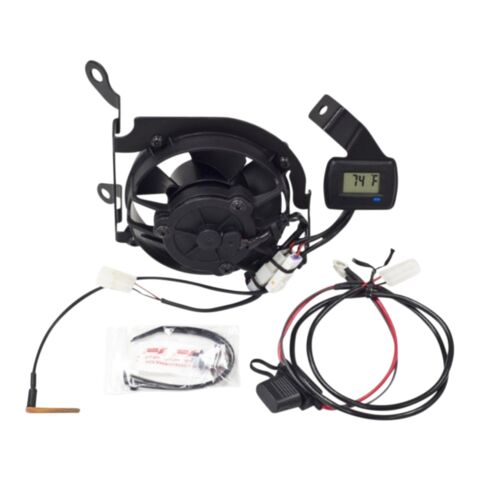
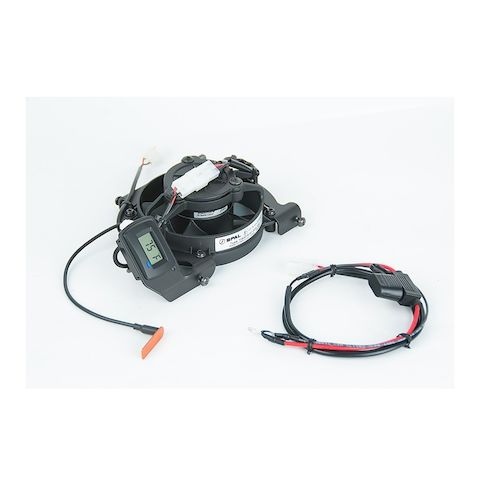
An engine water temperature sensor is a device that monitors the temperature of the coolant in a vehicle's engine. It provides critical information to the engine management system, helping to ensure optimal performance and efficiency. By detecting temperature changes, it can help prevent overheating and maintain the engine's operating conditions.
Monitoring engine water temperature is crucial for maintaining engine health and performance. It helps ensure that the engine operates within the optimal temperature range, preventing overheating which can lead to severe engine damage. Additionally, accurate temperature readings can improve fuel efficiency and reduce emissions.
Signs of a failing engine water temperature sensor can include erratic temperature readings, warning lights on the dashboard, or the engine overheating. If you notice any unusual behavior in your vehicle's temperature gauge or if the engine seems to be running hotter than normal, it may be time to check the sensor.
Yes, engine water temperature sensors can be used in a variety of vehicles, including motorcycles, cars, and trucks. However, it's important to ensure that the sensor is compatible with the specific engine type and model. Different vehicles may have varying requirements for sensor specifications and installation.
Several factors can affect the accuracy of an engine water temperature sensor, including the sensor's location, wiring issues, and coolant quality. If the sensor is placed in an area with poor airflow or is exposed to extreme conditions, it may provide inaccurate readings. Additionally, corrosion or damage to the wiring can lead to faulty signals.
Yes, there are various types of engine water temperature sensors, including analog and digital sensors. Some sensors are designed for specific applications, such as racing or touring, and may offer different features like quick response times or enhanced durability. The choice of sensor often depends on the intended use and vehicle specifications.
An engine water temperature sensor typically communicates with the vehicle's engine control unit (ECU) through electrical signals. The sensor converts the temperature of the coolant into a voltage or resistance value, which the ECU interprets to monitor engine performance and make necessary adjustments. This communication is vital for optimizing fuel injection and ignition timing.
Installing an engine water temperature sensor can be a DIY project for those with basic mechanical skills. However, it's important to follow the manufacturer's instructions and ensure proper placement and wiring to avoid issues. If you're unsure about the installation process, consulting a professional mechanic is recommended to ensure accuracy and functionality.
Generally, engine water temperature sensors require minimal maintenance. However, it's a good practice to periodically check the sensor and its connections for signs of wear or corrosion. Ensuring that the coolant is clean and at the proper level can also help maintain the sensor's accuracy and longevity.
Similar Categories
Engine Water Temperature Sensor
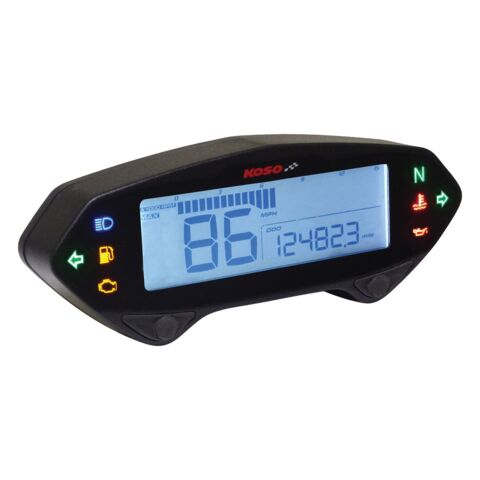
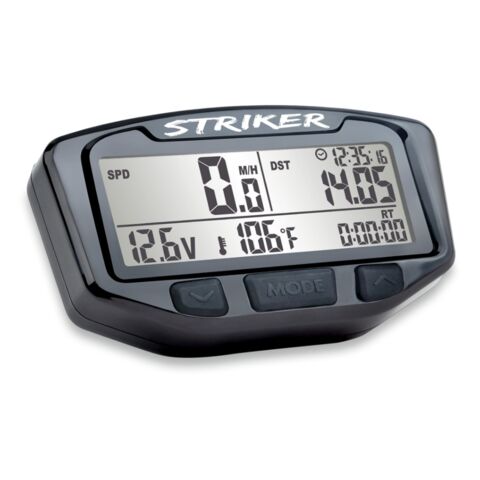
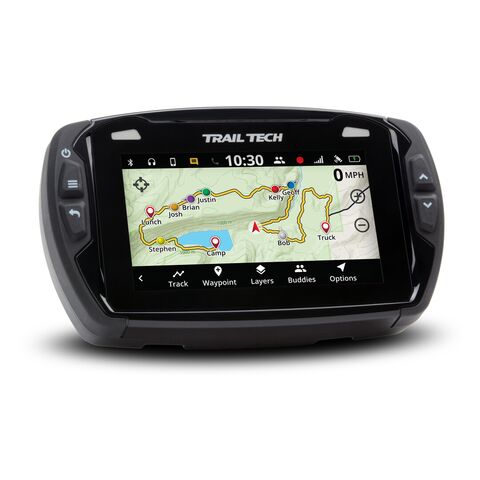
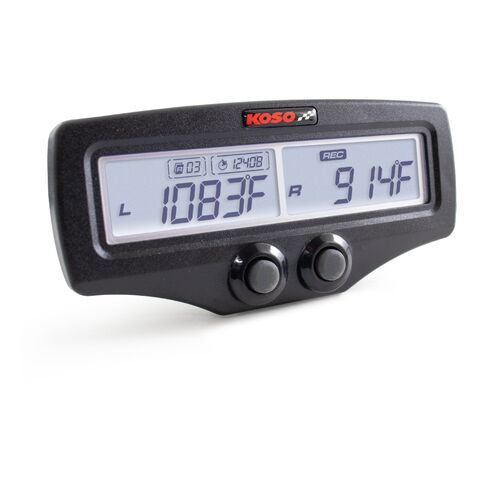
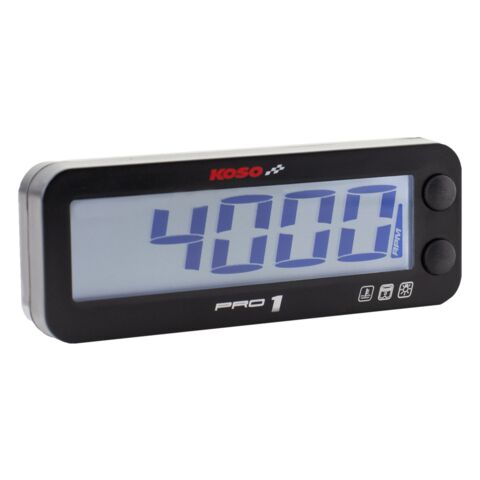
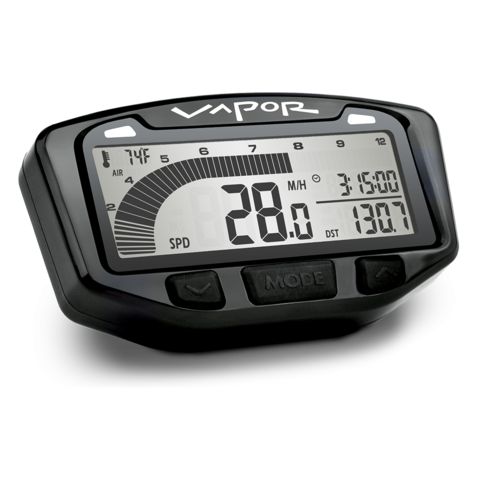
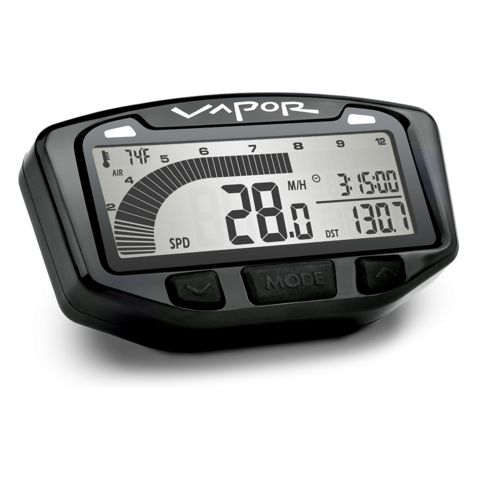
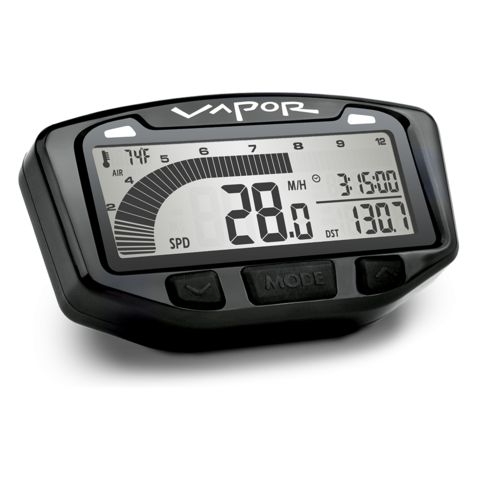
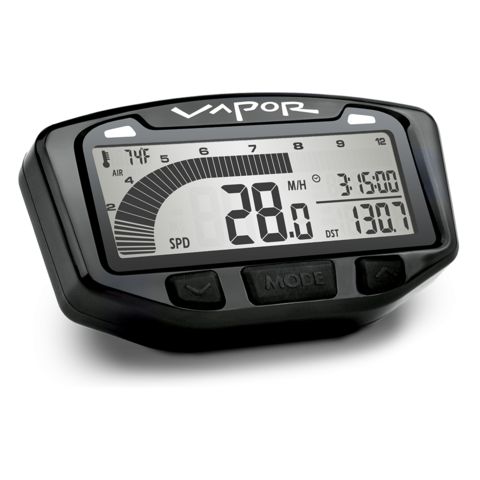
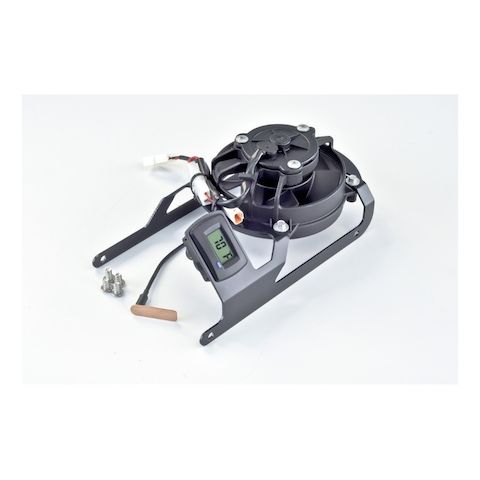
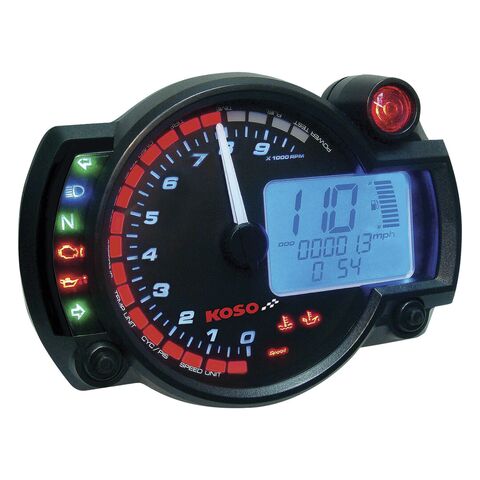
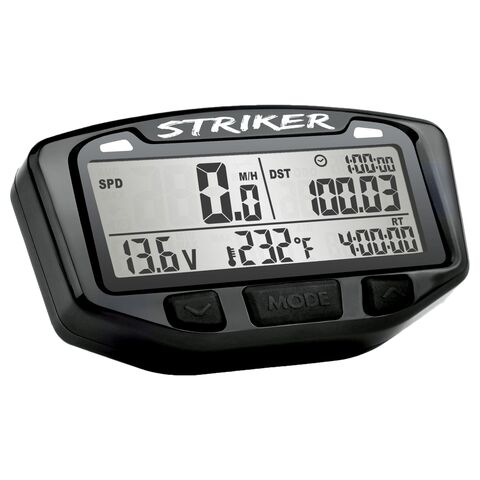
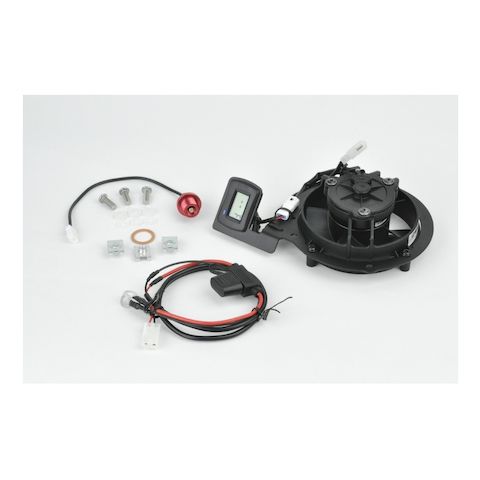
Monitoring your engine's water temperature is essential for optimal performance and longevity. Our selection of engine water temperature sensors is designed to provide accurate readings, ensuring your engine operates within the ideal temperature range. These sensors are built to withstand extreme conditions, delivering reliable performance whether you're on the road or the track.
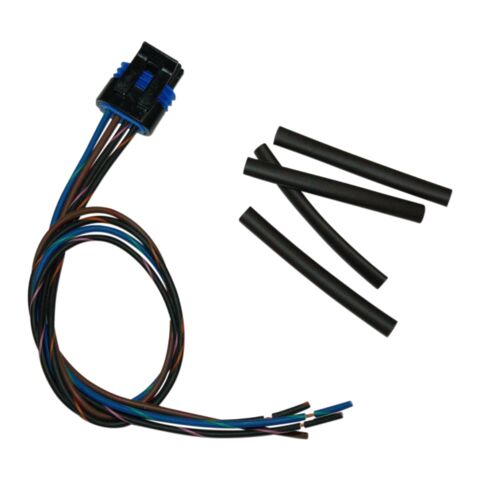
Featuring durable construction and precise calibration, our engine water temperature sensors help prevent overheating and potential engine damage. Easy to install and compatible with a variety of motorcycle models, these sensors are a must-have for any rider looking to maintain their bike's health. Trust in our quality selection to keep your engine running efficiently.