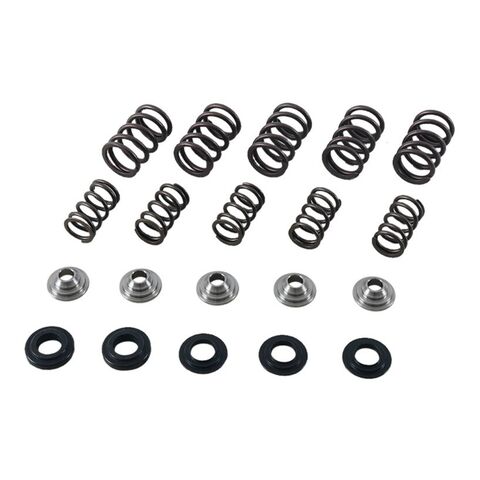
Engine Valve Springs
On this page...
- What are engine valve springs and what role do they play in an engine?
- How do I know if my engine valve springs need to be replaced?
- What factors should I consider when choosing engine valve springs?
- Can engine valve springs be used in different types of engines?
- What materials are commonly used in engine valve springs?
- Are there different types of engine valve springs for various applications?
- What is the importance of spring rate in engine valve springs?
- Can engine valve springs affect fuel efficiency?
- What should I look for in a high-performance engine valve spring?
Frequently Asked Questions For Engine Valve Springs
Engine valve springs are critical components that control the opening and closing of the engine's intake and exhaust valves. They provide the necessary force to keep the valves seated when closed and to push them open at the right timing during the engine's cycle. Proper functioning of valve springs is essential for optimal engine performance, as they help maintain the correct valve timing and prevent issues such as valve float.
Signs that engine valve springs may need replacement include a noticeable loss of power, unusual engine noises, or misfires. Additionally, if you experience valve float at high RPMs, it could indicate that the springs are worn or not providing adequate tension. Regular inspection during maintenance can help identify any wear or damage before it leads to more significant engine issues.
When selecting engine valve springs, consider factors such as the engine type, intended use (e.g., street, racing, touring), and the specific performance requirements. It's also important to look at the spring rate and load capacity to ensure they can handle the engine's RPM range and any modifications. Compatibility with other engine components, such as retainers and keepers, is also crucial for proper installation.
While engine valve springs are designed for specific engine types, some may be adaptable across different models or configurations. However, it's essential to ensure that the springs meet the specifications for the engine in question, including dimensions and load requirements. Always consult manufacturer guidelines or a knowledgeable mechanic to confirm compatibility.
Engine valve springs are typically made from high-carbon steel or chrome silicon steel, which provide the necessary strength and flexibility. Some performance springs may also use advanced materials or coatings to enhance durability and reduce friction. The choice of material can affect the spring's performance, longevity, and resistance to fatigue.
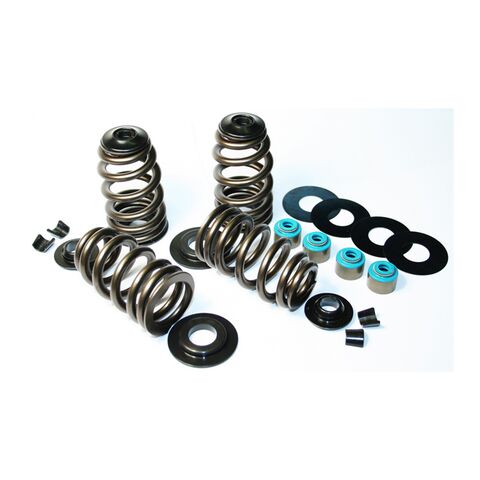
Yes, there are different types of engine valve springs designed for various applications, including standard, performance, and beehive springs. Standard springs are suitable for everyday use, while performance springs are engineered for higher RPMs and increased load. Beehive springs, which have a tapered design, can offer weight savings and improved performance characteristics, making them popular for racing and high-performance applications.
The spring rate of an engine valve spring refers to the amount of force required to compress the spring by a certain distance, typically measured in pounds per inch. A higher spring rate can provide better control at high RPMs, reducing the risk of valve float. However, it's crucial to balance spring rate with the engine's needs, as excessively stiff springs can lead to increased wear on other components.
Yes, engine valve springs can impact fuel efficiency indirectly. Properly functioning valve springs ensure that the valves open and close at the correct times, optimizing the engine's air-fuel mixture and combustion process. If the springs are worn or not performing adequately, it can lead to incomplete combustion, resulting in decreased fuel efficiency.
When selecting high-performance engine valve springs, look for features such as a higher spring rate, lightweight materials, and compatibility with your engine's specifications. Additionally, consider springs that are designed to minimize valve float at high RPMs and those that have undergone rigorous testing for durability and reliability. It's also beneficial to choose springs that come with a warranty or performance guarantee.
Similar Categories
Engine Valve Springs
Engine valve springs are essential components that ensure optimal performance and efficiency in your engine. Designed to withstand high pressures and temperatures, these springs provide the necessary force to keep the valves closed during combustion cycles. Our selection features durable materials and precision engineering, ensuring reliable operation and longevity for various engine types.
Upgrading your engine valve springs can enhance your engine's responsiveness and power output. With options tailored for both stock and performance applications, our valve springs are engineered to reduce valve float and improve overall engine stability. Trust in our quality offerings to maintain peak performance and reliability in your engine's operation.