
 Shop by Vehicle
 Track Order
 Contact Us
Angled Valve Stems
Filters
- Brand
- Colors
- Size
- 25x10x12 (2)
- 25x10x12 (2)
- 21x7x10 (1)
- 21x7x10 (1)
- 18x7x8 (1)
- 18x7x8 (1)
- 20x7x9, 22x8x9 (1)
- 20x7x9, 22x8x9 (1)
- 20x7x9, 22x8x9 (1)
- 20x7x9, 22x8x9 (1)
- 18x8x8, 18x9.50x8 (1)
- 18x8x8, 18x9.50x8 (1)
- 18x8x8, 18x9.50x8 (1)
- 18x8x8, 18x9.50x8 (1)
- 22x7x12, 25x10.50x12 (1)
- 22x7x12, 25x10.50x12 (1)
- 22x7x12, 25x10.50x12 (1)
- 22x7x12, 25x10.50x12 (1)
- 25x8x12 (2)
- 25x8x12 (2)
- 26x9x14 (1)
- 26x9x14 (1)
- 32x10x15, 33x11x15 (1)
- 32x10x15, 33x11x15 (1)
- 32x10x15, 33x11x15 (1)
- 32x10x15, 33x11x15 (1)
- 26x12x12 (1)
- 26x12x12 (1)
- 30x10x15 (1)
- 30x10x15 (1)
- 25x12x9 (1)
- 25x12x9 (1)
- 22x8x10 (2)
- 22x8x10 (2)
- 11mm (1)
- 21x7x10, 23x8x10 (1)
- 21x7x10, 23x8x10 (1)
- 21x7x10, 23x8x10 (1)
- 21x7x10, 23x8x10 (1)
- 25x12x12, 26x12x12 (1)
- 25x12x12, 26x12x12 (1)
- 25x12x12, 26x12x12 (1)
- 25x12x12, 26x12x12 (1)
- 26x11x14 (1)
- 26x11x14 (1)
- 23.5x8x11 (1)
- 23.5x8x11 (1)
- 26x9x12, 27x10x12 (1)
- 26x9x12, 27x10x12 (1)
- 26x9x12, 27x10x12 (1)
- 26x9x12, 27x10x12 (1)
- 22x11x10 (2)
- 22x11x10 (2)
- 16x8x7 (2)
- 16x8x7 (2)
- 24x9x11 (1)
- 24x9x11 (1)
- 20x10x9 (1)
- 20x10x9 (1)
- 20x7x8 (2)
- 20x7x8 (2)
- 23x8x12, 25x13.50x12 (1)
- 23x8x12, 25x13.50x12 (1)
- 23x8x12, 25x13.50x12 (1)
- 23x8x12, 25x13.50x12 (1)
- 16x6.50x8, 16x7.50x8 (1)
- 16x6.50x8, 16x7.50x8 (1)
- 16x6.50x8, 16x7.50x8 (1)
- 16x6.50x8, 16x7.50x8 (1)
- 25x12x12 (1)
- 25x12x12 (1)
- 35x10x15 (1)
- 35x10x15 (1)
- 25x12x10 (1)
- 25x12x10 (1)
- 11.3mm (1)
- 8.3mm (2)
- 24x10x12, 27x12x12 (1)
- 24x10x12, 27x12x12 (1)
- 24x10x12, 27x12x12 (1)
- 24x10x12, 27x12x12 (1)
- 22x11x8 (2)
- 22x11x8 (2)
- 22x11x9 (2)
- 22x11x9 (2)
- 145/70-6 (1)
- Shop By
- Price Range










Similar Categories
Angled Valve Stems
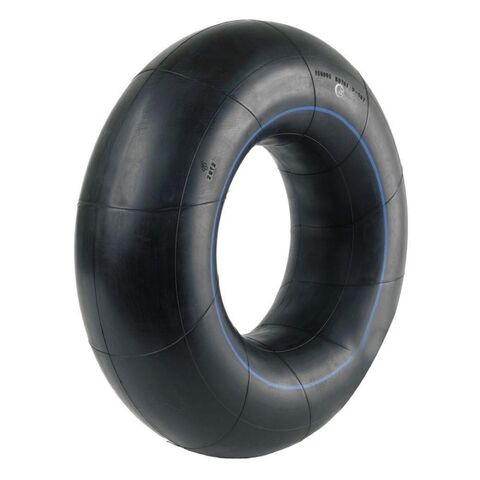
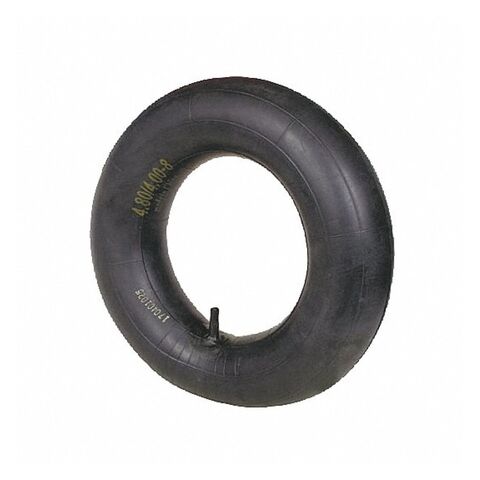
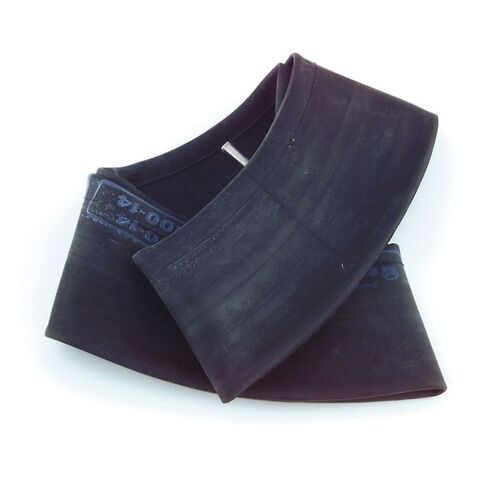
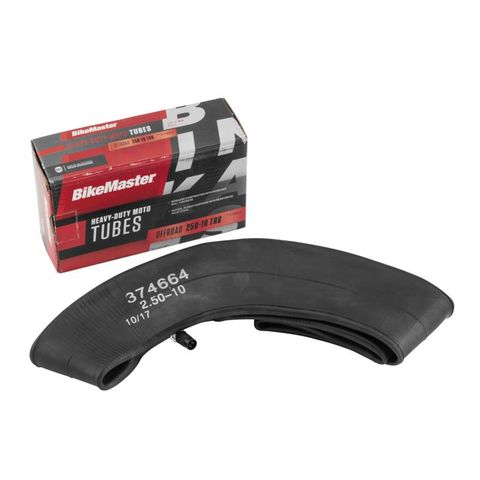
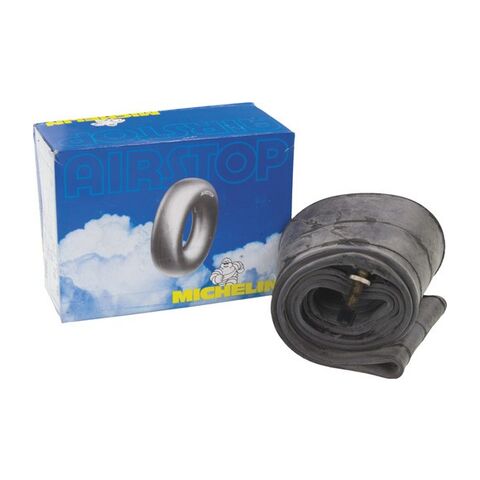
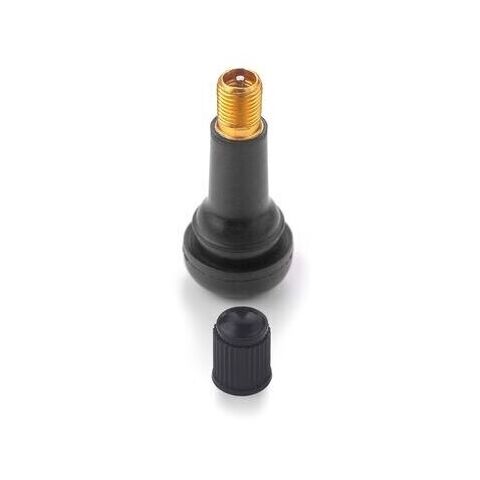
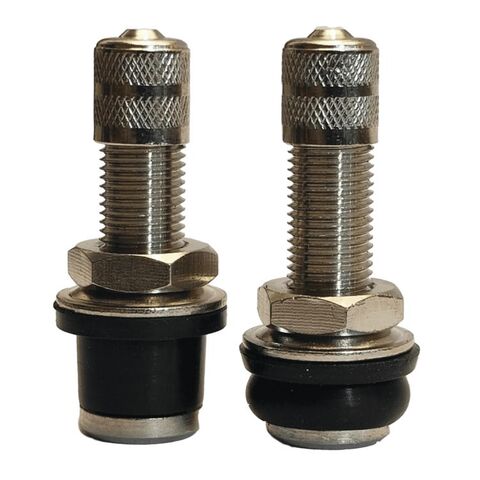
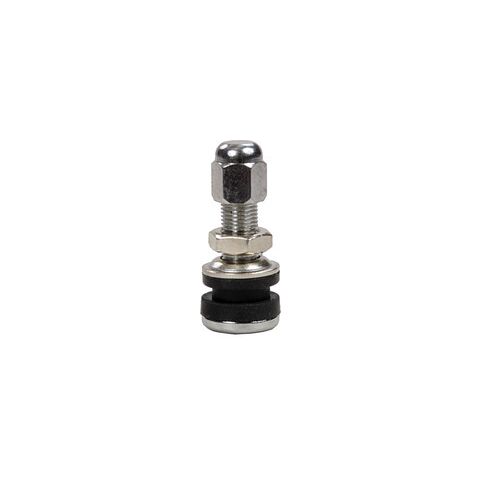
Angled valve stems are essential components for enhancing tire maintenance and performance on motorcycles. Designed to provide easier access for inflation and deflation, these valve stems help ensure that you can check and adjust tire pressure with minimal hassle. Their unique angle allows for better clearance, making them ideal for bikes with limited space around the wheel.
Constructed from durable materials, our selection of angled valve stems is built to withstand the rigors of the road while providing a reliable seal. These valve stems are compatible with a variety of tire types and sizes, ensuring a perfect fit for your motorcycle. Upgrade your bike's tire system with angled valve stems for improved convenience and performance on every ride.