Shop by Vehicle
 Track Order
 Contact Us
Best Motorcycle Tires
OF 2026Written By: Team Zilla
Last Updated: March 2, 2026
What's the best performance upgrade for your motorcycle? It's tempting to add an exotic exhaust system, a trick suspension setup, or a set of monster brakes, but the right set of tires is the most effective way to transform your motorcycle.
Plus, if you decide to make other improvements, the overall experience will be that much sweeter when you're rolling confidently on the right tires. Here at RevZilla, we log countless miles each year, testing all the latest tires from the industry's leading manufacturers. We are also deeply familiar with time-honored favorites, constantly comparing and checking our notes to find the clear winners for every riding style.


Pirelli’s sporty, silica-rich high-performance compound is engineered with a profile inspired by their work with the World Superbike Championship. Designed for aggressive road use, the Diablo Rosso IV tires offer agile response, quick turn-ins, and a large contact patch for improved adherence over previous models.


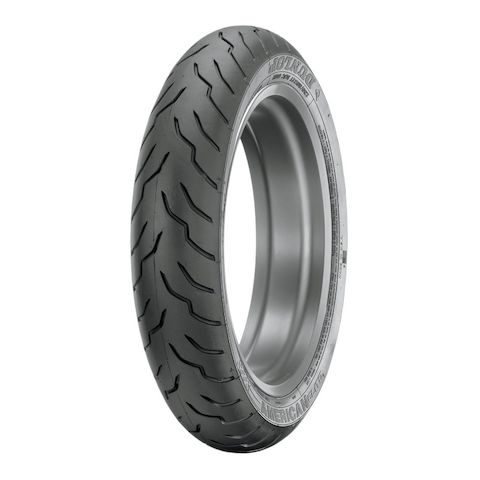
The Michelin Commander III Touring Tire is engineered for the long-haul rider whose goal is to cross state lines without worrying about tread depth. The Amplified Density Technology (ADT) creates a highly rigid tire carcass that improves feedback and prevents the "squirm" common in heavy touring bikes. Using a 100% silica rubber compound across the entire tread, Michelin has managed to extend tire life significantly while maintaining excellent wet-weather braking performance. It’s the "buy it once, ride it forever" (or at least for 15,000+ miles) solution for the serious traveler.


If you’re going to be on more technical terrain, and aren’t as worried about pavement performance, then the Motoz Tractionator RallZ Tires are our favorite pick for this year. Their aggressive profile, self-sharpening tread blocks, and hybrid natural/synthetic compound all combine to make for a high-performance off-road biased tire ready to take your ADV machine deep into roads less traveled.


We had to include the TKC80 Dual Sport Tires on this list as an honorable mention. They’re a perennial best-seller with good reason. Their rock-solid dependability and durability, predictable performance across a variety of conditions, and budget-friendly price point all combine for an option that’s tough for any ADV rider to pass up.


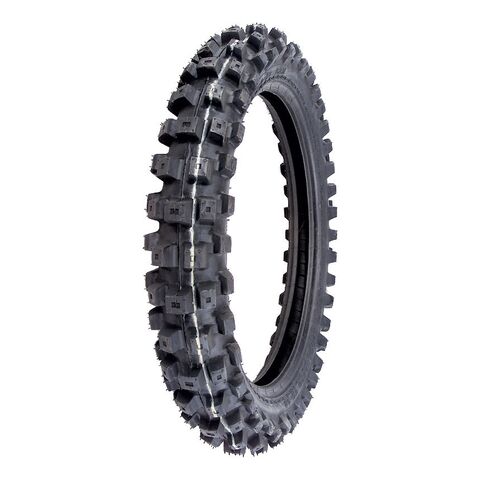
For the technical Enduro and Woods rider, the IRC VE-35F is the "Best Front" setup for durability. These tires use a high-stability compound that resists knob-tearing even when subjected to the sharpest rocks. However, the IRC VE-33S Gekkota is the "Best Rear" for extreme conditions. It utilizes a super-soft gummy compound that allows the tire to deform and wrap around obstacles like an octopus. It offers a "cheater tire" level of grip on wet roots and slick rock faces where traditional hard-compound tires would simply spin. If you're looking to turn "unrideable" trails into your personal playground, this is the rubber you need.
Frequently Asked Questions
As with most things motorcycling, this one comes down to having the right tool for the job. The best street motorcycle tires will offer plenty of grip for canyon-carving while being durable enough to log thousands of miles' worth of highway and around-town duty. In other words, these aren't one-and-done race slicks. Rather, they're a middle-of-the-road compromise between performance and longevity that balances rubber compound and tread pattern to get there.
The answer here depends on the dirt you dig and the frequency with which you dig it. Pure motocross bikes live strictly on earthen tracks; they need big and brutal knobs on a harder compound tire carcass to hook up in the loamy turns and berms. ADV bikes that spend considerable amounts of time covering highway slab mixed in with some fire roads will benefit from a 50-50 tire that's DOT-legal. Competition cross-country bikes and trail bikes exist in more of a middle ground, with occasional roadway or hard-pack surfaces forcing them to run something less aggressive than the MX knobbies.
We've got a fun and informative walk-through here, but the general process is as follows: remove the wheel from your motorcycle, deflate the tube or tire by removing the valve core, loosen the valve stem nut and any rim lock nuts, use a bead-breaker to get the tire off the rim bead, install any rim protectors and utilize tire irons to pry the old tire off the rim, check for rotational direction of the new tire and install one side over the rim bead, insert tube unless the tires are tubeless-type, begin to work the other side of the tire over the opposing rim bead, tighten valve stem and rim lock nuts, add air until the tire is fully seated.