
 Shop by Vehicle
 Track Order
 Contact Us
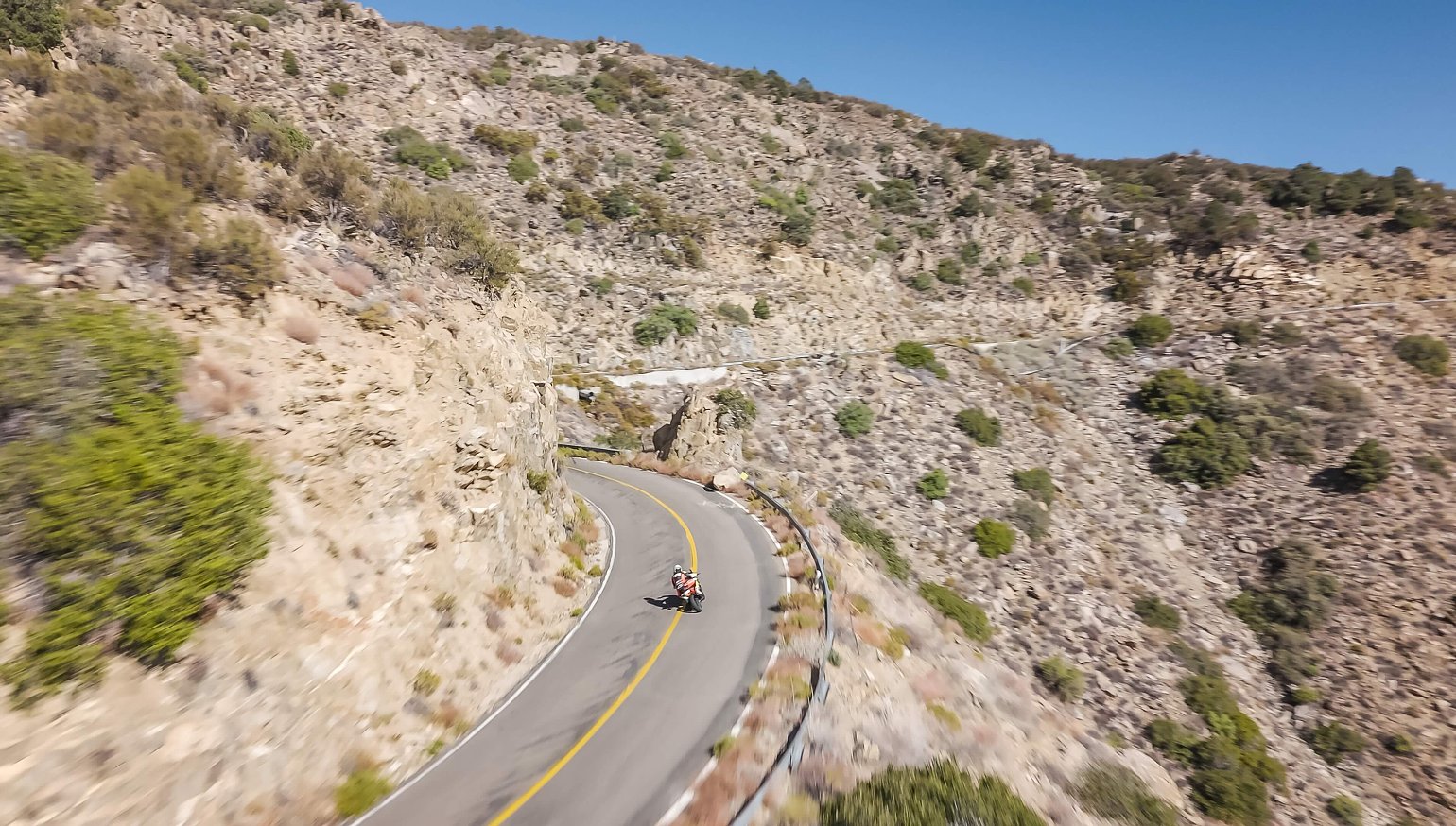
Hills are for climbing. Anyone who has ever stood at the bottom of one and gazed upwards knows that. The decision that separates us as humans is how we decide to put ourselves at the summit.
Maybe some people like to leave whatever the pinnacle is untouched, and only imagine what it’s like. Others will choose a hill with the hardest route or the steepest grade, just to show it can be done. Those of us who live in the world of motorsports, well, naturally we want to see how fast we can make it to the top.
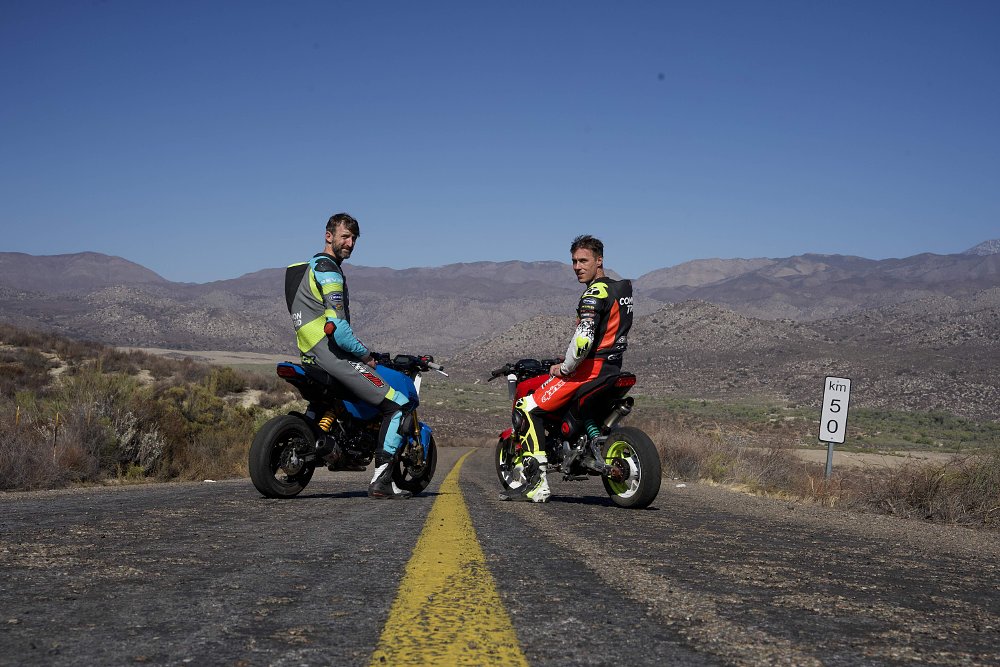
For me, and my lifelong riding buddy Ari, competing in a hill climb has always been a curiosity and a box unchecked on our motorcycling resumes. Until last September, that is, when we were invited to compete in San Pedro Martir — a closed-road hill climb covering 18.6 miles of two-lane road, making it the longest hill climb competition in the world. It’s a point-to-point race along a segment of rural, Mexican asphalt that ultimately winds its way from the Pacific Ocean to the San Pedro Martir Observatory, perched on a 9,200-foot peak overlooking the Baja California peninsula. The 30-kilometer race section includes more than 150 corners and 6,000 feet of elevation gain.
The reason we have made it through 35 years of motorcycling without having raced a hill climb is pretty simple. It’s scary. Ari and I have strapped on a helmet and lined up in all sorts of wacky, two-wheeled competitions over the years. We have careened around a motocross track on Vespas in Italy, tackled a dual-sport course (of our own making) across the Isle of Man, and slid around a racetrack together on a vintage sidecar. Racing against the clock on a closed public road is a different bag of nuts.
Looking back
One of the earliest hill climb results I could find was in southern France, between the city of Nice and the town of La Turbie, which took place in January of 1897. It covered about 10 miles, and the fastest entry was a De Dion-Bouton steam car driven by André Michelin. None of that is especially important, except that it illustrates two important themes. First, it didn’t take long after vehicles were invented for people to ask the question of how fast they could go. Second, that wasn’t just any person named Michelin in the steam car — it was the tire guy.
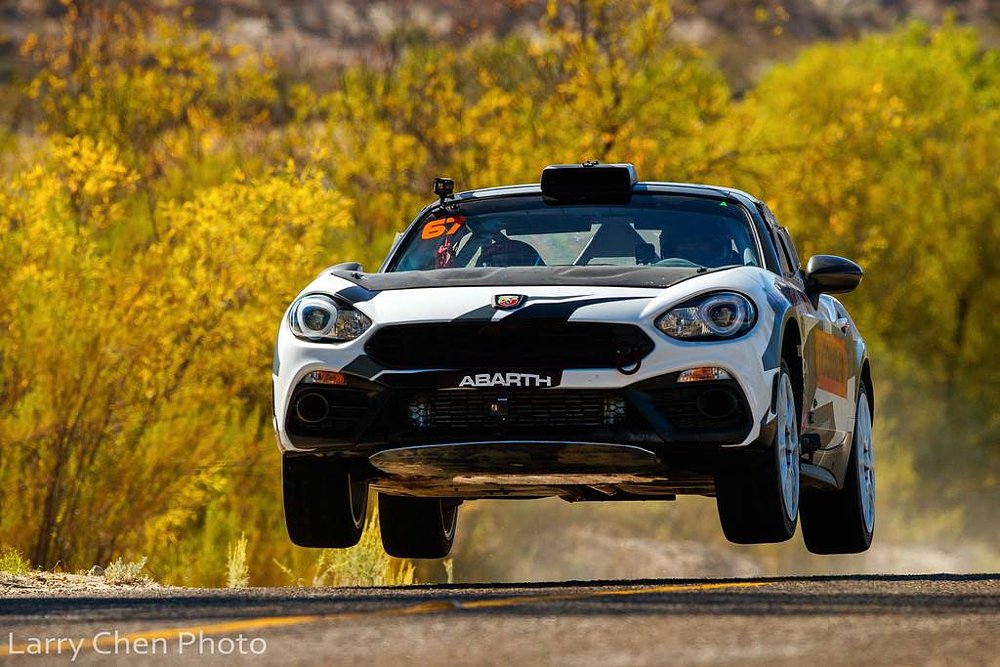
To put a finer point on it, ever since before any mainstream motorcycle companies were founded, hill climbs have been a part of the history of motorsports. Hill climbing has taken on many forms over the years — the more genteel style of careening up a closed road all the way to to attacking absurdly steep grades of dirt and rock. My personal favorite might be the scene at Widowmaker in 1971, captured in the original “On Any Sunday” documentary.
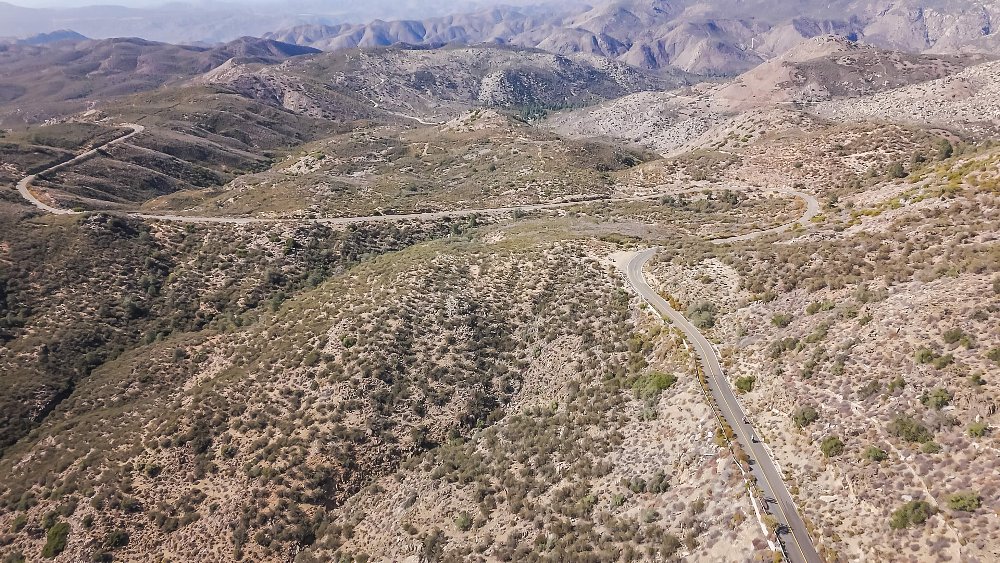
Probably the most famous hill climb in the United States has historically been the race to the top of Pikes Peak in Colorado, which until recently allowed motorcycles to compete. Pikes Peak held many distinctions in the world of motorsports, but the one that often stands above the rest is that it is dangerous. After the race took the life of Carlin Dunne in 2019, the event banned motorcycles from competing. San Pedro Martir shares the spirit of Pikes Peak, as well as the cliffs, rocks, and pine trees lining the course.
Looking up
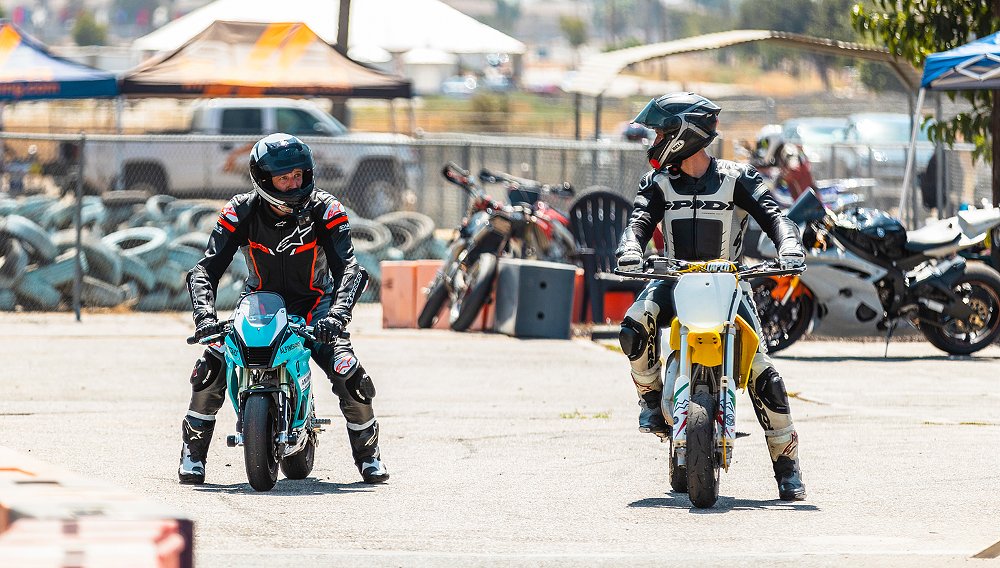
Being that Ari and I are probably past our racing prime, and relatively new dads to boot, the idea of racing along 18 unknown miles of closed public road was fun, but not prudent. Especially in light of the history I just shared. We wanted a way to experience it while mitigating the danger, and playfully selling the idea to our families. As is tradition, Honda’s loveable Grom came to the rescue.
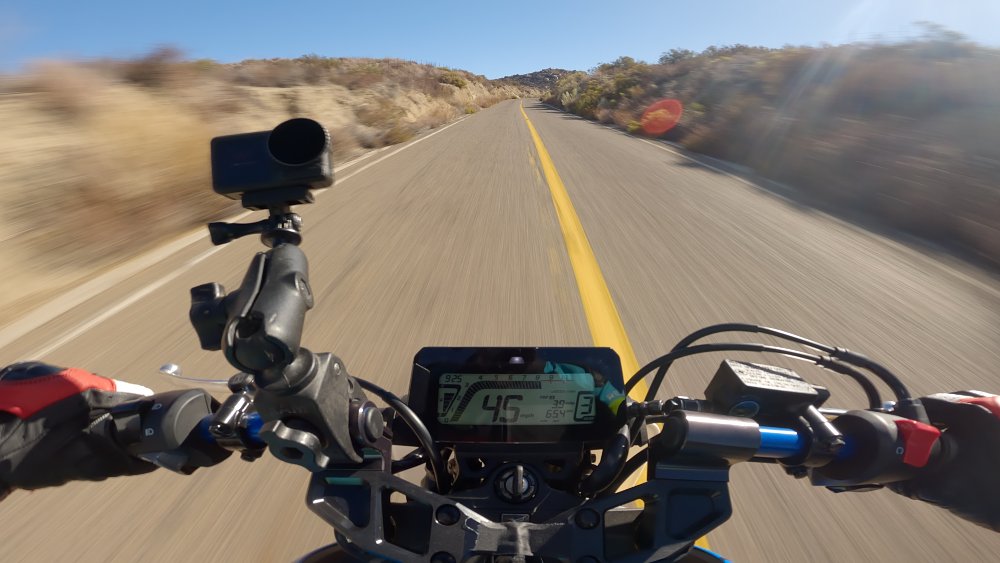
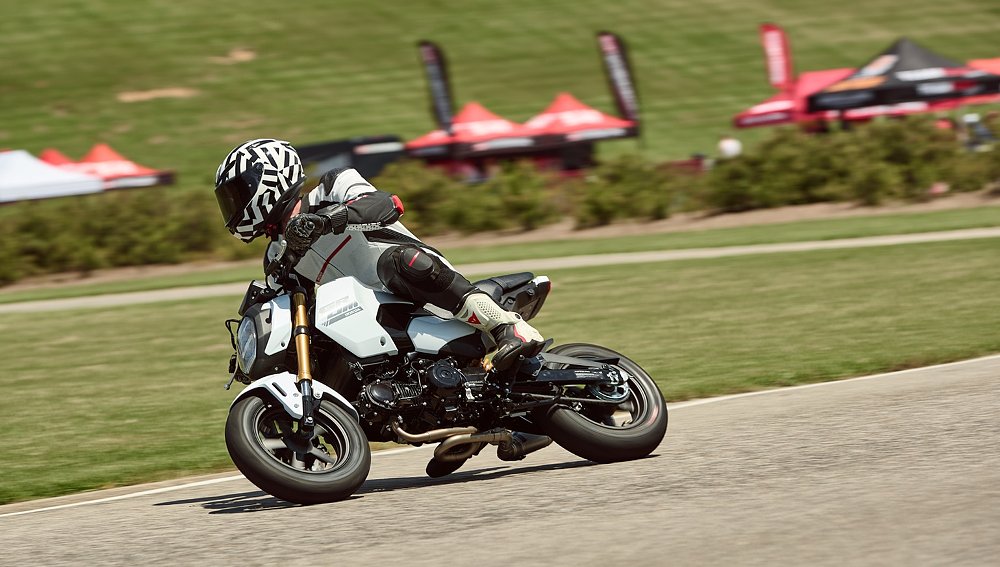
We figured nine horsepower and a maximum speed of about 55 mph ought to “mitigate” the heck out most of the dangers, and honestly save us from ourselves to a certain extent. After all, being past our racing prime wouldn’t reliably keep the red mist of competition away, especially for two buddies who have been roosting each other with literal and figurative dirt for more than 30 years.
At the outset, it seemed to have worked. We trundled up the hill for our practice runs at a hilariously slow pace, so much so that the Baja Tarmac Racing timing team was worried about keeping the sessions on schedule. By the time the green flag dropped on the first of two race runs, our hearts were pumping a blend of worry that we were embarrassingly slow and a desire to go as fast as possible. It was a bizarre cocktail of emotion and it didn’t sit particularly well with either of us, evidently.
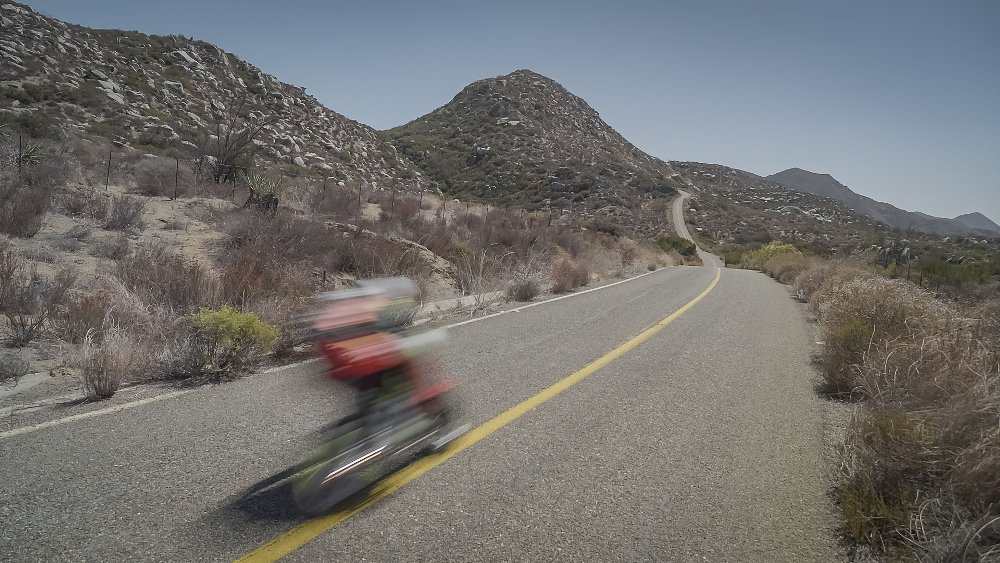
Ari nearly ran off the road, then almost lowsided on a patch of gravel. I took it a step further and misjudged a corner so badly that I chucked myself into the giddleweeds and nearly tumbled down a shallow cliff. My race had ended in nearly the most embarrassing way possible, and while Ari didn’t tip over he wasn’t exactly the pride of the pack when he got to the top, having averaged around 42 mph over 18.6 miles.
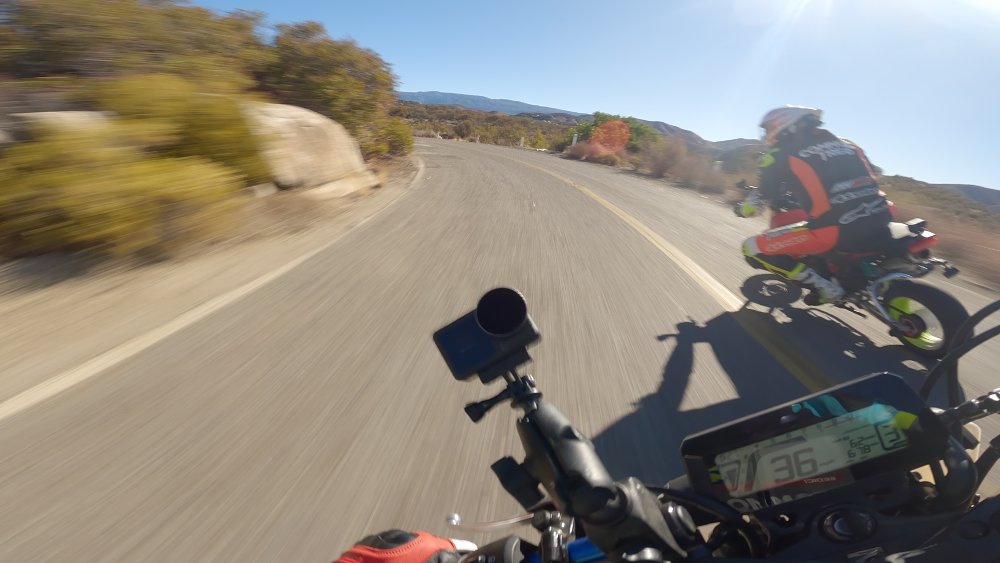
We were hit with an odd realization. Less horsepower was safer for nearly the entire course, except for the spots on the course where it was crucial to carry corner speed and maintain momentum. In other words, in the few places where we did have to close the throttle on the Groms, we were positively desperate to keep our roll speed up. Therefore, we were taking seemingly bigger risks than we would have been on a faster bike. Theoretically. The situation called for more research.
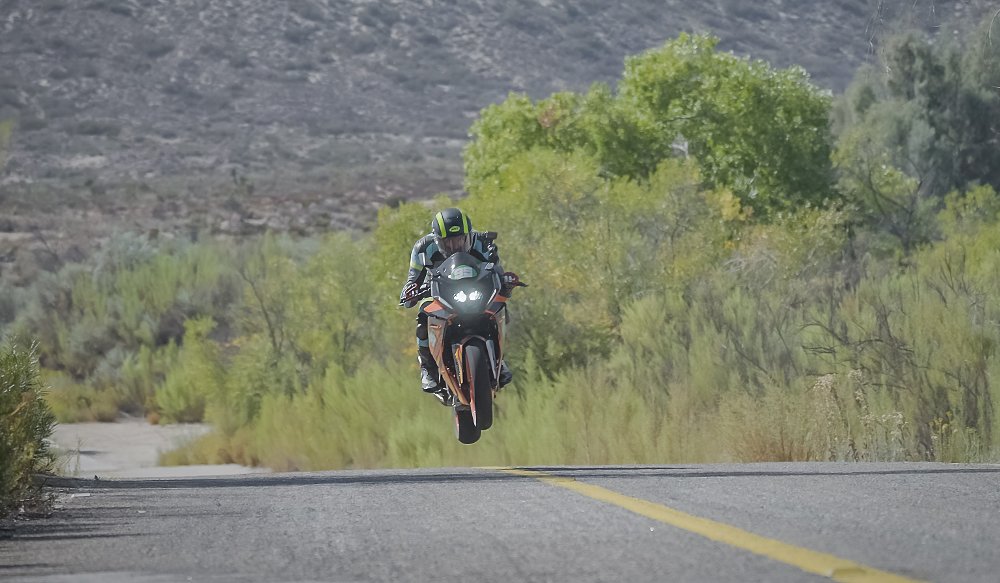
For the final race run of the weekend, one of the event promoters offered us two of his unrented KTM RC390s. While they might be slow in the realm of modern sport bikes, an RC390 has around five times as much power as a Grom and a top speed that reaches into triple digits. Frankly, we were still wondering if it was a good idea as we lined up for one last run up the mountain.
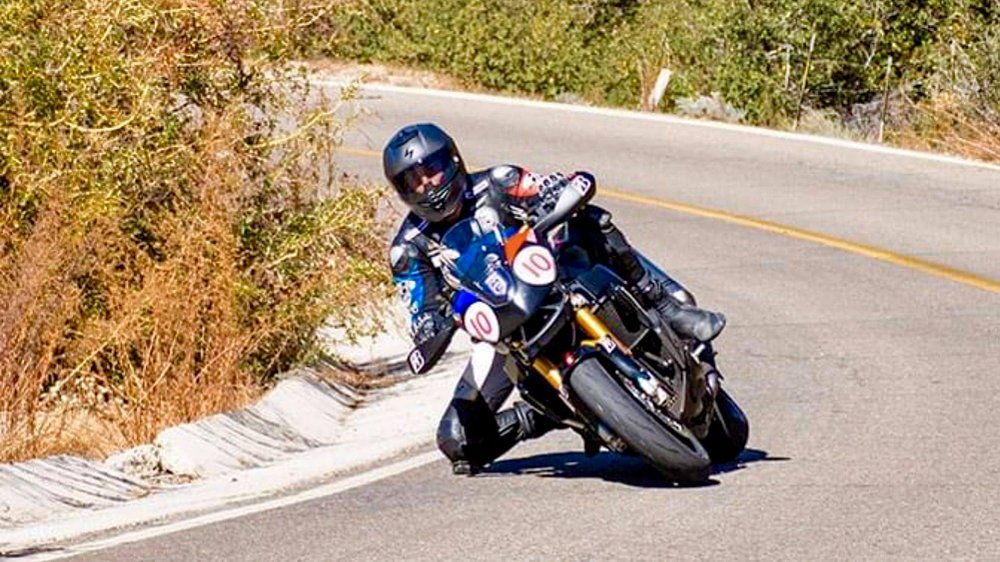
What followed was a good ol’ fashioned thrill. Galloping along the open sections at the bottom of the course with 45 horsepower, we felt like true hill climbers. No more just seeing the course on a mini bike and trying not to make a hash of a few corners — on the KTMs we had to focus the whole time, and the result was proper rhythm. Not to mention fewer mistakes. At the end, the average speed for our runs was more than 65 mph. Not a huge number, we know, but it was much more satisfying.
Looking down
Do you remember the brand No Fear? They had shirts and stickers all over the action-sports scene 25 or 30 years ago. Some buddies of mine back in my roadracing days had some spoof stickers made: “Know Fear!” Silly as the stickers were meant to be, there’s some truth to that. Anyone who has lined up for a motorcycle race knows the special buzz that comes from competing. And by muting the consequences of the race we had eroded part of what makes it special.
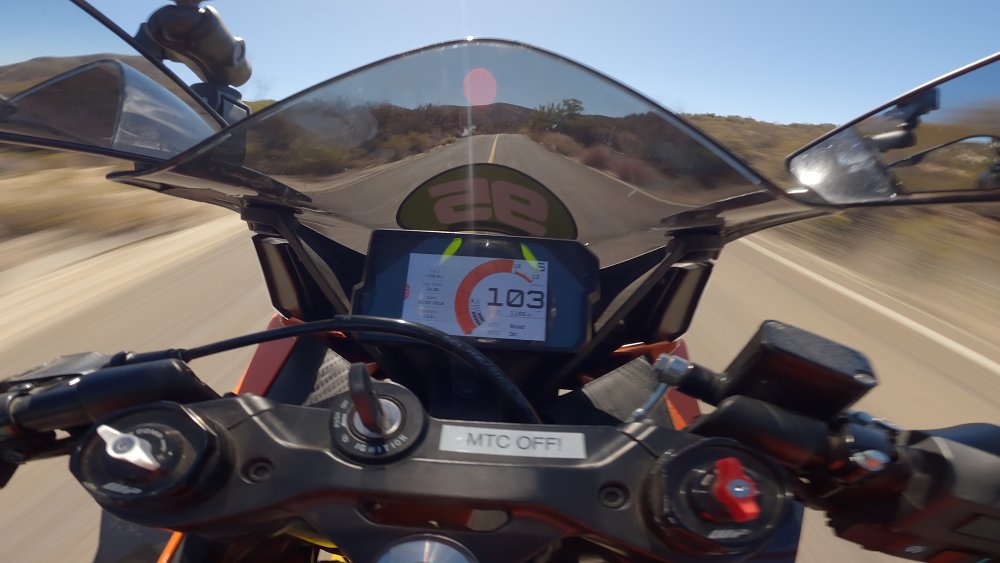
With all of the experience that Ari and I have riding motorcycles around racetracks, and on public roads, it seemed like easy math to know what a hill climb would feel like. Somehow, it was a little different. A recognizable activity, dressed up as something else, with a new set of skills to be mastered and new fears to be confronted.
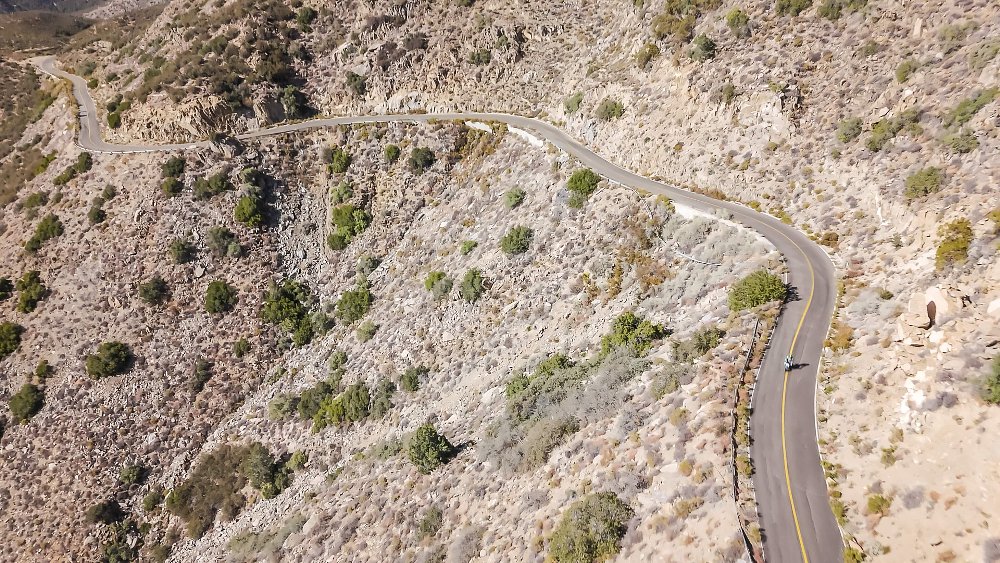
Hill climb racing, as far as we can tell, is not for the faint of heart. But then, climbing up the mountain never has been. It’s almost as though the spines of rock and earth all around the globe exist for the sake of the metaphor. It’s the human condition to want to summit whatever obstacle lies ahead. And the roads to the top take different shapes for different people.
Image Gallery
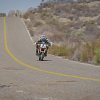
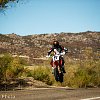
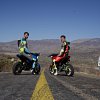
Image Gallery


Shop the gear
 SEDICI Strada 3 Primo Carbon Helmet$429.99
 Bell Race Star Flex DLX Helmet$949.95
 Alpinestars Racing Absolute v2 Race Suit$4,569.95
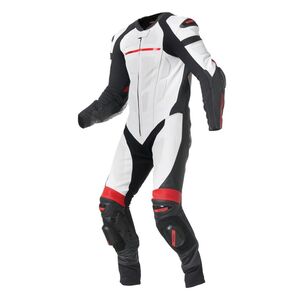 SEDICI Corsa 2 One-Piece Race Suit$599.99
 Alpinestars Tech-Air 7X Airbag System$1,099.95
 Alpinestars GP Tech v2 Gloves$434.95
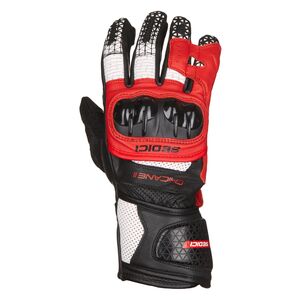 SEDICI Chicane 2 Gloves$89.99
 Alpinestars Supertech R Boots$649.95
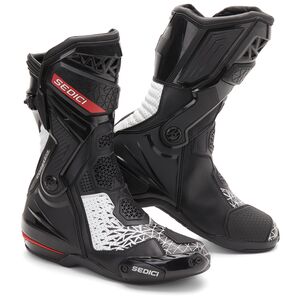 SEDICI Corsa 2 CE Boots$229.99