Shop by Vehicle
 Track Order
 Contact Us
I heard it from afar. Echoing around the stone and stucco buildings of Mandello del Lario. Something evil-sounding. Something that made my heart beat faster. I quickened my pace, sidestepping parents pushing strollers, and dispersing the cloud of cigarette smoke enrobing a group of tan old men.
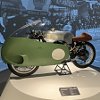
The closer I got, the further I was from knowing its source. It had to be a race bike, I thought. But like nothing I'd ever heard. I got close. A hushed group crowded around it as though the scene of a crime. Then the noise abruptly stopped and the crowd parted. There it was, a motorcycle that commands the soto vocce of awe and reverence: the Moto Guzzi Otto Cilindri.
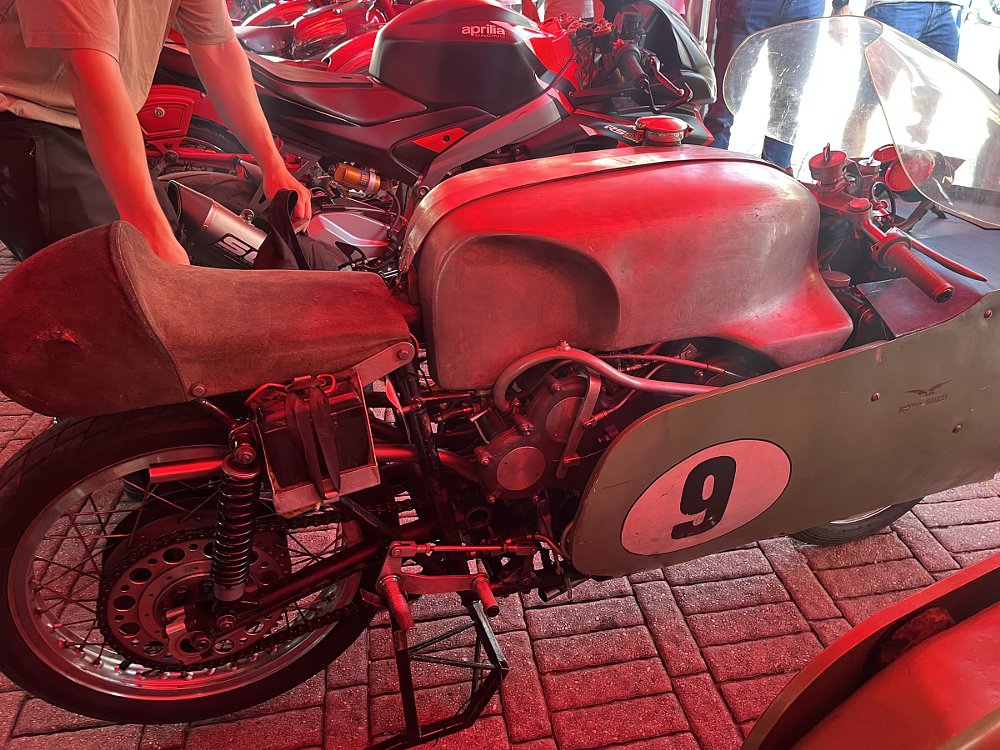
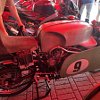
The hand-hammered fuel tank, the V-8 engine's rear bank of cylinders winking from behind the green dustbin fairing: the pinnacle of mid-century grand prix motorcycle design. Clocked at 178 mph at the 1957 Belgian Grand Prix at Spa, the Otto Cilindri was part of a golden age of experimentation in racing motorcycle design. It was also the Eagle of Mandello's competitive swan song. Following the 1957 season, Moto Guzzi withdrew from racing. Its record of 3,329 race victories, 11 Isle of Man TT wins (including the first by an Italian manufacturer), and 14 world titles has been frozen in time ever since.

Now, in 2026, Moto Guzzi itself is anything but frozen in time.
Starting a new chapter at age 105
I'd come to Mandello del Lario on the shores of Lake Como for Giornate Mondiali Moto Guzzi (Moto Guzzi World Days), its annual homecoming celebration. This year, it coincided with the brand's 105th anniversary and the opening of a €50 million factory complex, highlighted by a brand-new production facility and a 32,000-square-foot museum space. Since 1921, the Moto Guzzi factory has been at the edge of town but at the center of life in Mandello del Lario; Piaggio, Guzzi's parent company, is hoping its architectural aggrandizement anchors it deeper into the base of the mountains surrounding it.
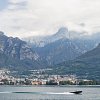
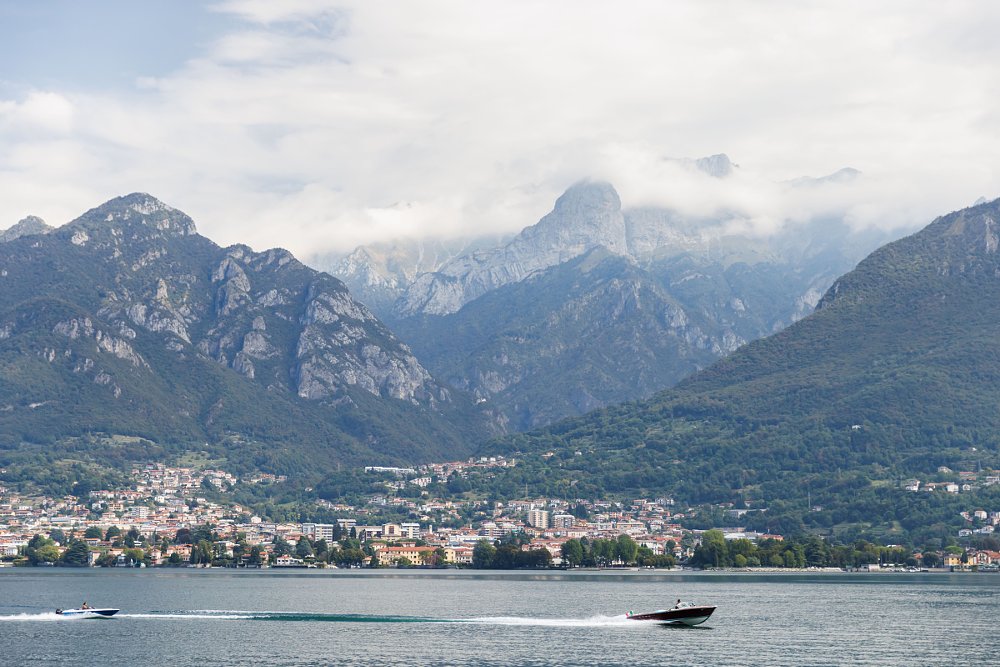
The Grigne mountain range, its peaks capped by a jumble of exposed rock, hugs Mandello del Lario, pushing it toward the shores of the lake. Beauty is close here, and all around. The sky, the mountains, the water, the town nestled between them; a world unto itself. It was once a fishing village called Mandello-Tonzanico, a humble place with history deeper than the waters.
I'd wanted to visit Mandello del Lario for years. In my entire life as a motorcycle enthusiast, and as a motorcycle journalist for the past nine years, I've had a motorcycle from nearly every marque in my garage. But never a Moto Guzzi. I had this intuition that to really understand the brand, I needed to visit Mandello.
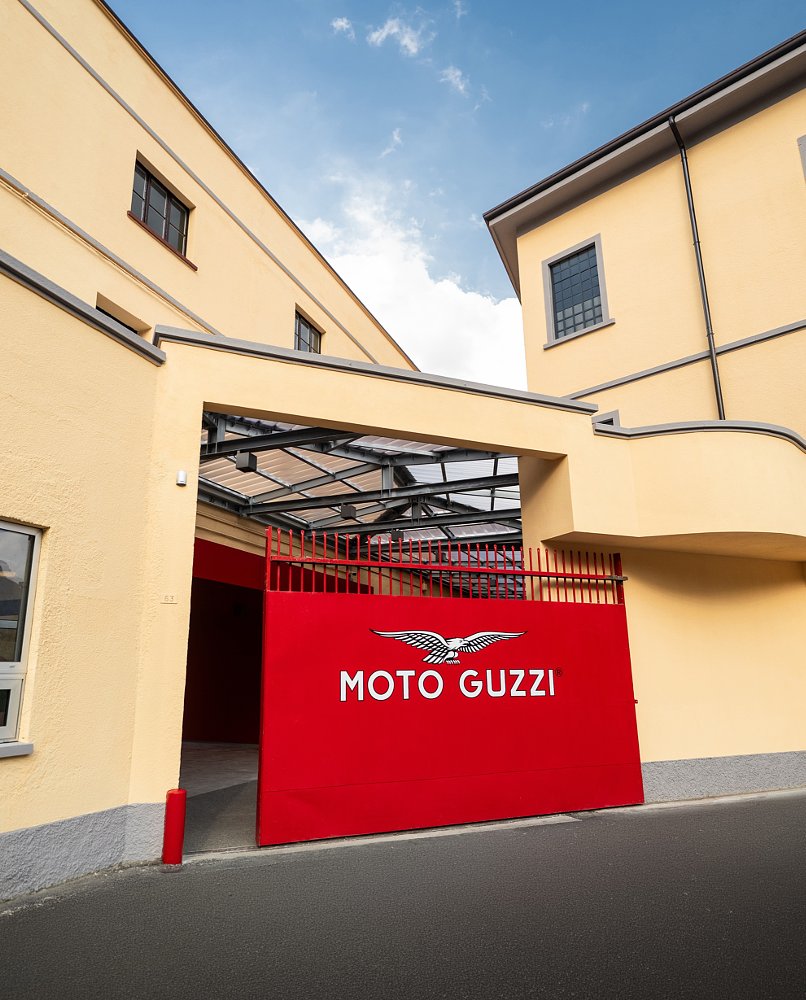
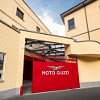
On a perfect September day, I boarded a crammed bus from Bergamo, and expectantly watched the prealpine scenery pass outside the window, waiting for Mandello to come within sight. I knew I was getting close when I passed Canottieri Moto Guzzi, the rowing club established in 1929 as a place of recreation for factory employees. The bus dropped me at the entrance of town, next to a roundabout with a sculpture of an Otto Cilindri perched atop the center island like a figurine on a wedding cake. From there, Via Parodi, the road named for one of the brand's founders, jogs up the hill and crosses beneath a railway bridge, its arch framing my first glimpse of the factory walls. At last, I approached the factory's famous red gate. If it weren't for the eagle emblazoned across it, there’d be little to suggest that a century-old factory sits behind it.
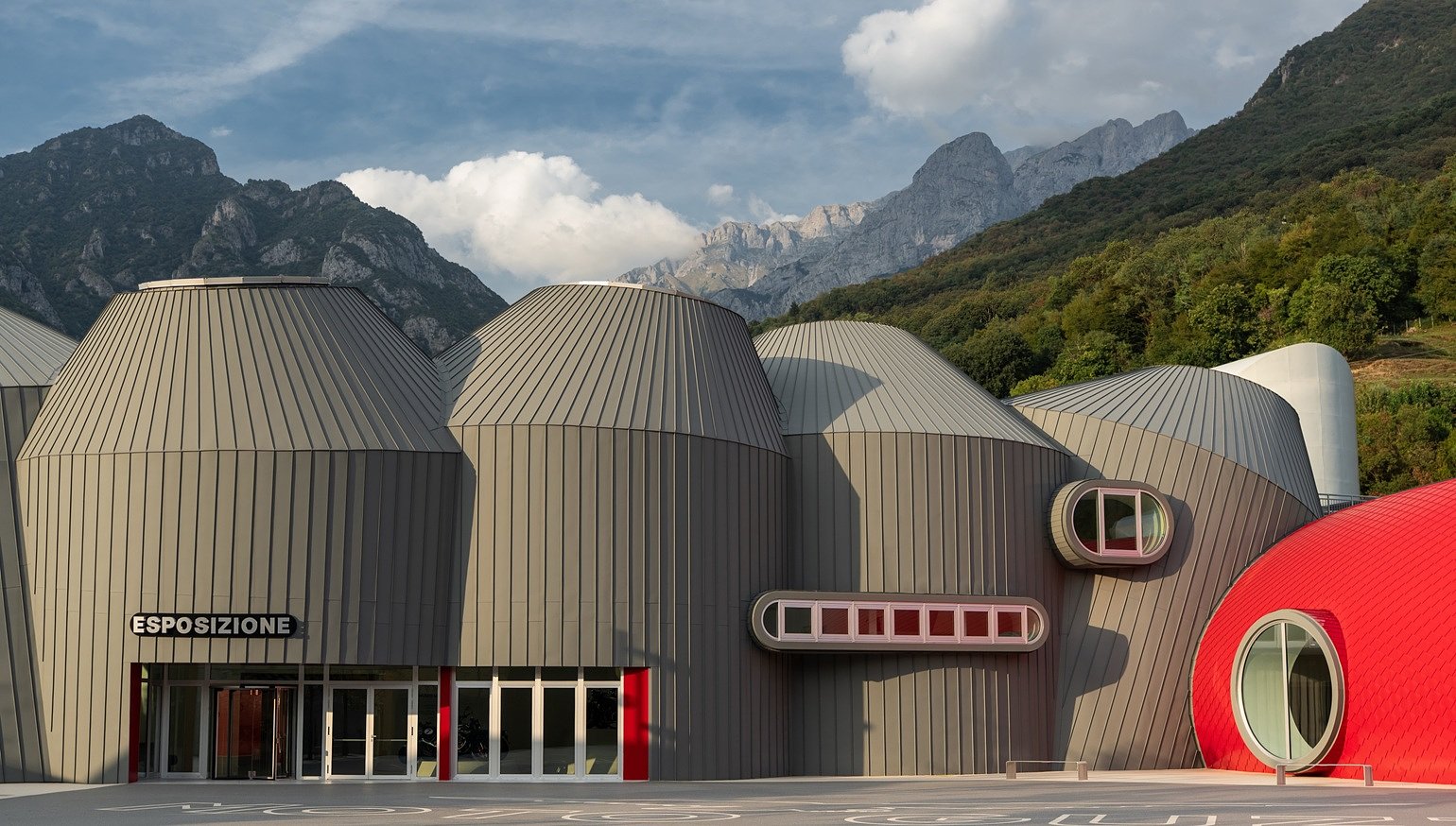
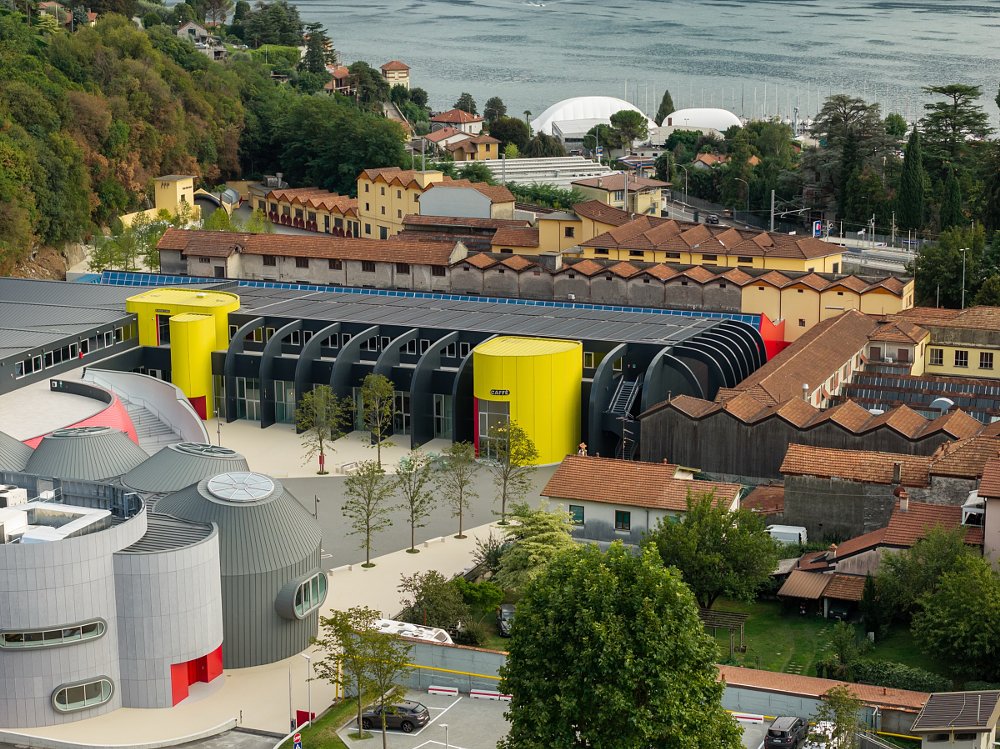
Passing through the gate, the piazza opens toward an unexpected new sight. Designed by American architect Greg Lynn, who's also the CEO of Piaggio Fast Forward, the robotics subsidiary of the Piaggio Group, the hyper-modern buildings stand in relief against the beige walls and terracotta roofs of the old factory.
"There's no connection between the architecture of the old buildings and the new ones," Sergio Ignelzi, the Mandello plant manager, says. "This is a clear decision, a step to cut with the past. The old buildings were no longer functional with regards to modern requirements. Did we need to reshape it completely? Yes! So that’s what we did."
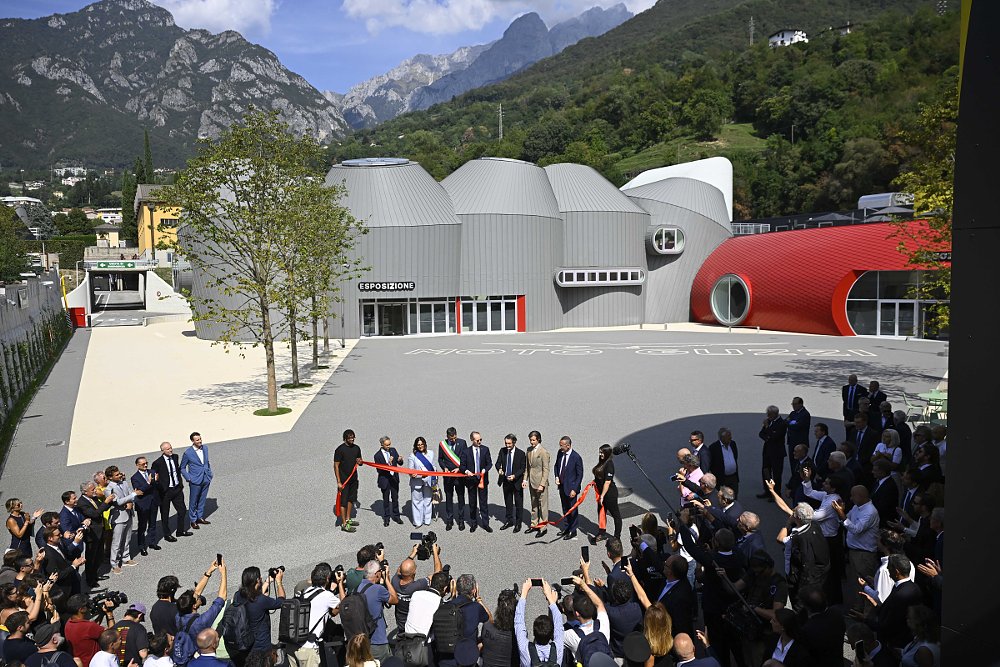
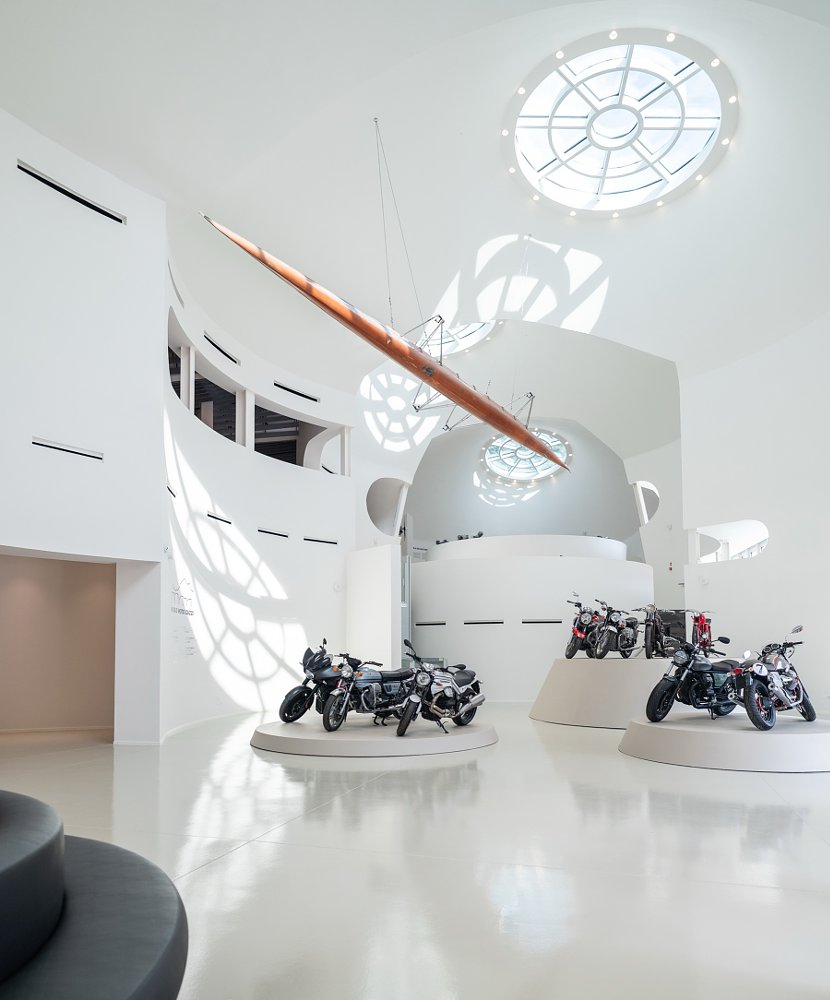
The museum building is a series of entwined cylindro-conical structures that dominate the view. Inside, there are more than 160 Moto Guzzi models on display, from Carlo Guzzi and Giorgio Parodi's original G.P. prototype to historic race bikes, utility vehicles, and iconic production models. The museum connects to a retail store, café, auditorium, trophy room, and archive, making it a welcoming destination for visitors from around the world.
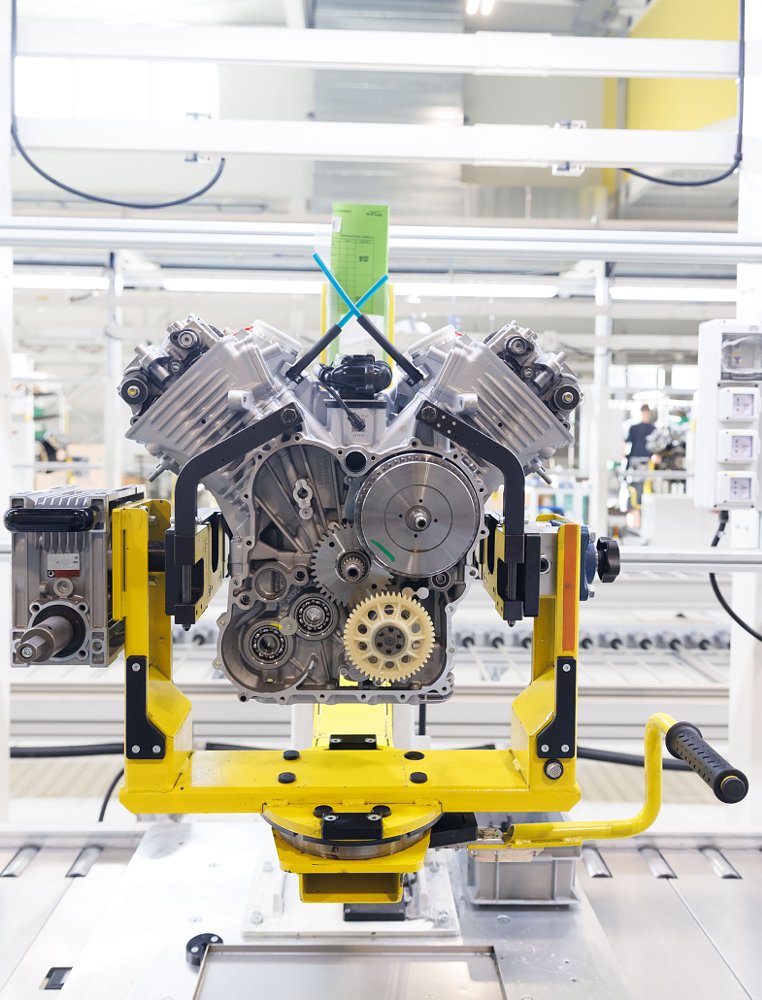
The new production facility gives Moto Guzzi the ability to increase production capacity to more than 30,000 units a year. The all-new engine assembly facility is able to produce 300 engines per day, twice what the old facility could manage. Finished engines travel via a conveyor system to the final assembly building, where completed motorcycles are moved on fully automated ground drones designed and built by Piaggio Fast Forward in Boston.
It isn't just the manufacturing facilities, but also the products themselves, Ignelzi insists, that must look toward the future. "Currently, we are focusing on smaller size [motorcycles]," he says. "That is the new direction we have to deal with. Our owners are getting older so we need to join the younger ones."
If that marks this as a time of adaptation for Moto Guzzi, it isn't the first time in the company's history.
In the museum, motorcycles are arranged thematically: race bikes here, prototypes there, bikes representing more esoteric themes (like "places" and "destination adventure") everywhere in between. Such an arrangement allows viewers to suss out narratives that appeal to their own interests. Had curators decided to exhibit the collection chronologically, it may have felt contrived, but it would have painted a clearer picture of the thrust of history. For one, it would illuminate a great rift in Moto Guzzi's story.
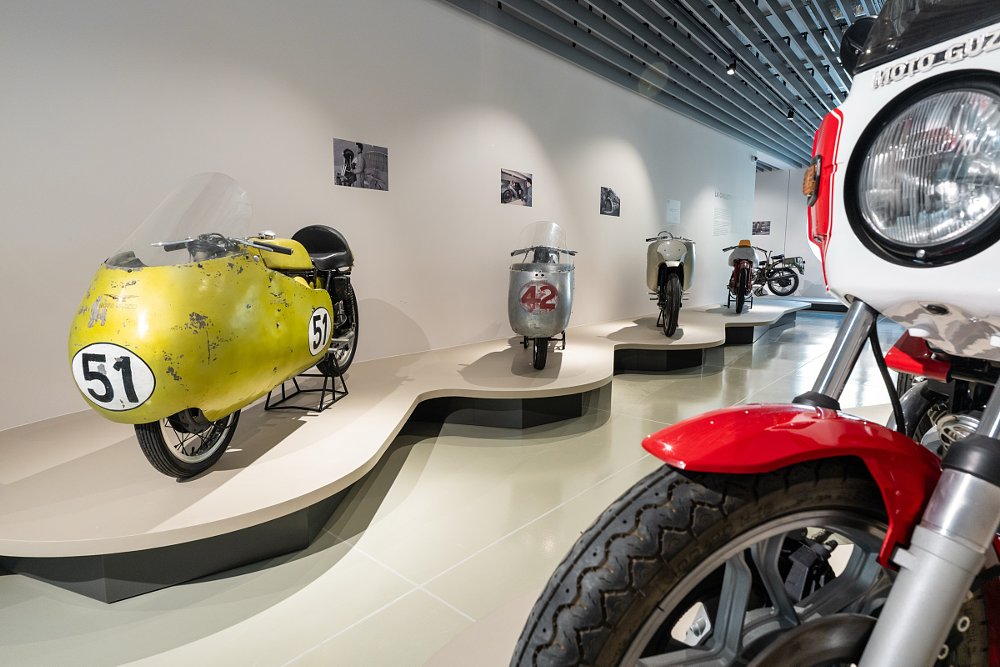
In one sense, Moto Guzzi has lived two lives: pre- and post-1957. Before 1957, it was a dominant force in the racing world, at the absolute forefront of motorcycle design. As early as the 1930s, engineers were experimenting with duraluminum sheet metal frames and electromagnetic and mechanical fuel injection. It was the industry leader in aerodynamics — much the same way Aprilia, its Piaggio Group stablemate, is today. The Eagle was flying high.
Then, in 1957, just as the V-8 was beginning to show its potential, Moto Guzzi abruptly stopped its factory racing effort. Its exit — accompanied by local rivals Gilera and Mondial — was precipitated by a recovering post-war economy that shriveled the market for affordable two-wheeled transportation. The subsequent years proved a difficult time for the whole of the Italian motorcycle industry. But soon Moto Guzzi would stumble into its future: the transverse V-twin engine.
Originally, the V-twin was designed for use in the 3x3 Autoveicolo da Montagna utility vehicle, but it quickly made its way into motorcycles, first for use by the police and military. The Ambassador, the first civilian version, soon followed. It wasn't until Lino Tonti, one of Italy's great motorcycle engineers, set about transforming it into a sporting machine, giving birth to the V7 Sport, that the transverse twin truly became canonical, defining Moto Guzzi for the next five decades and beyond.
The essence of Moto Guzzi at 105
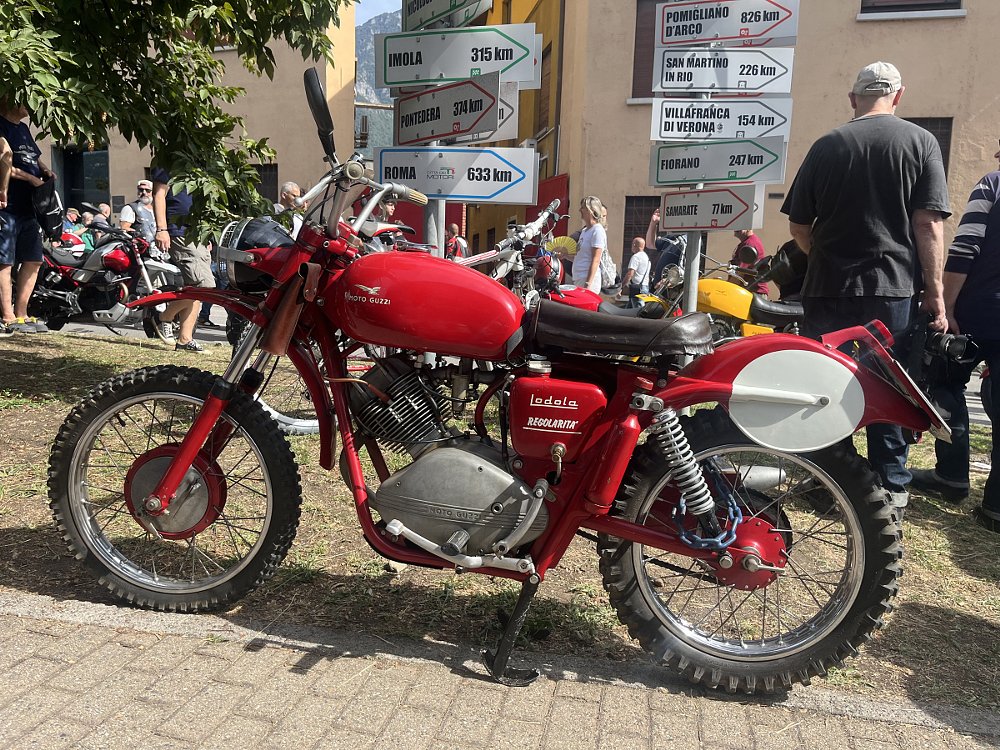
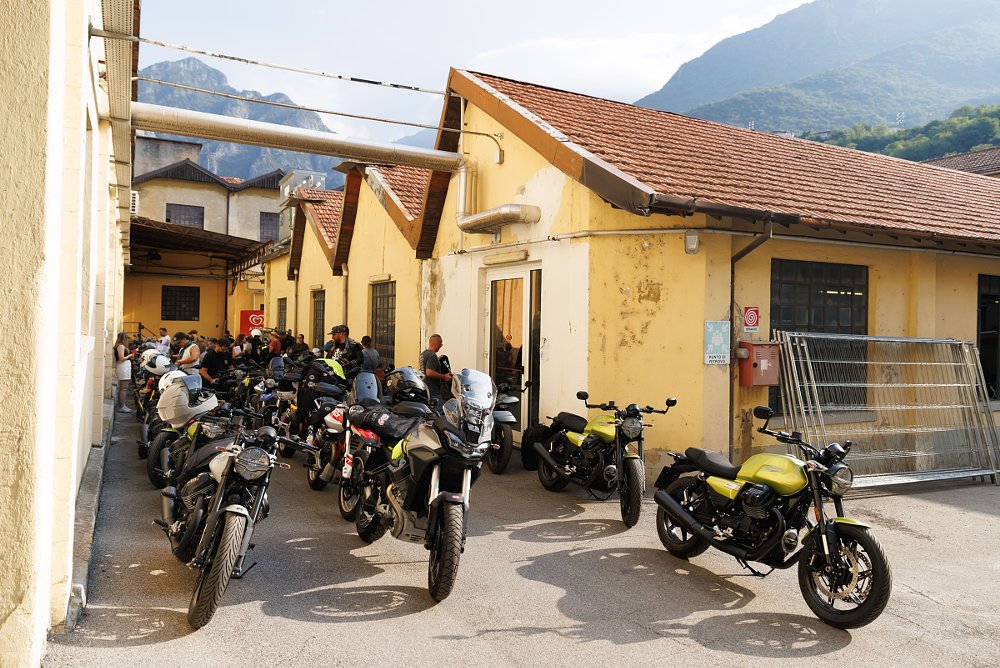
Wandering outside the factory gates, I spotted a pristine 1971 V7 Sport in a crowded line of bikes. With its two cylinders jutting out like flexed biceps, its sculpted tank painted in acid green "verde legnano," it looks as essential today as it was revelatory 55 years ago. In any other setting, seeing one would be like happening upon a first edition of "A Farewell to Arms" in a used bookstore. During Guzzi World Days, it was but one of many first editions.
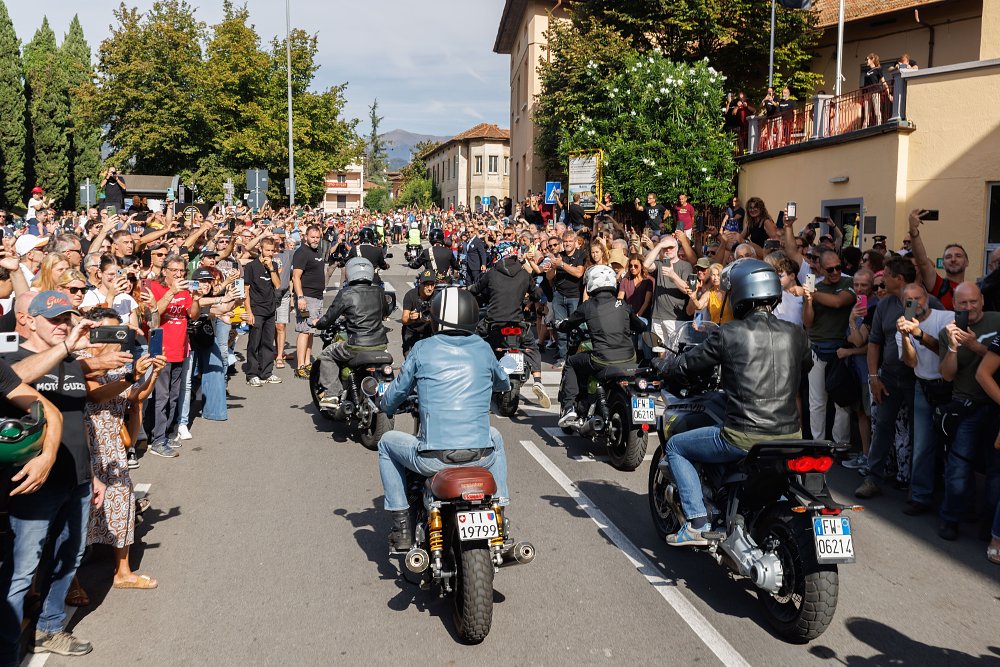
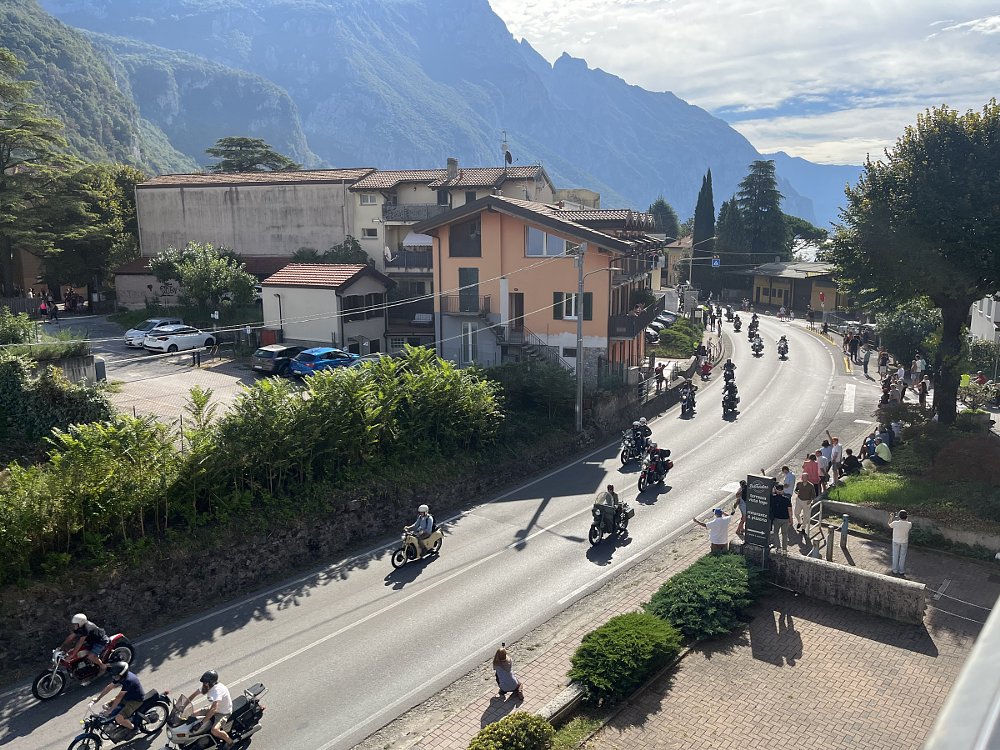
Walking around Via Parodi and its branching arteries, joining tens of thousands of Guzzisti who'd come for the occasion, felt like stepping right into Moto Guzzi history — not a diaphanous, untouchable past, but an oil-burning, eardrum-tingling present. Historic models weren't simply displayed beneath awnings to be admired with your hands behind your back; they were used — used as transportation, carrying riders around town without ceremony or pretense. There's no genuflection here, just genuine affection for motorcycles that work now the same way they did 80 years ago.
Sitting on one side of the V7 I'd admired was a 1958 Galletto 192, a utilitarian, scooter-like machine with a spare wheel tucked perpendicularly behind the front wheel. On the other side was a generic-looking California cruiser, its year and displacement as irrelevant as its silhouette. Next to that, a 2009 Griso 8V in satiny Tenni Green. Guzzis of every stripe.
It got me thinking about what makes a Moto Guzzi a Moto Guzzi.
It may be the oldest continually operating European motorcycle manufacturer, but, at least in America, Moto Guzzi is very much a niche manufacturer whose reputation hardly precedes it. Ducati more easily fits Americans' conception of the Italian motorcycle: fast, expensive, exotic, and red. Because it's based in Emilia-Romagna, the cradle of Italian motorsport — home to Ferrari, Lamborghini, et al. — racing is in the soil the Ducati factory is built upon. The roots of its go-fast know-how spread to Borgo Panigale from the nearby University of Bologna. The fruit of its racing vine, those fast, red motorcycles, are easy for even non-enthusiasts to understand. To the wider world, they're "the Ferrari of motorcycles."
At some point, Moto Guzzi earned the less self-evident nickname, "the Italian Harley-Davidson." Perhaps it originated from the late 1960s when the Berliner Motor Corp., Moto Guzzi's U.S. importer, made a big push to supply police departments with a viable alternative to Harley-Davidson. Generations of Ambassador, El Dorado, and California models reinforced that identity, but Moto Guzzi's fidelity to the cruiser category, which is comparatively casual, as evinced by its current model lineup, isn't why the nickname is apt.
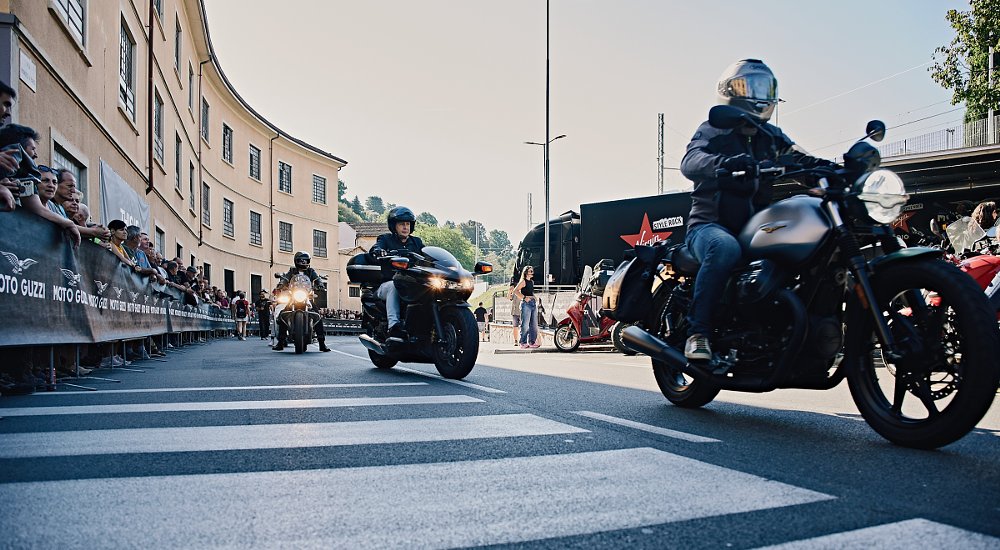
It would be a stretch to say Moto Guzzi is to the Italian motorcycle as Harley-Davidson is to the American motorcycle. Where, after all, would that leave the likes of Ducati? But Moto Guzzi does inspire a similar level of devotion in Italy as Harleys do in the United States. That's one reason why I saw so many well-cared-for vintage Guzzis in Mandello. They're too beloved to ever let perish.
To the outside world, Moto Guzzis may not fit into the fast-red-expensive typecasting of Italian vehicles, but in Italy, they're a part of the fabric of the culture. Just as Moto Guzzi's V-twin is oriented 90 degrees away from Ducati's desmo twins, its interpretation of la dolce vita of motorcycling is, if not diametrically opposed, then at least operating at a different angle — its own angle. Moto Guzzi can't be properly understood by stopwatches or spec sheets. You either get it or you don't. And if you do, it's not so much that you understand it with your head or feel it with your heart; it's that you know it in your gut.
Which is exactly where I felt the punch of the Otto Cilindri's exhaust note as it reverberated through town. While I can't help but wonder what Moto Guzzi would be if the Otto Cilindri hadn't been scrapped along with the whole of its racing program, there's no regretting what Moto Guzzi became without it.
The factory has been renovated many times over the course of 105 years. But as I looked at the color blocks of new buildings and the museum's warped silos, it was clear that its update is about more than pure functionality. The break with tradition and the transformation of industrial spaces into public spaces look like a pronouncement.
"We are open to wide modification," Ignelzi says. "We just look back not to forget who we are and to avoid walking down a path that is completely outside our heritage."
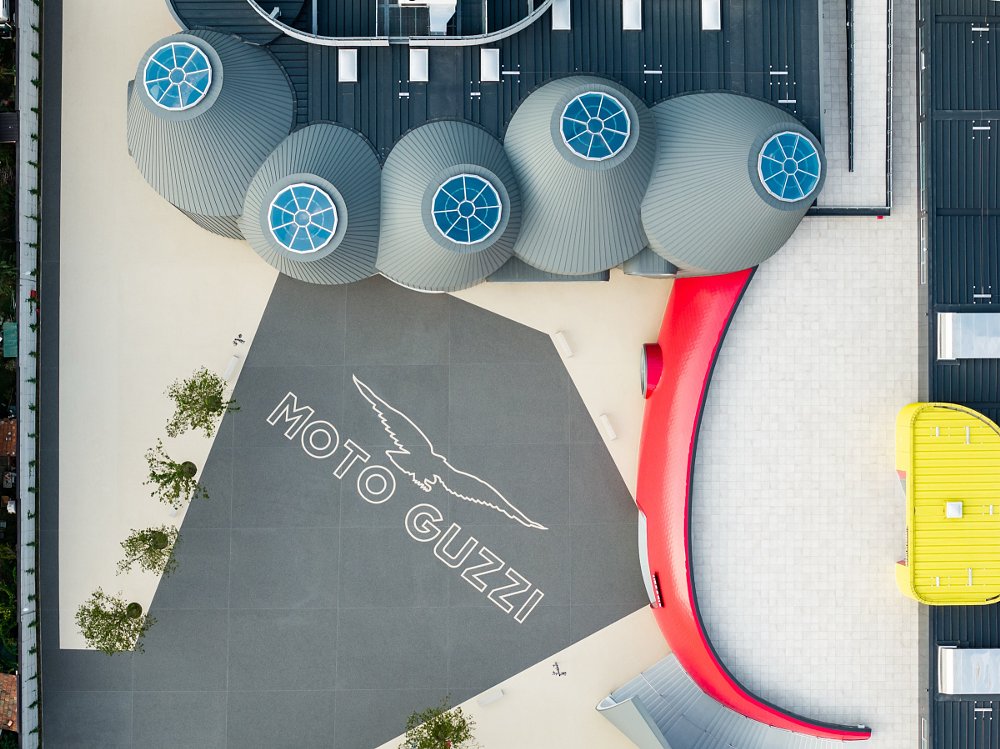
Moto Guzzi is not frozen in time, but it is frozen in place. Here, in Mandello del Lario, inside the famous red gate, there's something new. But the view beyond these modern buildings hasn't changed. Here, on the shore of Lake Como, in the shadow of the mountains, they build Moto Guzzis. And that's not likely to change anytime soon.