Shop by Vehicle
 Track Order
 Contact Us
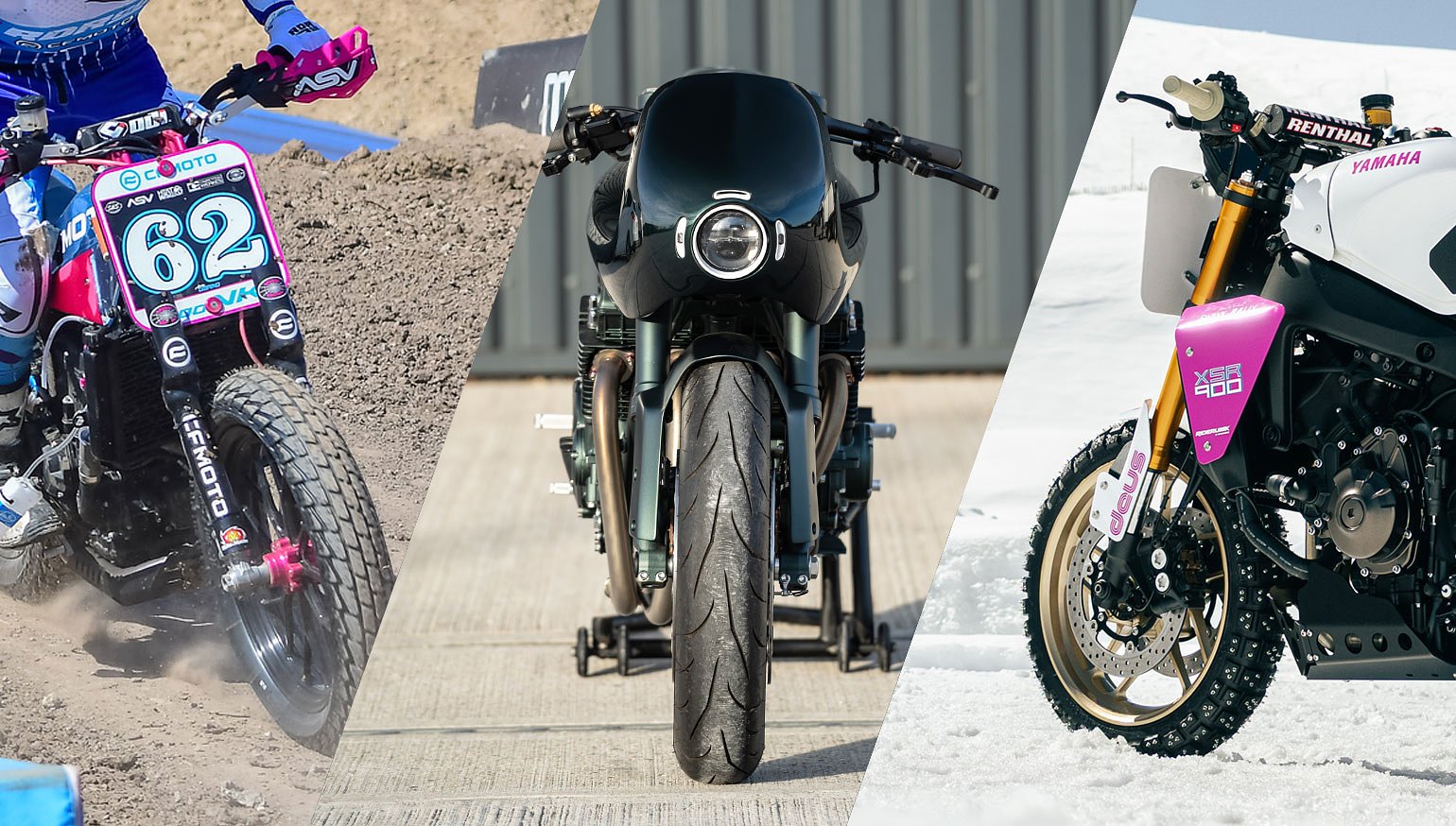
This month, we're going all-terrain with three custom motorcycles built for three very different applications. Hitting the dirt is a heavily modified CFMOTO flat-tracker by Andy DiBrino. On the asphalt, a svelte CB750 from the UK's Auto Fabrica. And carving through the ice, a Yamaha XSR900 by Deus Ex Machina France.
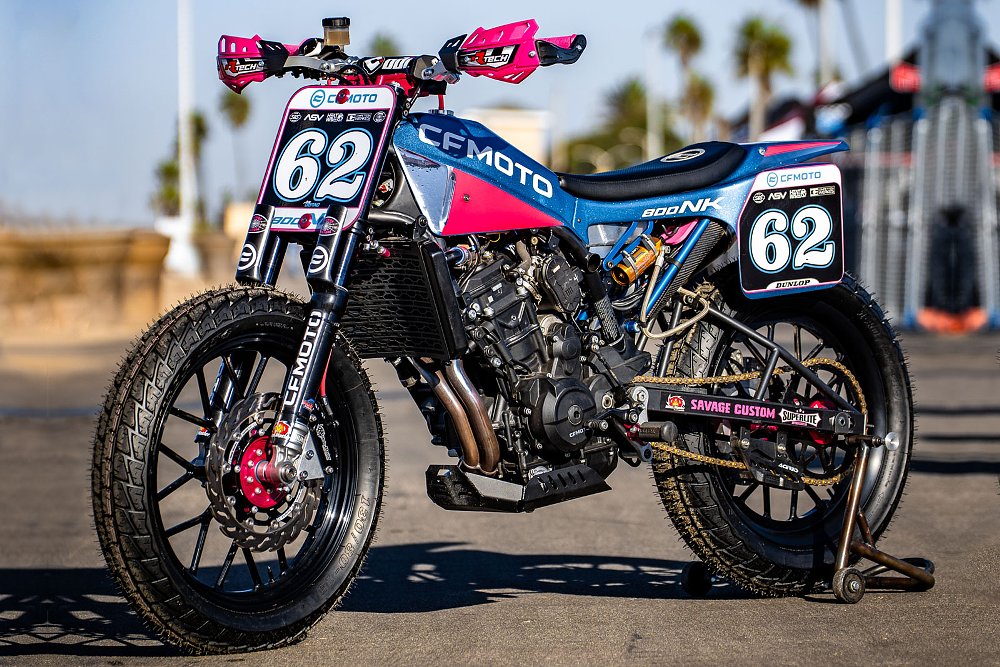
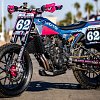
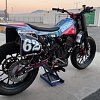
Andy DiBrino CF Moto 800NK Super Hooligan
31-year-old Andy DiBrino has been riding motorcycles since before he started school. He began in motocross, switched to Supermoto as a teenager, and eventually turned pro. His drive to stay in the saddle year-round led him to indoor flat-track racing, where he found his calling.
Andy's passion for flat track has seen him compete in countless events, including the Roland Sands Super Hooligan Series, which he won in 2017, its debut year. Since then, he's been competing on a modified KTM 790 Duke. But as the 2025 racing season drew nearer, a different opportunity with CFMOTO offered him the chance to build something new.
"I got hired as rider talent for a CFMOTO shoot in 2023 and immediately hit it off with their marketing team," Andy explains. "A year later, we crossed paths again at Roland Sands' Moto Beach Classic. After chatting with the team, we agreed it'd be cool to build a CFMOTO flat-track bike" to race in the Moto Beach Classic.
Andy and the CFMOTO team nominated an 800NK for the task. The naked streetfighter, powered by a KTM-derived engine, was the ideal candidate, meeting the event's 750 twin or larger street bike rules. Seeing as the 800NK was powered essentially by the same engine as his Duke, Andy took the bike straight to his go-to builder, Travis Johnson of Savage Custom Fabrication.
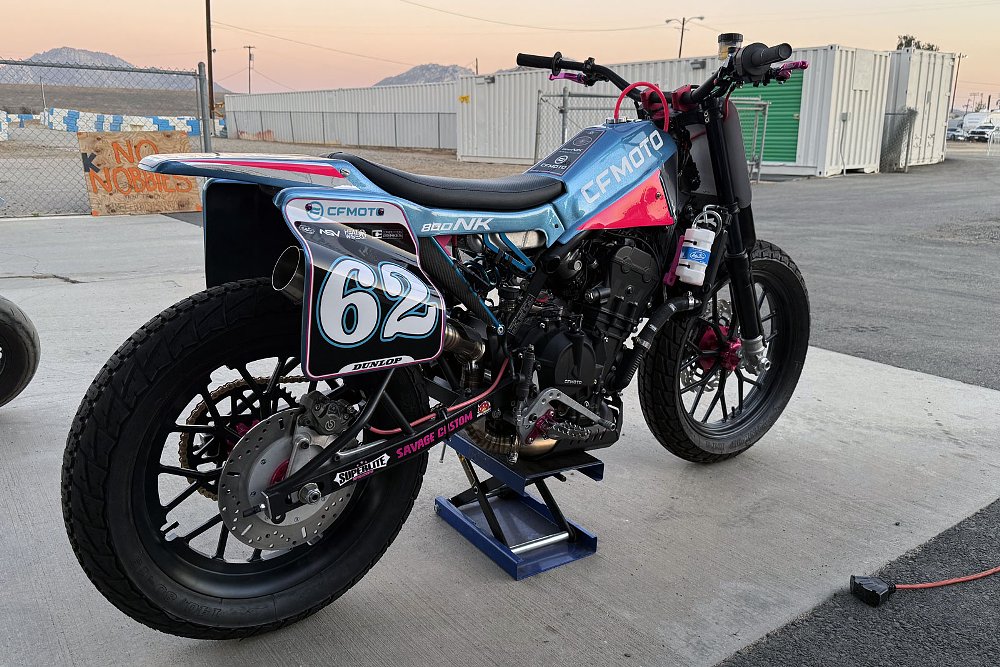
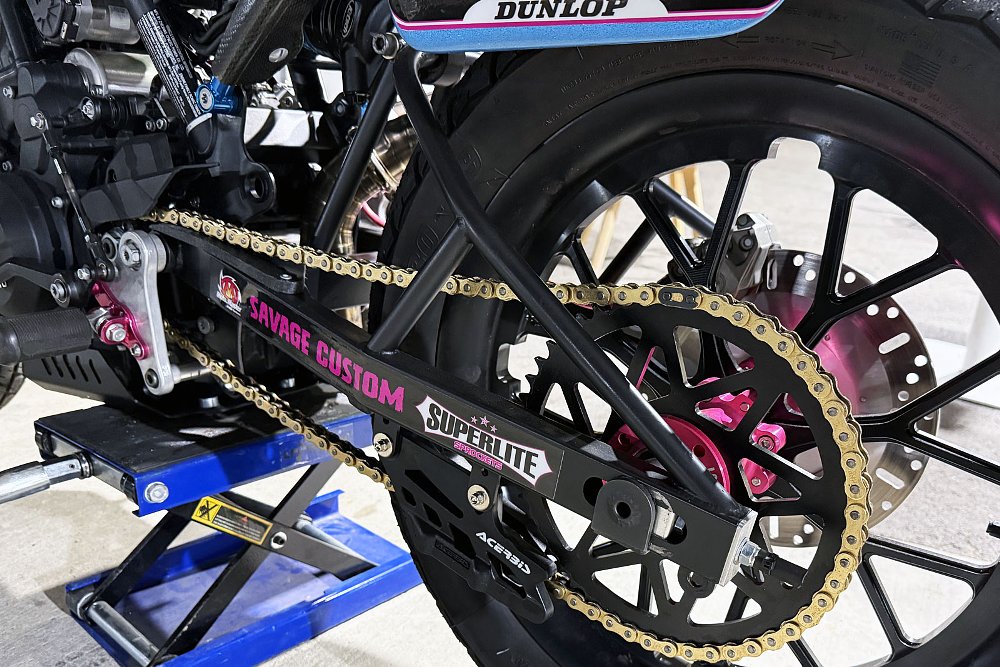
"I told Travis to basically copy and paste my old KTM 790 setup," he says. "But he's built over a dozen of those bikes since, so a lot has evolved. In the end, we only kept the frame and engine. Everything else either bolted straight on from the KTM platform or needed minor tweaks. He even had a 790 Duke flat-track swingarm ready to go."
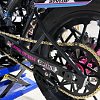
After tearing the bike down, the Savage Custom team went to town on it. Starting with the front end, the triple clamps and wheel were replaced using Lowery Racing parts. The forks are conventional 43 mm Öhlins, built by Jimmy Wood, and stopping power is managed by a KTM 450 SMR Brembo setup. At the rear is a custom Öhlins shock (also by Wood) and another Lowery Racing wheel. Moto-Master hardware handles stopping duties. The exhaust retains the stock header, but it is now paired with a Competition Werkes cat-delete and slip-on muffler.
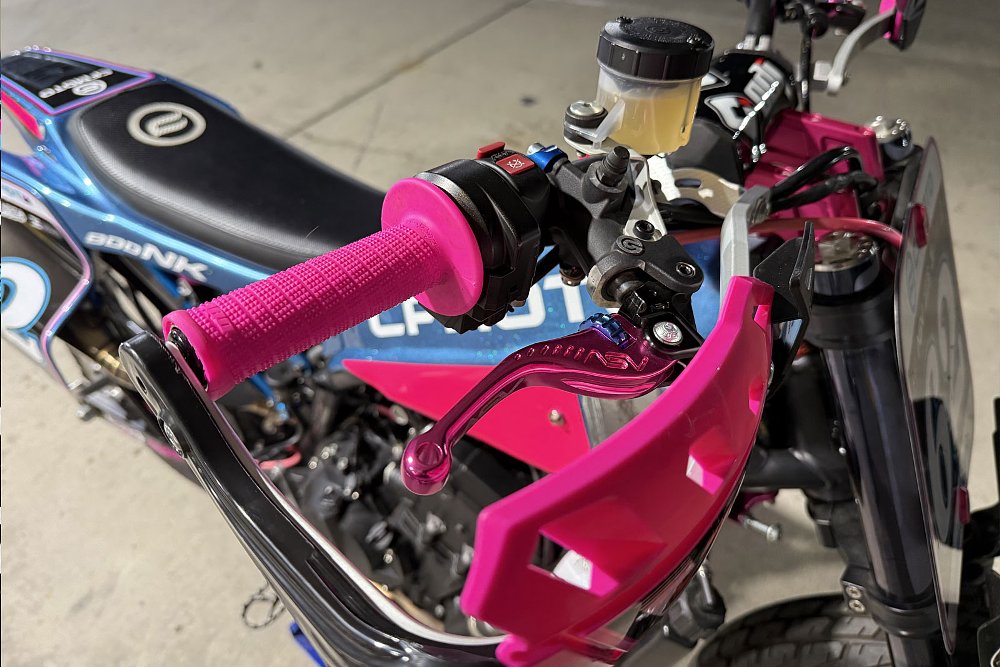
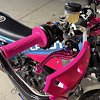
When it came to the controls, Andy added his own touches to set things up just how he liked.
"On the right side of the bike, I have a KTM 450 SX-F motocross footpeg. I like to run a motocross footpeg on the brake side, and I run a rubber peg on the shifter side because on dirt tracks, I wear a steel shoe on my boot. It's extremely slippery if you don't have a rubber peg on that side!"
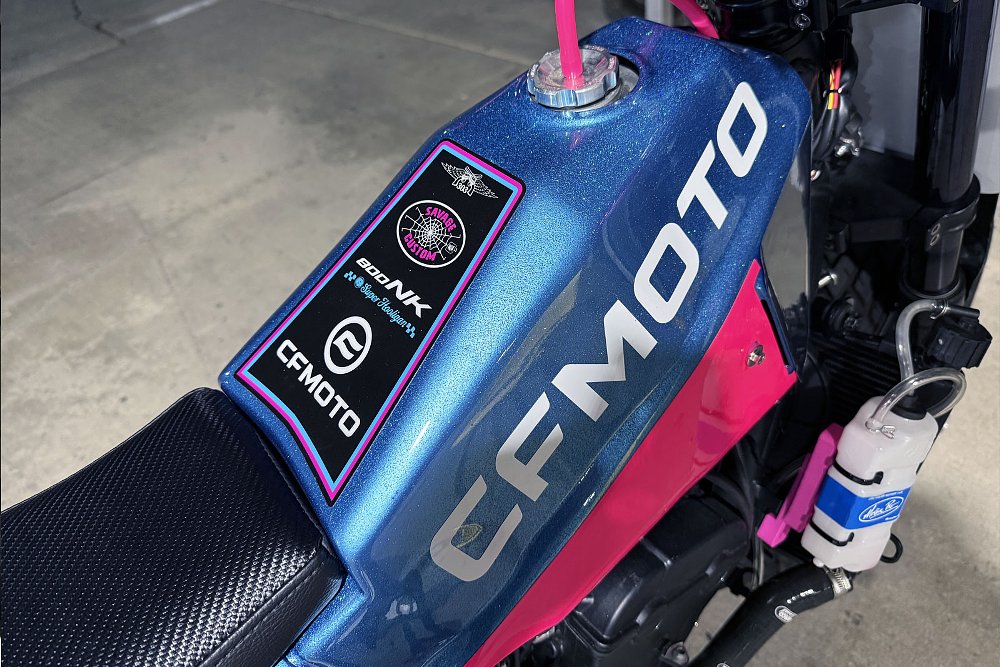
Savage Custom also handled the bodywork transformation, adapting their KTM design to suit the 800NK's geometry. Each carbon fiber panel was fabricated in-house, then finished by Andy in CFMOTO-inspired livery. Beneath the bodywork is a Savage Custom fuel cell, subframe, airbox, and a host of miscellaneous bits to get everything working harmoniously.
When Savage Custom handed the bike back to Andy, all that was left to do was the final tune, but things didn't exactly go to plan. "I took it to a shop for tuning, but the guy working on the wiring harness quit. No one else knew what he'd done and couldn't finish it. I basically had a $15,000 paperweight with the race only a month away."
Thankfully, help came in the form of renowned flat-track racer and mechanic Michelle DiSalvo. Using a system she had already developed with S&S Cycles for an 800NK, she set the bike up with a custom wiring harness and Maxx ECU.
Then just as Andy thought he could breathe easy, the Moto Beach Classic organizers dropped a bombshell. Rather than being a flat oval race, they switched to an Arenacross configuration with jumps and berms. With no time to spare, Andy hauled the bike to Jimmy Wood in Arizona for a last-minute suspension overhaul, effectively turning it into a flat-track TT machine.
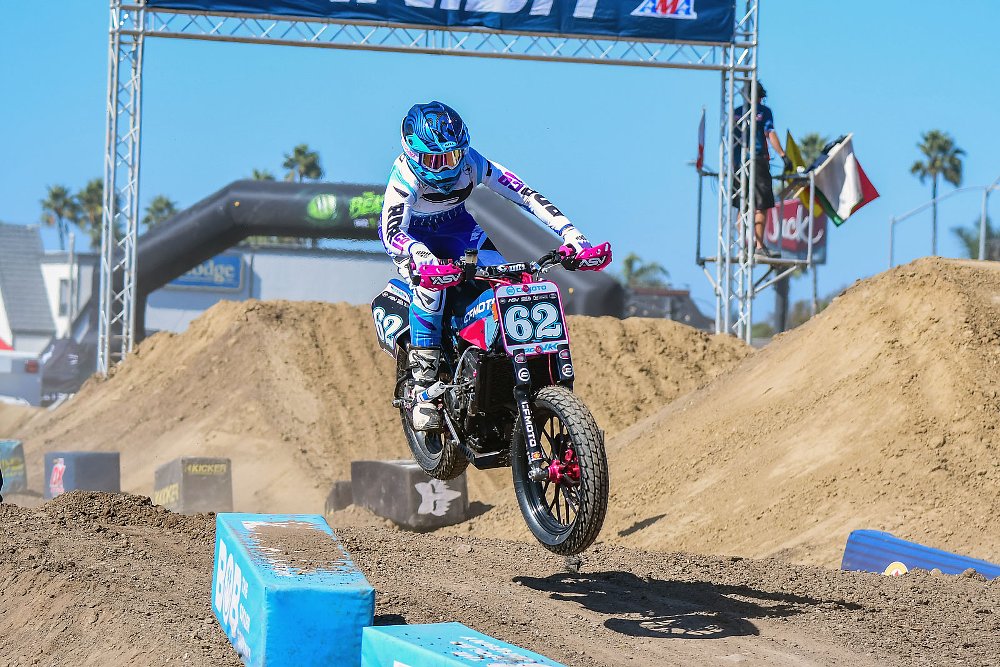
Come race day, Andy and the CFMOTO were ready to go. The revised suspension worked, but the tune proved a little too aggressive. "I ended up crashing out of the lead in the main event and broke my arm," Andy says. Not the result he was chasing, but with both rider and machine now back on form, the 800NK is set to return with a refined tune and some unfinished business to complete.
Auto Fabrica Honda CB750 Nighthawk
Since 2012, UK outfit Auto Fabrica (Instagram) has been wowing the custom motorcycle world with its high-end builds. Founded by industrial and automotive designers, Bujar and Gazmend Muharremi, the dynamic duo blends traditional metalworking techniques with modern CNC and 3D printing to produce striking, unconventional machines.
"At Auto Fabrica, we approach each build as a piece of design rather than a traditional custom," explains Bujar. "The aim is to create something that feels timeless, but also slightly unfamiliar, something you can't immediately categorise."
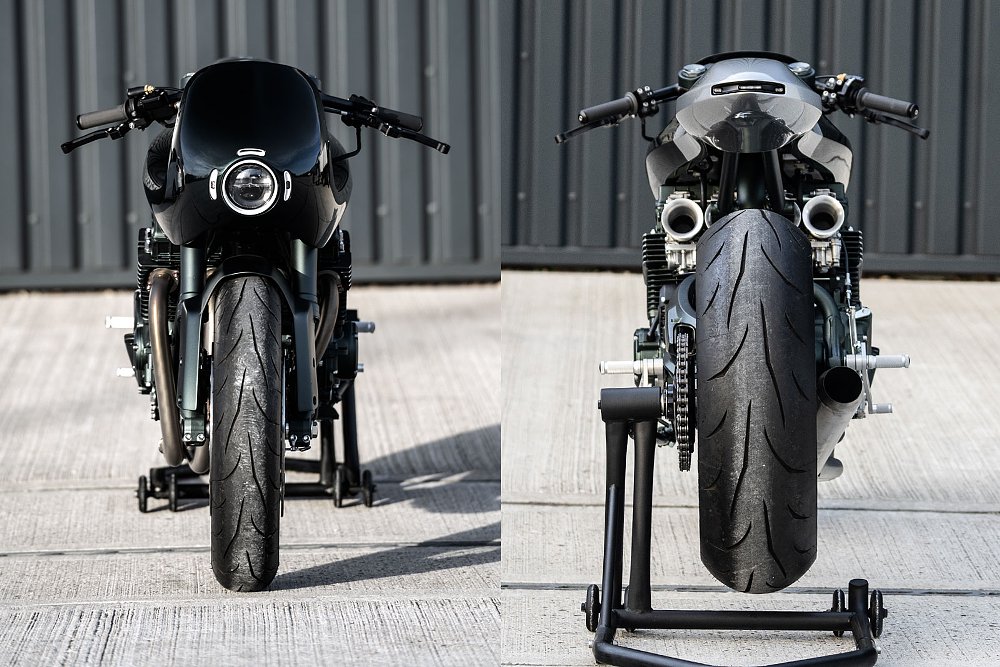
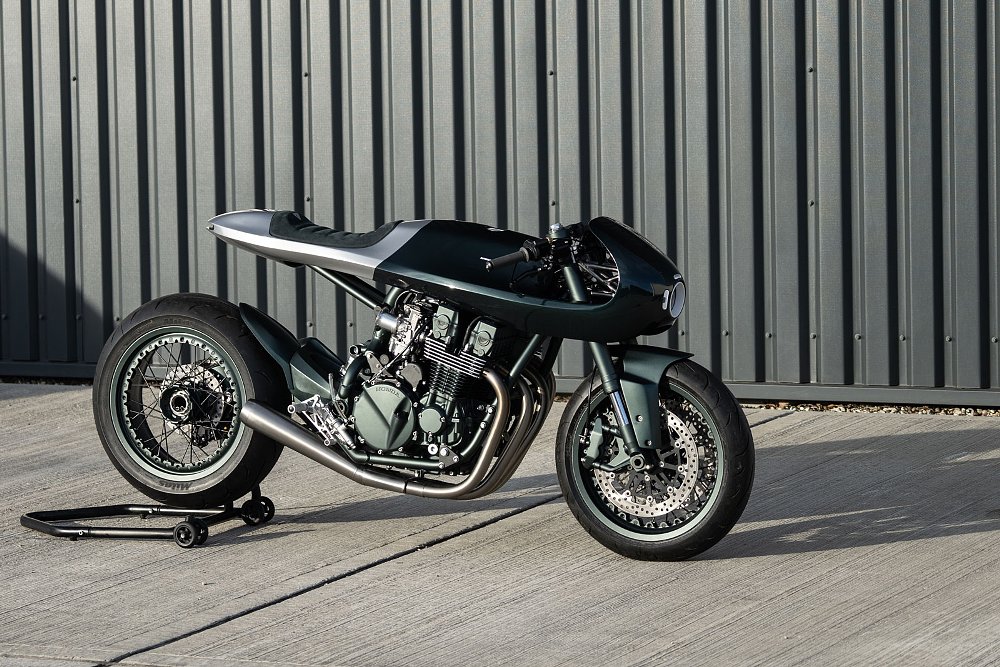
Type 26, Auto Fabrica's latest creation, is the epitome of that approach, and it started with an underrated donor, an early 1990s Honda CB750 Nighthawk.
"The CB750 is often overlooked in the custom world, especially the later Nighthawk models. That's usually where we find the most interesting opportunities," says Bujar. "This bike wasn't chosen because it was rare or desirable; it was chosen because it had the right foundations. The proportions, the engine architecture, and the simplicity of the base made it a perfect candidate. We saw it less as restoring or modifying a CB750, and more as using it as a starting point to create something entirely new."
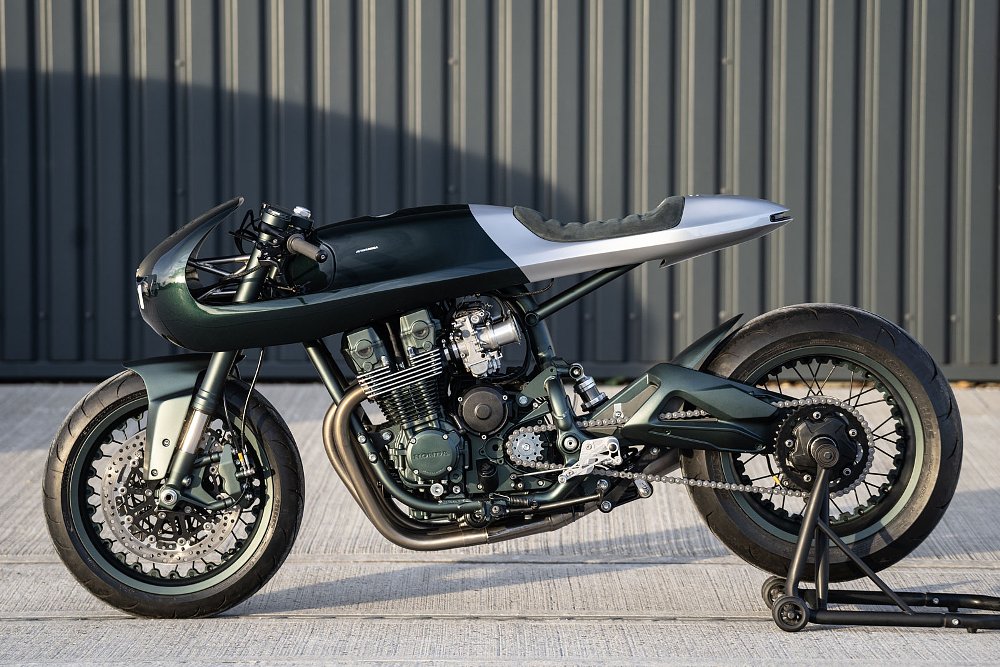
Bujar describes the concept behind Type 26 as "creating something that feels like a dress watch in motorcycle form," which has been translated as an understated, refined machine. The design draws from both classic and modern influences, and despite an entirely new appearance, hints of vintage Honda styling remain.
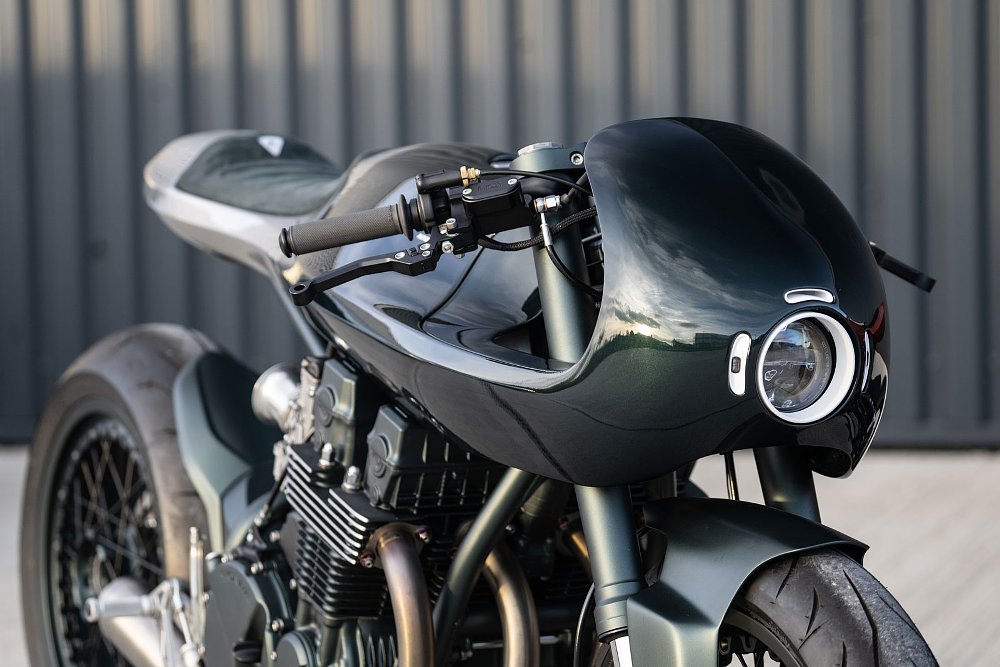
To create the Type 26, the brothers reworked the Nighthawk from the ground up. The rear of the frame was redesigned to support a bespoke monobody, seamlessly integrating the tank, seat, and tail into a single, uninterrupted form. Up front, a Suzuki GSX-R fork improves performance while giving the bike a more modern stance. The bike rolls on Kineo wheels, combining classic spoke styling with a modern tire and brake package. Of all the changes to the running gear, the fitment of an MV Agusta single-sided swingarm stands out the most. Installing it required extensive re-engineering to ensure proper alignment and structural integrity.
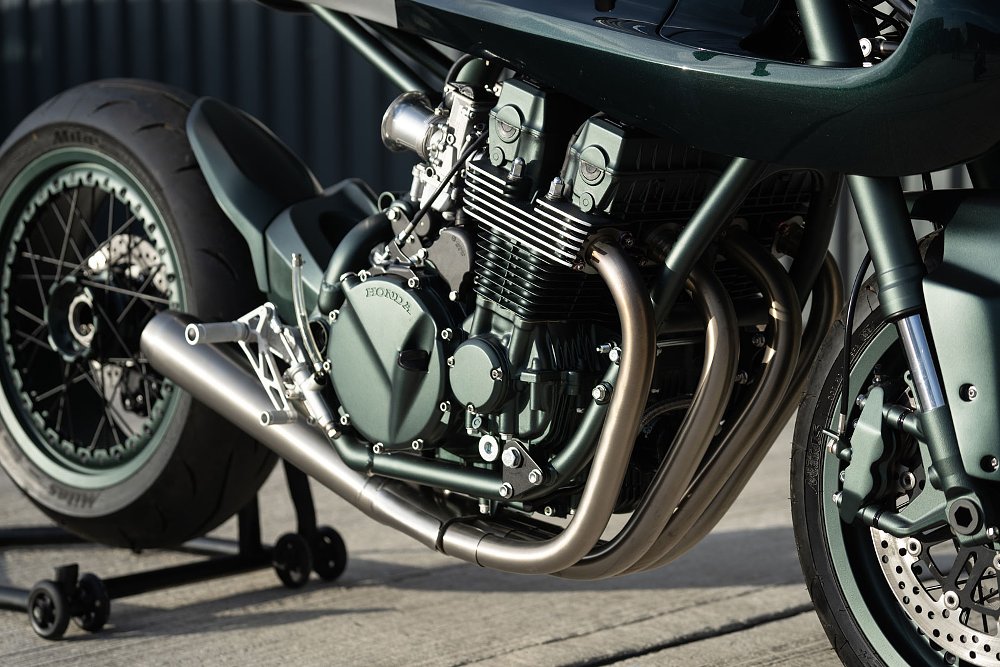
The engine was, of course, refreshed and fitted with Mikuni RS34 flat-slide carburetors, resulting in sharper throttle response and a more engaging feel. The four-into-one titanium exhaust system was built in-house and finished with a slim muffler designed as much for its visual impact as sound.
The brothers utilized Motogadget components to modernize the Nighthawk's electronics. An M-Unit controls the whole assembly, while an M-Lock converts the ignition to a keyless setup. Lighting has also been thoroughly modernized using a JW Speaker headlight and LED turn signals, which are integrated into the front fairing and tail unit. Smaller details such as mounts, brackets, and housings were either 3D-printed or CNC-machined, further enhancing this bike's premium finish.
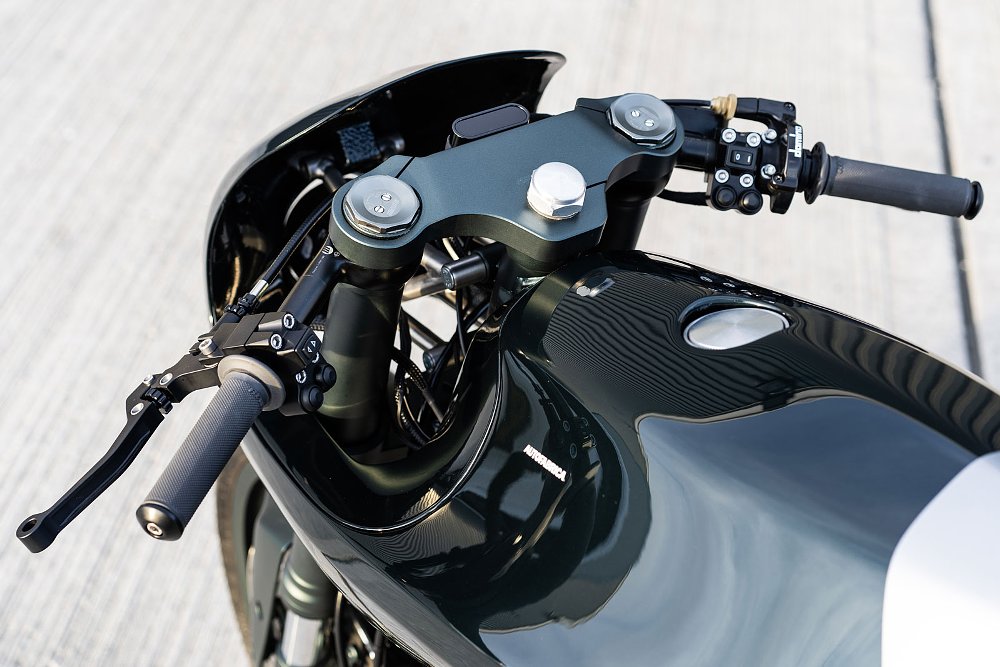
It comes as no surprise that the brothers faced plenty of challenges creating a bike as radical as this. As Bujar explains, "Integrating the single-sided swingarm into a platform that was never designed for it was one of the biggest technical challenges. But beyond that, refinement is always the hardest part. With a design like this, there's nowhere to hide. Every line and junction is visible, so everything has to be resolved properly. Achieving that level of simplicity takes far more work than it appears."
So, although the CB750 Nighthawk may not be the obvious choice for a custom build like this, in the right hands, it can clearly become something exceptional.
Deus Ex Machina XSR900 Ice Racer
Since its humble beginnings in 2006, Sydney-born motorcycle lifestyle brand Deus Ex Machina (Instagram) has grown to be a globally recognized brand. Today, Deus boasts flagship stores in 10 different countries and produces everything from seasonal apparel and riding gear to a record label and surf accessories. Despite the enormous scale of the business, Deus hasn't lost sight of its roots, building bespoke motorcycles that have helped to shape today's custom motorcycle scene.
The latest addition to the Deus stable comes from its French division. Spearheaded by marketing and sales team member and confessed motocross addict, Victor Delabarre, the bike was built for a singular purpose: racing on ice.
"In October 2025, I was organizing the third edition of the Swank Rally, a well-known global Deus event, made even more special here because it takes place on ice," says Victor. "I reached out to Yamaha EU, who had partnered with us before, and they were keen to get involved again and supply a bike."
This year, the Swank Rally on Ice moved from the French Alps to the Pyrenees. Perched at 7,900 feet above sea level, you'll find the world's highest permanent racing track, Circuit Andorra. The roughly kilometer-long track hosts race events year-round, but in the winter months of December to March, heavy snowfall transforms it into a frozen circuit, perfect for ice racing.
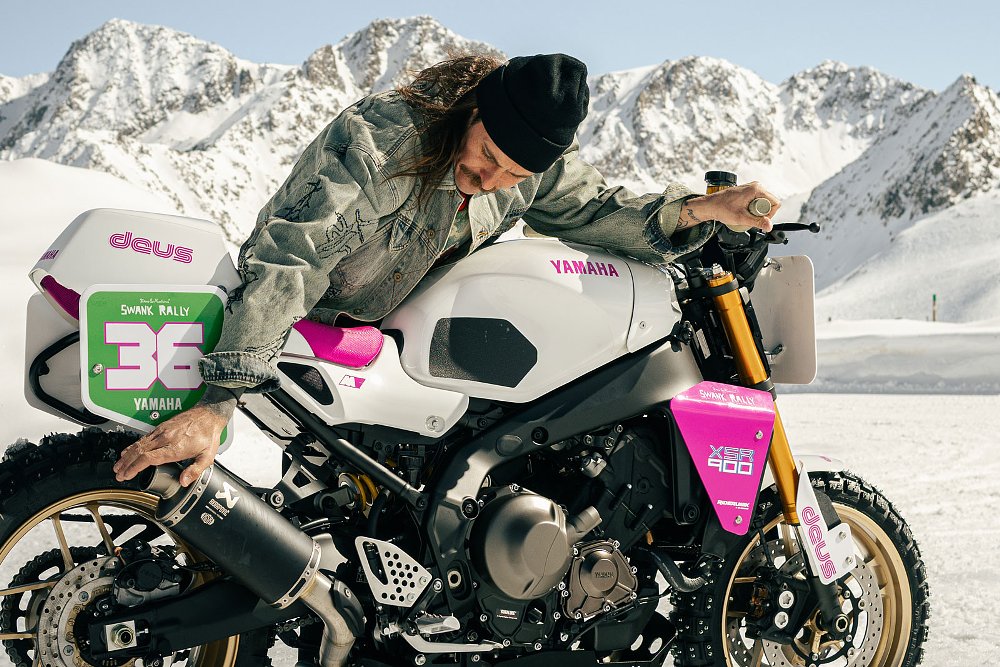
The motorcycle Yamaha provided Deus with for the event was a 2025 XSR900; however, due to the change in location and uncertainty around the event date, the team only received the bike three weeks before race day. So with no time to waste, Victor contacted CNC machining specialists La Manufacture F.
Victor and La Manufacture F frontman Maxime began by sketching out a concept that blended motocross attitude with 1990s Superbike styling. With the direction set, they turned their attention to race prep.
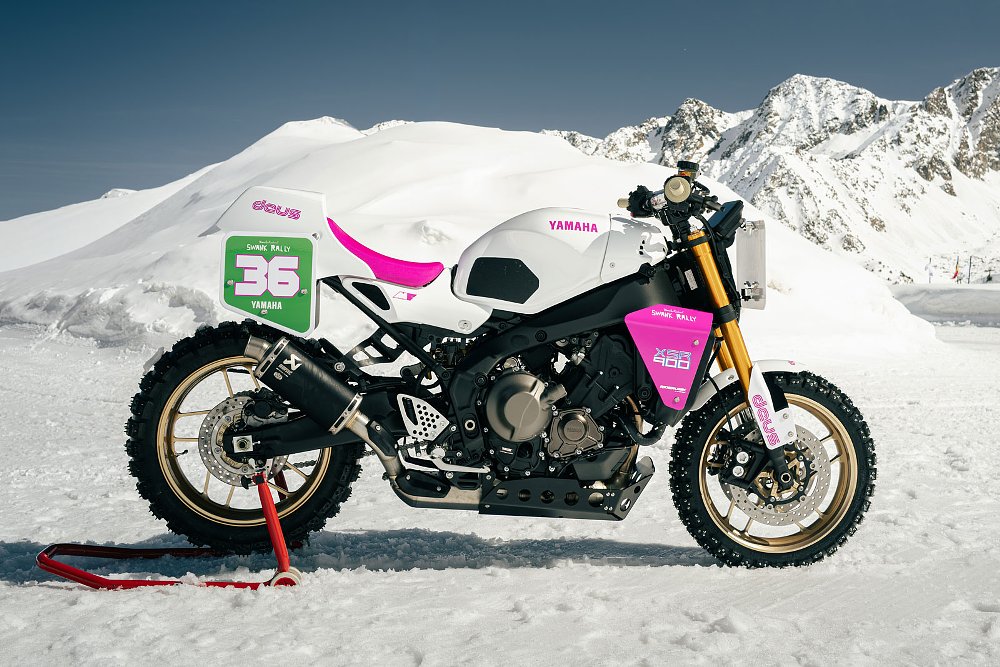
In stock form, the XSR900's 117 horsepower and 93 Newton-meters (69 foot-pounds) of torque were more than enough to make it competitive, but what it lacked was protection against inevitable drops and traction. So, using their concept as a guide, Maxime produced a suite of CNC-machined parts for the XSR, including skid plates, fork guards, side panels, radiator guards, and footpegs.
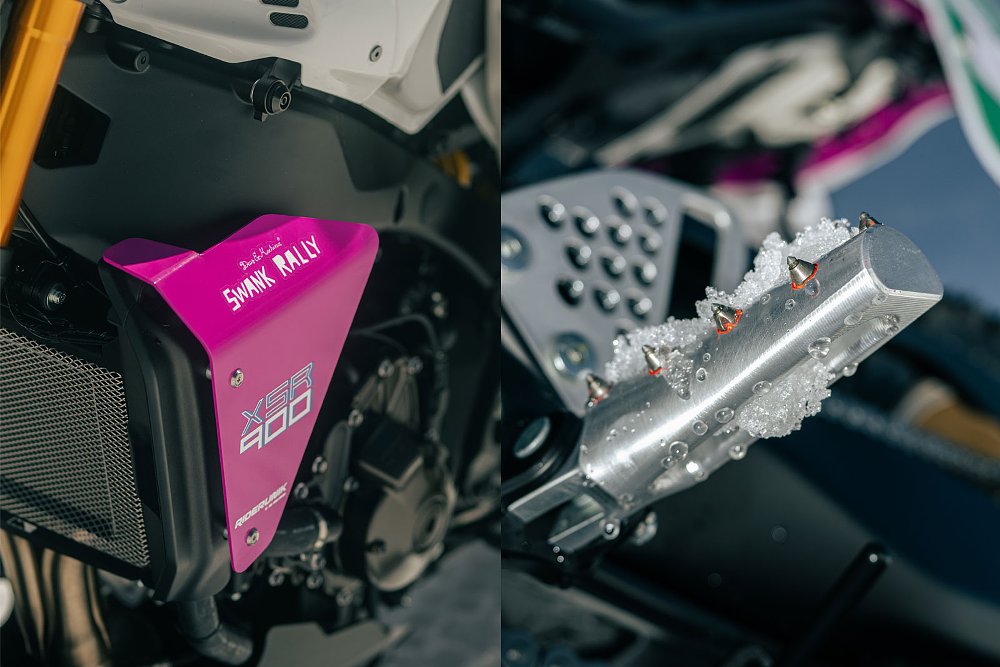
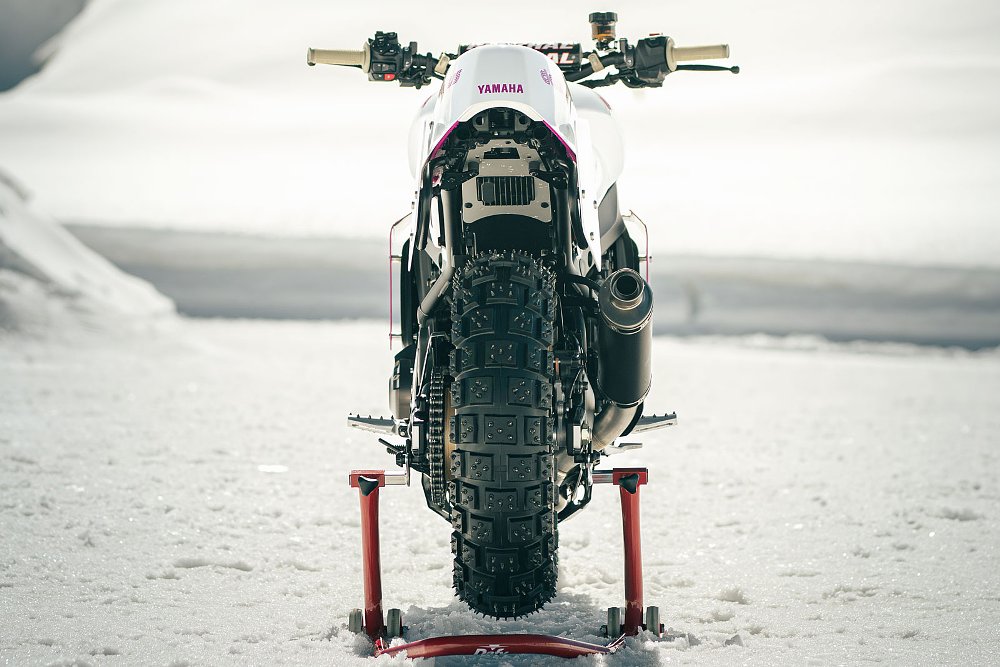
For traction and to meet strict track regulations, the stock wheels were fitted with knobby tires embedded with around 200 metal spikes. Measuring seven millimeters at the front and four millimeters at the rear, the setup provides just enough grip to allow controlled slides, not unlike flat-track racing.
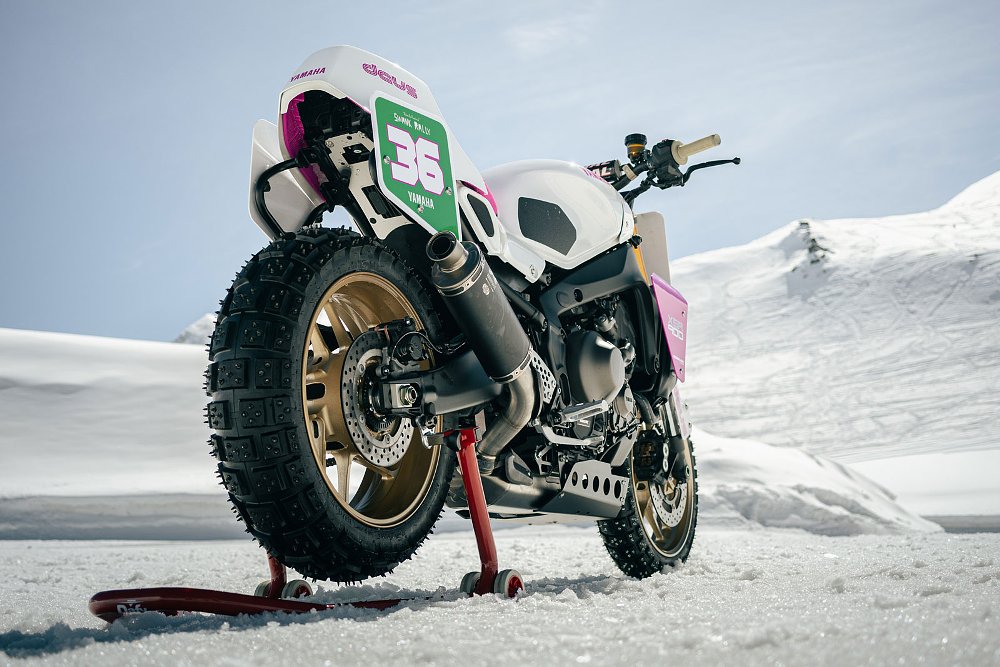
Further track prep saw the removal of road-going components, including mirrors, indicators, and the entire license plate and brake light assembly. The XSR's signature headlight has been replaced with a race number plate, while a titanium Akrapovič muffler sheds weight and adds an angrier note. Deus also fabricated a rear cowl for the bike with integrated number panels to complete its race-ready silhouette.
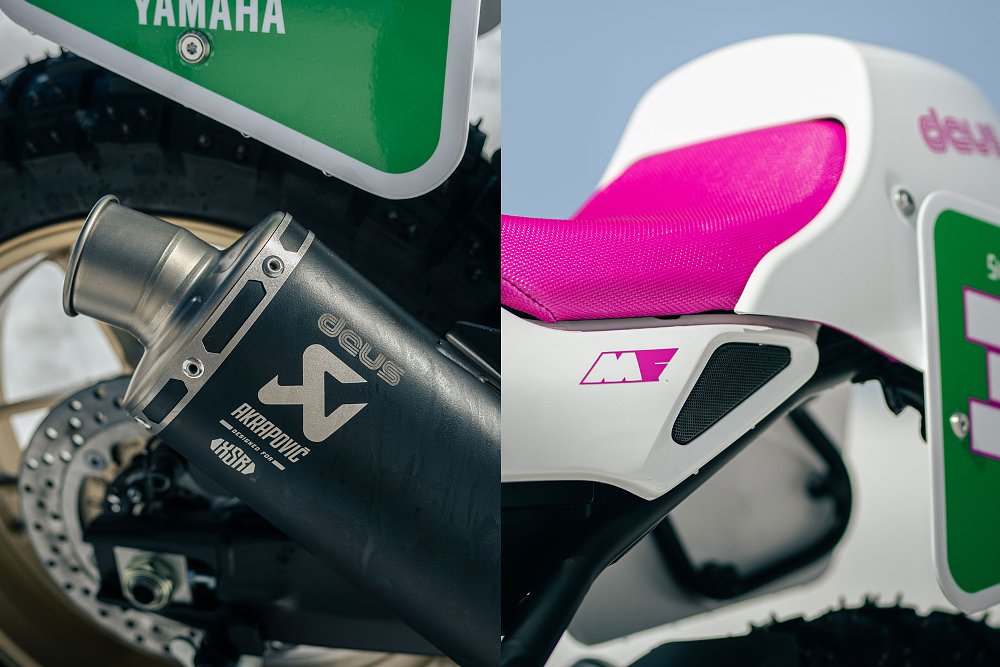
The outlandish pink-and-white livery was developed in collaboration with decal specialists Rider Unik, creating a scheme that embodied the Deus aesthetic and bolstered the '90s Superbike vibe. It's an unconventional build for an unconventional race and proof that the right mix of creativity and intent can turn any motorcycle into something entirely new.