Shop by Vehicle
 Track Order
 Contact Us
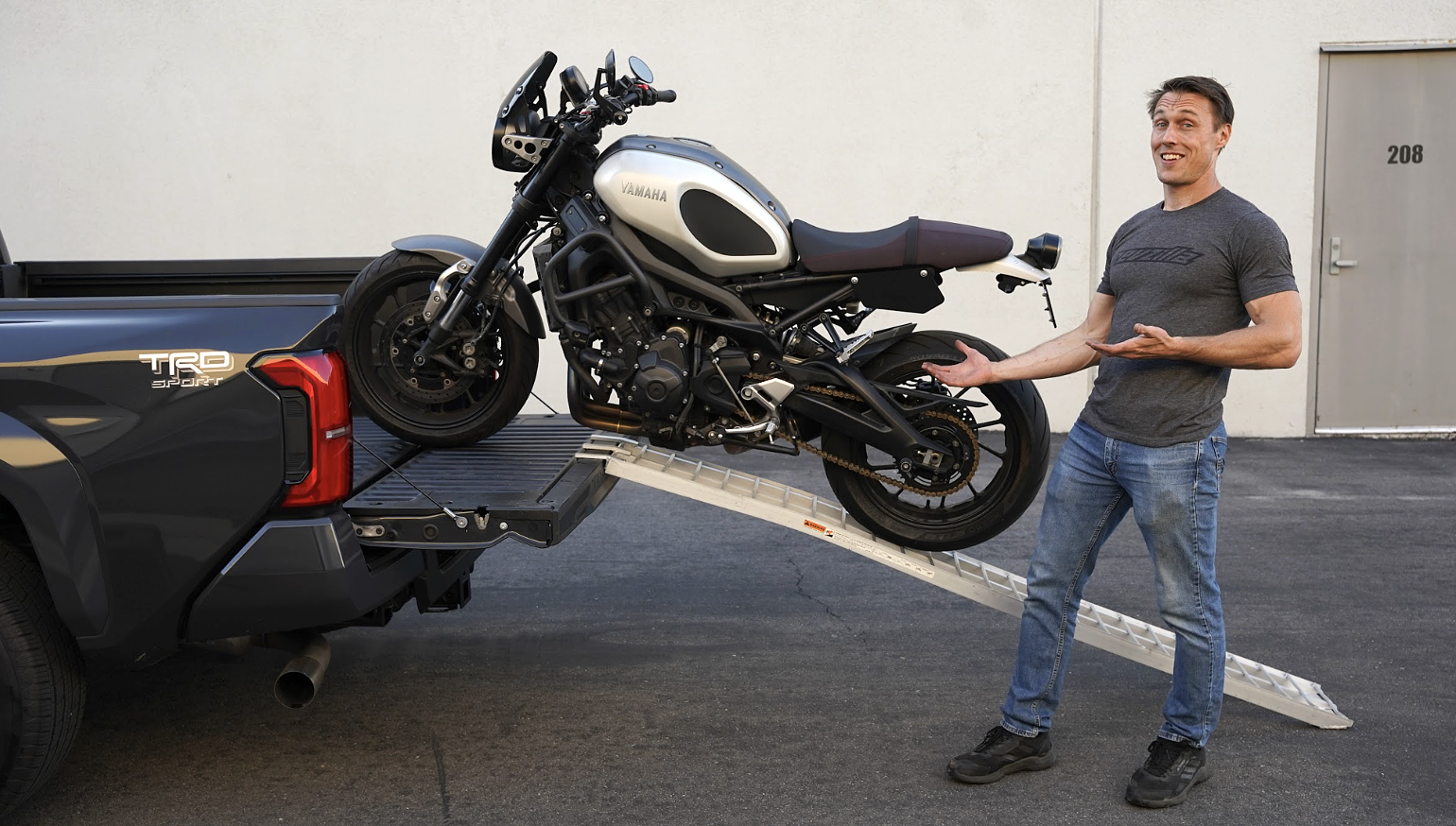
Read or watch most content on loading a motorcycle into a truck or trailer, and one of the first pieces of advice you’ll get is to enlist a friend to help you. Many hands make light work, right?
In my experience, an extra set of hands on a motorcycle results in a subtle tug-of-war and awkward balance as both pairs of palms instinctively position the bike the way it feels best for them. Sure, that confusion can be eliminated or at least reduced with solid communication before loading commences (which I’ll explain), but ultimately, I think solo loading is the best approach. And it’s a lot easier than you might think.
Loading, tying down, and unloading a motorcycle by yourself doesn’t require much, but this stuff is essential:
- A truck, trailer, or van with adequate tie-down points. The lower the loading surface, the easier this job will be. For that reason, trailers are a great choice, even if you have to rent one.
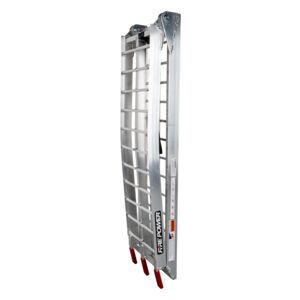
- A sturdy ramp, which should be long enough to keep the angle shallow so your bike doesn’t scrape its belly, and strong enough that it can handle the full weight of your machine.
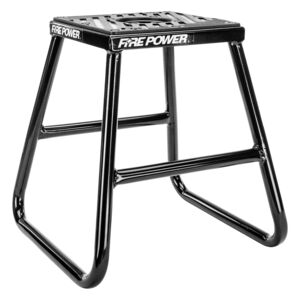
- A milk crate, moto stand, or tool box to use as a step.
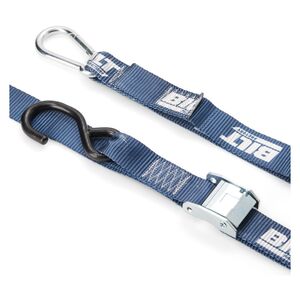
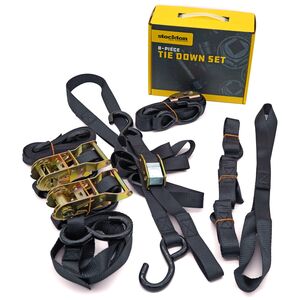
- Tie-down straps. At least two, but four is better. I prefer ones with cam-buckle straps and built-in soft ties, but ratchet straps will work, too.
- And finally… belief in yourself. I know this can be intimidating, but confidence is key!
The first, often overlooked, step of loading your bike is picking the right spot to do it. If you're loading into a truck, a simple way to set yourself up for success is to position the rear wheels in a dip, a gutter, or some other feature to lower the truck bed. This reduces the step-in height and makes the ramp angle shallower, both of which will make loading easier.
With your location set, start by putting your ramp down right of center and use one of your tie downs to secure it to the vehicle or trailer by hooking one end midway down the ramp and the other to the hitch or bumper. This ensures the ramp doesn’t come out from under the bike, which is especially important because we’re going to get this motorcycle into the bed under its own power.
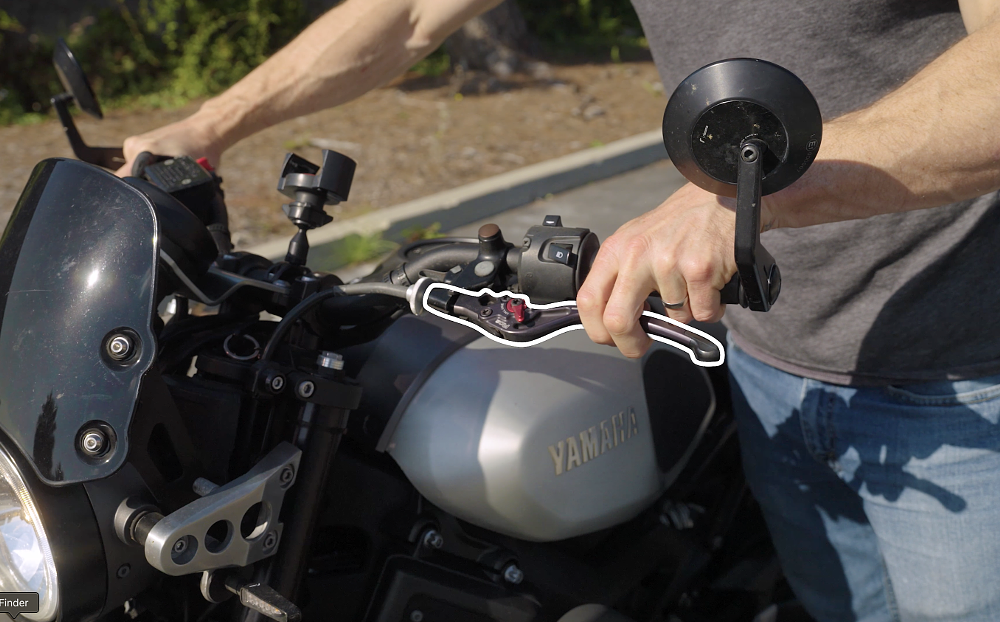
To do that, align the bike with the ramp, start it, click it into first, and slowly drive up the ramp. It really doesn’t take much power, so just set the throttle at a few thousand rpm, regulate drive with the clutch, and keep one finger on the front brake for safety. Once the front wheel is in the truck you’ll need to step up, and if you’re a confident type you can do it with the bike rolling, but if you need to pause, simply pull in the clutch and apply the front brake. Then you can step up, slowly let out the clutch and brake, and drive the bike all the way into the bed. Once you’re in, shut the engine off and lean the bike over on the sidestand.
What if you’re loading your bike because it doesn’t start? Then you have two options: Ask a friend for help, or get a running start at the ramp and let the bike’s momentum carry it up. The latter is actually my primary approach, but it’s not for the faint of heart.
If you opt to get help loading, it’s important that your assistant understands that they’re not helping to balance the bike, just propel it. The most effective way for them to do that is by grasping the tire and rotating the rear wheel forward. Pushing on the bike’s tail works as well, but often comes with some lateral inputs that will throw off your balance.
Once the bike is loaded up, it’s time to tie it down. Most trucks and trailers have loops in the bottom corners, which is ideal. You want wide and low tie-down points so that the bike is pulled forward and down and has a wide base of support. You can still secure a bike using higher or narrower tie-down points, but it won’t be as stable so you’ll likely want to use additional tie downs at the sides or back.
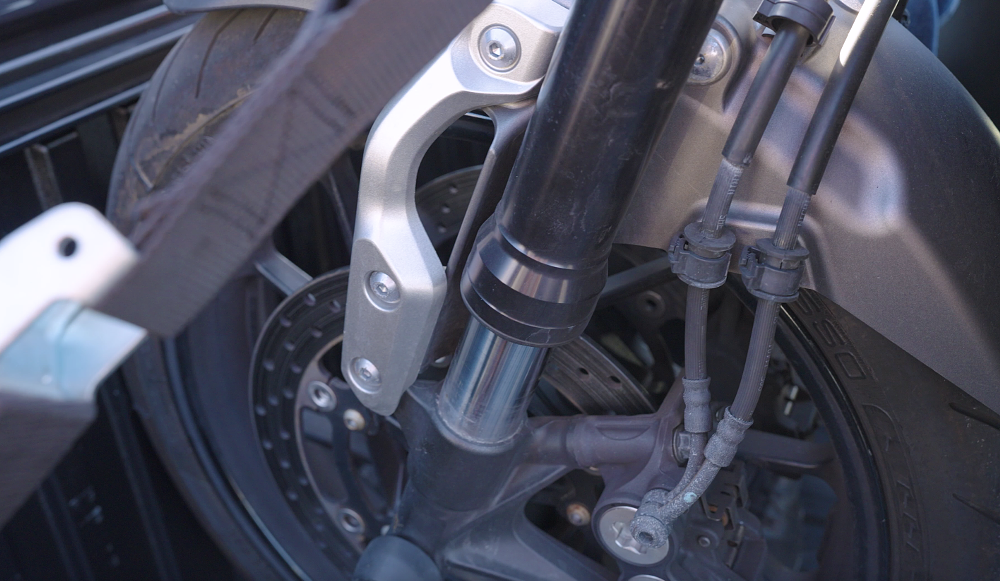
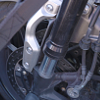
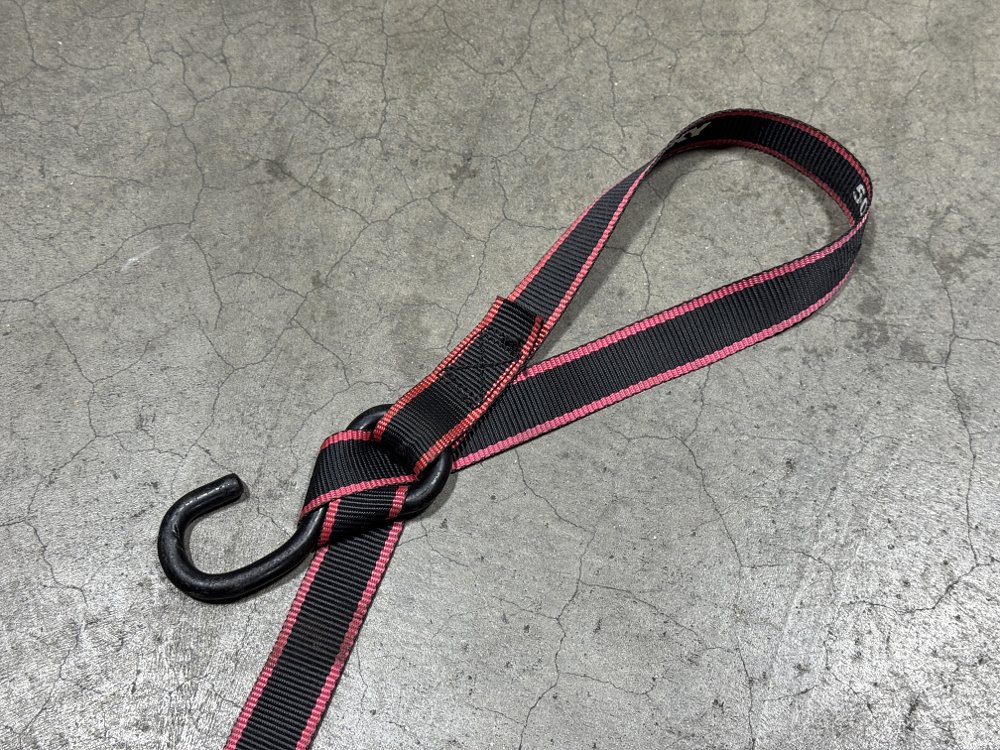
As for attaching tie downs to the bike, far and away the best place to strap is at the lower triple clamp of the fork tubes, if they’re accessible. Tie downs with built-in soft ties make this easier, but if you’re using standard S-hook straps, you can loop the webbing through the eyelet to create a soft tie of sorts. There’s likely a brake hose and perhaps some wiring around the lower triple, so route your strap under those so they don’t get pinched.
If the lower triple clamp isn’t accessible, as is often the case with sport bikes, you can strap to the handlebar or clip-ons or to the grips, but grips can rotate or slide. If you’re going to the grips it’s best to use a Canyon Dancer or similar device.
With the bike on its sidestand, tighten the left strap just enough to take the slack out of it, then tension the right strap. You’ll need to push on the bike to tighten the strap, and you can either put your hip into it if you’re on the left side of the bike or pull on the handlebar if you’re on the right side. As you tighten the right strap, the bike will lift up and off the sidestand, compressing the fork and adding tension to that left tiedown that you’d barely snugged. Typically, once the bike is vertical the fork will be about halfway compressed and the tie downs will be adequately tensioned, but give the bike a good rock to check. If either strap goes slack, cinch the bike down more. Finally, you gotta say “That’s not going anywhere!”
Securing the back of the bike down is optional, but may be necessary if your front tie-down points aren’t wide and low. If you strap the back, tie to something sturdy like the subframe or passenger footpeg brackets, and aim to pull forward or to the side, not backward.. You don’t need much tension on straps at the back of the bike — you’re just looking to compress the rear suspension a bit to add support and keep the rear end from jumping around as you drive.
Speaking of which, when you’re driving, be smooth and mellow, like you would if you were driving in the rain. Your vehicle is going to be top heavy and won’t be able to maneuver or brake as well with 400-plus pounds of motorcycle in the back.

As for getting your bike out of the truck, it’s the reverse of rolling it in, except gravity is doing the work. Start by putting the sidestand down and releasing the right-side tie-down gently so the bike leans over onto the stand. If it’s hard to push the buckle button, pull the bike toward you or pull down on the loose end of the strap to take pressure off the buckle, then you can gradually release the tension. This is why I don’t like ratchet straps; they let go all at once and the bike sort of lurches away from you.
With the bike untied and your ramp in place and secure, put the transmission in gear, pull in the clutch, cover the front brake, and carefully roll the bike down the ramp. The front brake is going to be your main control, but you can always release the clutch for more stopping power if, say, the front tire slides in the truck bed.
Keep an eye on your alignment with the ramp, pause when you need to step down, then roll the bike onto the ground, and you’ve successfully loaded, tied down, and unloaded your motorcycle by yourself.
Every bike, vehicle, and loading area is different, so don’t be afraid to tweak this process as needed. For example, you can also use a front wheel chock which can make the job easier since it secures the front wheel and supports the bike, or you can use a ramp with integrated steps or a wide ATV ramp to avoid any large steps up into the bed. And, of course, you can always ask for an extra hand—even if now you know how to do it by yourself.
Image Gallery