Shop by Vehicle
 Track Order
 Contact Us
New CEO, new plan, and another 180-degree change of direction for Harley-Davidson. CEO Artie Starrs outlined the company's new strategic plan, "Back to the Bricks," alongside the company's quarterly earnings report. The headlines: the return of a traditional Sportster 883 with an air-cooled engine in 2027 and the arrival of the more affordable Sprint import model later this year.
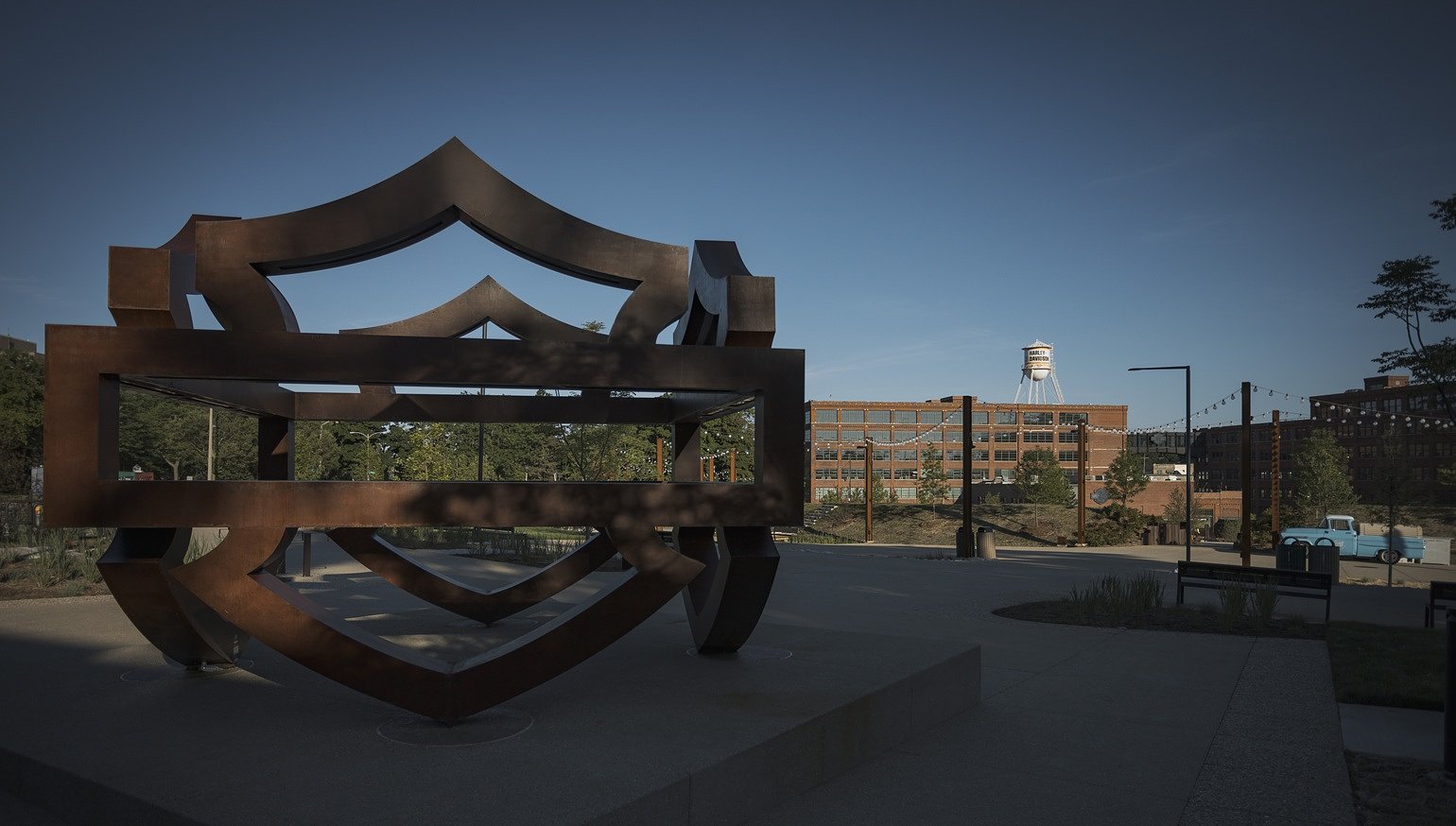
The "Back to the Bricks" name has a few allusions. Harley-Davidson's headquarters in Milwaukee is often referred to as "the bricks" and there is also a company push to have employees working on site rather than remotely. The new strategic plan is also a "back to basics" plan in some ways, and in other ways it's a return to something closer to the "More Roads to Harley-Davidson" approach of former CEO Matt Levatich and a reversal of "The Hardwire" strategic plan put in place by Levatich's successor, Jochen Zeitz.
Naturally, much of Starrs' discussion of "Back to the Bricks" focused on the future growth and profitability of the corporation, which is of interest to shareholders. But for those of us who are primarily consumers and motorcyclists, the most interesting news was what new products we should expect to see from Harley-Davidson.
The Sportster, the Sprint, and blank canvases
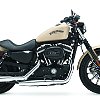
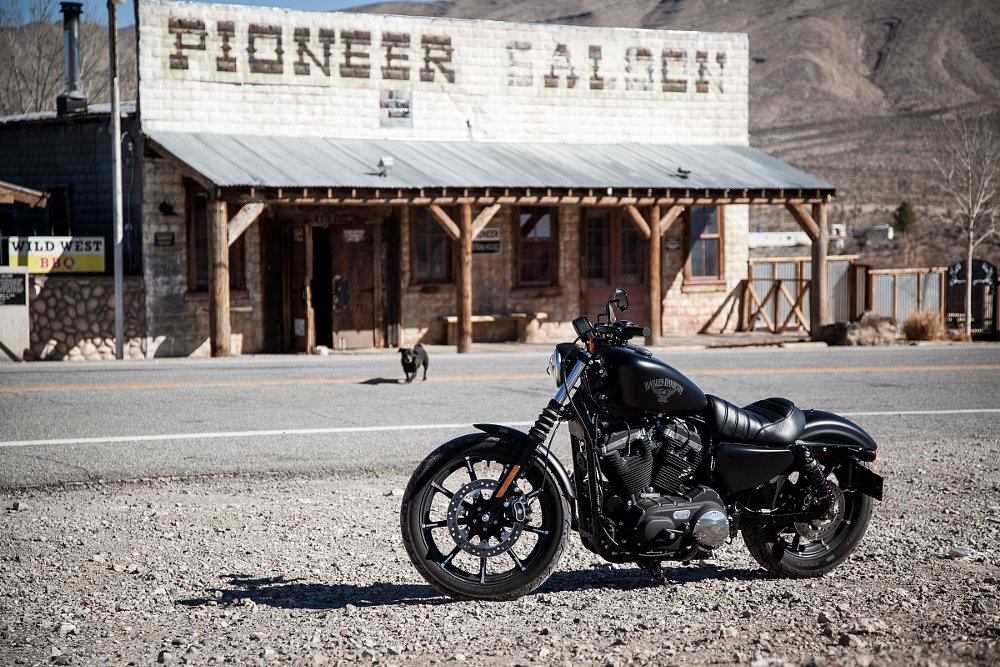
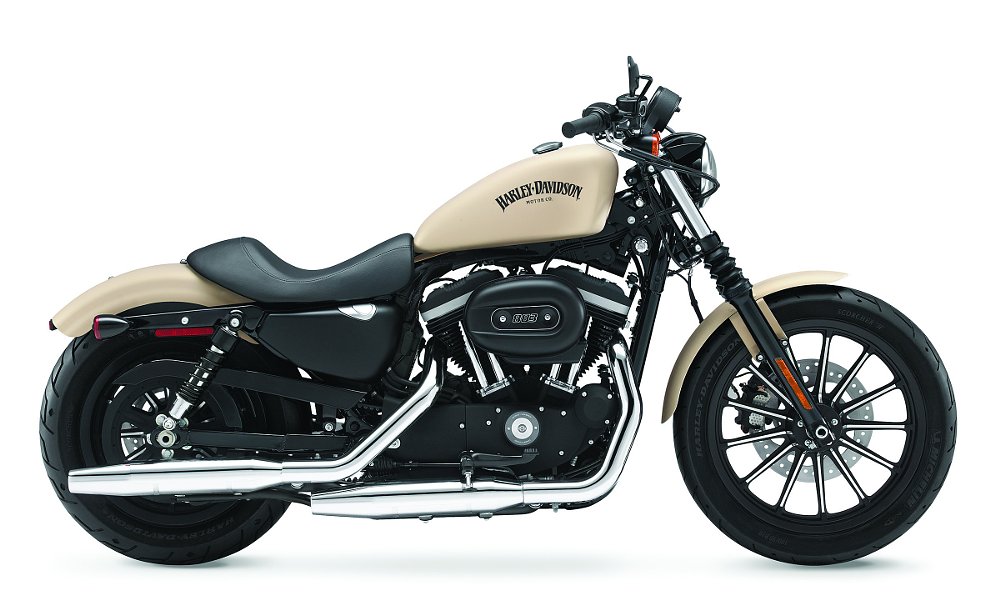
Clearly the biggest news was the return of the Sportster 883 model. The Evolution-engine air-cooled Sportsters, traditionally the entry point into the Harley-Davidson lineup, were discontinued in 2022.
"It's coming back better than ever," said Starrs. "This has been the most requested model from both our riders and our dealers.
"If you walked into our dealership in Shanghai, if you walked into our dealership in Louisville, Kentucky, if you walked into a dealership in Frankfurt, Germany... It's global truth in terms of enthusiasm around that bike."
Sportster models destined for the U.S. market will be built domestically at the plant in York, Pennsylvania, and the plan presented by Harley-Davidson management calls for it to be available in 2027 at a price around $10,000. Not addressed were how the company would resolve two of the problems that led to the Evo Sportster being discontinued in the first place. First, though Starrs clearly expects it to be sold worldwide, in its old form, the engine did not meet current European emissions standards. And second, the built-in-the-U.S.A. Sportster was not always profitable.
Last year when former CEO Zeitz talked about plans for the affordable Sprint model and the return of an "iconic cruiser," I speculated that the latter would be the resurrection of the Sportster 883, and that turned out to be correct. Now, there are more questions about the Sprint, which is expected to be some form of the single-cylinder X 440 built by Hero MotoCorp in India and sold in foreign markets.
While last year Zeitz said the Sprint would sell for around $6,000, the "Back to the Bricks" presentation only said it would be priced under $10,000. Will the Sprint be a significant upgrade from the current Asian model? And if not, how will it compete against a bike like the Triumph Speed 400 that makes significantly more power, weighs less, and already sells for less than $6,000?
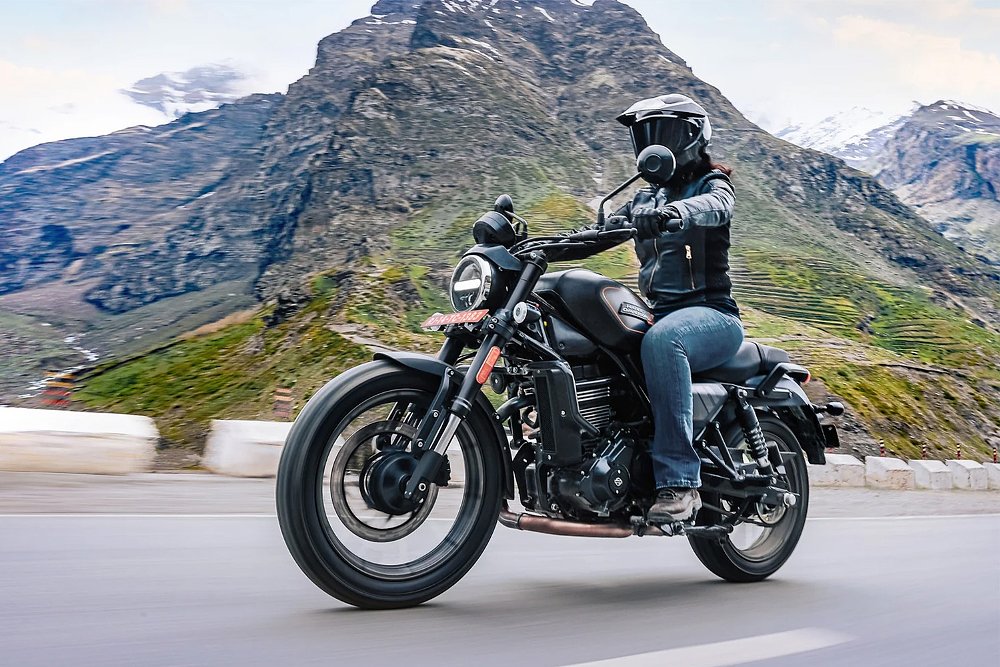
Starrs said he also plans to expand Harley-Davidson's existing model lines with what he called "blank canvas" models. These would be basic, stripped-down (and presumably more affordable) versions of current cruiser models. The idea is to let the customers choose their own accessories and customization options instead of the company trying to sell fully loaded models. This fits in with another part of the "Back to the Bricks" plan that involves expanding sales of parts and accessories. (More on that below.)
One other tease of potential news emerged during the question-and-answer session of the conference call. Harley-Davidson recently showed a café racer concept bike called the RMCR at the Mama Tried Show, Daytona Bike Week, in Austin, Texas during MotoGP week, and at The One Show in Portland. It drew a predictably enthusiastic response, but that was without a price tag attached. Will the RMCR just be set aside, like the Bronx concept bike, as another model that can't be built and sold profitably, or is there a chance it could someday become reality? Somewhat surprisingly, Starrs left the door open.
"It's gotten extraordinary buzz and feedback from our community," Starrs said. "You might see that from us in the market. We're very excited about the response to it."
But before you get too excited, consider that Starrs also implied it would not be one of those new accessible, affordable models he was talking about. The RMCR could also be one of those one-dimensional performance bikes that many people want a U.S. manufacturer to build but then don't buy in numbers because there are less expensive alternatives with the same or better performance.
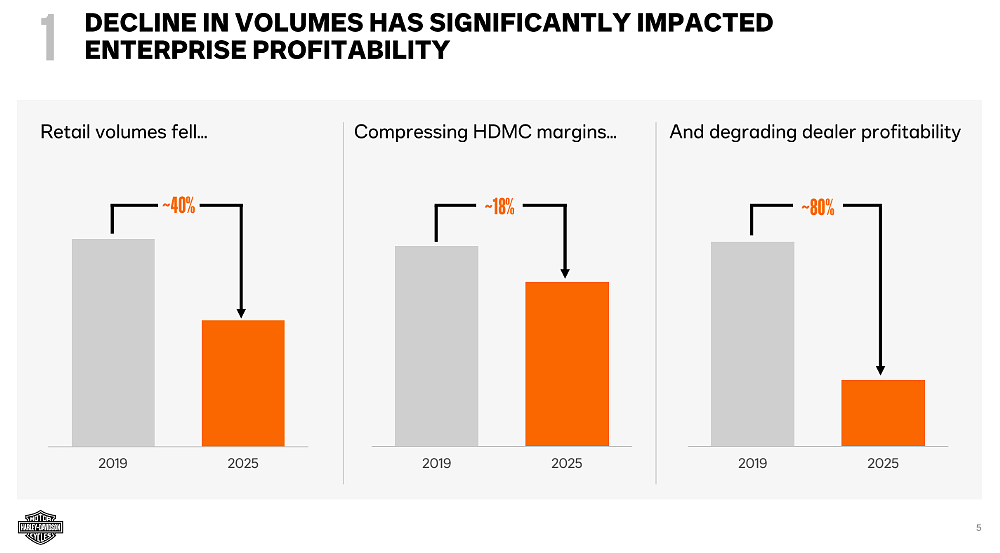
While the introduction of the Sprint and the reintroduction of the Sportster 883 were clearly underway long before Starrs became CEO — Zeitz talked about them a year ago — they are just part of a reversal of Zeitz's strategy of selling fewer and more expensive motorcycles and positioning Harley-Davidson as a premium brand. While the Zeitz strategy worked in some ways, such as increasing the amount of profit per motorcycle sold, Starrs said that approach hurt Harley-Davidson in other ways.
Reversing the Zeitz era
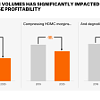
To oversimplify a bit, the Levatich era at Harley-Davidson was about expanding the product line, making a new Harley-Davidson more accessible to more riders, and diversifying the customer base. But significant sales growth didn't follow. The Zeitz era was about trimming the product line to focus on the most profitable models, constantly emphasizing that Harley-Davidson was a premium brand that lived up to premium pricing. Unit sales declined, though profits continued to roll in, for most of the Zeitz era. Now, in the new strategic plan, Starrs is arguing that the reduction in unit sales volume caused problems beneath the surface.
The focus shouldn't just be on how many new motorcycles Harley-Davidson sells, Starrs said, but on the earnings over the lifetime of the motorcycle: the company selling parts and accessories, the dealers making money on service and selling used motorcycles, and both making money on the sale of apparel. Selling more units up front will increase that other revenue later on, he said.
Even after he announced he would be stepping down as CEO, Zeitz faced a revolt from major shareholders who tried to remove him from the board of directors. Zeitz also faced opposition from disgruntled dealers. Starrs has clearly made it a priority to repair relationships between H-D headquarters and the dealers, meeting with many of them. "When our dealers win, the enterprise wins," Starrs said multiple times in various ways during the 90-minute conference call.
The costs of holding excess, unsold inventory was one of several factors that put a financial strain on dealerships and led to many of them closing. Harley-Davidson's quarterly results, released along with the strategic plan, showed progress in drawing down the excess inventory. Global motorcycle shipments were down 3% in the first quarter of 2026 compared to the same quarter last year, but retail sales were up 8% globally and up 14% in North America. The net result was a 22% reduction in dealer inventory of new motorcycles.
In part, those inventories were reduced by the company offering incentives, especially on previous-year models. Chief Financial Officer Jonathan Root said that dealer inventories are now about where they should be. While Harley-Davidson has intentionally scaled back shipments to dealers in recent years because of the excess inventory, wholesale shipments are now projected to be in balance. For the year, the company projects wholesale shipments to dealers of 130,000 to 135,000 motorcycles, and projects the exact same range for retail sales.
Not only is dealer inventory lower, but there's also less old stuff sitting on showroom floors. Root said that a year ago more than half of dealer inventory was previous-year models, but promotions have cleared out those older bikes. Currently, Root said, two thirds of dealer inventory consists of current-year models.
Every five or six years, it seems, Harley-Davidson gets a new CEO with a new plan for dealing with the structural headwinds the company faces. Many of those are larger forces facing the entire motorcycle industry in the U.S. market. Check back in five years to see if "Back to the Bricks" has returned Harley-Davidson to a growth trajectory while keeping the company profitable.
Image Gallery