Shop by Vehicle
 Track Order
 Contact Us

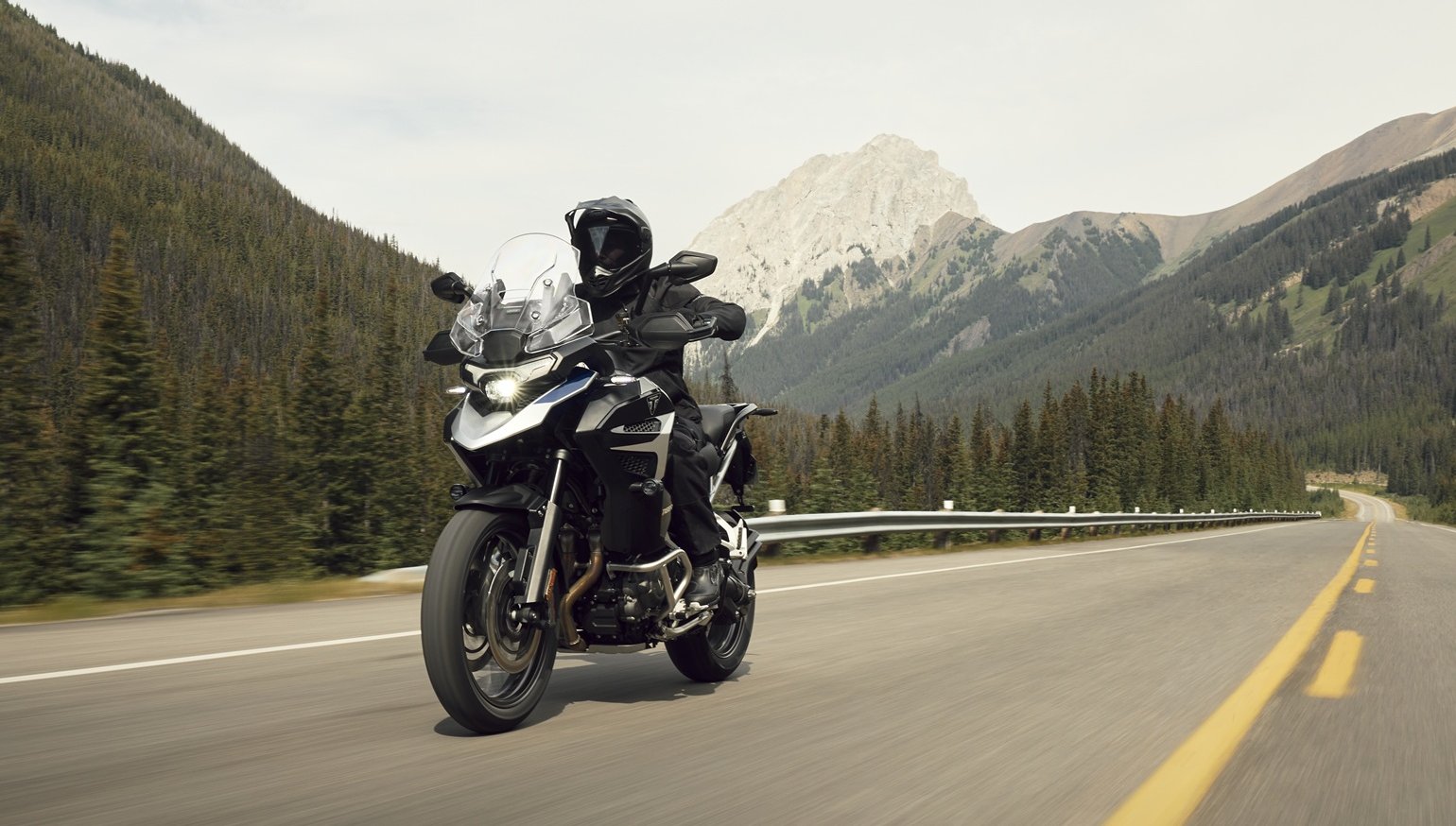
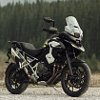
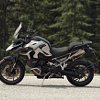
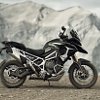
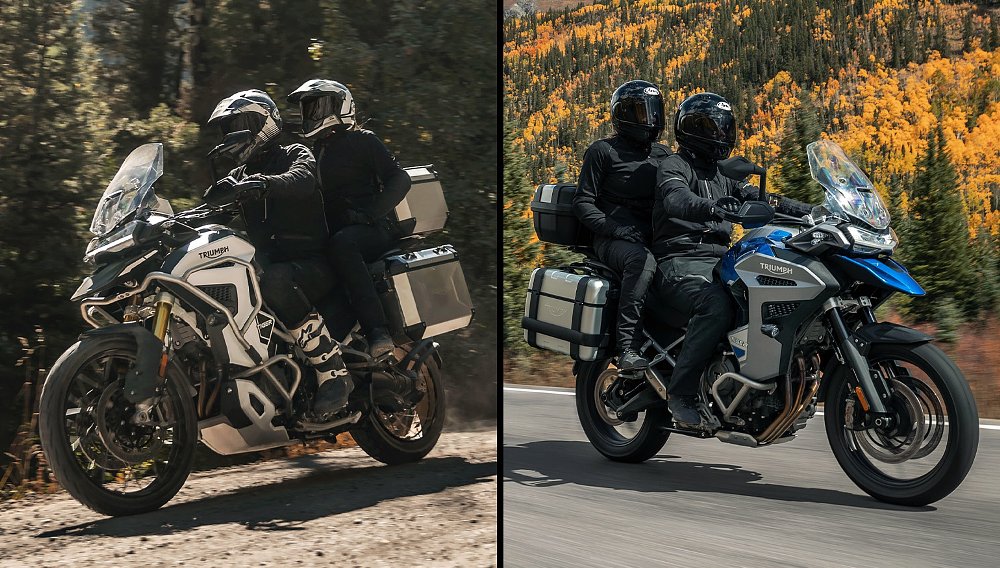
While we've seen a lot of action and new models in the middleweight adventure-touring category in recent years as many riders migrated to smaller motorcycles for all-surface use, that doesn't mean the manufacturers are neglecting their ADV flagships. Triumph has done more than add bold new stripes for its Tiger 1200 models for 2027.
The already tech-heavy adventure-touring Triumphs get a few new features, as well as some tweaks to the powertrain. The Tigers' new party trick is automatic height adjustment. The electronically controlled suspension lowers the motorcycle 1.2 inches as it comes to a stop to make it easier for the rider to get feet on the ground. Also new for 2027 is an upgraded seven-inch full-color digital touchscreen display that now integrates both Apple CarPlay and Android Auto. But beyond those new features — added to what was already a full-feature motorcycle — are a few other changes that push the Tigers just a bit more toward the touring side of the adventure-touring spectrum.
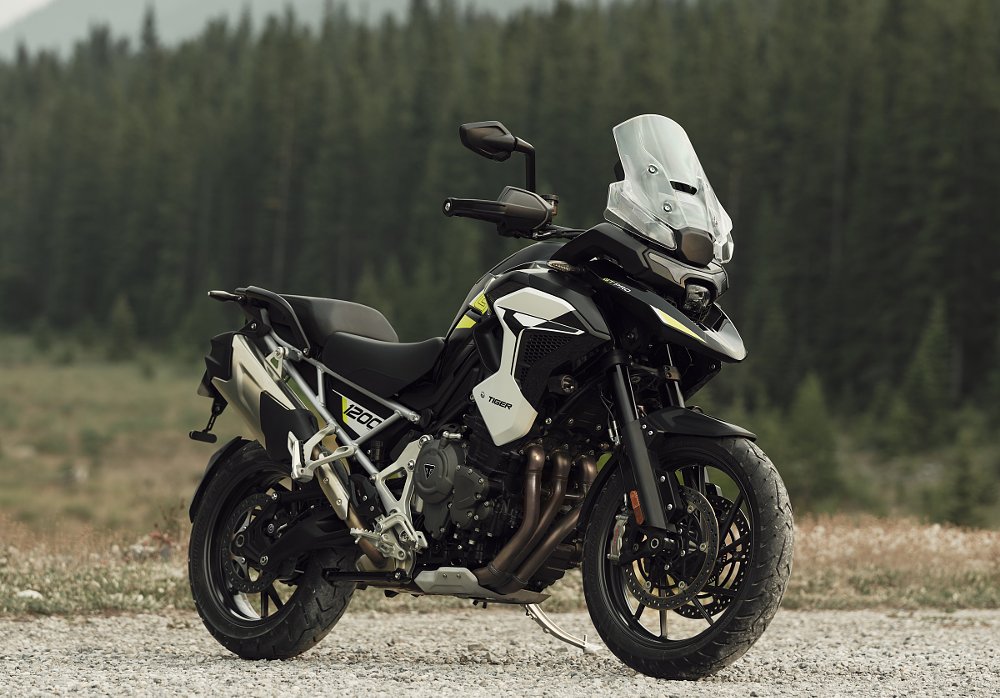
One flavor, four toppings
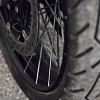
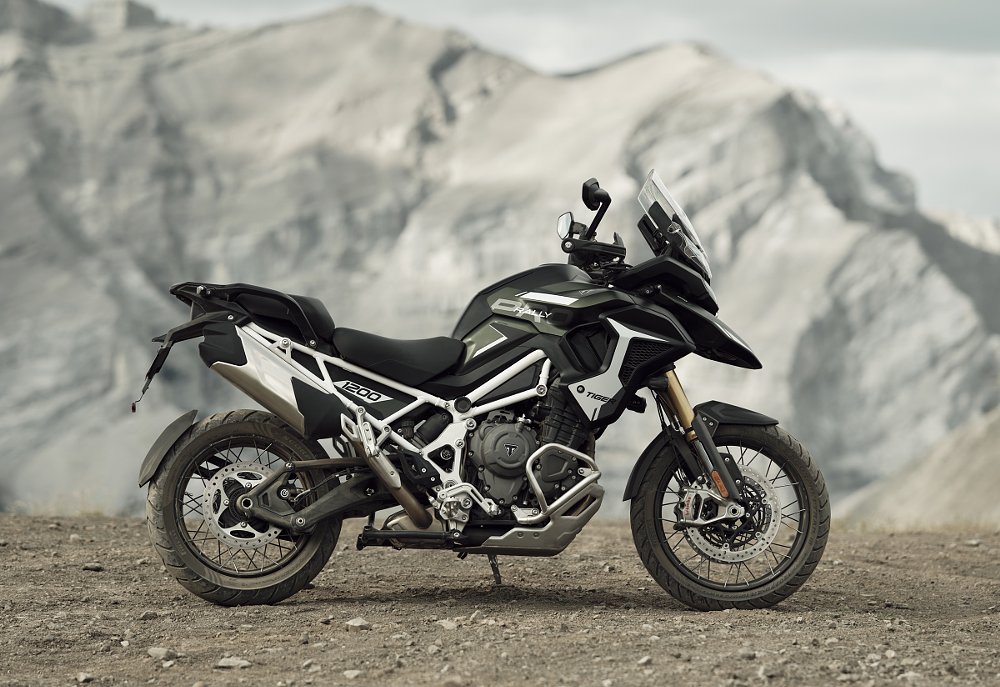
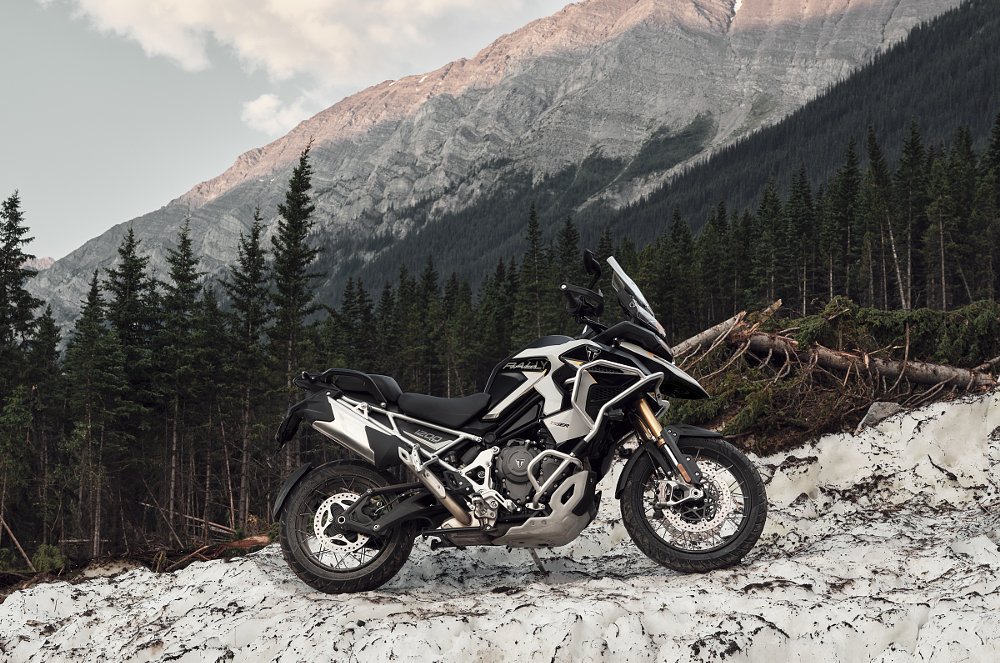
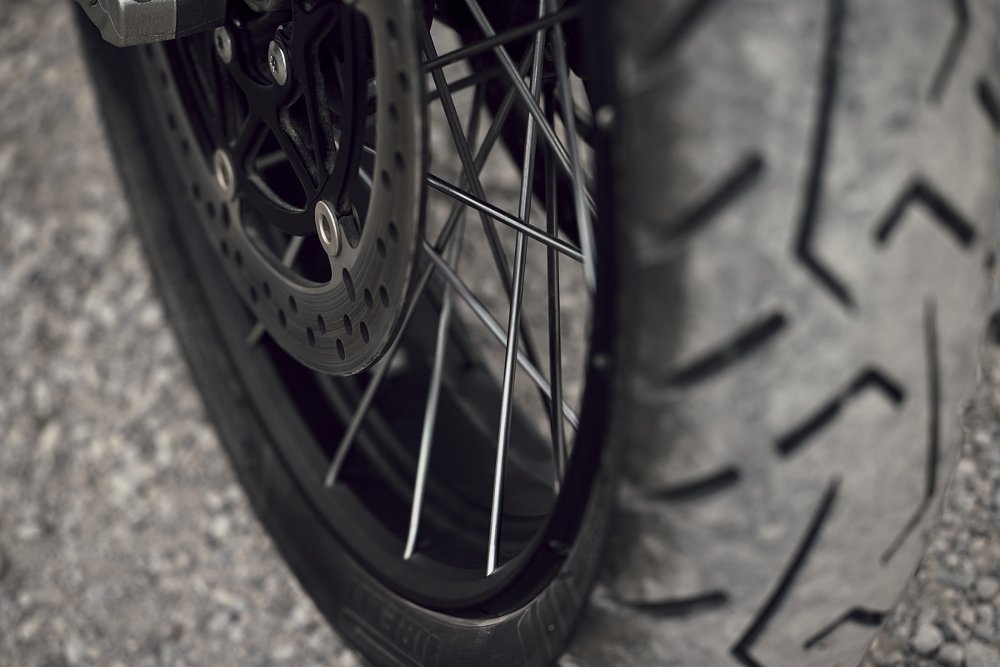
The same four Tiger 1200 models exist and all four are identical in most dimensions, brakes, suspension, and engine performance. The Tiger GT Pro and Tiger GT Explorer roll on cast aluminum wheels, with the difference being the Pro has a 5.3-gallon fuel tank and the Explorer carries 7.9 gallons. The Tiger Rally Pro and Tiger Rally Explorer come with spoked wheels that allow tubeless tires and, again, the difference is fuel capacity. The Explorer models also get a tire pressure monitoring system, a higher handlebar, and lower engine guards.
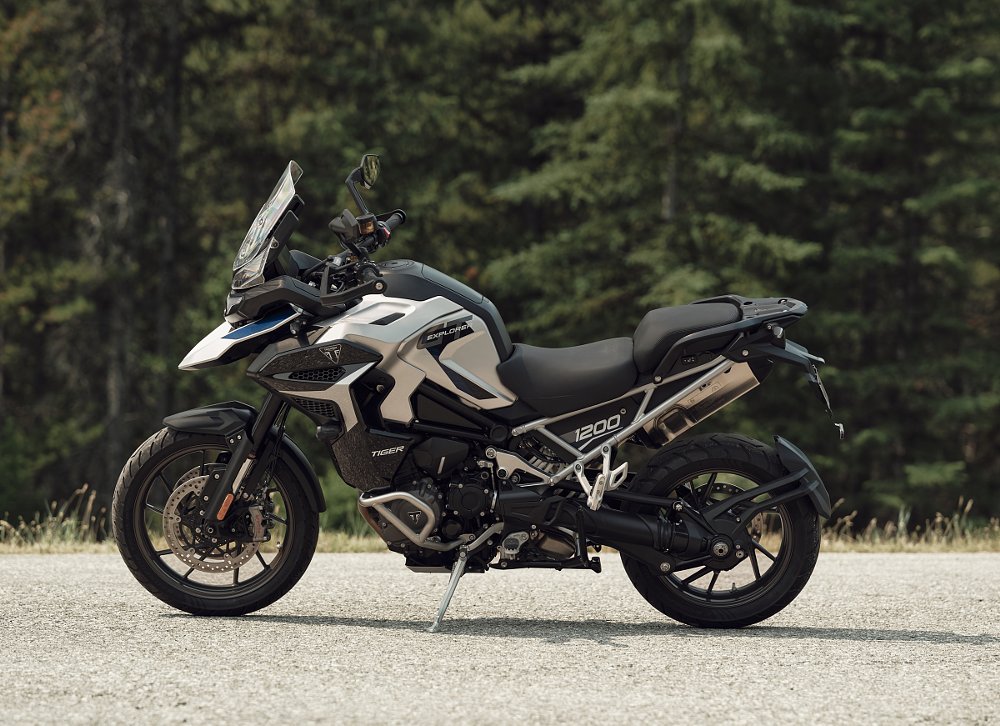
In addition to sharing other specifications, the four models have grown more alike by sharing wheel sizes. In the past the Rally models came with 21-inch front wheels. Recognizing that riders of big adventure-touring motorcycles tend to spend more time on the road than in the dirt, Triumph now fits all four versions of the Tiger 1200 with 19-inch front wheels.
"These four bikes now move far closer together in terms of specification and capability," said Triumph's Alastair Fairgrieve. "Big adventure requirement number one is touring capability. The ability to cover big miles. Our research tells us, as you might expect, that's the number-one reason riders choose a large adventure bike. Our aim was to make the new Tiger 1200 the most fun big adventure bike to ride when you get to the twisties."
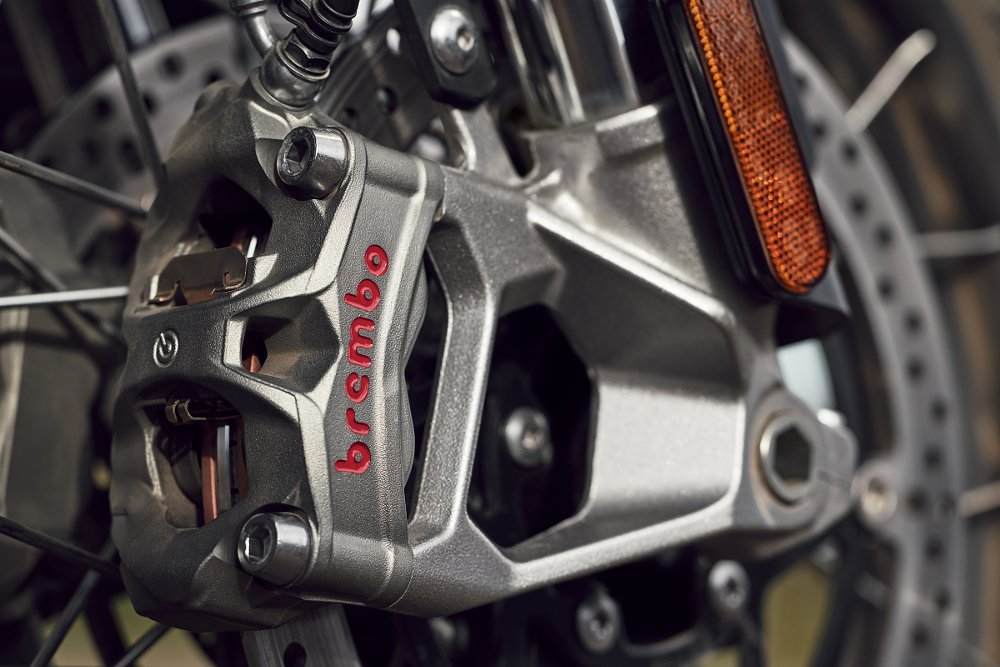
Those priorities can be seen in components such as the Brembo Stylema brake calipers that you'd expect to see on a sport bike, not a dirt bike. But the Tigers' intentions are also clearly demonstrated in their extensive suite of technological features, most of which come into play on the highway, not the dirt roads.
Tiger tech
First, the new stuff. All four Tigers are fitted with the Showa EERA Heightflex semi-active suspension. The rider can choose firm, medium, or soft damping settings electronically, but beyond that, the system also uses the rear shock's hydraulic pump to reduce rear suspension pressure when the rider comes to a stop. The system is set to lower the seat height by 1.2 inches, regardless of the load on the bike. Then it automatically raises rear suspension height as the rider pulls away. There are also two choices of seats and each one can be set at one of two levels, giving riders a range of 1.8 inches of adjustability.
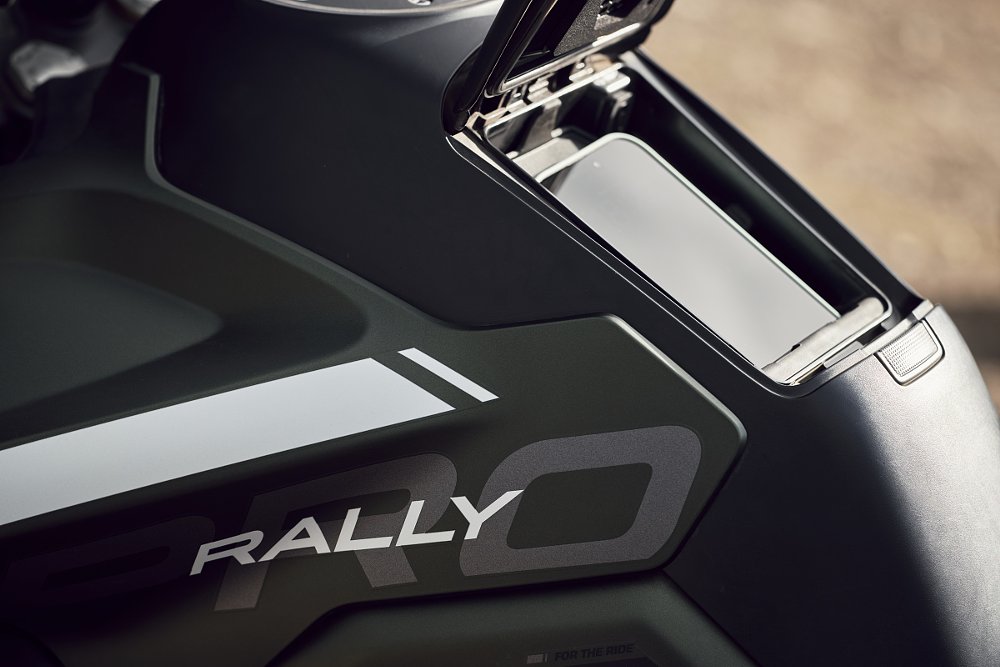
The other new tech is the integration of Apple CarPlay and Android Auto. More than a few Common Tread readers have grumbled about having to use a motorcycle manufacturer's proprietary app instead of the ones they already have on their smartphones. Triumph's approach lets you see your phone's display on the new seven-inch touchscreen, which the company says can be operated with gloved hands.
Those new features are on top of a long list of technology the flagship Tigers already had. A six-axis inertial measurement unit informs the ABS and traction control for lean-angle-sensitive safety features. Bosch radar units front and rear power the adaptive cruise control that will maintain a set distance from the vehicle in front of you, adjusting your speed automatically if needed. There's a separate setting for riding in a group of motorcycles. The system can also step in and add braking force in an emergency stop if it senses you're not braking hard enough to avoid a collision. The adaptive cruise control will also adjust your speed automatically if you enter a curve. And these features can be turned off, too, if you aren't comfortable giving up so much control to your robot overlords.
There's a projector-style LED headlight up front with cornering functionality. The radar units warn you of vehicles in your blind spots or one that's following too closely, and will provide both a visual and haptic warning of a potential forward collision. The two GT models have seven ride modes, including two that can be customized, while the two Rally models add an eighth ride mode for off-road use. There's a quickshifter. Etc. You get the idea. Short of an automatic transmission, if it's technology that is currently being fitted to a motorcycle somewhere, it's likely on these Tigers.
Tiger power
Triumph says the Tigers also got some tweaks in the powertrain, increasing peak horsepower by nearly eight to 155.8 at 9,250 rpm. New pistons, valves, and exhaust are intended to move torque lower in the rev range and Triumph also changed the lower three gears in the transmission with the goal of providing more tractable power at low speeds.
But Triumph said the focus was as much on increasing refinement as it was on adding power, however. Other changes were made to the transmission, shaft final drive, even the crankshaft, to seek that refinement. After all, when you're spending more than $20,000 on a motorcycle before you even equip it with luggage, and your plan, as Fairgrieve put it, is "taking on continent-crossing adventures," you definitely want and expect refinement. Standard features such as heated seats and heated grips support that impression of fully equipped luxury.
Do the changes to the line add up to a more refined and sophisticated Tiger, as claimed? We are scheduled to get our first chance to test ride the new Tiger 1200s next month so we'll let you know.
| 2027 Triumph Tiger 1200 lineup | |||||
|---|---|---|---|---|---|
| GT Pro | Rally Pro | GT Explorer | Rally Explorer | ||
| Price (MSRP) |
$22,995 U.S. $25,995 Canada |
$23,995 U.S. $27,395 Canada |
$24,995 U.S. $28,695 Canada |
$25,995 U.S. $29,995 Canada |
|
| Engine | 1,160 cc, liquid-cooled, 12-valve, inline triple | ||||
|
Transmission, final drive |
Six-speed, shaft | ||||
| Claimed horsepower | 155.8 @ 9,250 rpm | ||||
| Claimed torque | 95.9 foot-pounds | ||||
| Frame | Tubular steel, bolt-on aluminum rear subframe | ||||
| Front suspension | Showa EERA Heightflex 49 mm inverted fork, semi-active electronic damping, 7.9 inches (200 millimeters) travel | ||||
| Rear suspension | Showa EERA Heightflex monoshock, semi-active electronic damping with Auto Ride Height, 7.9 inches (200 millimeters) travel | ||||
| Front brake | Dual Brembo M4.30 Stylema four-piston monobloc radial calipers, 320-millimeter floating discs with ABS | ||||
| Rear brake | Brembo single-piston caliper, 282-millimeter disc with ABS | ||||
| Rake, trail | 24.3 degrees, 4.5 inches | ||||
| Wheelbase | 61.7 inches | ||||
| Seat height |
Low seat: adjustable to 31.1 to 31.8 inches (790-810 millimeters) when stopped, 32.3 to 33.0 inches moving Comfort seat: adjustable to 31.8 to 32.9 inches (810-830 millimeters) when stopped, 33.0 to 34.1 inches moving |
||||
| Fuel capacity | 5.3 gallons | 5.3 gallons | 7.9 gallons | 7.9 gallons | |
| Tires | Pirelli Scorpion Trail III, 120/70R19 front, 170/60R17 rear | ||||
| Claimed weight | 551 pounds | 562 pounds | 573 pounds | 591 pounds | |
| Available | December 2026 | ||||
| Warranty | 24 months | ||||
| More info | triumphmotorcycles.com | ||||