Shop by Vehicle
 Track Order
 Contact Us
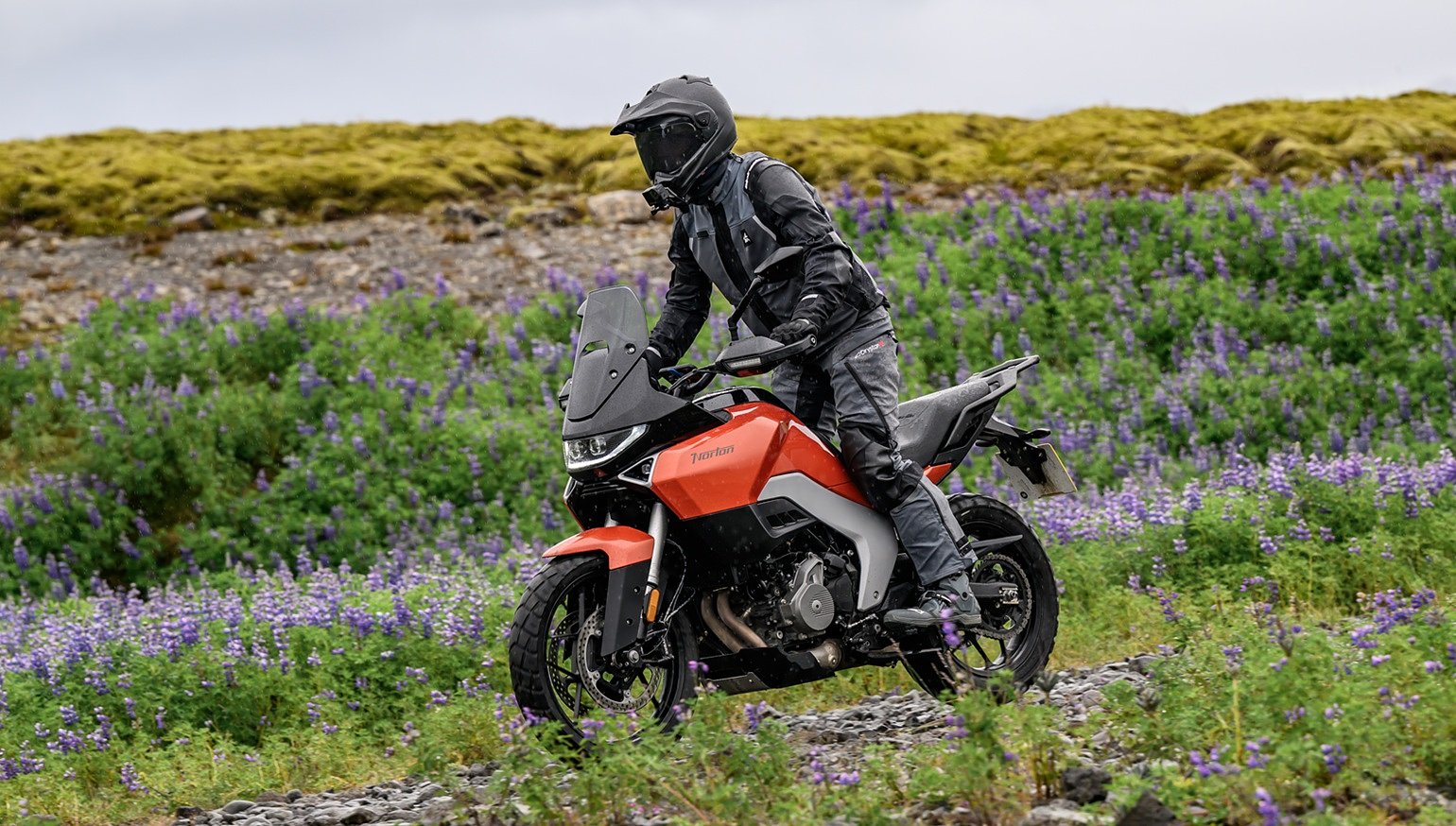
If you wanted an adventure bike under 700 cc and with more than one cylinder in 2023 your options were — how can I put this kindly? Anemic. Equally so in the number of choices you had and the excitement they produced.
Since then, a slew of simple, rugged, and downright playful ADV bikes have hit American shores with great success. With the introduction of the Atlas, Norton aims to bring a more premium offering to the "schmedium" displacement segment with promises of category-leading performance and refinement. But is the juice worth the squeeze? I flew to Reykjavik, Iceland, to find out.
To GT or not to GT?
Norton will be the first to tell you that their bikes are "modern yet quintessentially British adventure motorcycles" and if pictures of James Bond and MI6 levels of tech are the first thing to jump into your head, you are not alone. One of the biggest standout features of the Atlas compared to its running mates is a whole host of electronic rider aids tied to Bosch's latest six-axis inertial measurement unit, but we'll circle back to that whole can of worms.
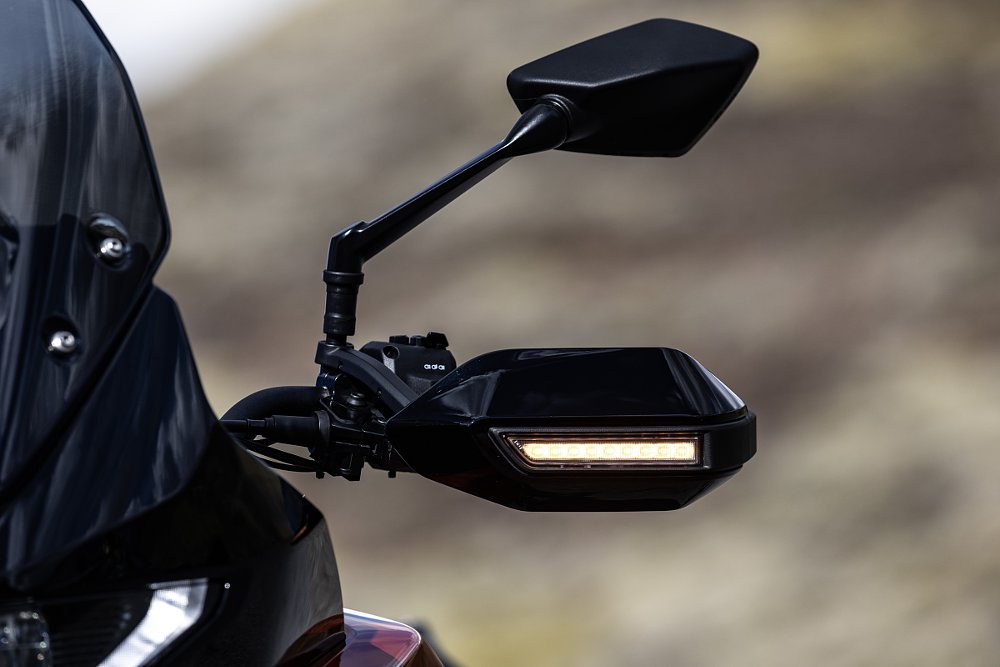
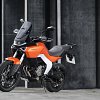
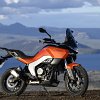
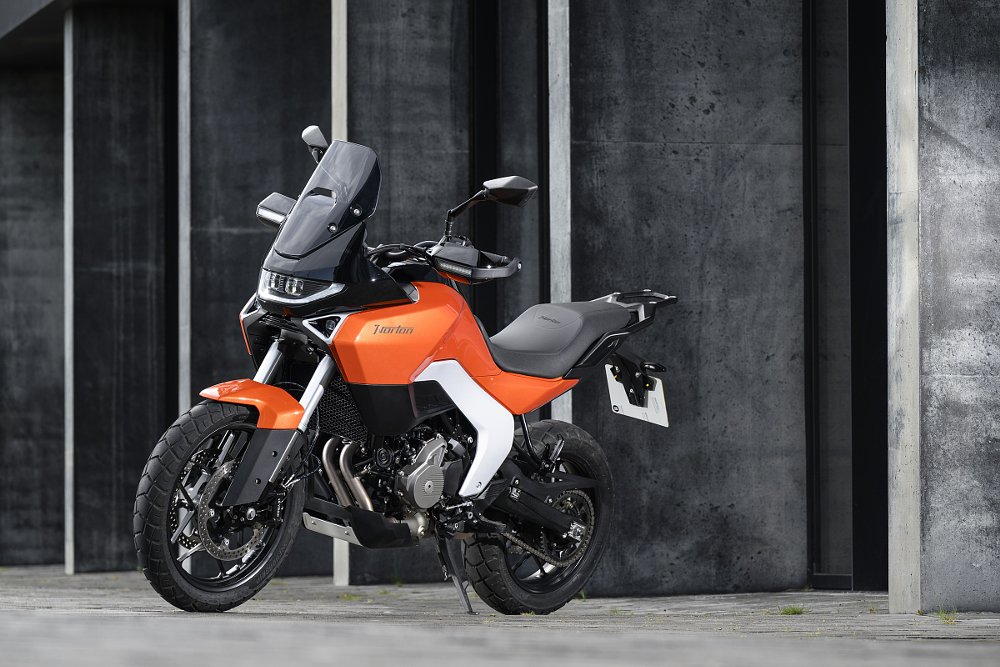
Norton presents its newest ADV offering in two flavors: the Atlas and Atlas GT. Both bikes are built around the same architecture with a few key differences. The Atlas is more focused on riding mixed road surfaces (true ADV riding, in my opinion) and as a result wears 19-inch front and 17-inch rear wheels and has seven inches of wheel travel, correlating to a more slack geometry and a longer wheelbase than its road-biased sibling. The GT variant features the same fully adjustable 43 mm KYB fork and rebound and hydraulic-preload-adjustable rear shock, but travel is internally reduced to 5.5 inches in an effort to reduce the seat height from 33.3 inches to a more manageable 31.1 inches, in combination with a matched set of 17-inch wheels. Wanna get dirty? I'd opt for the Atlas. We didn't have the chance to ride the GT on this launch, so I'll save those opinions for another day.
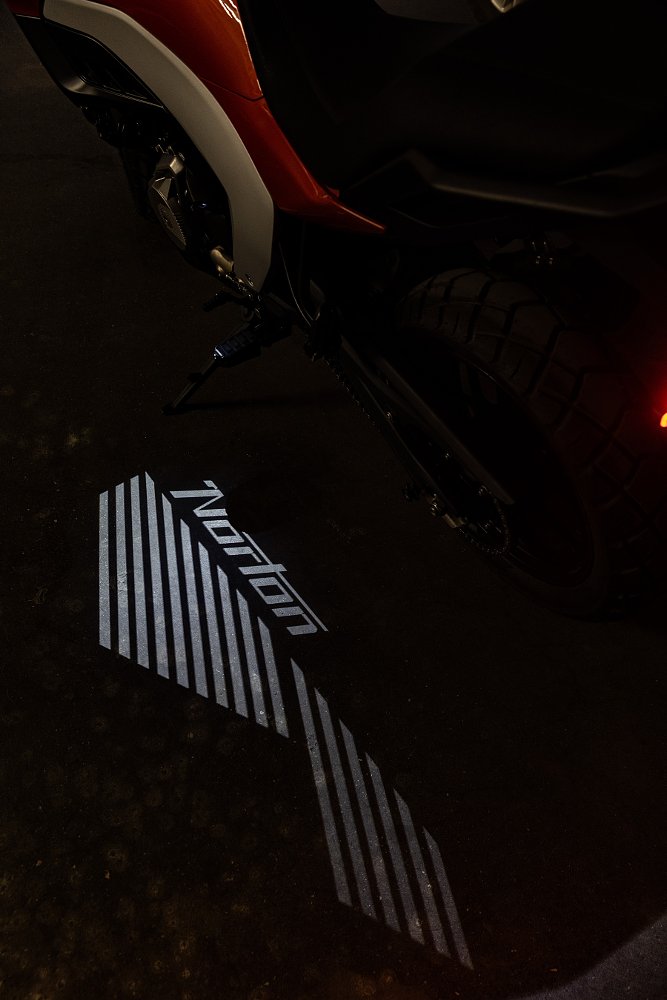
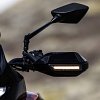
The Atlas line has a very robust selection of accessories for both models, including a full set of panniers and top box and — I'm not making this up — an optional puddle light. Yes I got to see what it looks like in person. Yes it makes it look like you sold drugs in the '90s. Yes I want one. It's also worth noting that we rode the Atlas "Apex" trim, which includes accessory options like lean-angle-sensitive cornering lights, the adjustable windscreen, an aluminum skid plate, heated grips, tire pressure monitoring system, and a few other farkles, including that dope puddle light.
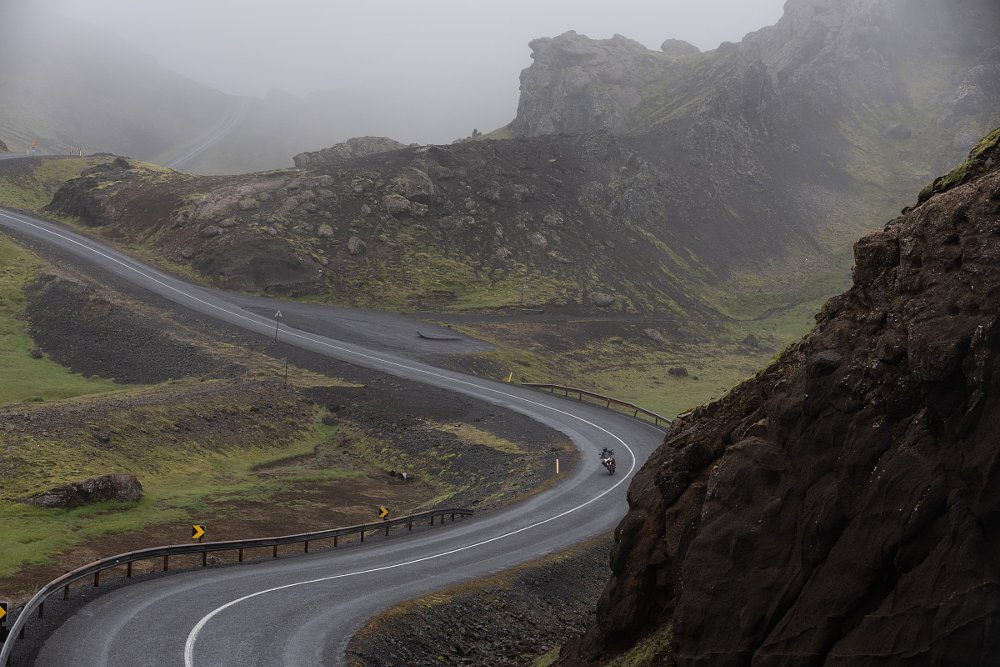
As our American faction of journalists shuffled luggage from the Reykjavik-Keflavik Airport into our shuttle, we were greeted by a landscape as brutal as it is breathtaking. Soil nearly devoid of color contrasts sharply with vibrant green moss and confrontational winds carrying endless walls of fine water droplets from east to west. If there was ever an environment to test an adventure bike's comfort and confidence, this is it, and our test route would throw at us everything an adventure-touring bike should be able to handle: city streets, rain-soaked highways, some dry and paved curves, and some tricky dirt roads.
Riding the Atlas: Getting acquainted, leaving the city
With a quick press of the Atlas intelligent key, the bike was unlocked and I was on my way. The Atlas is great to get along with in the city. The riding position is upright and commanding, with a generously long seat making it easy to scoot back to the perfect distance from the handlebar for my five-foot, 11-inch frame.
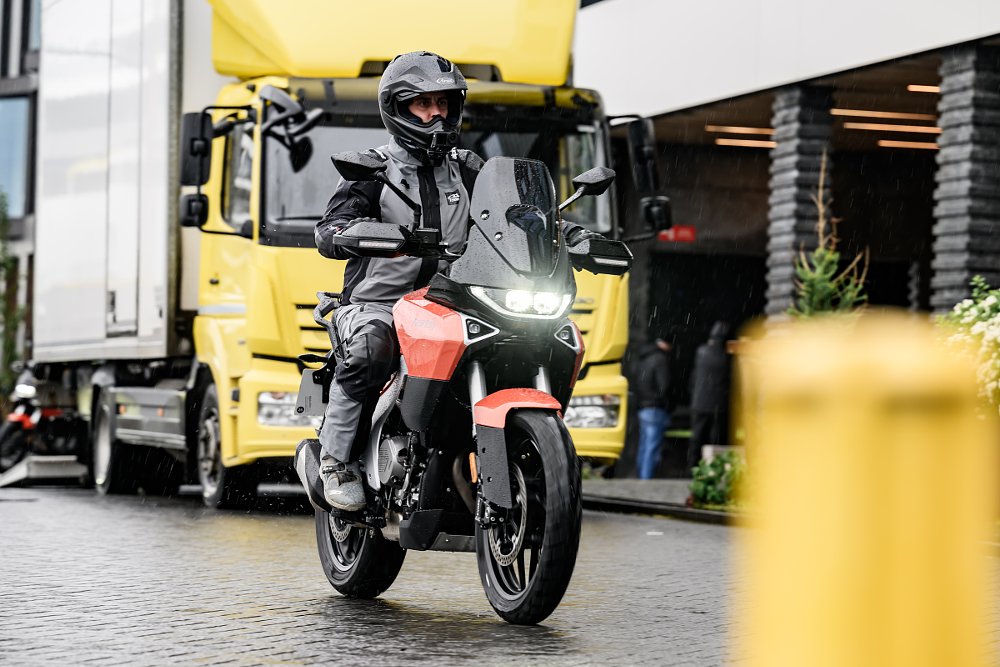
The Norton has five riding modes to choose from, each with varying levels of throttle response, engine braking, traction control, front ABS, and rear ABS intervention. These modes do offer substantial differences in the riding experience, but it would be nice to see a user mode that allowed riders to make their own soda fountain cocktail.
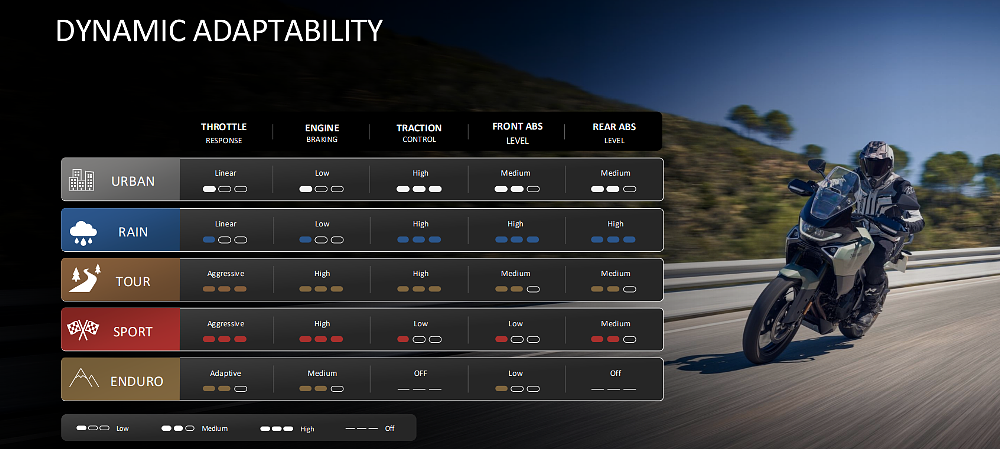
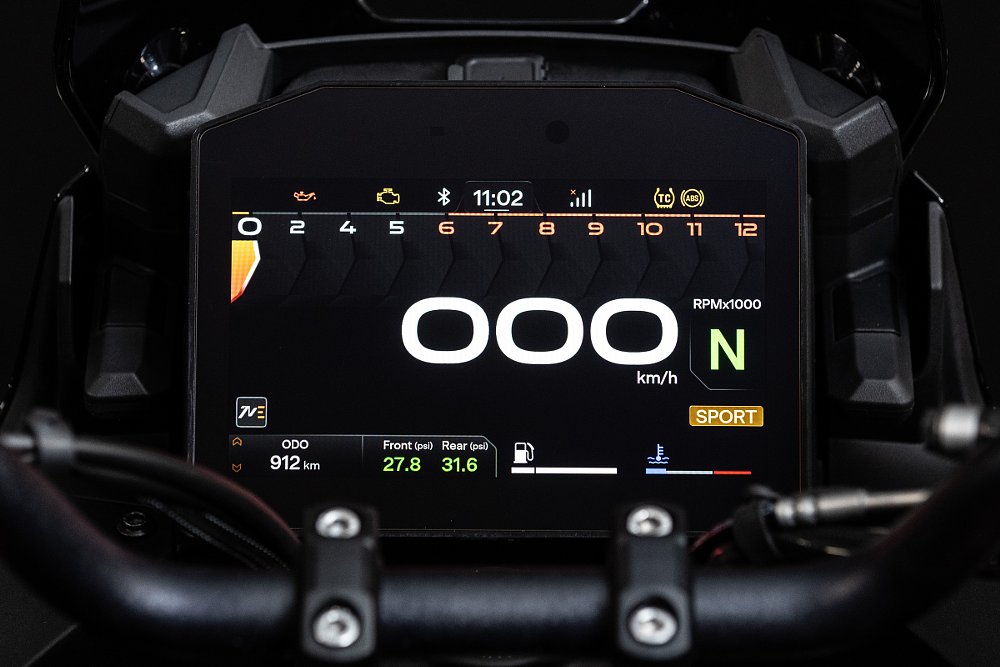
Fueling at the initial range of throttle input was a bit abrupt at times, but was still much more manageable than the on-off throttle of something like a CFMOTO Ibex 450. Combined with its light and progressive clutch pull, navigating the approximately 450-pound Atlas around Reykjavik's U-turns, roundabouts, and slower city streets in the "touring" or "urban" ride modes was about as easy as you can ask for. Norton claims a 423-pound wet weight on the Atlas, but (in a way that is by no means unique to Norton) that is without any fuel in the 4.1-gallon tank. I guess that's better than just giving us the dry weight. The eight-inch full-color TFT display demands your attention in the cockpit, and its visibility and layout are some of the best I've ever experienced. Touch screen functionality is enabled at a complete stop, and I had no issues navigating it with a gloved hand, though previewing and selecting the riding mode were a bit tricky, thanks to some pre-production niggles. Norton claims they will have that ironed out once this bike hits U.S. shores. More about that later.
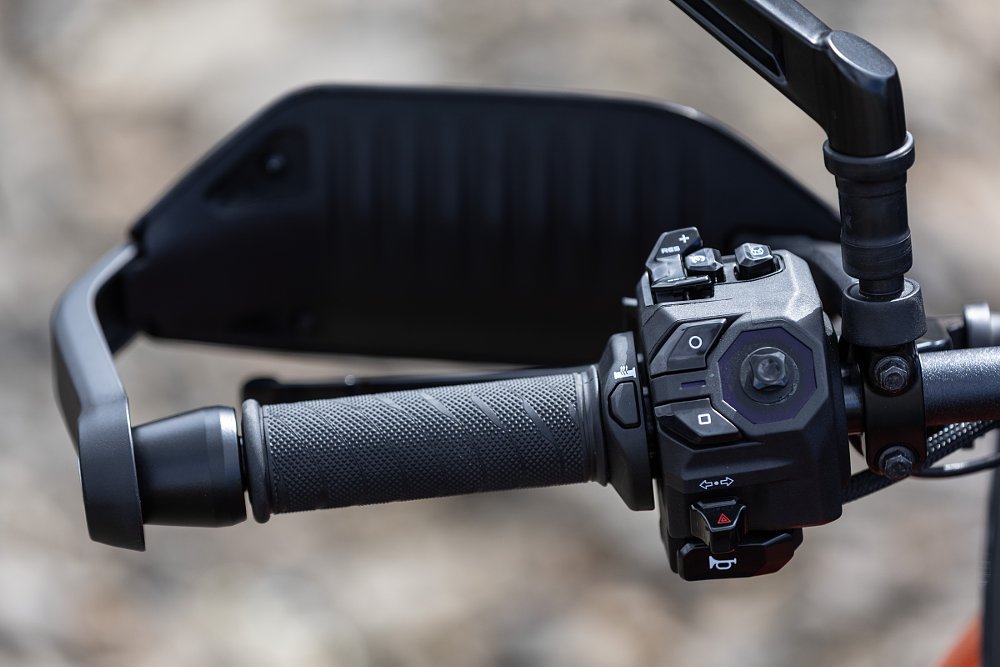
There are a lot of buttons to control things like the heated grips, cruise control, SOS function, ride modes, and even two user-customizable functions. It was a lot to try to take in on our brief test ride, but nothing was too out of place to get used to with a few more hours in the saddle.
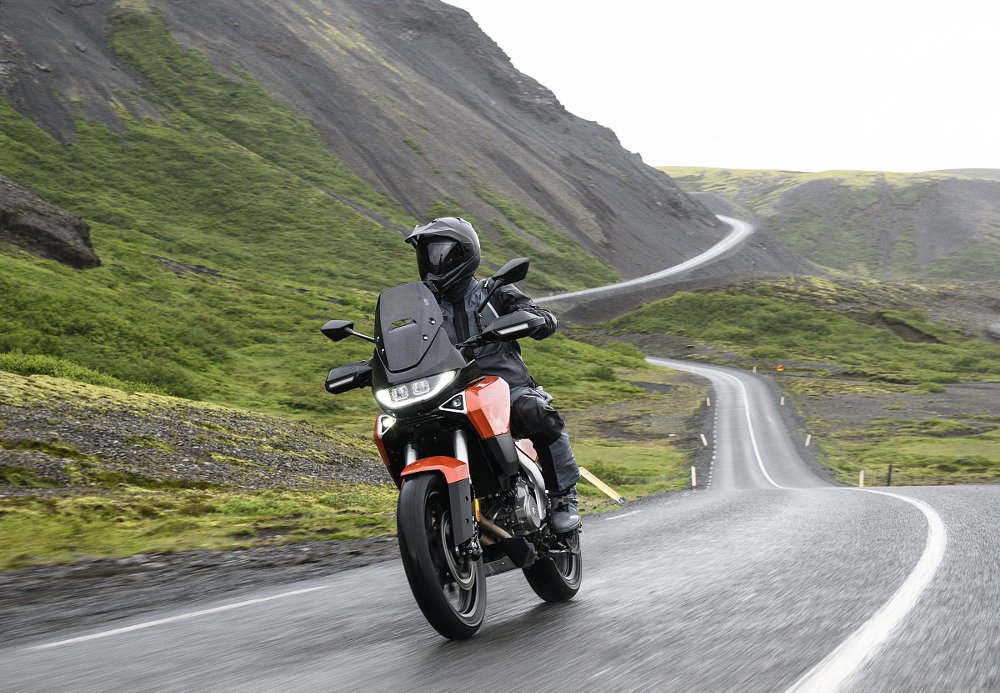
Riding the Atlas: The cool and rainy highway
As the skyline of Reykjavik disappeared behind me, we merged onto one of Iceland's main highways and got a first chance to experience the bike's high-speed comfort. The Atlas is propelled forward by a liquid-cooled, 585 cc DOHC 270-degree-crank parallel twin that makes a class-leading 69 horsepower at 9,300 rpm and 42 foot-pounds of torque at 7,300 rpm. At lower city speeds, its light and playful throttle response was an endearing reminder of its similarly displaced competition, but with roll-on power in the midrange that would leave them in the dust. Well, leave them in the rain, in our case. The Norton's flat torque curve and linear power make it incredibly rewarding to rev out every one of its well spaced gears, but still gives you a rich midrange to play around in at any speed.
The Atlas comes equipped with a quickshifter standard, but it was far from perfect. On upshifts, the gear selection and ignition timing cut were fine, but it seemed like there was a software issue that would cause the ignition timing to cut again after the new gear was selected. Under hard acceleration, this led to a really abrupt cut in power, and took away from the engine's otherwise charming character. Downshifts were even worse. On more than one occasion, I found myself reaching for a lower gear and despite having plenty of rpm ceiling left over, the bike would refuse to downshift until I was near idle speeds. Needless to say, I turned off the quickshifter after one too many missed shifts.
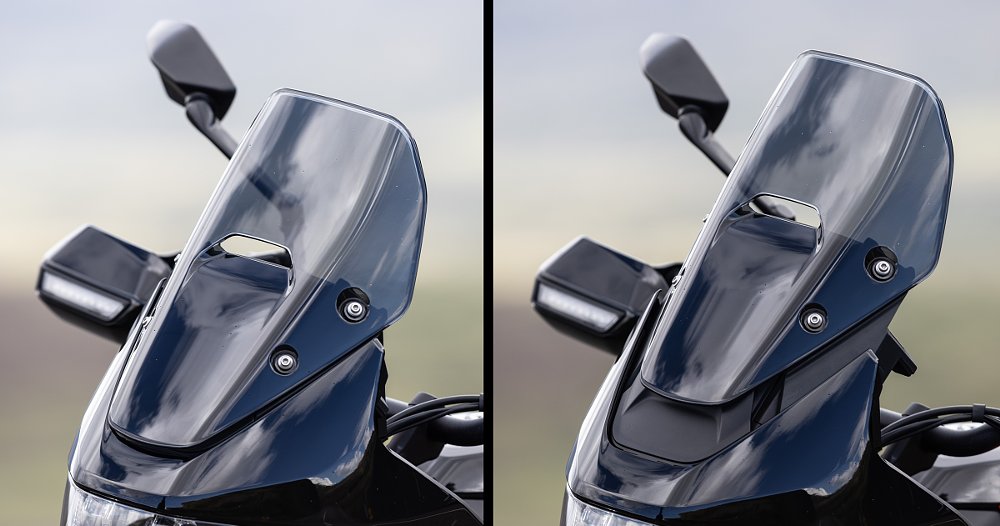
I left the adjustable windscreen in its lowest position and was happily surprised by just how clean the wind hitting my helmet was. The Atlas screen has a central duct that helps create laminar flow across its surface and I had no buffeting to speak of on the front of my Arai XD-5 in either preset height. My only complaint here is that while the windscreen is adjustable by hand, without tools, you do need to use both hands, which I can confirm is butt-clenching to do at highway speeds in gusting crosswinds. Thankfully, I knew I had a chance to lower it again as our exit for some twisty roads was soon approaching.
Riding the Atlas: The wet and winding road
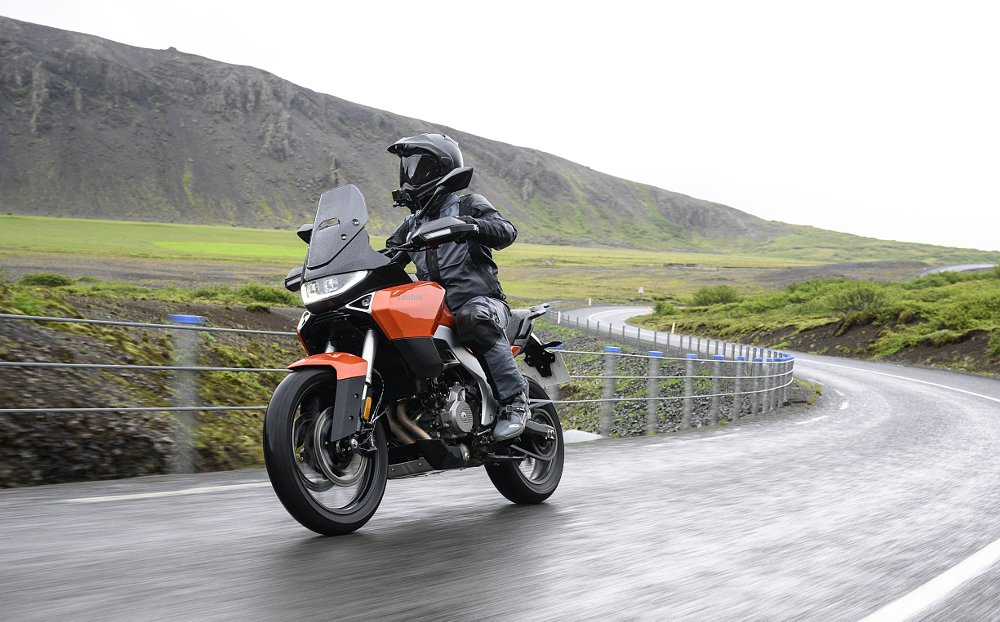
Our flock of Sinopia Orange Atlases pushed northeast towards Bláskógabyggð (pronounced exactly like it's spelled) and winding ribbons of tarmac presented us with our first chance to put the Norton's handling chops to the test. With sub-50-degree Fahrenheit temperatures, soaked roads, and crosswinds gusting up to 30 mph, the margin for error was slim, and confidence from a bike is worth its weight in gold in such situations. Thankfully, the Atlas starts with good bones. It's well balanced and the KYB suspenders front and rear offer plenty of support for spirited riding with a good amount of compliance for smaller bumps in reserve.
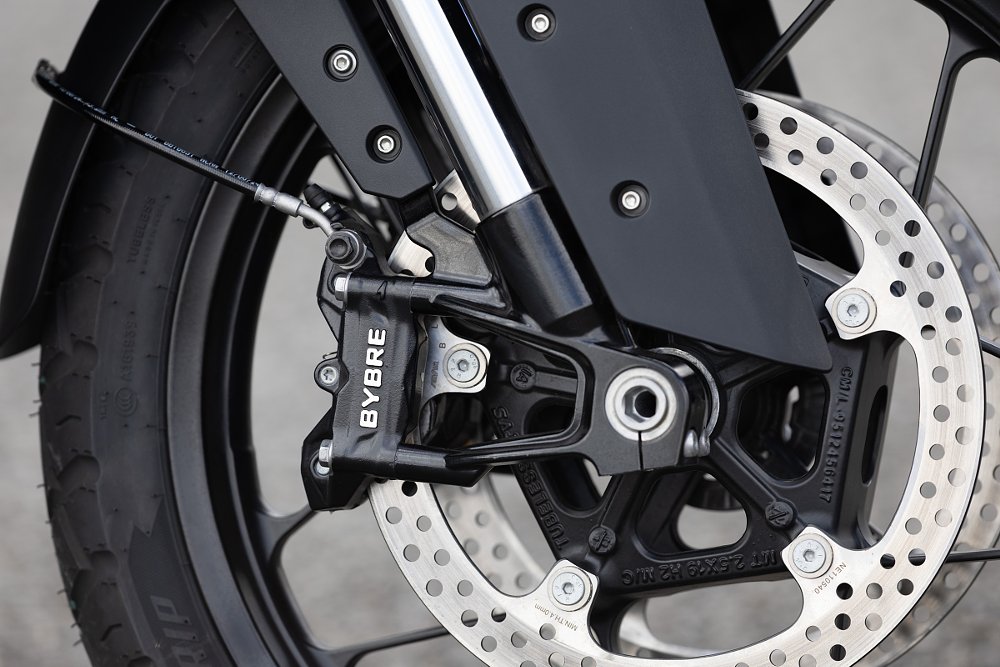
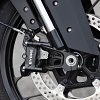
Up front, it sports twin 310 mm disks and radially mounted Bybre calipers with steel brake lines, which offer more than enough stopping power, but unfortunately the lever feel is disappointing compared to its spec sheet. Norton told us they specifically developed a soft initial lever pull to be more forgiving in the dirt with a progressive ramp up in brake pressure as lever travel increases. In my experience, the front brakes felt more like an on off switch, with very little feel or strength at first and then, with little warning, lots of stopping power. This made smoothly applying and releasing the brakes in the corners a chore in our inclement weather, where keeping the chassis calm is paramount for grip.
The Atlas comes equipped with Eurogrip Explo R Plus tires, which are a new offering developed in-house by Norton parent company TVS specifically for the Atlas. Despite the learning curve with my front brake lever, I never had any loss of traction from either end, and I found them really predictable in the dirt. They held their own later in the day as roads started to dry out, but without more testing I can't confidently give you a full evaluation.
That being said, predictable was hardly the word I would use to describe the "Drag Torque Control." This feature is set up to use data from the Bosch 10.3MB six-axis inertial measurement unit to create a dynamic engine-braking feature that in theory helps manage traction in low-grip conditions. In my understanding of their theory, the harder the braking conditions, the more engine-braking is delivered. The closest comparison I can think of is the adjustable regen on the electric Stark Varg in my garage. There is a similar function that allows me to create what is essentially a custom power curve for the regen or "engine braking" at the back tire based on wheel speed. In most riding conditions, it's a dream.
The problem with Norton's DTC is predictability and lack of adjustment. In application, I would find myself trailing off the brakes and right as I had my entry speed set and tipped the bike in, the engine braking would reduce by just enough to add an extra mph or two, completely changing my line and unweighting the front tire. It almost felt like the throttle butterflies opened for a moment. After more than one corner where I found myself having to tip in twice, I was happy to find this feature could be turned off with only a few presses from the TFT. Running the same set of corners with this feature disabled was a night-and-day difference. The bike felt so predictable, stable on corner entry, and tracked true on the throttle during corner exit.
Riding the Atlas: Finally off the pavement
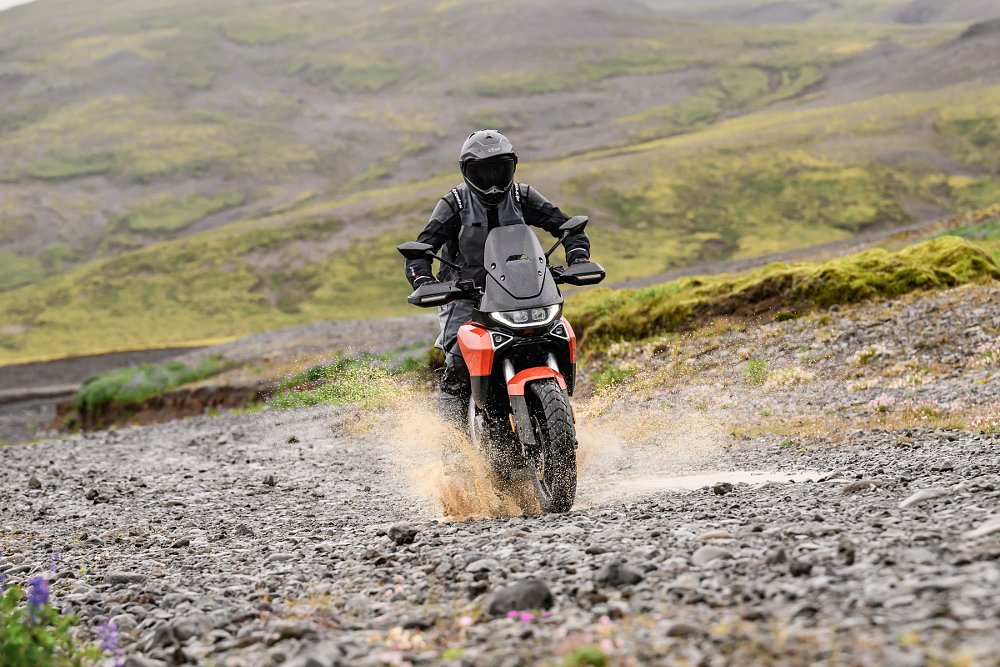
As our day progressed, I found myself really starting to connect with the Atlas, and more of my attention was spent admiring Iceland's beauty than riding around the Atlas' quirks. We finally made our way to the first of our two dirt sections. As of late, this is where I feel most comfortable on two wheels, so I have to admit I was frothing for a bit of fun in the dirt. Switching the ride mode into Enduro disables traction control, rear ABS, and moves the throttle response and engine braking to level two (of three) while setting the front ABS to its lowest intervention. The fire road we were on was well traveled and was mostly hard packed with pea gravel on top. At any speed, this kind of road feels like it's covered in tiny marbles and is a great test of off-road riding fundamentals and a bike's composure.
I promptly removed the rubber vibration inserts from the footpegs as they were borderline dangerous to use while standing in wet conditions and I didn't seem to notice any decrease in comfort on the road without them. Before I set off for my first photo pass in the dirt, I thought back to the sizzle reel they showed us the night prior. There was no one jumping the Atlas across sand dunes, no pro trials rider lofting the front wheel over logs, and not even a single wheelie shown. Just lots of scenic paved Icelandic roads and a few shots sliding through well graded dirt roads. Based on this representation, I wasn't expecting much when I first took off down the gravel track, but it appears Norton might have been holding their cards a bit too close to their chest. With freedom to spin the rear tire, this bike absolutely comes alive.
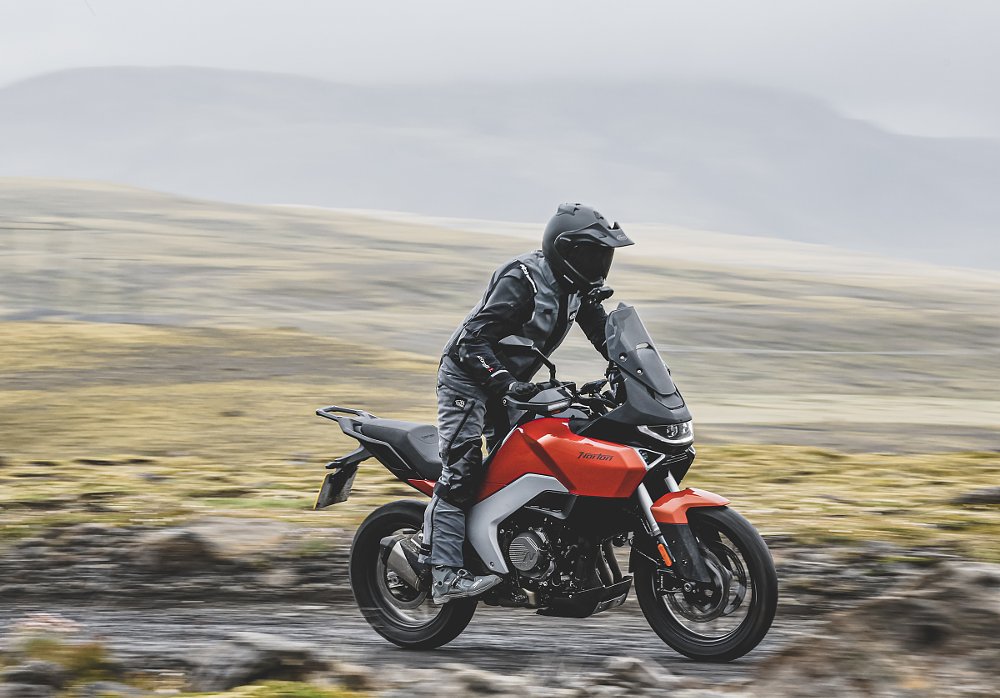
For such a road-oriented ADV bike, the standing ergonomics are divine, with a comfortable handlebar height for even the tallest riders and, crucially, generous clearance around the exhaust to let riders drop their heels, even when wearing full-zoot MX boots. On so many stock Adventure bikes, even my dedicated rally race bike, this is something I struggle with, but it is evident just how much time Norton spent developing a rider triangle that is so comfortable for both sitting and standing. For those newer to the dirt, this might not seem like such a big deal at first, but the Atlas gets a big tip of the hat from me on this one. I just wish the stock pegs were a bit wider.
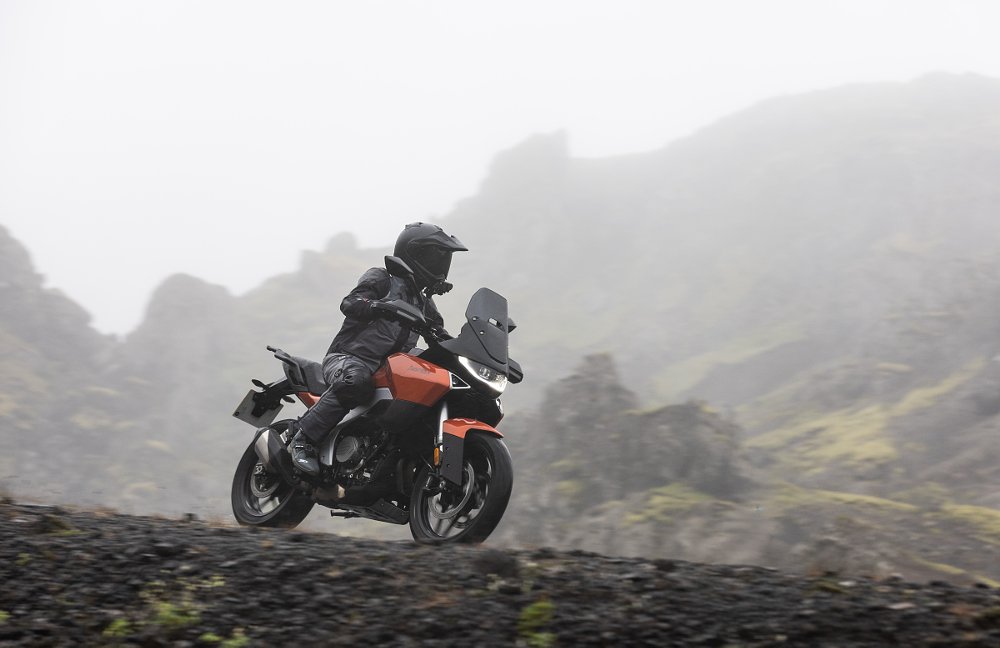
With confidence comes speed, and in no time I found myself wagging the rear end of the Atlas through every gravel corner I could find. Was I cackling maniacally every time? Weird of you to ask, but yes. The aforementioned Eurogrip tires handled themselves comparably to Continental's TKC 70 (at least in the dirt) and I found the front ABS in Enduro mode to be leaps and bounds better than the off-road ABS found on so many less sophisticated competitors. No, you can't turn it off completely. No, this bike isn't as capable off-road as an Ibex 450 or Royal Enfield Himalayan 450, but it's not trying to be.
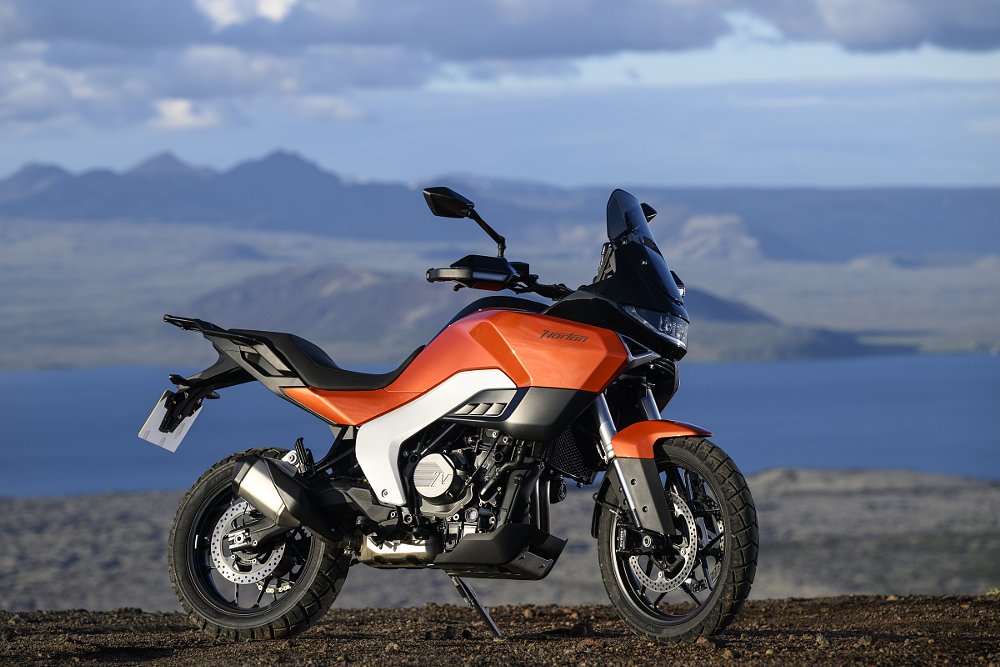
The Norton Atlas: The big-picture view
As we neared the end of our test route, the sun finally peeked out from behind Iceland's seemingly non-stop wall of moisture and we got to enjoy a much faster pace on dry roads and well groomed dirt. For what it lacks in category legacy, the Norton Atlas makes up for in sophisticated lean-angle-sensitive electronics and some truly unique design elements. And I think that's sort of the problem, at least how the bike sits at the time of this article. I am a huge proponent of electronic rider aids. The good ones reward you for riding with sound technique and even the average ones will save your ass when you get greedy. But In this pre-production form, the rider aids on the Atlas all seem to be on a different page.
A few quirks in isolation are tolerable, but if you combine a somewhat frenetic brake lever feel with a quickshifter that doesn't always work and unpredictable engine braking, you've got a recipe for uncertainty that is far from confidence-inspiring through a set of corners. I mentioned earlier that throughout the day I really started to connect with the Atlas, and that's true. But that connection grew stronger every time I disabled a different rider aid.
At the time of this review, Norton still hasn't announced the price for the Atlas in the the U.S. market, saying that will be "available this summer." But with an as-tested price in Europe of €10,525, this bike depends on those electronic rider aids to make it stand out against competition that's less expensive.
But I have hope. The staff at Norton was very invested in our feedback throughout the launch and that isn't always the case with other brands. In the spring of 2024, I rode the CFMOTO Ibex 450 at its debut in the Philippines, and by that fall the production bike to be sold in the United States had substantial changes addressing the feedback myself and other journalists gave to their team.
Here's to hoping that TVS Motor Company, the Indian manufacturer that now owns the brand, and the Norton team in Britain will do the same, because the Atlas deserves it.
| 2026 Norton Atlas | |
|---|---|
| Price (MSRP) | TBA |
| Engine | 585 cc, liquid-cooled, eight-valve, parallel twin |
|
Transmission, final drive |
Six-speed, chain |
| Claimed horsepower | 69 @ 9,300 rpm |
| Claimed torque | 42 foot-pounds @ 7,300 rpm |
| Frame | Steel trellis |
| Front suspension | KYB 43 mm inverted fork, adjustable for preload, compression, and rebound damping; 7.1 inches (180 mm) of travel |
| Rear suspension | KYB shock, adjustable for preload, TK damping; 7.1 inches (180 mm) of travel |
| Front brake | Dual Bybre calipers, 310 mm discs with ABS |
| Rear brake | Bybre caliper, 270 mm disc with ABS |
| Rake, trail | 25.7 degrees, 4.0 inches |
| Wheelbase | 57.7 inches |
| Seat height | 33.3 inches |
| Fuel capacity | 4.07 gallons |
| Tires | Eurogrip Explo R Plus, 110/80ZR19 front, 150/70ZR17 rear |
| Claimed weight | 414 pounds without fuel |
| Available | Q4 2026 |
| Warranty | 36 months |
| More info | nortonmotorcycles.com |