Voltage Tester
On this page...
- What is a voltage tester and how does it work?
- What are the different types of voltage testers available?
- How do you choose the right voltage tester for your needs?
- Can a voltage tester be used for both AC and DC circuits?
- What safety features should I look for in a voltage tester?
- Are voltage testers accurate for diagnosing electrical problems?
- Can voltage testers help with battery maintenance?
- What should you do if your voltage tester indicates a problem?
Frequently Asked Questions For Voltage Tester
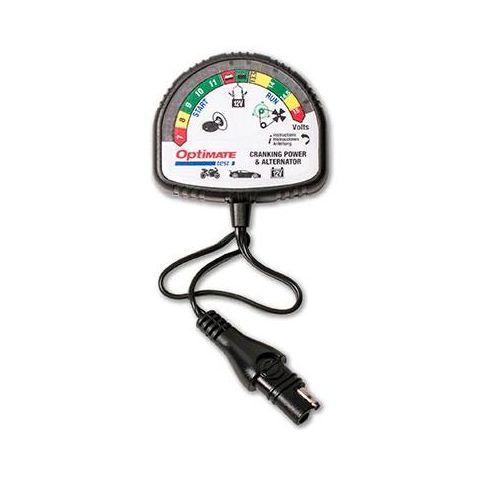
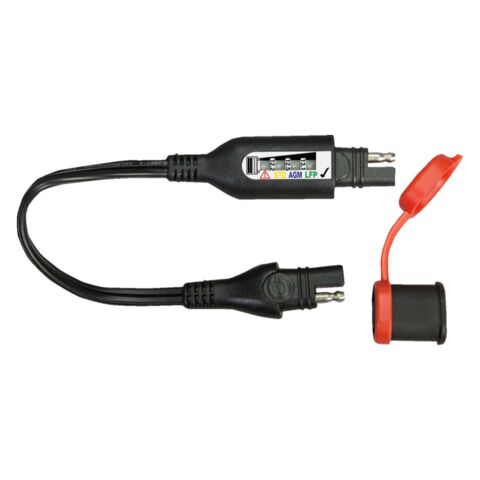
A voltage tester is a device used to measure the electrical potential difference between two points in a circuit. It typically indicates whether voltage is present and can help diagnose electrical issues. Most testers operate by detecting the flow of electricity and providing visual or audible signals to indicate voltage levels.
Voltage testers come in various types, including non-contact testers, digital multimeters, and analog testers. Non-contact testers can detect voltage without direct contact, while digital multimeters provide precise readings and can measure other electrical parameters. Each type serves different purposes and offers varying levels of accuracy and functionality.
When selecting a voltage tester, consider the types of electrical systems you'll be working with and the voltage ranges you need to measure. Look for features such as ease of use, display readability, and safety ratings. It's also important to choose a tester that meets the necessary safety standards for your specific applications.
Yes, many voltage testers are designed to measure both AC (alternating current) and DC (direct current) voltage. However, it's essential to check the specifications of the tester to ensure it can handle the type of circuit you are working with. Some testers may be optimized for one type of current over the other.
When choosing a voltage tester, look for safety features such as CAT ratings, which indicate the device's ability to withstand high voltage spikes. Additionally, testers with insulated probes and non-contact voltage detection can enhance safety by reducing the risk of electric shock. Always ensure the tester complies with relevant safety standards.
Voltage testers can be quite accurate for diagnosing electrical problems, especially digital models that provide precise readings. However, the accuracy can depend on the quality of the tester and how well it is used. It's important to follow the manufacturer's instructions and understand the limitations of your tester.
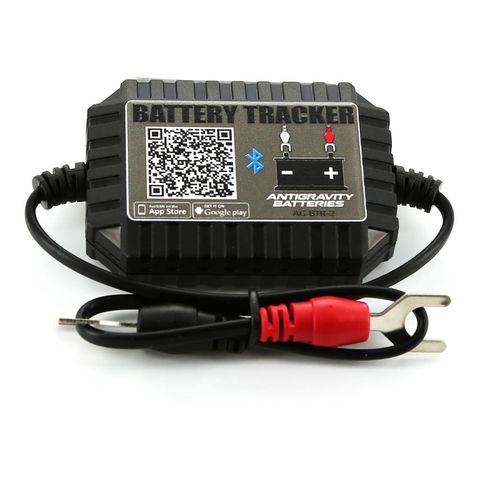
Yes, voltage testers can be very useful for battery maintenance. They allow you to check the voltage level of a battery to determine its state of charge and health. Regular testing can help identify issues before they lead to battery failure, ensuring reliable performance in various applications.
If your voltage tester indicates a problem, the first step is to ensure that the tester is functioning correctly and is properly calibrated. Next, investigate the circuit or device in question for any visible signs of damage or malfunction. If you're unsure, it's advisable to consult a professional electrician to safely diagnose and resolve the issue.
Similar Categories
Voltage Tester
Ensure safety and accuracy in your electrical projects with our range of voltage testers. These essential tools are designed to quickly and reliably detect voltage levels in various electrical systems, making them perfect for both professionals and DIY enthusiasts. With features like audible alerts, LED indicators, and ergonomic designs, our voltage testers provide clear readings and ease of use in any situation.
Our selection includes non-contact and contact voltage testers, catering to different testing needs and preferences. Built with durability in mind, these testers are ideal for use in residential, commercial, and automotive applications. Trust our voltage testers to deliver precise measurements, helping you work confidently and safely with electrical circuits.