Timing Chain Tensioner
On this page...
- What is a timing chain tensioner and why is it important?
- How do you know if your timing chain tensioner needs replacement?
- What are the different types of timing chain tensioners available?
- Can a timing chain tensioner be adjusted, and if so, how?
- What materials are commonly used in timing chain tensioners?
- What role does a timing chain tensioner play in engine performance?
- Are there specific signs of wear to look for in a timing chain tensioner?
- How does a timing chain tensioner differ from a timing belt tensioner?
- Can a faulty timing chain tensioner affect fuel efficiency?
Frequently Asked Questions For Timing Chain Tensioner
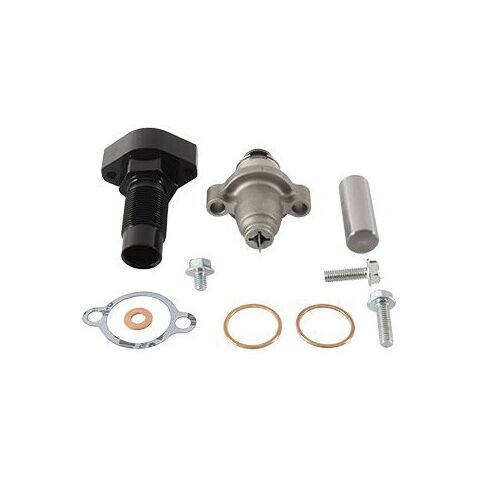
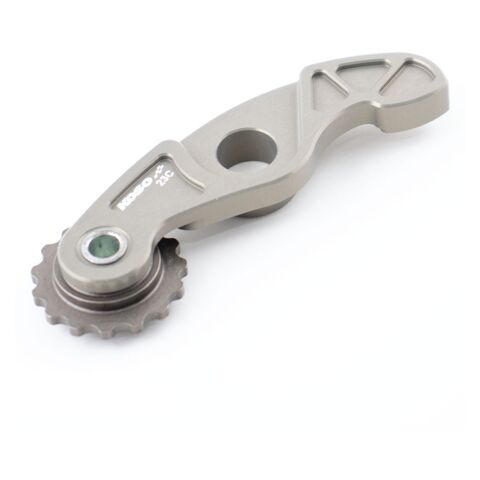
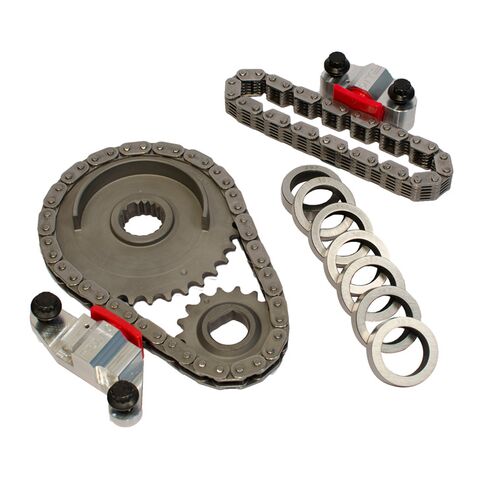
A timing chain tensioner is a crucial component in an engine that maintains the proper tension on the timing chain. This ensures that the timing chain operates smoothly and effectively, allowing for precise synchronization between the crankshaft and camshaft. Proper tension helps prevent chain slippage, which can lead to engine performance issues or damage.
Signs that a timing chain tensioner may need replacement include unusual noises from the engine, such as rattling or slapping sounds, especially at startup. Additionally, if you notice a decrease in engine performance or if the timing chain appears loose, it may indicate that the tensioner is failing. Regular inspections can help identify these issues early.
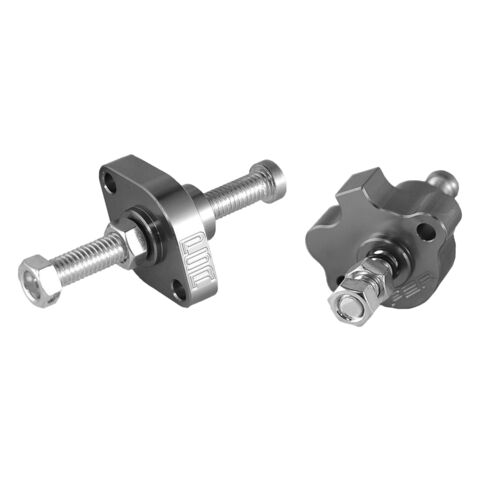
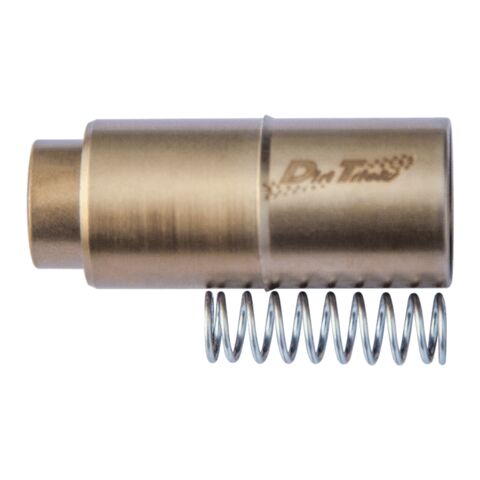
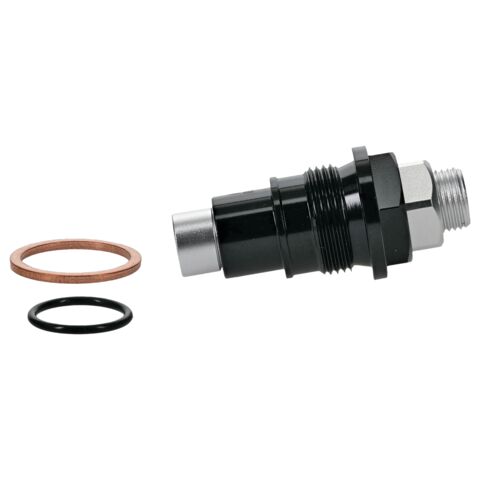
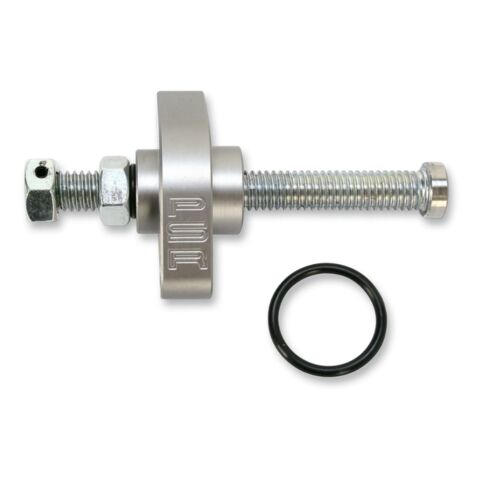
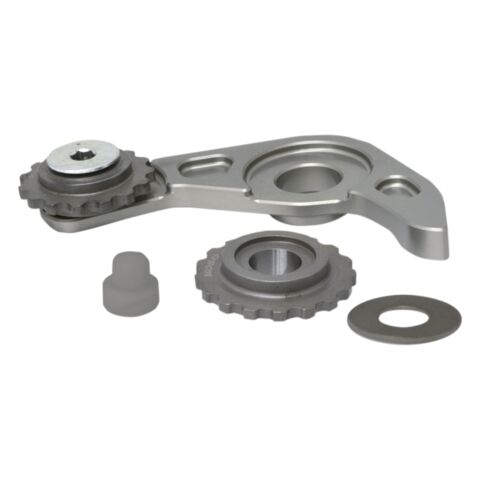
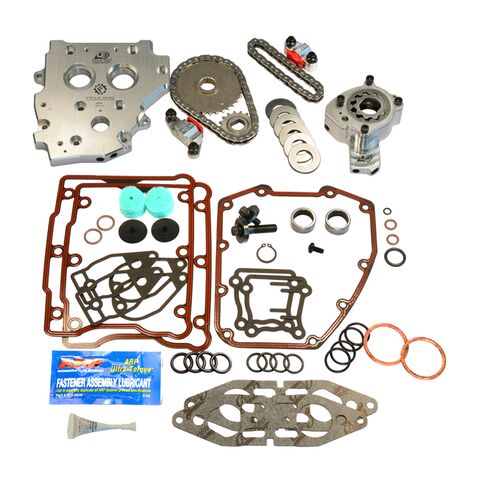
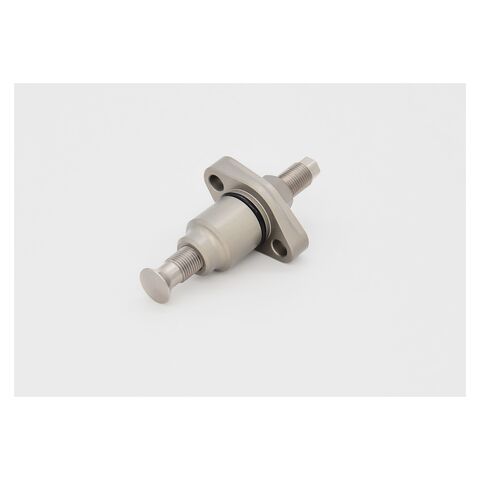
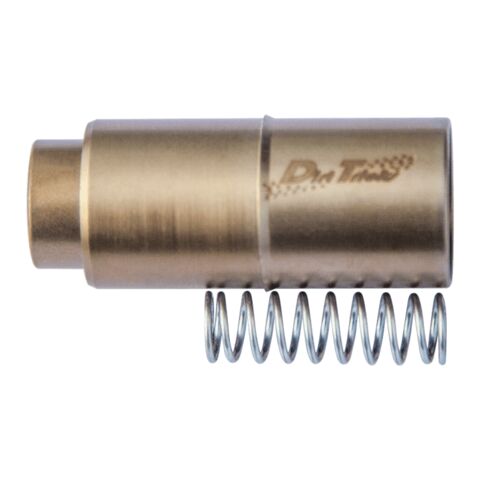
Timing chain tensioners come in various types, including hydraulic and manual tensioners. Hydraulic tensioners use engine oil pressure to maintain tension, providing automatic adjustment as needed. Manual tensioners require adjustment by the user and can offer a more direct control over chain tension, but they may need regular monitoring.
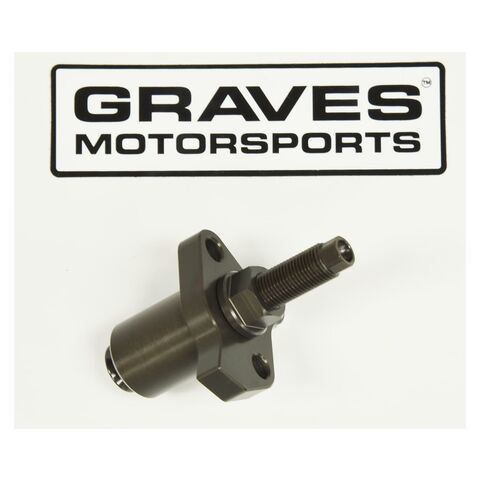
Some timing chain tensioners, particularly manual ones, can be adjusted to maintain the correct tension on the timing chain. This typically involves loosening a locking mechanism and turning an adjustment screw or bolt to increase or decrease tension. It's important to follow specific guidelines for your engine type to ensure proper adjustment.
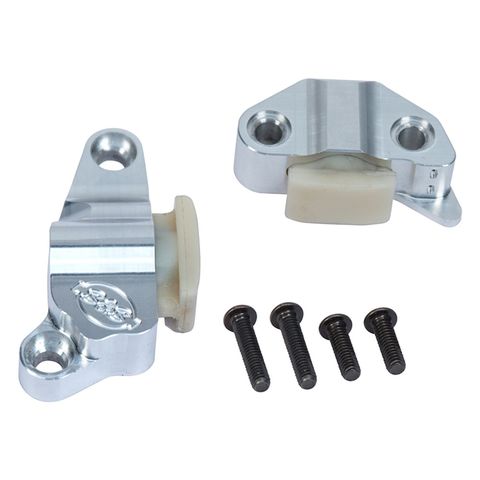
Timing chain tensioners are often made from durable materials such as aluminum, steel, or reinforced plastics. These materials are chosen for their strength and resistance to wear, as they must withstand the high pressures and temperatures within an engine. Some tensioners may also feature rubber or composite components to reduce noise and vibration.
The timing chain tensioner plays a vital role in maintaining optimal engine performance by ensuring that the timing chain remains taut. This helps prevent timing issues that can lead to misfires, reduced power, and increased emissions. A properly functioning tensioner contributes to smoother engine operation and longevity.
Signs of wear in a timing chain tensioner include visible cracks or damage to the tensioner body, excessive play in the timing chain, and abnormal noises during engine operation. If the tensioner shows signs of oil leaks or if the chain appears to be excessively loose, it may be time for inspection or replacement.
A timing chain tensioner is designed for engines that use a timing chain, while a timing belt tensioner is used in engines with a timing belt. The primary difference lies in the materials and mechanisms used; timing chains are typically more durable and require less frequent replacement than timing belts. However, both types of tensioners serve the same purpose of maintaining proper tension to ensure optimal engine timing.
Yes, a faulty timing chain tensioner can negatively impact fuel efficiency. If the timing chain is not properly tensioned, it can lead to incorrect timing of the engine's combustion cycle, resulting in poor fuel combustion and increased fuel consumption. Keeping the timing chain tensioner in good condition is essential for maintaining optimal engine performance and efficiency.
Similar Categories
Timing Chain Tensioner
A reliable timing chain tensioner is essential for maintaining the proper tension in your engine's timing chain, ensuring optimal performance and longevity. Our selection features high-quality tensioners designed to provide precise tension control, reducing the risk of chain slippage and engine noise. With durable construction and advanced engineering, these tensioners are built to withstand the demands of various engine types.
Designed for easy installation and compatibility with a wide range of motorcycles, our timing chain tensioners help maintain the timing system's integrity. By ensuring consistent tension, they contribute to smoother engine operation and improved efficiency. Upgrade your motorcycle's performance with our dependable timing chain tensioners, engineered to keep your engine running smoothly and reliably.