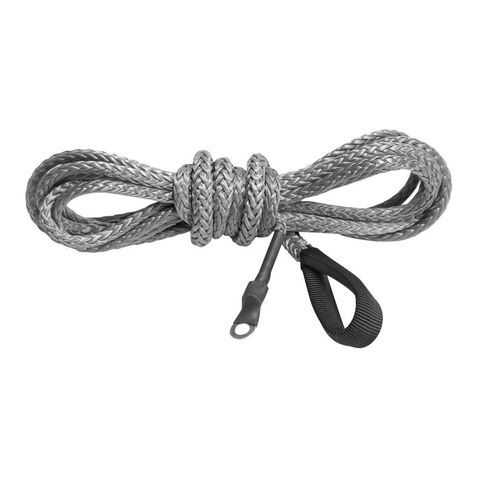
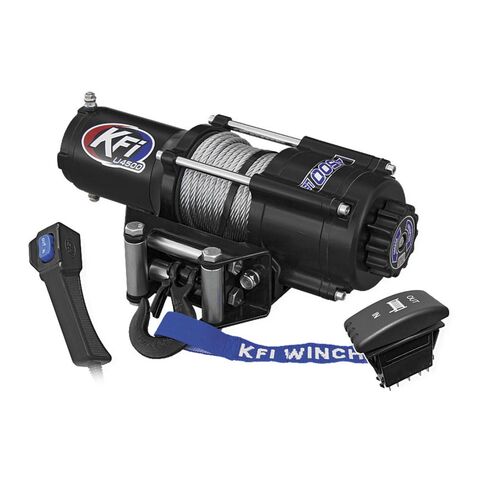
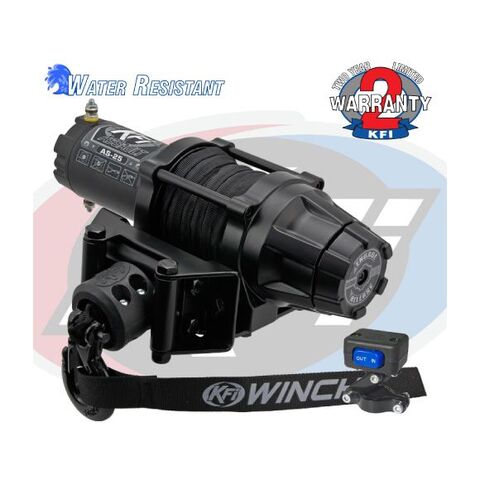
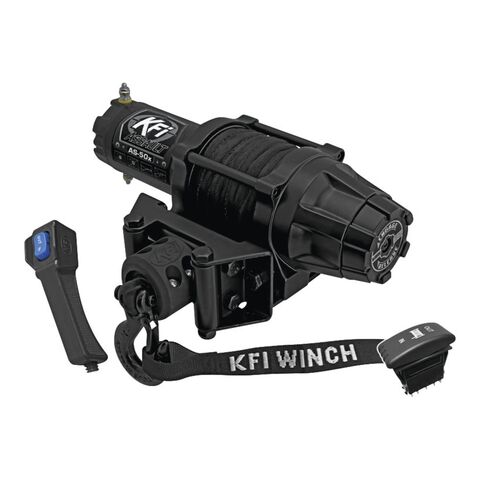
Synthetic Winch Line
Filters
On this page...
- What are the benefits of using synthetic winch line?
- How do you choose the right synthetic winch line for your needs?
- Are synthetic winch lines suitable for off-road use?
- What should you look for in a synthetic winch line?
- Can synthetic winch lines be used in different weather conditions?
- How does the weight of synthetic winch line compare to steel cable?
- What are the maintenance requirements for synthetic winch lines?
- Are there any safety considerations when using synthetic winch lines?
- What is the lifespan of a synthetic winch line?
Frequently Asked Questions For Synthetic Winch Line
Synthetic winch lines offer several advantages over traditional steel cables. They are lighter, which makes them easier to handle and reduces the overall weight of your winching setup. Additionally, synthetic lines are less likely to cause injury if they snap, as they do not have the same recoil effect as steel cables. They also resist abrasion and are less prone to rust and corrosion, making them suitable for various weather conditions.
When selecting a synthetic winch line, consider factors such as the weight capacity of your winch, the type of terrain you will be navigating, and the length of the line needed for your specific applications. It's also important to look for lines made from high-quality materials, such as Dyneema or Spectra, which offer excellent strength-to-weight ratios. Additionally, ensure the line is compatible with your winch's specifications.
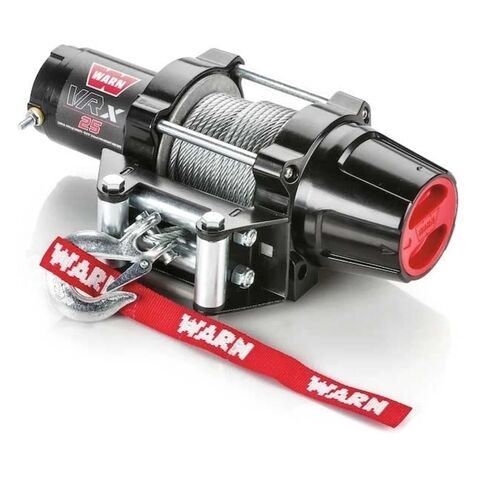
Yes, synthetic winch lines are well-suited for off-road applications. They are designed to withstand the rigors of challenging terrains and can handle the demands of heavy pulling and recovery situations. Their lightweight nature makes them easier to manage in rugged environments, and they typically perform well in wet or muddy conditions, unlike steel cables that can become heavy and cumbersome.
When evaluating a synthetic winch line, consider its strength rating, which should match or exceed your winch's pulling capacity. Look for features such as abrasion resistance, UV protection, and a protective sheath to enhance durability. Additionally, check for safety certifications and user reviews to ensure the line meets performance expectations in real-world scenarios.
Synthetic winch lines can be effectively used in various weather conditions, including rain and snow. They are generally resistant to moisture, which helps prevent issues like rust that can affect steel cables. However, prolonged exposure to UV rays can degrade some synthetic materials, so it's advisable to store the line properly when not in use to extend its lifespan.
Synthetic winch lines are significantly lighter than steel cables, which makes them easier to handle and reduces the overall weight of your winching setup. This lightweight characteristic can be particularly beneficial during recovery operations, as it allows for quicker deployment and less fatigue for the user. The reduced weight also minimizes the strain on your winch and vehicle.
Maintaining synthetic winch lines is relatively straightforward. Regularly inspect the line for any signs of wear, fraying, or damage, especially after heavy use. It's also important to clean the line to remove dirt and debris, which can cause abrasion. Storing the line in a cool, dry place away from direct sunlight will help prolong its life and maintain its performance.
While synthetic winch lines are generally safer than steel cables, there are still important safety considerations to keep in mind. Always wear gloves when handling the line to protect your hands from potential abrasions. Additionally, ensure that the winch line is properly secured and that you maintain a safe distance from the line during operation to avoid any potential recoil if the line were to break.
The lifespan of a synthetic winch line can vary based on factors such as usage frequency, environmental conditions, and maintenance. Generally, with proper care and storage, a synthetic winch line can last several years. However, it's crucial to regularly inspect the line for signs of wear or damage, as these can significantly impact its performance and safety.
Similar Categories
Synthetic Winch Line
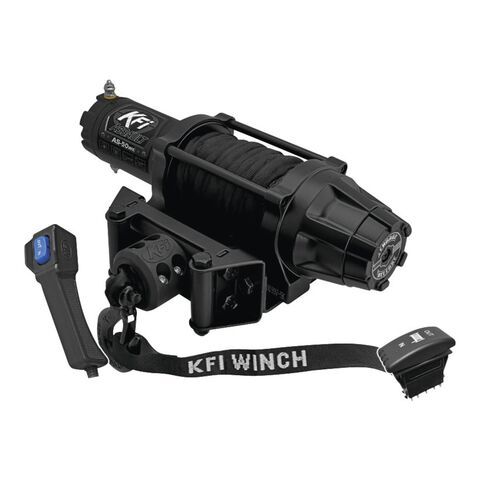
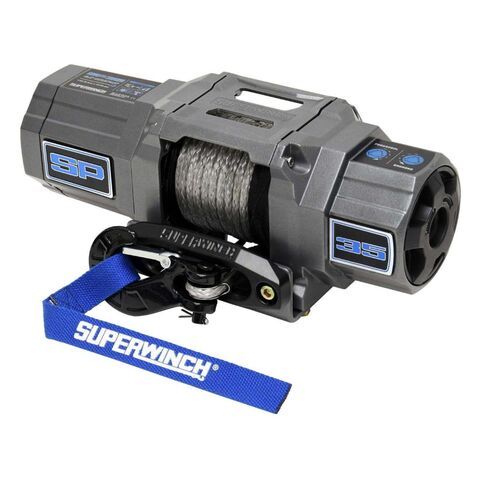
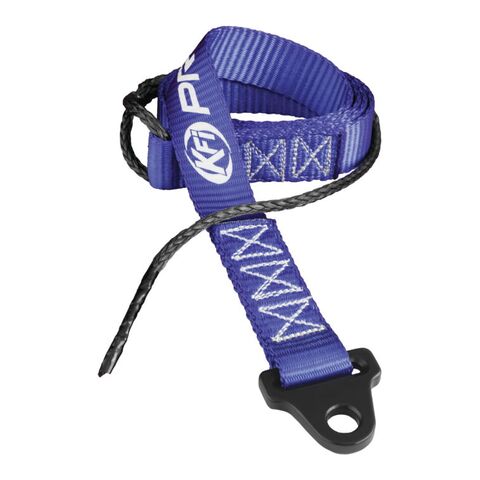
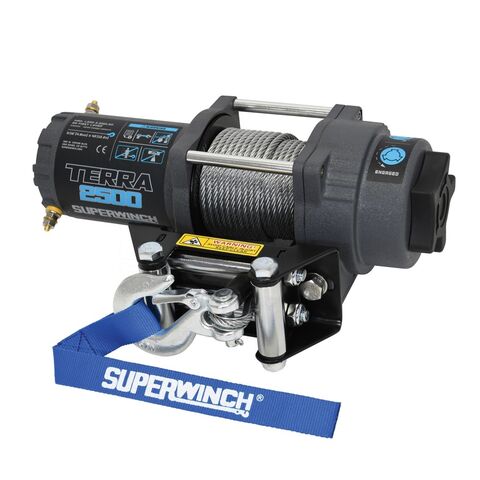
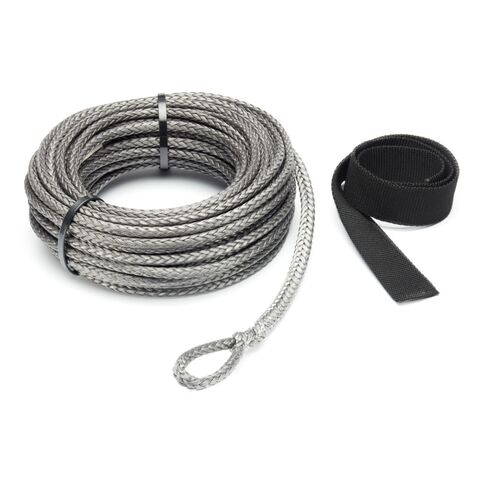
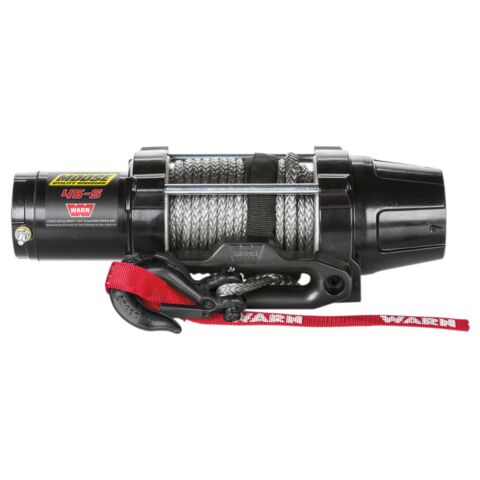
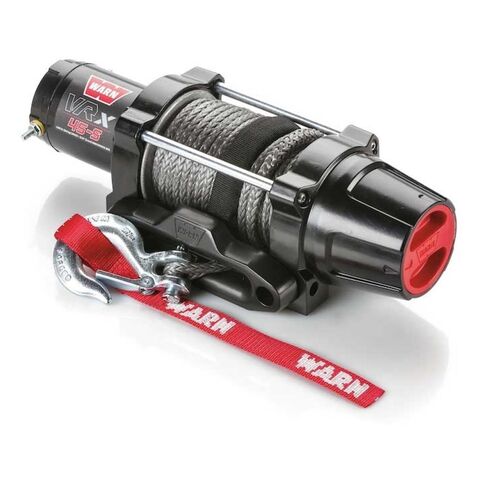
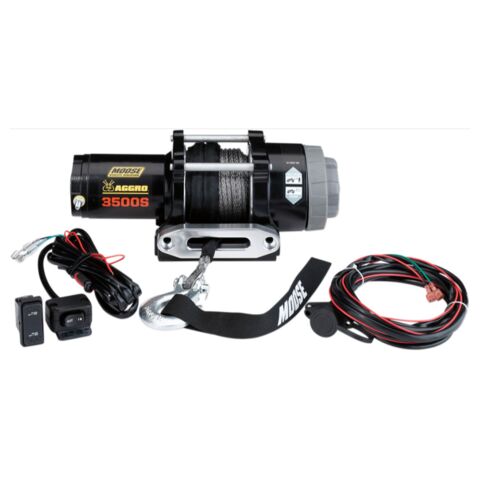
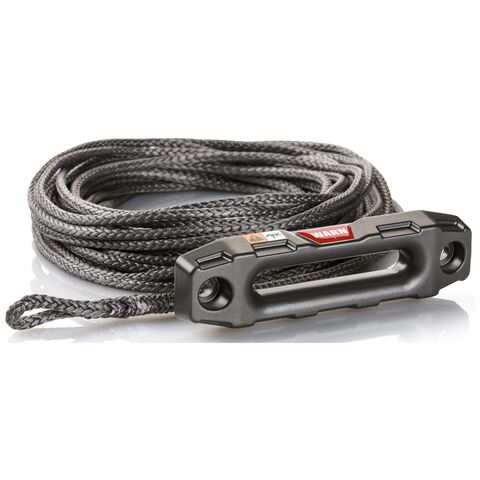
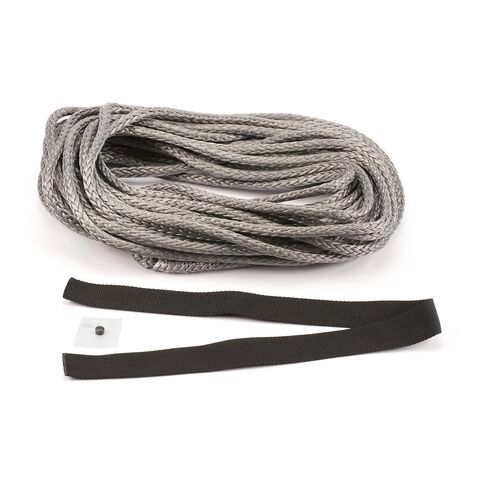
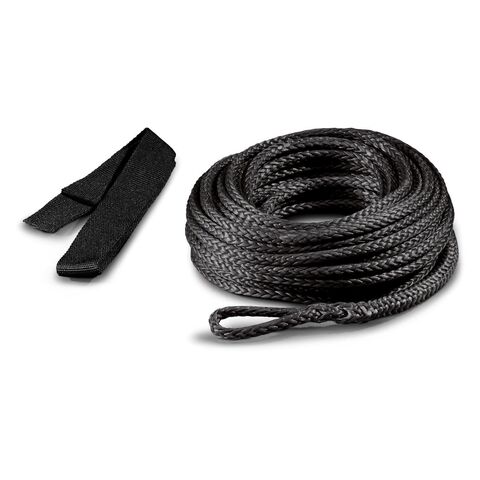
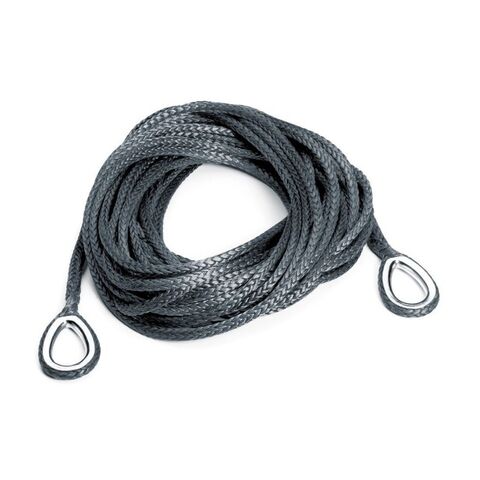
Upgrade your winching experience with our premium synthetic winch lines, designed for superior strength and durability. These lightweight lines offer excellent resistance to abrasion and UV damage, ensuring reliable performance in various conditions. Their flexibility allows for easy handling and installation, making them a perfect choice for off-road enthusiasts and heavy-duty applications alike.
Our synthetic winch lines are engineered to provide high tensile strength while minimizing the risk of recoil during use. With reduced weight compared to traditional steel cables, they enhance safety and efficiency in recovery situations. Choose our synthetic winch lines for a dependable, high-performance solution that meets the demands of your toughest adventures.