Rear Camera Extension Cable
On this page...
- What is a rear camera extension cable used for?
- How do I choose the right rear camera extension cable?
- Are there different types of rear camera extension cables?
- Can a rear camera extension cable be used in different vehicle types?
- What should I consider regarding the installation of a rear camera extension cable?
- Can I use a rear camera extension cable with aftermarket camera systems?
- What materials are rear camera extension cables typically made from?
- Are there any safety certifications to look for in rear camera extension cables?
Frequently Asked Questions For Rear Camera Extension Cable
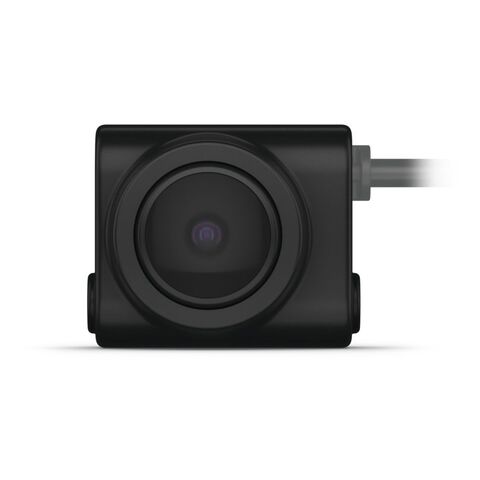
A rear camera extension cable is designed to extend the reach of a rearview camera system, allowing for better placement and connectivity. This can be particularly useful in larger vehicles or when the camera needs to be mounted further away from the display unit. By using an extension cable, you can ensure that your camera has a reliable connection without compromising the quality of the video feed.
When selecting a rear camera extension cable, consider the length you need based on your vehicle's layout and the distance between the camera and the display. Additionally, check for compatibility with your existing camera system and ensure the cable supports the necessary video signal quality. Look for cables that are weather-resistant if they will be exposed to the elements.
Yes, rear camera extension cables come in various types, including wired and wireless options. Wired cables typically provide a more stable connection, while wireless extensions can offer more flexibility in installation. It's important to choose a type that best suits your installation needs and vehicle setup.
Absolutely, rear camera extension cables can be used in various vehicle types, including cars, trucks, and SUVs. The key is to ensure that the cable length and type are appropriate for the specific vehicle's dimensions and camera system. Always verify compatibility with your camera setup before installation.
When installing a rear camera extension cable, consider the routing of the cable to avoid interference with moving parts and ensure a clean installation. It's also important to secure the cable properly to prevent damage from vibrations or weather exposure. Following the manufacturer's guidelines for installation can help ensure optimal performance.
Yes, rear camera extension cables can often be used with aftermarket camera systems, provided they are compatible with the specific camera and display unit. It's essential to check the specifications of both the cable and the camera system to ensure they work together effectively.
Rear camera extension cables are usually made from durable materials designed to withstand various environmental conditions. Common materials include copper for the wiring to ensure good signal transmission, along with protective sheathing that may be weather-resistant. This durability is important for maintaining performance over time.
While rear camera extension cables may not have specific safety certifications like DOT or ECE, it's still important to choose cables from reputable manufacturers that adhere to industry standards. Look for cables that are designed for automotive use and have undergone quality testing to ensure reliability and performance.
Similar Categories
Rear Camera Extension Cable
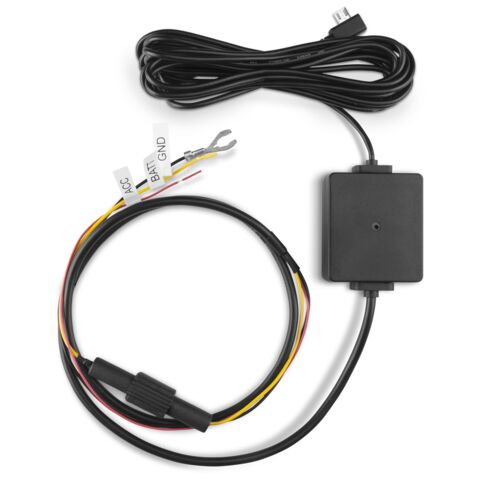
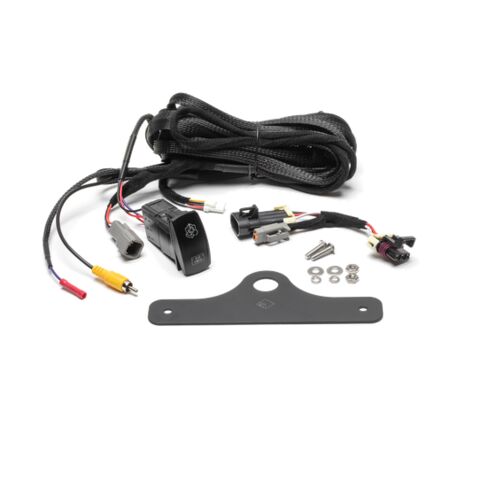
Enhance your vehicle's rear camera setup with our high-quality rear camera extension cables. Designed to provide reliable connectivity, these cables ensure seamless transmission of video signals from your rear camera to your display. With durable construction and weather-resistant materials, they are built to withstand the rigors of daily use and various environmental conditions.
Our rear camera extension cables come in various lengths to accommodate different vehicle sizes and installation needs. Easy to install, they offer a hassle-free solution for extending your camera's reach without compromising on performance. Upgrade your rearview system today and enjoy improved visibility and safety on the road.