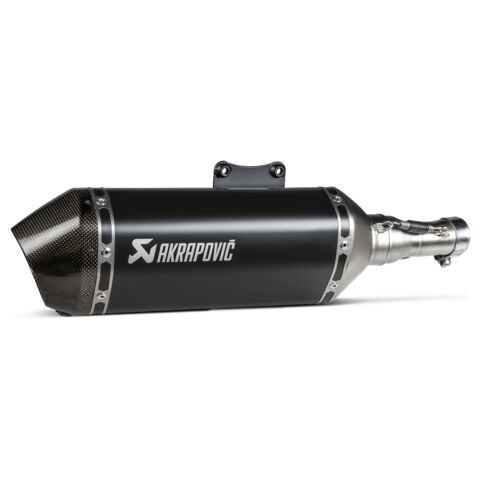
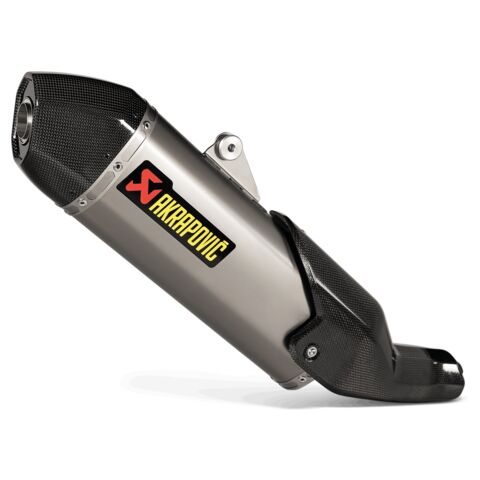
Performance Exhausts
Filters
- Brand
- Akrapovic (59)
- Arrow Exhaust (7)
- Bassani Exhaust (7)
- Big Gun (4)
- Bikeman Performance (1)
- Competition Werkes (3)
- Dg Performance (25)
- Fmf (1)
- Gibson Performance (1)
- Graves Motorsports (8)
- Hindle Exhaust (4)
- Hotbodies Racing (9)
- Khrome Werks (4)
- Leovince (31)
- Mbrp (11)
- Pro Circuit (2)
- Rinehart Exhaust (3)
- S&s Off Road Division (6)
- Sp Concepts (1)
- Stealth Pipes Inc (8)
- Trinity Racing (3)
- Vance & Hines (2)
- Colors
- Size
- Shop By
- Price Range
On this page...
- What are performance exhausts and how do they enhance motorcycle performance?
- What should you consider when choosing a performance exhaust for your motorcycle?
- Are performance exhausts legal for street use?
- Can performance exhausts improve fuel efficiency?
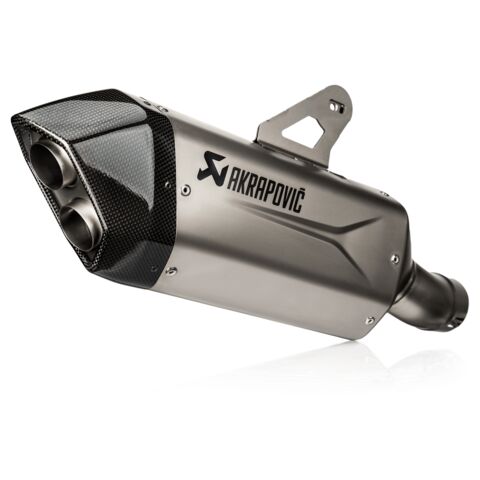
- What types of materials are commonly used in performance exhausts?
- How do performance exhausts affect the sound of a motorcycle?
- What are the potential downsides of installing a performance exhaust?
- Can performance exhausts be used in all weather conditions?
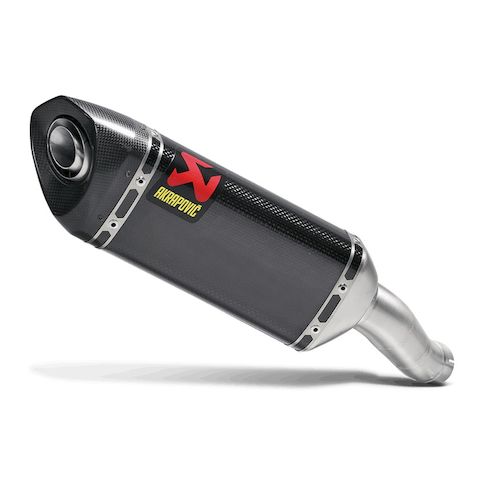
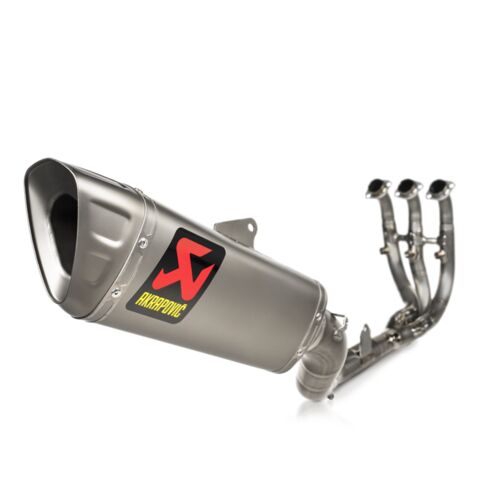
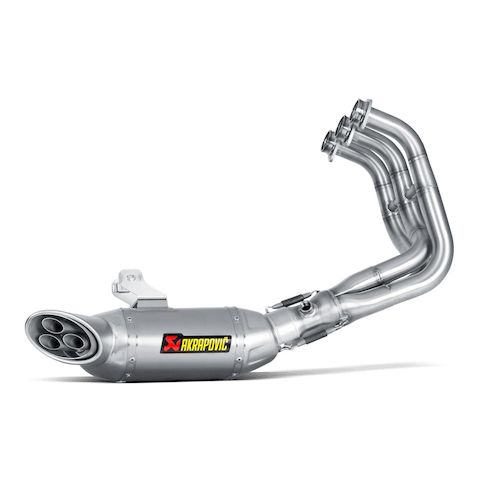
- What is the difference between slip-on and full exhaust systems?
Frequently Asked Questions For Performance Exhausts
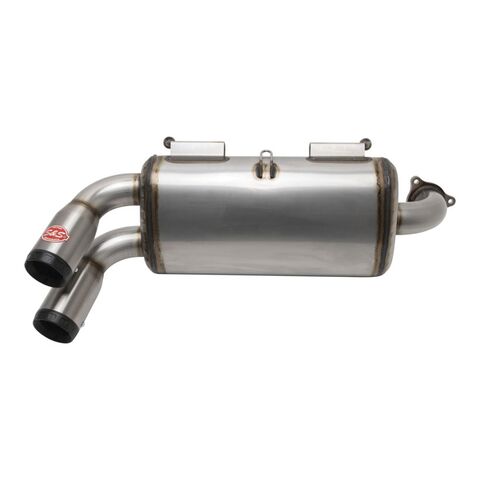
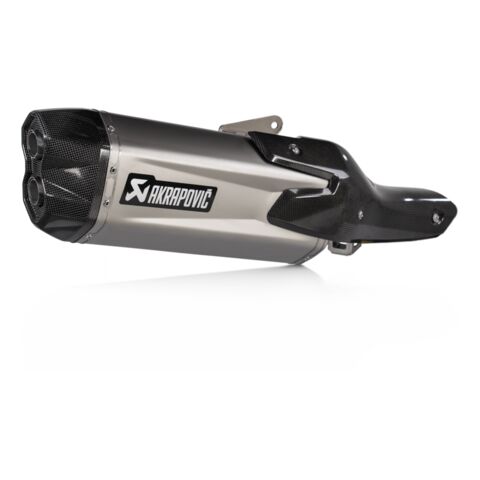
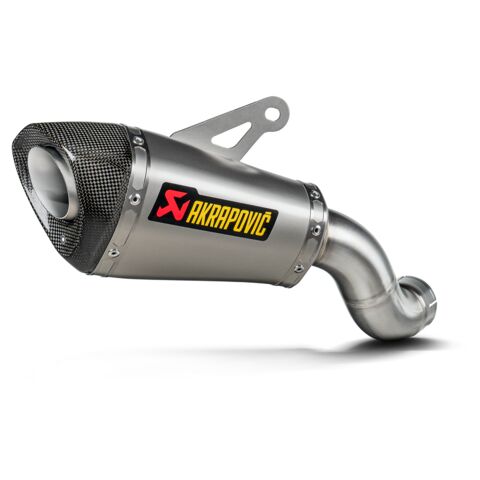
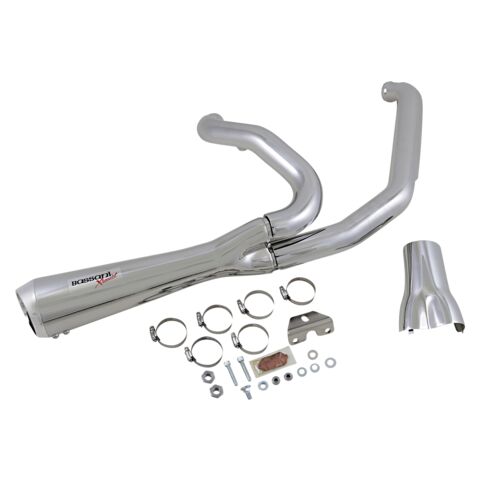
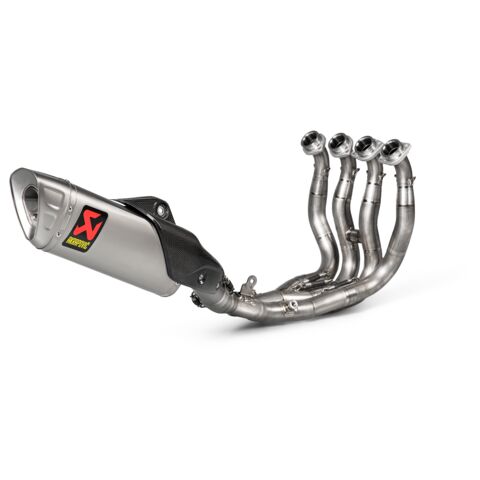
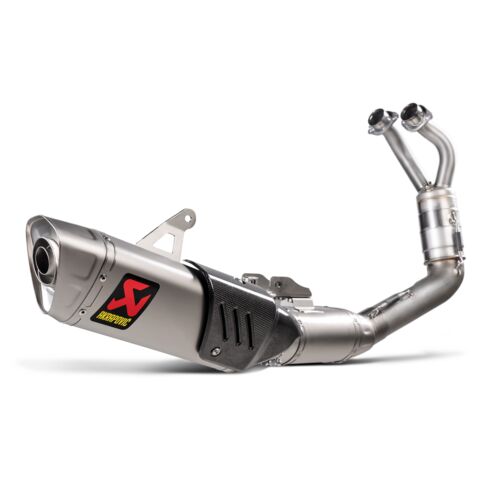
Performance exhausts are aftermarket components designed to improve the efficiency of a motorcycle's exhaust system. They typically allow for better airflow, which can lead to increased horsepower and torque. Additionally, they can reduce weight compared to stock exhausts, contributing to overall performance improvements during rides.
When selecting a performance exhaust, consider factors such as compatibility with your motorcycle model, the type of riding you do, and your sound preference. It's also important to look at the materials used, as options like stainless steel or titanium can affect durability and weight. Lastly, check for any necessary modifications or tuning that may be required after installation.
The legality of performance exhausts for street use can vary by location. Many regions have specific noise regulations and emissions standards that aftermarket exhausts must meet. It's essential to research local laws and ensure that any performance exhaust you consider complies with these regulations to avoid fines or issues during inspections.
While performance exhausts are primarily designed to enhance power and sound, they can also contribute to improved fuel efficiency under certain conditions. By optimizing exhaust flow, they may allow the engine to run more efficiently, especially during highway cruising. However, aggressive riding or improper tuning can negate these benefits, so it's important to consider your riding style.
Performance exhausts are typically made from materials such as stainless steel, titanium, and carbon fiber. Stainless steel is known for its durability and resistance to corrosion, while titanium is lighter and offers a unique aesthetic. Carbon fiber is often used for its lightweight properties and modern look, but it may not be as durable as metal options.
Performance exhausts can significantly alter the sound profile of a motorcycle, often providing a deeper, more aggressive tone compared to stock systems. The design and materials used in the exhaust can influence sound characteristics, with some systems designed to enhance specific frequencies. Riders often choose exhausts based on their desired sound, whether for aesthetic reasons or to enhance the riding experience.
While performance exhausts offer many benefits, there are potential downsides to consider. They can sometimes lead to increased noise levels, which may not be suitable for all riders or environments. Additionally, improper installation or selection may result in performance issues or the need for further modifications, such as remapping the motorcycle's ECU.
Performance exhausts can generally be used in various weather conditions, but the material choice can impact their performance and longevity. For example, stainless steel is more resistant to rust and corrosion, making it suitable for wet conditions. However, riders should be cautious about water and debris exposure, as these factors can affect the exhaust's performance over time.
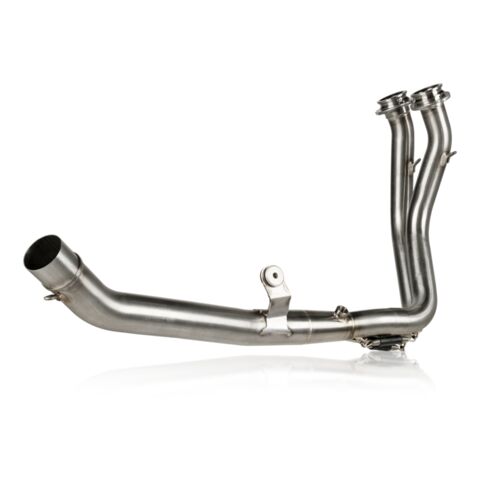
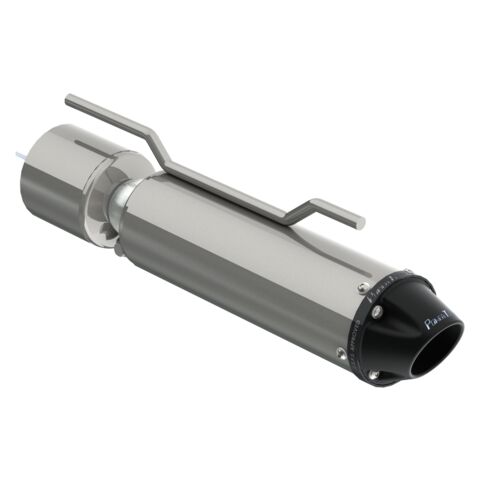
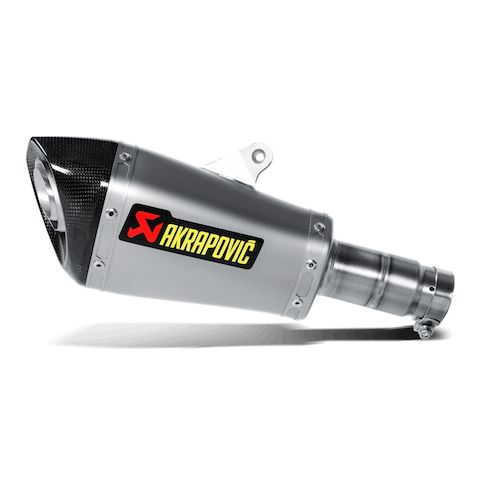
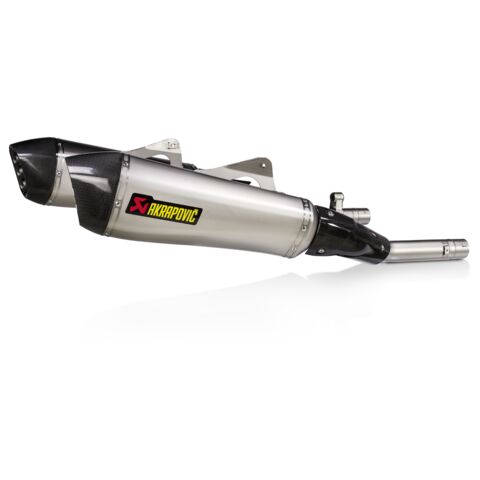
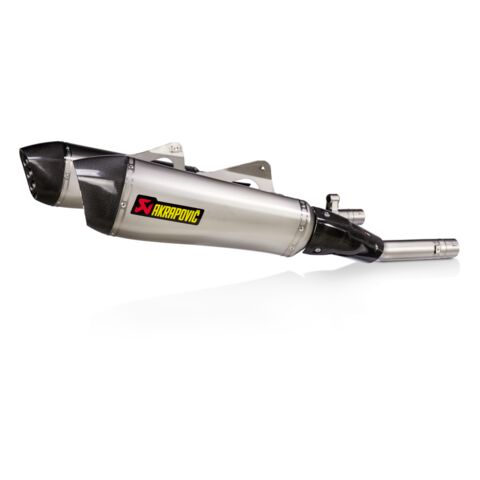
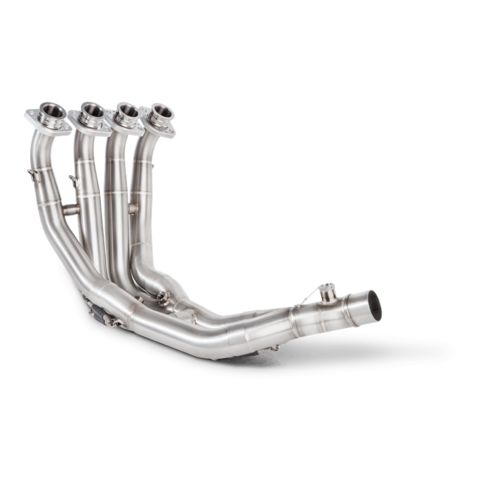
Slip-on exhaust systems replace only the muffler portion of the exhaust, while full exhaust systems include headers and the complete exhaust setup. Slip-ons are typically easier to install and can provide a moderate performance boost, whereas full systems often offer more significant improvements in power and efficiency due to better overall design and airflow.
Similar Categories
Performance Exhausts
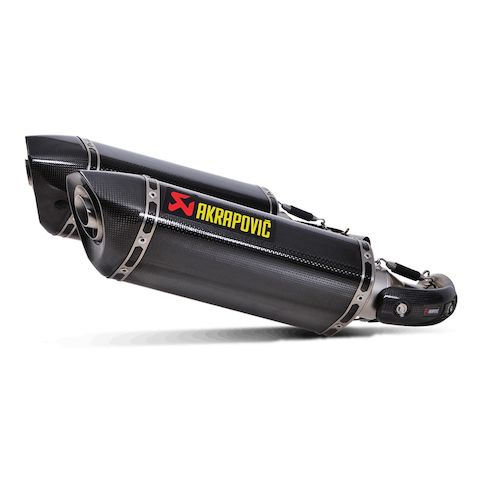
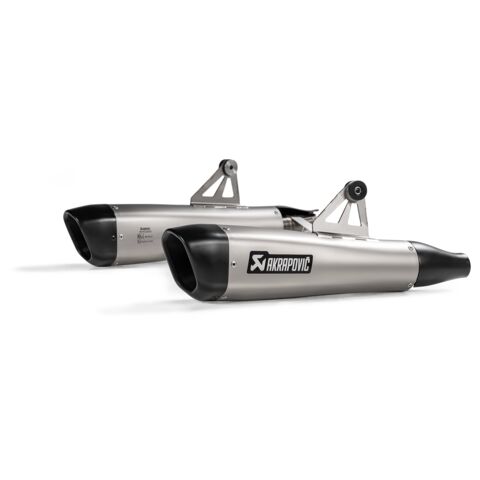
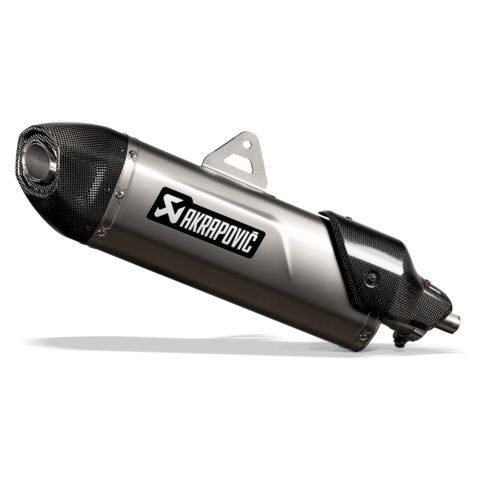
Enhance your motorcycle's power and sound with our premium selection of performance exhausts. Designed to improve airflow and reduce back pressure, these exhaust systems help unlock your bike's full potential. With a variety of styles and materials available, you can find the perfect fit for your ride, ensuring not only a boost in performance but also a sleek, aggressive look.
Our performance exhausts are engineered for durability and longevity, featuring high-quality construction that withstands the rigors of the road. Experience improved throttle response and a deeper, more resonant exhaust note that turns heads. Upgrade your motorcycle with our performance exhausts and enjoy the thrill of enhanced acceleration and a more exhilarating ride.