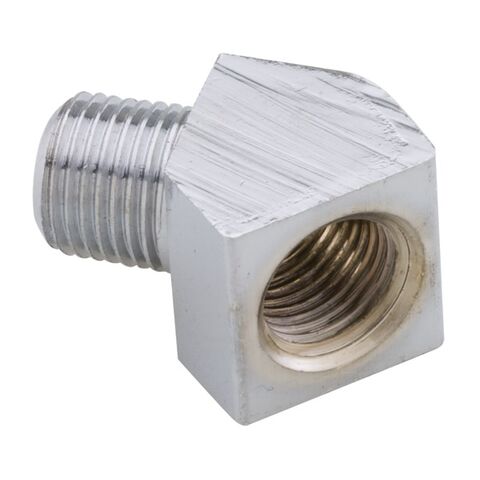
Oil Pressure Sensor
Filters
On this page...
- What is an oil pressure sensor and why is it important?
- How do I know if my oil pressure sensor is failing?
- Can I use an oil pressure sensor in different types of engines?
- What should I look for when choosing an oil pressure sensor?
- Are there different types of oil pressure sensors available?
- How does an oil pressure sensor affect engine performance?
- Can oil pressure sensors be installed by a DIY mechanic?
- What maintenance is required for oil pressure sensors?
- Can oil pressure sensors be used in different riding conditions?
Frequently Asked Questions For Oil Pressure Sensor
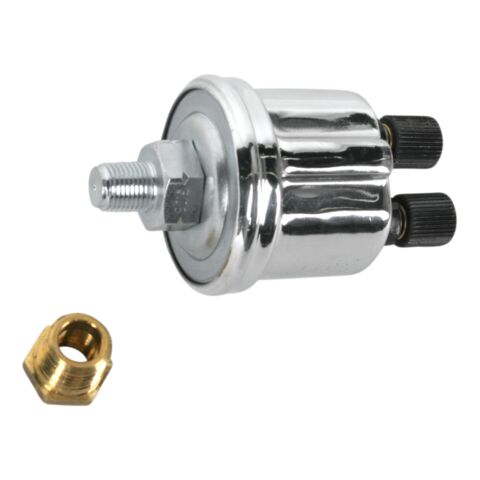
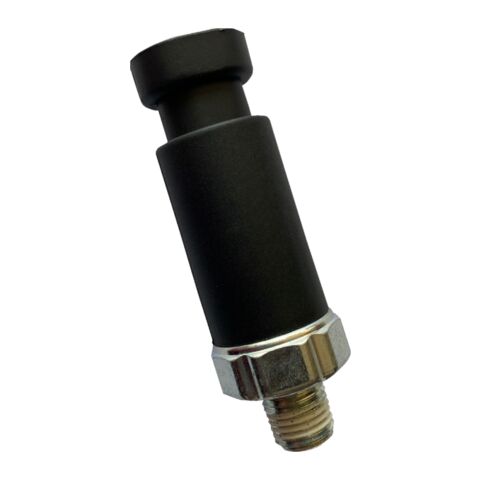
An oil pressure sensor is a device that monitors the oil pressure in your engine, providing critical information about its performance. Maintaining proper oil pressure is essential for engine lubrication and overall health, as it helps prevent wear and tear on engine components. A malfunctioning sensor can lead to inaccurate readings, which may result in engine damage if not addressed.
Signs of a failing oil pressure sensor can include fluctuating oil pressure readings on your gauge, warning lights on your dashboard, or unusual engine noises. If you notice any of these symptoms, it's important to have the sensor checked, as low oil pressure can lead to serious engine issues. Regular maintenance and monitoring can help catch problems early.
While many oil pressure sensors are designed for specific engine types, some can be used across different models with compatible fittings and specifications. It's essential to check the compatibility of the sensor with your engine type to ensure accurate readings and proper function. Always refer to manufacturer guidelines for the best results.
When selecting an oil pressure sensor, consider factors such as compatibility with your engine, the type of readings it provides, and its durability under various conditions. Look for sensors that are made from high-quality materials to withstand heat and vibration. Additionally, ensure that the sensor meets any relevant safety certifications for your vehicle.
Yes, there are various types of oil pressure sensors, including mechanical and electronic sensors. Mechanical sensors typically use a pressure gauge to provide readings, while electronic sensors send signals to the vehicle's computer for monitoring. The choice between them often depends on the specific requirements of your engine and personal preference.
An oil pressure sensor plays a crucial role in monitoring the engine's lubrication system, which directly impacts performance. Accurate readings ensure that the engine receives adequate oil flow, preventing overheating and wear. If the sensor fails or provides inaccurate readings, it can lead to poor engine performance and potential damage.
Many oil pressure sensors can be installed by a DIY mechanic with basic automotive knowledge and tools. However, the complexity of the installation may vary depending on the vehicle and engine type. It's important to follow the manufacturer's instructions and ensure proper sealing to avoid leaks.
Oil pressure sensors generally require minimal maintenance, but it's important to regularly check for leaks and ensure they are functioning correctly. Periodic inspections during oil changes can help identify any potential issues early. If you notice any irregularities in oil pressure readings, it may be time to replace the sensor.
Oil pressure sensors are designed to operate effectively in various riding conditions, including extreme temperatures and vibrations. However, the specific performance can depend on the quality of the sensor and its compatibility with your engine. Always choose a sensor that meets the demands of your riding style and environment.
Similar Categories
Oil Pressure Sensor
Ensure your engine's health with our premium selection of oil pressure sensors, designed to monitor and maintain optimal oil pressure levels. These sensors play a critical role in alerting you to potential issues, helping to prevent engine damage and ensuring smooth operation. With precise readings and reliable performance, our oil pressure sensors are essential for any motorcycle enthusiast looking to enhance engine longevity.
Our range of oil pressure sensors is built to withstand the rigors of motorcycle riding, featuring durable construction and weather-resistant designs. Easy to install and compatible with various models, these sensors provide accurate feedback to your engine management system. Trust our selection to keep your motorcycle running efficiently and to safeguard against oil pressure-related problems.