Search Suggestions
Menu
Results for in

Mtb Grips

14Products
Filter 0 Sort By
Mtb Grips

On this page...

  • What are MTB grips and why are they important?
  • What materials are commonly used for MTB grips?
  • How do I choose the right MTB grips for my riding style?
  • Are lock-on grips better than push-on grips for mountain biking?
  • Can MTB grips be used in wet or muddy conditions?
  • What should I look for in terms of grip thickness?
  • How do I know when to replace my MTB grips?
  • Can I customize my MTB grips for better performance?

Frequently Asked Questions For Mtb Grips

MTB grips are the rubber or foam coverings that attach to the handlebars of mountain bikes, providing a comfortable and secure hold for the rider. They play a crucial role in maintaining control over the bike, especially during rough terrain and technical descents. A good grip can enhance rider comfort and reduce hand fatigue during long rides.

MTB grips are typically made from materials such as rubber, foam, or silicone. Rubber grips often provide better durability and traction, while foam grips can offer more cushioning and comfort. Some grips may also feature a combination of materials to balance grip, comfort, and durability.

When selecting MTB grips, consider your riding style and the type of terrain you frequent. For aggressive riding or downhill trails, look for grips that offer maximum traction and control. If you prefer cross-country or casual rides, comfort and cushioning may be more important. Additionally, consider the diameter and texture of the grips to ensure they fit your hands well.

Lock-on grips are generally preferred for mountain biking because they provide a secure fit that prevents slipping, especially during intense rides. Push-on grips can be lighter and offer more flexibility in terms of design, but they may require more maintenance to ensure they stay in place. Ultimately, the choice depends on personal preference and riding conditions.

Yes, many MTB grips are designed to perform well in wet or muddy conditions. Look for grips with a textured surface or specific patterns that enhance traction when wet. However, it's important to note that even the best grips may become slippery if they are excessively muddy or worn down.

Grip thickness is a personal preference and can affect comfort and control. Thicker grips can provide more cushioning and reduce hand fatigue, while thinner grips may offer better feedback from the bike. It's best to try different thicknesses to find what feels most comfortable for your hands and riding style.

You should consider replacing your MTB grips when they show signs of wear, such as cracks, loss of texture, or reduced cushioning. If you notice a decrease in grip performance or if they start to feel uncomfortable during rides, it's a good indication that it's time for a replacement. Regularly inspecting your grips can help ensure optimal performance.

Yes, you can customize your MTB grips by choosing different materials, thicknesses, and textures to suit your riding preferences. Some riders may also opt for grips with specific features like added cushioning or ergonomic shapes. Personalizing your grips can enhance comfort and control, making your rides more enjoyable.

MTB Grips

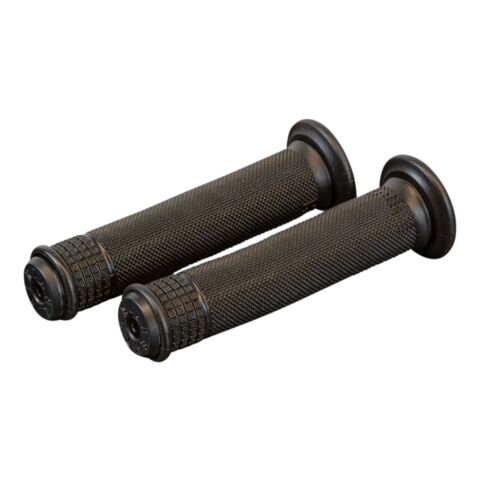
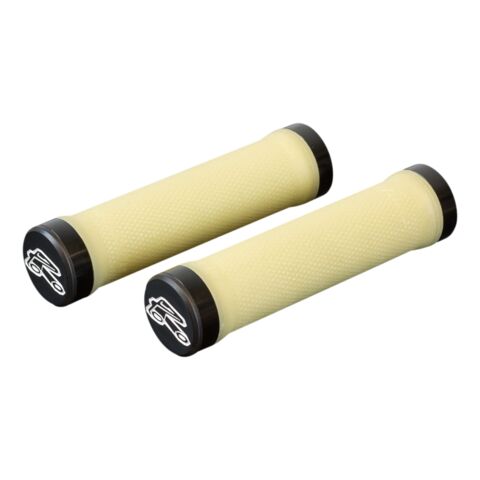
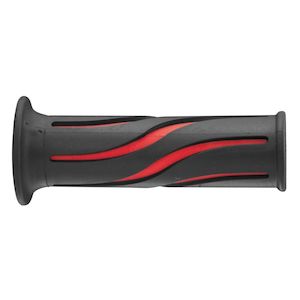
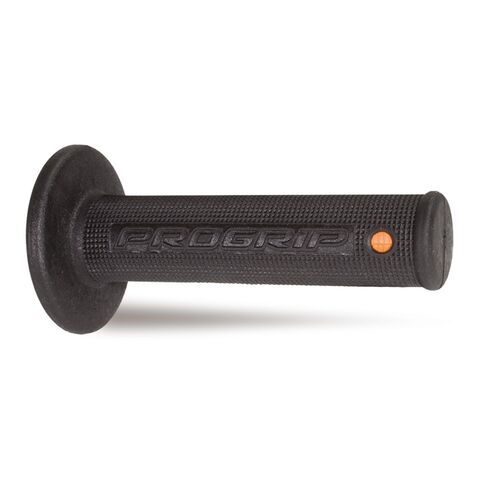
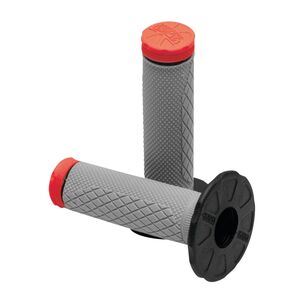
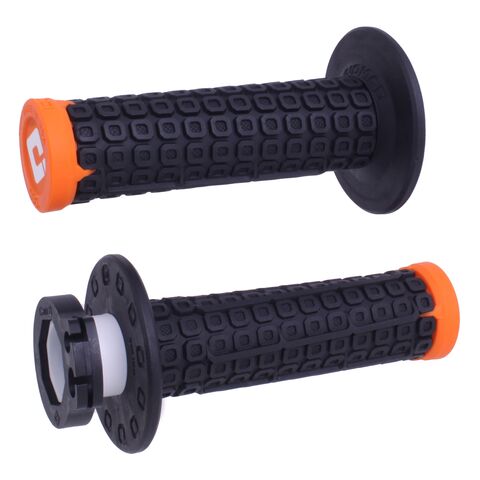
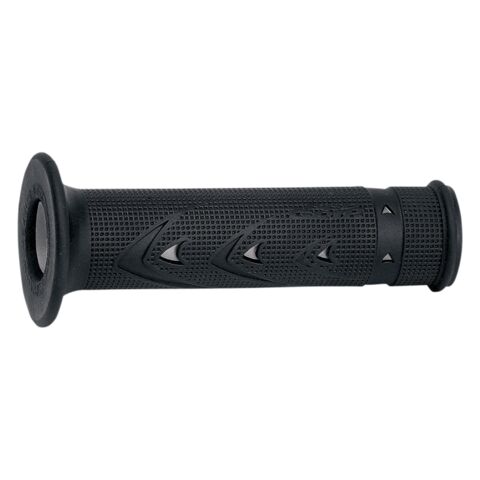
Enhance your mountain biking experience with our premium selection of MTB grips, designed for comfort and control on rugged trails. These grips are crafted from durable materials that provide excellent traction, ensuring a secure hold even in wet or muddy conditions. With various textures and designs, you can find the perfect grip that suits your riding style and preferences.

Our MTB grips are engineered to reduce hand fatigue during long rides, featuring ergonomic shapes that fit comfortably in your hands. Easy to install and compatible with most handlebars, these grips offer a personalized touch to your bike while improving overall handling and stability. Elevate your ride with grips that combine functionality and style for the ultimate mountain biking adventure.