
Motorcycle Valves
Filters
- Brand
- All Balls Racing (13)
- Bbr Motorsports (1)
- Bikemaster (1)
- Boyesen (23)
- Drag Specialties (1)
- Feuling (8)
- Fire Power (1)
- Hot Cams (4)
- Jims (5)
- Kibblewhite (1)
- Koso (1)
- Kuryakyn (1)
- Michelin Tires (2)
- Milwaukee Twins (1)
- Moose Racing (1)
- Motion Pro (2)
- Moto Tassinari (17)
- Pingel (1)
- Pro X (37)
- Puig (1)
- Race Tech (8)
- S&s Cycle (15)
- Sedona (1)
- Shindy (1)
- Twin Power (1)
- V Twin Mfg. (49)
- Works Connection (2)
- Zeta (1)
- Colors
- Size
- +.030 Oversize (1)
- +0.050 (1)
- 100/100-18 3.50/4.00-18 (1)
- 100/100-18 3.75/4.25-18 (1)
- 100/100-19 3.25/4.00-19 MM90-19 (1)
- 100/90-17 3.50/4.00-17 (1)
- 100/90-19 3.00/3.50-19 MH90-19 (1)
- 110/100-18 3.50/4.00-18 (1)
- 110/100-18 3.50/4.00-18 Heavy Duty (1)
- 110/100-18 3.75/4.25-18 (1)
- 110/100-19 3.60/4.10-19 (1)
- 110/90-19 3.50/4.00-19 MJ90-19 (1)
- 110/90-19 3.75/4.25-19 MJ90-19 (1)
- 11mm (2)
- 120/100-18 4.25/5.10-18 (1)
- 120/70-16 3.50/4.00-16 MN90-16 (1)
- 120/80-10 4.00/4.50-10 (1)
- 120/80-16 4.00/4.60-16 MR90-16 (1)
- 120/80-19 4.25/5.10-19 (1)
- 120/90-18 4.00/4.50-18 (1)
- 120/90-18 4.25/5.10-18 (1)
- 120/90-19 3.60/4.10-19 (1)
- 130/70-19 5.00/5.30-19 (1)
- 130/90-16 5.00/5.10-16 MT90-16 (1)
- 140/70-17 5.00/5.30-17 (1)
- 140/70-18 5.00/5.10-18 (1)
- 140/90-15 5.00/5.50-15 MT90-15 (1)
- 150/90-16 6.00-16 MU90-16 (1)
- 16 (1)
- 160/70-17 4.50/5.30-17 (2)
- 170/80-15 5.50/6.25-15 (1)
- 180/55-18 7.00/8.00-18 (1)
- 180/65-16 6.75/7.25-16 (1)
- 180/70-17 5.10/6.10-17 (1)
- 200/60-16 7.50/8.00-16 (1)
- 38mm (1)
- 4 (1)
- 5 (1)
- 70/100-17 2.25/2.50-17 Heavy Duty (1)
- 70/100-19 2.75/3.00-19 (1)
- 70/100-19 2.75/3.10-19 Heavy Duty (1)
- 8.3mm (1)
- 8.90mm OD (1)
- 80/100-21 2.75/3.00-21 MH90-21 (1)
- 80/90-16 2.75/3.00-16 MH90-16 (1)
- 80/90-19 2.75/3.00-19 (1)
- 90/100-14 3.25/3.50-14 Heavy Duty (1)
- 90/100-16 3.25/3.50-16 Heavy Duty (1)
- 90/100-16 3.25/3.50-16 MM90-16 (1)
- 90/100-16 3.25/3.50-16 MN90-16 (1)
- 90/90-17 3.25/3.50-17 (1)
- 90/90-18 3.25/3.50-18 (1)
- 90/90-19 3.00/3.25-19 MH90-19 (1)
- 90/90-21 2.75-21 (1)
- 90/90-21 3.25/3.50-21 MH90-21 (1)
- 90/90-21 3.25/3.50-21 MH90-21 Heavy Duty (1)
- OS (186)
- Smm (1)
- Standard (1)
- Shop By
- Price Range


















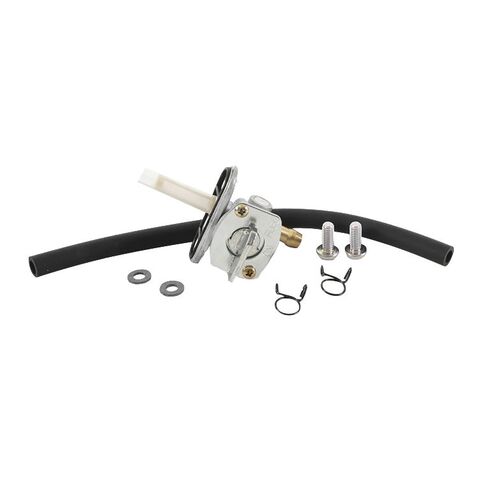
Similar Categories
Motorcycle Valves
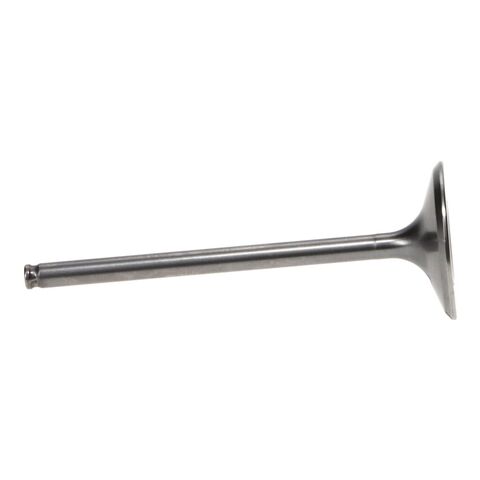
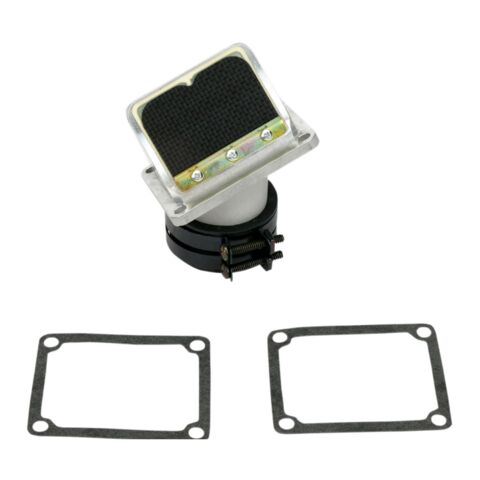
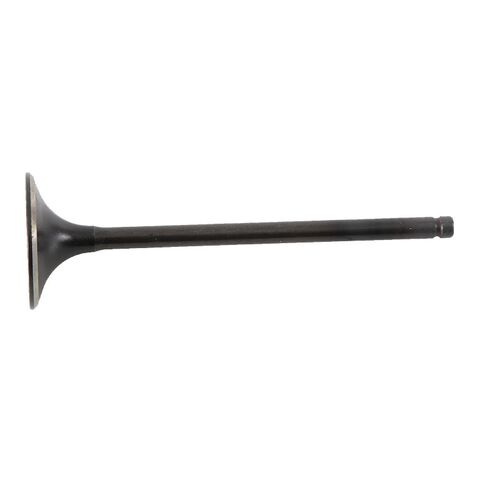
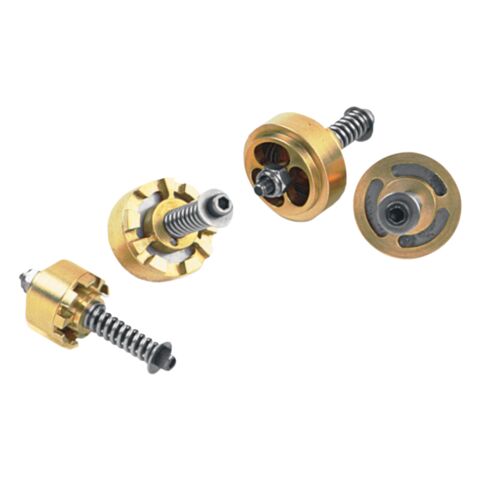
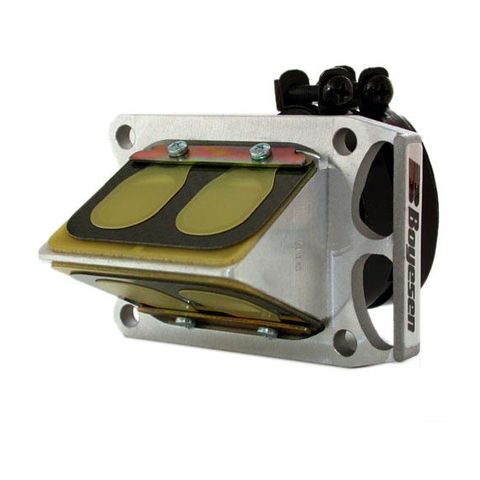
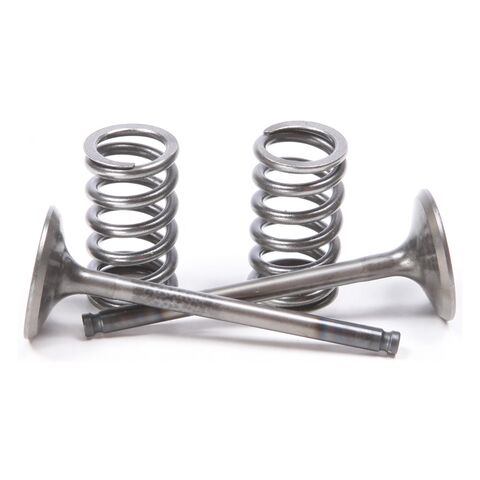
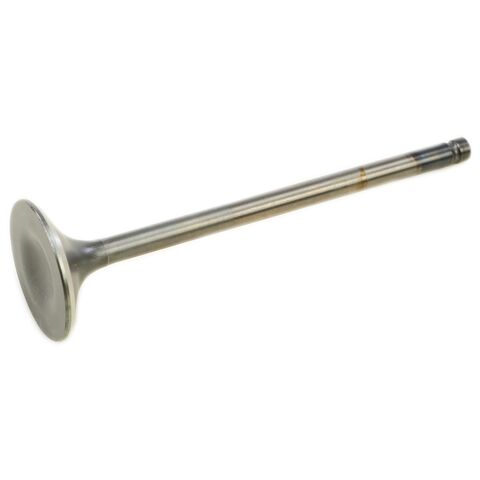
Motorcycle valves play a critical role in your engine's performance, controlling the flow of air and fuel into the combustion chamber while allowing exhaust gases to escape. Our selection of high-quality valves is designed to meet the rigorous demands of various motorcycle engines, ensuring optimal efficiency and power delivery. Crafted from durable materials, these valves are built to withstand extreme temperatures and pressures, providing reliable performance for both street and off-road applications.
Whether you're performing routine maintenance or a complete engine rebuild, our range of motorcycle valves offers precision engineering and a perfect fit for your bike. With options available for different engine types and configurations, you can trust that our valves will enhance your motorcycle's overall performance and longevity. Upgrade your ride with our dependable motorcycle valves and experience the difference in power and responsiveness.