Motor Vehicle Differentials
Filters
On this page...
- What is the purpose of motor vehicle differentials?
- How do differentials work in vehicles?
- What are the different types of motor vehicle differentials?
- What materials are commonly used in differentials?
- How often should differential fluid be changed?
- Can differentials be used in various weather conditions?
- What should you look for when selecting differential oil?
- Are there specific differentials for off-road vehicles?
- What role do seals play in the differential system?
Frequently Asked Questions For Motor Vehicle Differentials
Motor vehicle differentials are crucial components that allow wheels to rotate at different speeds, especially when turning. This helps maintain traction and stability, improving handling and safety. They are essential for vehicles that navigate corners, as they prevent tire wear and enhance overall performance.
Differentials work by using a set of gears to distribute power from the engine to the wheels. When a vehicle turns, the outside wheels travel a greater distance than the inside wheels, and the differential allows for this difference in speed. This mechanism ensures that all wheels receive the appropriate amount of torque for optimal performance.
There are several types of motor vehicle differentials, including open, limited-slip, and locking differentials. Open differentials are the most common and allow for free wheel rotation. Limited-slip differentials provide better traction by transferring power to the wheel with more grip, while locking differentials can be engaged to ensure both wheels turn at the same speed for off-road conditions.
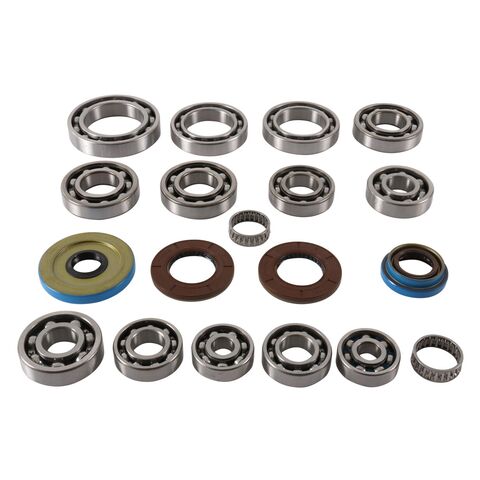
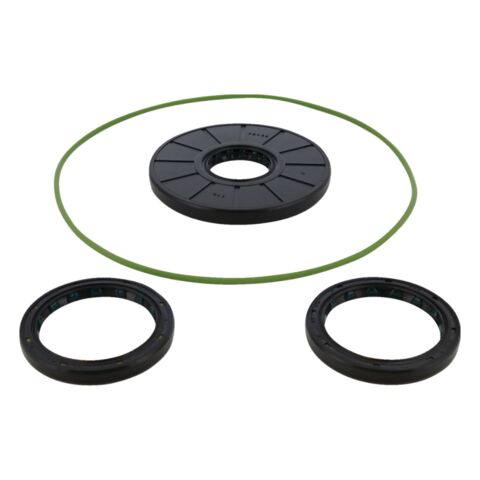
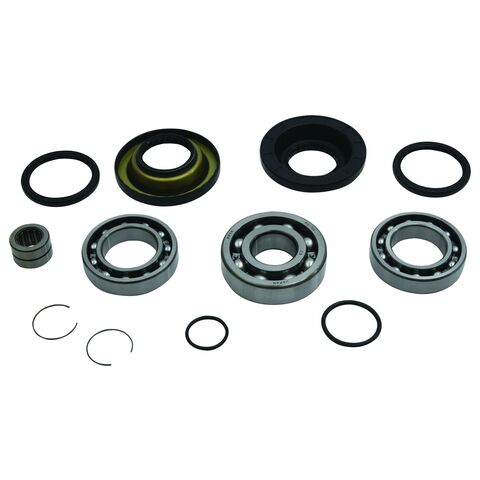
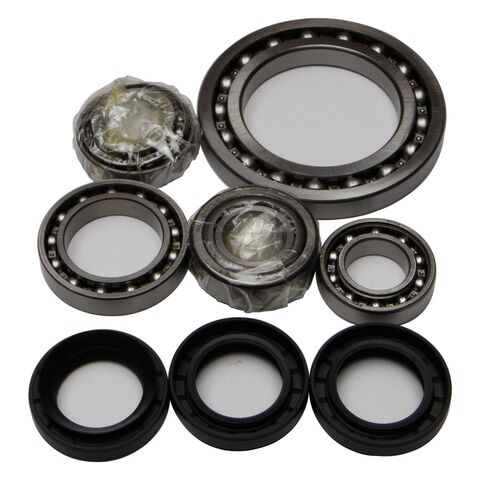
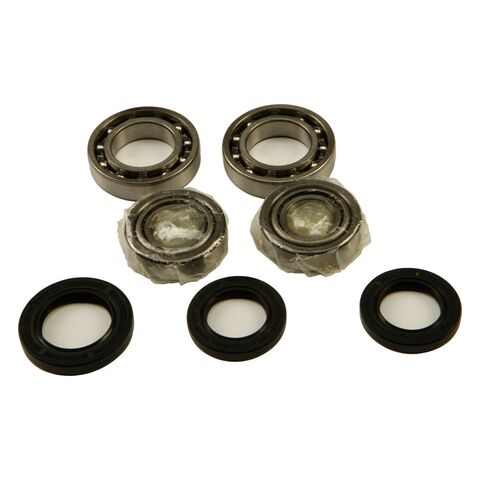
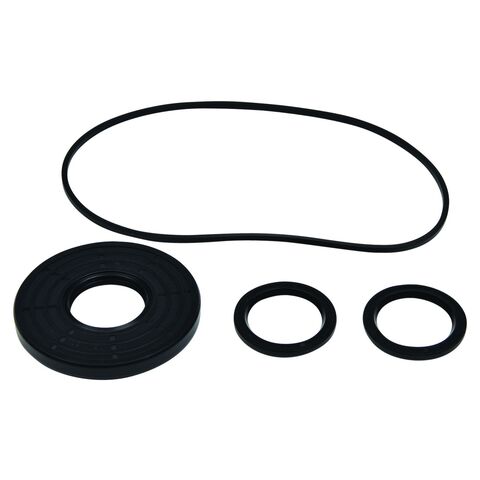
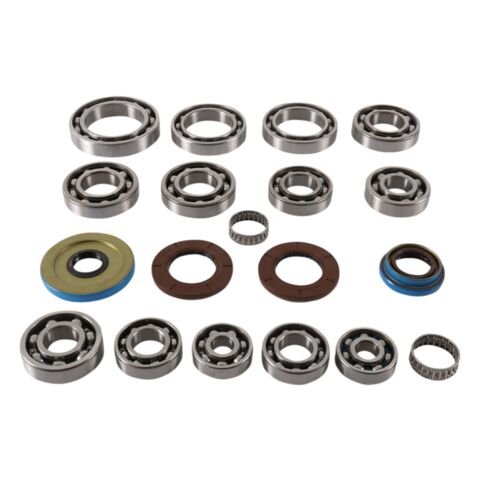
Differentials are typically made from durable materials such as steel and aluminum to withstand the stresses of driving. The gears inside are often treated to enhance strength and reduce wear. Seals and bearings are also important components, often made from rubber or synthetic materials to ensure a tight fit and prevent leaks.
Differential fluid should generally be changed every 30,000 to 60,000 miles, but this can vary based on the vehicle and driving conditions. Regular maintenance is essential to ensure the differential operates smoothly and to prevent premature wear. It's important to consult your vehicle's manual for specific recommendations.
Yes, differentials are designed to function in a variety of weather conditions, including rain, snow, and mud. However, the type of differential can affect performance in these conditions. For example, limited-slip differentials can provide better traction in slippery situations compared to open differentials.
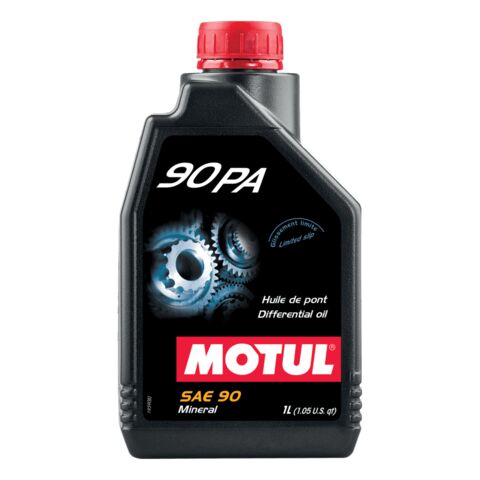
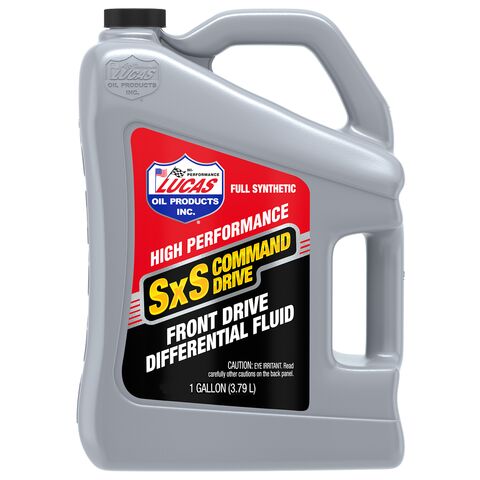
When selecting differential oil, consider the viscosity rating and whether it meets the specifications set by your vehicle manufacturer. Look for oils that provide good lubrication and protection against wear, especially if you drive in extreme conditions. Additionally, synthetic oils often offer better performance and longevity compared to conventional oils.
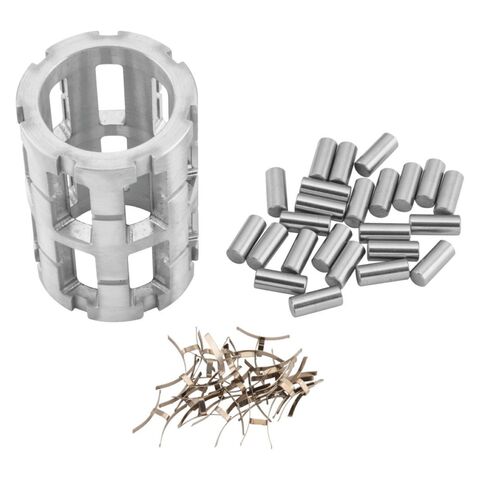
Yes, off-road vehicles often utilize specialized differentials designed for rugged terrain. These may include locking differentials that can be engaged to provide maximum traction in challenging conditions. Additionally, off-road differentials are typically built to withstand higher stresses and impacts compared to standard differentials.
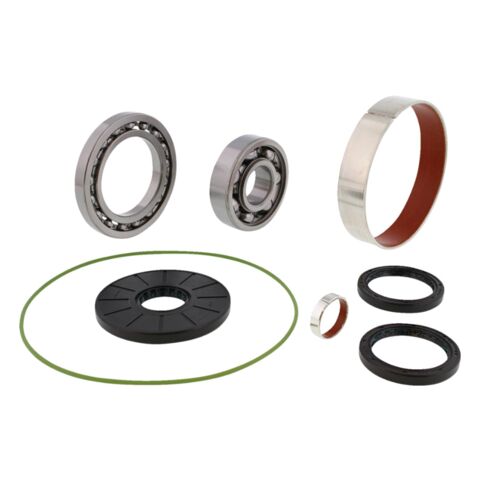
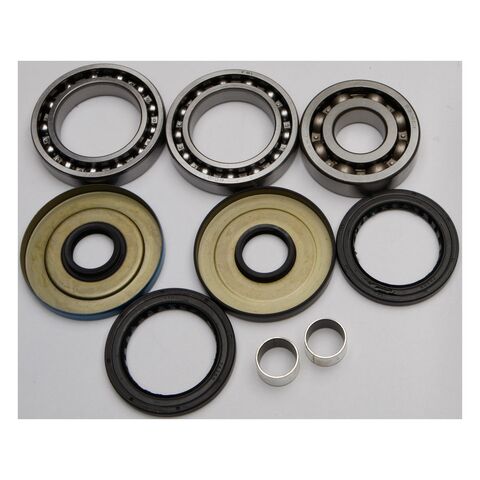
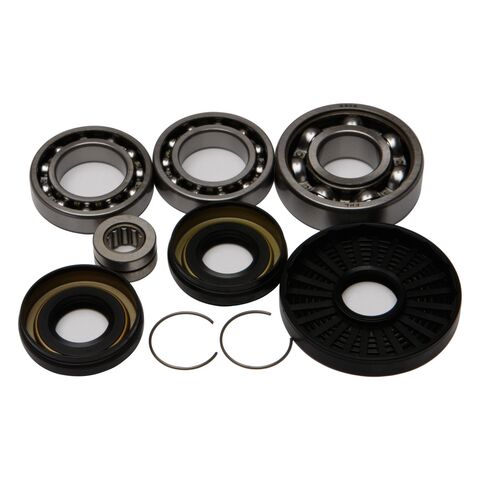
Seals are critical in the differential system as they prevent fluid leaks and keep contaminants out. Properly functioning seals ensure that the differential maintains the right amount of lubricant, which is essential for smooth operation and longevity. Regular inspection of seals can help prevent costly repairs due to fluid loss.
Similar Categories
Motor Vehicle Differentials
Explore our extensive range of motor vehicle differentials designed to enhance your vehicle's performance and durability. Our selection includes high-quality lubricants and seal kits that ensure optimal function and protection for your differential systems. These products are engineered to reduce friction, minimize wear, and provide superior protection against the elements, making them ideal for both on-road and off-road applications.
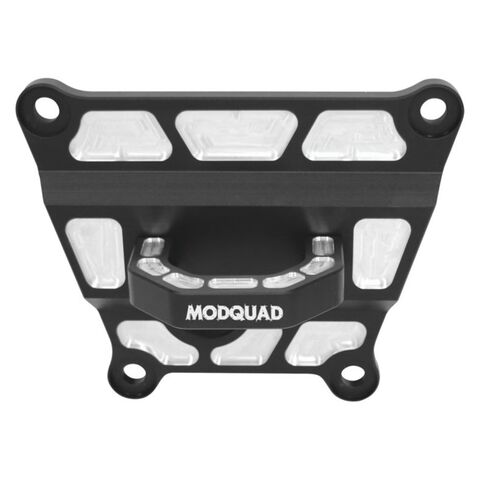
Whether you're maintaining an ATV, UTV, or other motor vehicles, our differential solutions are tailored to meet the specific needs of various models. With easy installation and reliable performance, our products help extend the lifespan of your differential components. Trust our offerings to keep your vehicle running smoothly and efficiently, no matter the terrain.