Motor Vehicle Alternators
On this page...
- What is the role of a motor vehicle alternator?
- How do I know if my vehicle's alternator is failing?
- What should I consider when choosing an alternator for my vehicle?
- Are there different types of alternators for various vehicles?
- Can I upgrade my vehicle's alternator for better performance?
- What materials are commonly used in alternators?
- How does weather affect alternator performance?
- What is the typical lifespan of a motor vehicle alternator?
- What are the common symptoms of a bad alternator?
Frequently Asked Questions For Motor Vehicle Alternators
A motor vehicle alternator is responsible for generating electrical power to charge the battery and power the electrical systems of the vehicle while the engine is running. It converts mechanical energy from the engine into electrical energy, ensuring that all electrical components, such as lights, radio, and ignition systems, function properly. Without a functioning alternator, a vehicle may experience electrical failures or battery depletion.
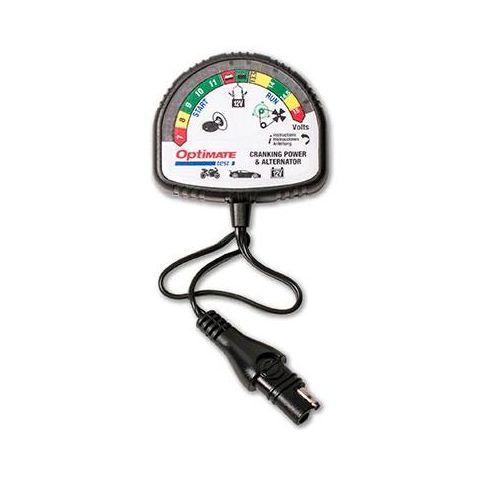
Signs of a failing alternator can include dimming headlights, electrical issues, unusual noises coming from the engine bay, and warning lights on the dashboard. Additionally, if the vehicle struggles to start or the battery frequently dies, it may indicate that the alternator is not charging the battery effectively. Regular testing of the alternator's output can help identify potential issues before they lead to failure.
When selecting an alternator, consider the vehicle's electrical demands, compatibility with the engine, and the alternator's output rating. It's important to choose an alternator that meets or exceeds the power requirements of your vehicle's electrical systems. Additionally, consider factors such as durability, warranty, and whether the alternator is designed for specific riding conditions or applications.
Yes, alternators come in various types designed for different vehicle applications, including standard alternators, high-output alternators, and those specifically engineered for performance or heavy-duty use. The type of alternator needed can depend on the vehicle's make, model, and electrical system requirements. It's essential to select an alternator that is compatible with your specific vehicle to ensure optimal performance.
Upgrading to a higher-output alternator can improve performance, especially if you have added electrical accessories or modifications that increase the demand for power. A more powerful alternator can provide additional current to support these upgrades, ensuring that all electrical components function effectively. However, it's crucial to ensure that the upgraded alternator is compatible with your vehicle's electrical system.
Alternators are typically constructed using durable materials such as aluminum for the housing, copper for the windings, and various types of plastics for insulation. The choice of materials can affect the alternator's weight, efficiency, and heat dissipation. High-quality materials can enhance the longevity and reliability of the alternator, making it better suited for demanding riding conditions.
Weather conditions can impact alternator performance, particularly in extreme temperatures. Cold weather can reduce battery efficiency and increase the load on the alternator, while excessive heat can lead to overheating and potential failure. It's important to ensure that the alternator is rated for the specific environmental conditions in which the vehicle will be operated to maintain optimal performance.
The lifespan of a motor vehicle alternator can vary widely depending on factors such as usage, maintenance, and environmental conditions. On average, alternators can last anywhere from 70,000 to 150,000 miles. Regular inspections and addressing any electrical issues promptly can help extend the life of the alternator.
Common symptoms of a bad alternator include dim or flickering lights, a dead battery, strange noises from the engine compartment, and warning lights on the dashboard. Additionally, if the vehicle experiences electrical failures or has difficulty starting, these may also indicate alternator issues. Recognizing these symptoms early can help prevent further electrical problems.
Similar Categories
Motor Vehicle Alternators
Ensure your vehicle's electrical system runs smoothly with our extensive selection of motor vehicle alternators. Designed to provide reliable power generation, these alternators are built to meet the demands of various engine types and sizes. With features such as high efficiency and durability, our alternators help maintain optimal battery performance and support all electrical components in your vehicle.
Our range includes both standard and performance alternators, catering to a variety of applications. Each unit is engineered for easy installation and long-lasting reliability, ensuring your vehicle remains on the road without electrical issues. Upgrade your vehicle's charging system with our high-quality alternators, designed to deliver consistent performance and peace of mind.