Mineral Engine Oil
Filters
On this page...
- What are the benefits of using mineral engine oil?
- How do you choose the right mineral engine oil for your vehicle?
- Are mineral engine oils suitable for high-performance engines?
- What should you look for in mineral engine oil?
- Can mineral engine oil be used in cold weather?
- How often should you change mineral engine oil?
- Are there any disadvantages to using mineral engine oil?
- Can mineral engine oil be mixed with synthetic oil?
- What types of engines benefit most from mineral engine oil?
Frequently Asked Questions For Mineral Engine Oil
Mineral engine oil is derived from refining crude oil and offers good lubrication properties for various engine types. It is often more affordable than synthetic oils and can provide adequate protection for older engines or those with simpler designs. Additionally, mineral oils can help maintain engine cleanliness and reduce wear during regular use.
Choosing the right mineral engine oil involves considering your vehicle's engine type, manufacturer specifications, and the climate in which you operate. It's important to check the viscosity rating recommended in your owner's manual, as well as any certifications that ensure the oil meets industry standards. Additionally, consider the oil's performance characteristics based on your driving habits, such as commuting or off-road use.
Mineral engine oils can be used in high-performance engines, but they may not provide the same level of protection and performance as synthetic oils. High-performance engines often generate more heat and require oils that can withstand extreme conditions, which is where synthetic options may excel. However, for standard performance applications, mineral oils can still be effective if they meet the necessary specifications.
When selecting mineral engine oil, look for the viscosity grade that matches your engine's requirements, as well as any relevant certifications like API or ACEA. Additionally, consider the oil's additives, which can enhance performance by improving oxidation stability, reducing wear, and preventing sludge buildup. It's also beneficial to choose oils that are specifically formulated for your engine type, whether it's for motorcycles, cars, or marine applications.
Mineral engine oil can be used in cold weather, but it's crucial to select the appropriate viscosity grade to ensure optimal performance. Thinner oils, indicated by lower viscosity numbers, flow better in cold temperatures, providing better lubrication during startup. Always refer to your vehicle's manual for recommendations on oil viscosity in cold climates to avoid potential issues.
The frequency of changing mineral engine oil typically depends on the manufacturer's recommendations, driving conditions, and the type of oil used. Generally, it's advisable to change mineral oil every 3,000 to 5,000 miles, especially if driving in harsh conditions or with frequent short trips. Regular oil changes help maintain engine performance and longevity by ensuring that contaminants do not accumulate.
One disadvantage of mineral engine oil is that it may not provide the same level of protection as synthetic oils, particularly in extreme temperatures or high-stress conditions. Mineral oils can also break down more quickly, leading to more frequent oil changes. Additionally, they may not offer the same fuel efficiency benefits that some synthetic oils provide.
While it is technically possible to mix mineral engine oil with synthetic oil, it is generally not recommended. Mixing different types of oil can lead to reduced performance and may negate the benefits of the synthetic oil. If you need to top off your oil, it's best to use the same type and brand to ensure compatibility and maintain optimal engine performance.
Mineral engine oil is particularly beneficial for older engines or those with simpler designs that do not require the advanced properties of synthetic oils. It is also suitable for engines that operate under normal driving conditions and do not experience extreme temperatures or heavy loads. Additionally, mineral oils can be a cost-effective choice for everyday vehicles and light-duty applications.
Similar Categories
Mineral Engine Oil
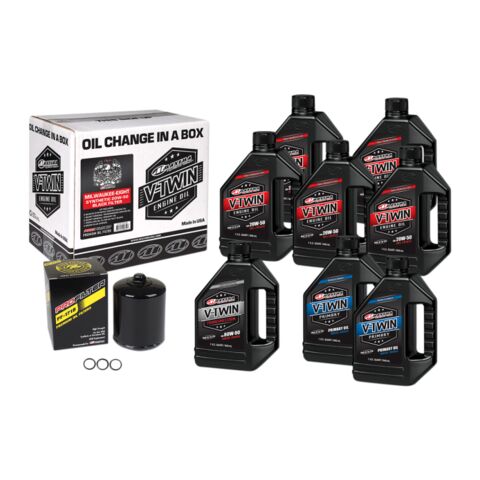
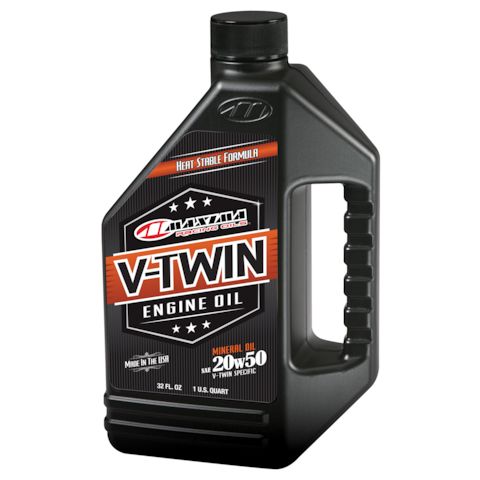
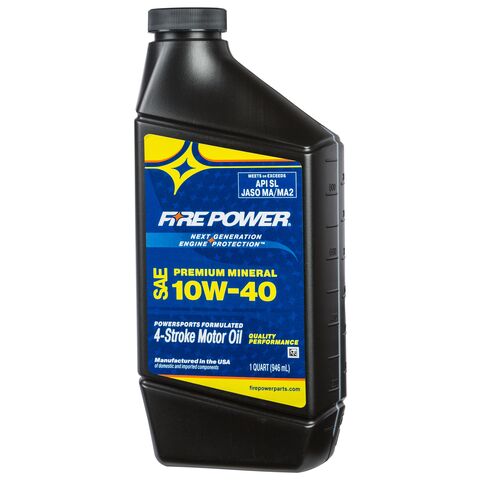
Mineral engine oil is a reliable choice for motorcycle enthusiasts seeking traditional lubrication solutions. Formulated from refined crude oil, this type of engine oil provides essential protection and performance for a variety of motorcycle engines. Its natural properties help reduce friction and wear, ensuring your engine operates smoothly and efficiently, making it ideal for everyday riding and classic motorcycles.
Our selection of mineral engine oils is designed to meet the specific needs of your bike, offering excellent thermal stability and protection against deposits. With a balanced viscosity, these oils maintain performance across a range of temperatures, ensuring your engine remains well-lubricated in various riding conditions. Choose mineral engine oil for a dependable and cost-effective solution to keep your motorcycle running at its best.