
Lock Wire
Filters
On this page...
- What is lock wire and how is it used?
- What are the benefits of using lock wire?
- How do you choose the right lock wire for your needs?
- Can lock wire be used in different weather conditions?
- What should you look for in a quality lock wire?
- Are there different types of lock wire available?
- How do you properly install lock wire?
- Can lock wire be reused, or is it a one-time use product?
Frequently Asked Questions For Lock Wire
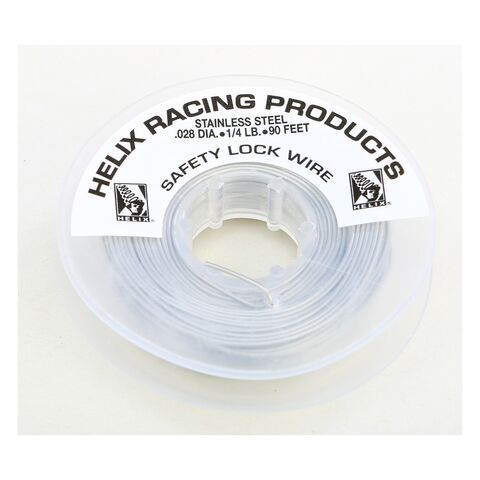
Lock wire is a type of safety wire used to secure fasteners and prevent them from loosening due to vibration or movement. It is commonly used in various mechanical applications, including motorcycles and aviation, to ensure that critical components remain tightly fastened. The wire is typically made from stainless steel or other durable materials to withstand harsh conditions.
Using lock wire provides an additional layer of security for fasteners, reducing the risk of components loosening during operation. It is particularly useful in high-vibration environments, such as motorcycles, where traditional fastening methods may fail. Lock wire also helps in maintaining the integrity of critical systems, enhancing overall safety.
When choosing lock wire, consider factors such as the diameter of the wire, the material it is made from, and the specific application it will be used for. Thicker wire may provide more strength, while lighter wire can be easier to work with. Additionally, ensure that the wire is compatible with the fasteners and can withstand the environmental conditions of your riding situation.
Yes, lock wire can be used in various weather conditions, but it's important to select a material that is resistant to corrosion, such as stainless steel. This ensures that the wire maintains its integrity and effectiveness even in wet or humid environments. Proper installation is also key to ensuring that it performs well regardless of the weather.
When selecting lock wire, look for high-quality materials that offer durability and resistance to corrosion. The wire should also have a consistent diameter for reliable performance. Additionally, consider the ease of installation and whether the wire meets any relevant safety standards for your specific application.
Yes, there are various types of lock wire available, including different materials and thicknesses. Common materials include stainless steel, copper, and titanium, each offering unique properties suitable for different applications. The choice of type will depend on the specific requirements of the project and the environment in which it will be used.
Proper installation of lock wire involves threading the wire through the fastener and twisting it securely to prevent loosening. It's important to follow specific techniques, such as the 'double twist' method, to ensure that the wire holds firmly. Additionally, make sure to leave enough slack to allow for movement without compromising the security of the fastener.
Lock wire is generally considered a one-time use product because it can become weakened or damaged during installation or removal. Reusing lock wire may compromise its effectiveness, so it's recommended to use a new piece each time you secure a fastener. This ensures optimal performance and safety in your applications.
Similar Categories
Lock Wire
Lock wire is an essential component for securing fasteners and ensuring critical parts remain tightly in place during operation. Designed for high-performance applications, this durable wire provides a reliable solution for preventing loosening due to vibration and movement. Available in various gauges and materials, lock wire is suitable for a wide range of automotive, aerospace, and motorcycle applications.
Our selection of lock wire features excellent tensile strength and corrosion resistance, making it ideal for use in demanding environments. Easy to install, lock wire can be twisted and secured to create a dependable locking mechanism. Whether you're a professional mechanic or a DIY enthusiast, our lock wire options will help you maintain safety and reliability in your projects.


