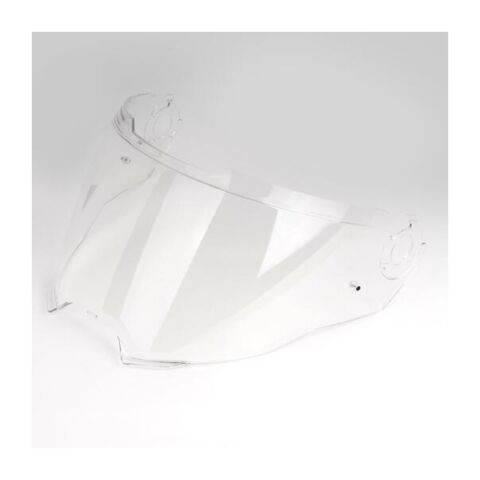
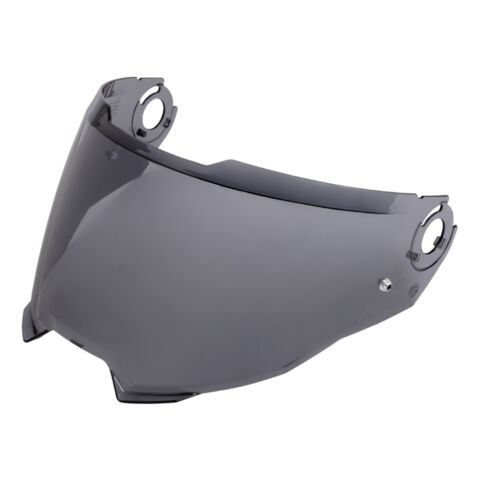
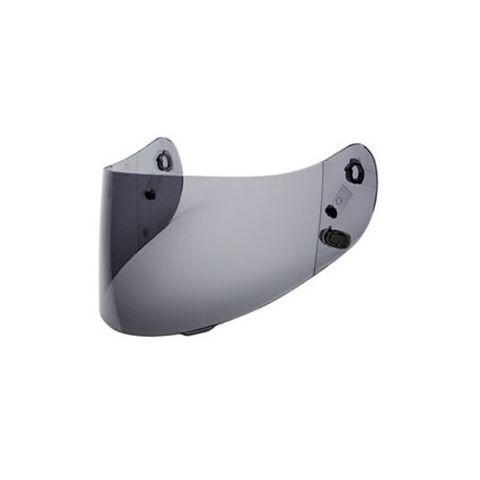
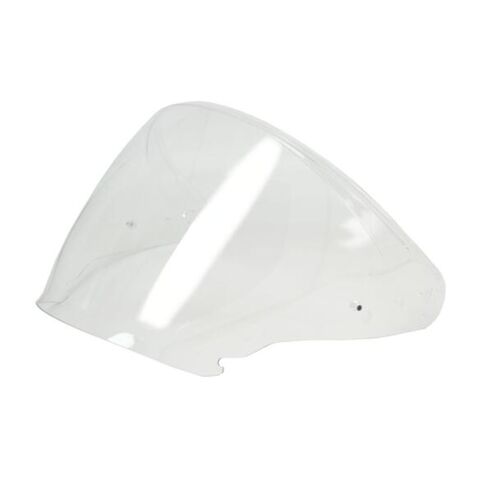
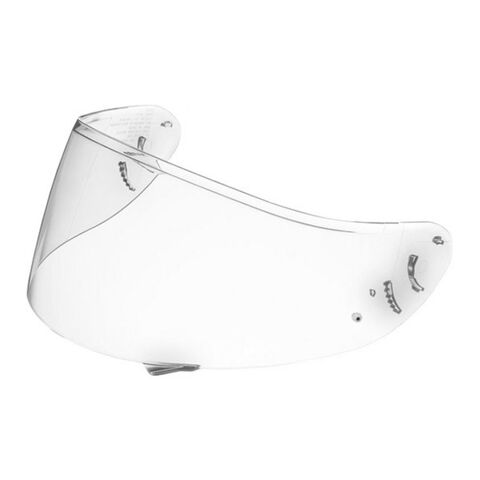
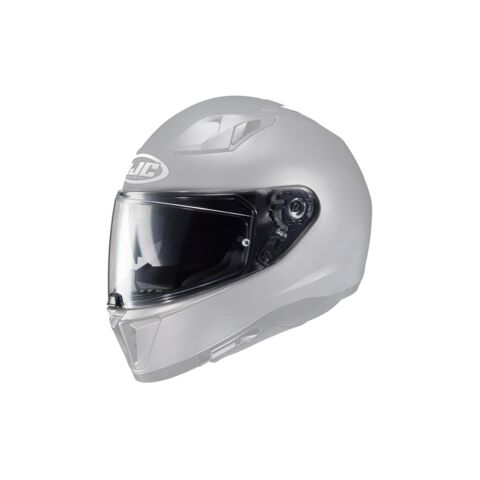
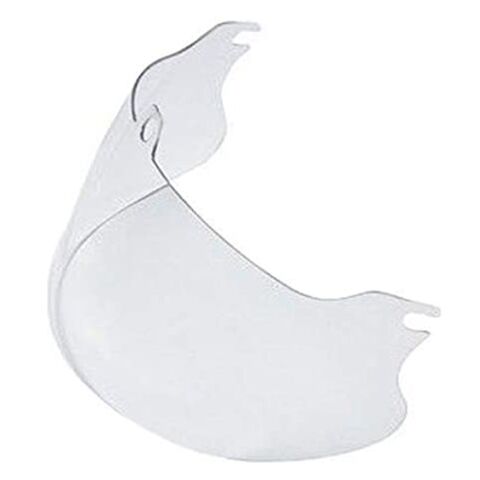
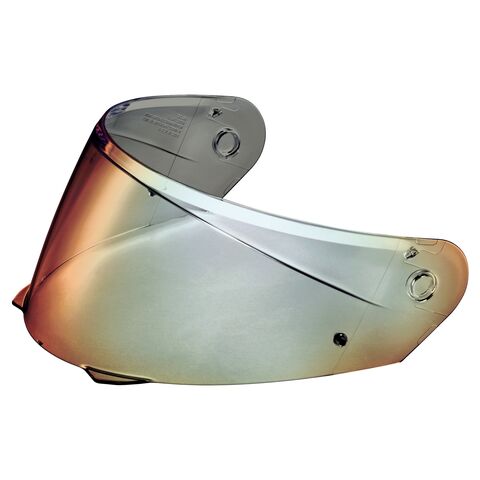
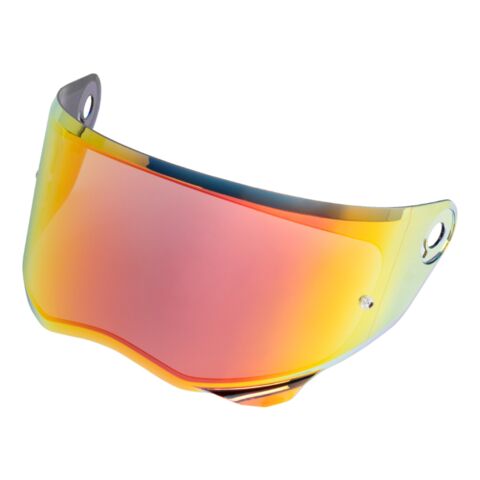
HJC CSR2 Helmet Shields
Filters
On this page...
- What are helmet shields and why are they important?
- How do I choose the right helmet shield for my riding needs?
- Are there different types of helmet shields available?
- Can helmet shields be used in various weather conditions?
- What materials are commonly used in helmet shields?
- Do helmet shields come with safety certifications?
- How do I maintain my helmet shield for optimal performance?
- What features should I look for in a helmet shield?
Frequently Asked Questions For HJC CSR2 Helmet Shields
Helmet shields are transparent visors that attach to motorcycle helmets, providing protection for the rider's face and eyes from wind, debris, and weather elements. They are crucial for maintaining visibility while riding and can enhance safety by preventing distractions. Additionally, some helmet shields offer features like anti-fog coatings or UV protection, which can improve the overall riding experience.
When selecting a helmet shield, consider factors such as the type of riding you'll be doing, the weather conditions you typically encounter, and any specific features you may need, like anti-fog or tinted options. It's also important to ensure that the shield is compatible with your helmet model. Look for shields that offer a good balance between visibility, protection, and comfort.
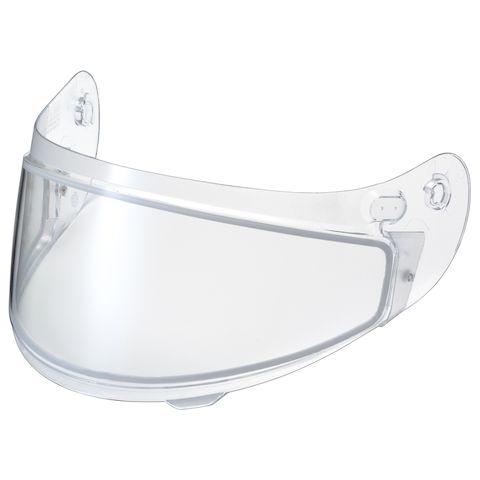
Yes, there are various types of helmet shields designed for different riding conditions and preferences. Some shields are designed to be anti-fog or scratch-resistant, while others may offer tinted options for bright sunlight. Additionally, dual-pane shields can provide better insulation against temperature changes, making them suitable for colder weather.
Many helmet shields are designed to perform well in a range of weather conditions, including rain, sun, and cold temperatures. However, it's essential to choose a shield that suits your specific riding environment. For instance, anti-fog shields are beneficial in humid or rainy conditions, while tinted shields can help reduce glare on sunny days.
Helmet shields are typically made from polycarbonate or other durable plastics, which provide a good balance of strength and clarity. Some higher-end shields may incorporate additional features like anti-scratch coatings or UV protection. The choice of material can affect the shield's weight, clarity, and overall durability.
While helmet shields themselves may not always carry specific safety certifications, they are often designed to meet the safety standards of the helmet they are used with. It's important to ensure that your helmet and shield combination complies with relevant safety standards, such as DOT or ECE, to ensure adequate protection while riding.
To maintain your helmet shield, regularly clean it with a soft cloth and a mild cleaner designed for visors to avoid scratches. Avoid using harsh chemicals or abrasive materials, as these can damage the shield. Additionally, store your helmet in a cool, dry place to prevent warping or degradation of the shield material.
When choosing a helmet shield, consider features such as anti-fog treatment, UV protection, and scratch resistance. Also, think about whether you need a clear or tinted shield based on your riding conditions. Compatibility with your helmet model is crucial, as well as ease of installation and removal.
Similar Categories
HJC CSR2 Helmet Shields
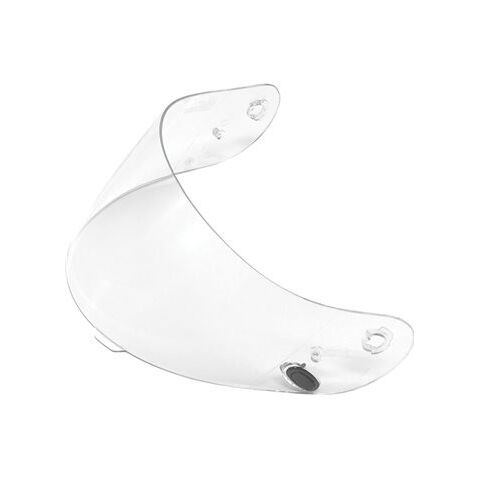
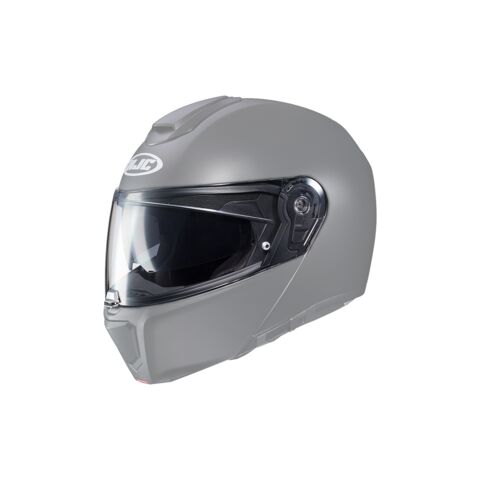
Enhance your riding experience with our premium selection of HJC CSR2 helmet shields, designed for optimal visibility and protection. These shields feature advanced anti-scratch and anti-fog coatings, ensuring clear vision in various weather conditions. With a snug fit and easy installation, they seamlessly integrate with your helmet, providing both safety and style on the road.
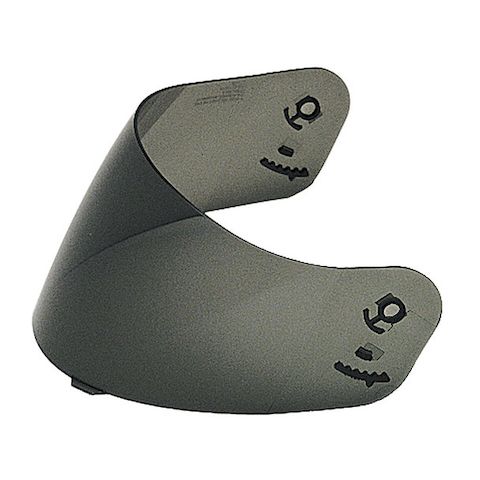
Our HJC CSR2 helmet shields are engineered to offer superior UV protection, shielding your eyes from harmful rays while you ride. Available in various tints and styles, these shields cater to your personal preferences and riding needs. Upgrade your helmet with our high-quality shields for an improved riding experience and enhanced safety.