
 Shop by Vehicle
 Track Order
 Contact Us
Free Shipping over $49.99
ZillaCash: $5 for every $100
Customer Service From Riders
Free Shipping over $49.99
ZillaCash: $5 for every $100
Customer Service From Riders
Free Shipping over $49.99
ZillaCash: $5 for every $100
Customer Service From Riders
Free Shipping over $49.99
ZillaCash: $5 for every $100
Customer Service From Riders
Free Shipping over $49.99
ZillaCash: $5 for every $100
Customer Service From Riders
Helmets For Cruiser Bikes
Filters
- Brand
- Agv Helmets (10)
- Airoh Helmets (9)
- Arai Helmets (6)
- Bell Helmets (16)
- Biltwell Apparel (17)
- Fly Racing Street (1)
- Fxr (1)
- Gmax Helmets (1)
- Hedon Helmets (9)
- Highway 21 (2)
- Hjc Helmets (61)
- Kabuto Helmets (9)
- Ls2 Helmets (13)
- Nexx Helmets (9)
- Principal Helmets (2)
- Schuberth Helmets (11)
- Sedici (5)
- Shoei Helmets (7)
- Simpson Helmets (10)
- Z1r Apparel (1)
- Colors
- Size
- Helmet Shape
- Helmet Type
- Helmet Family
- Agv K3 Helmets (6)
- Agv K6 S Helmets (3)
- Agv Streetmodular Helmets (1)
- Airoh Connor Helmets (6)
- Airoh Spark 2 Helmets (3)
- Arai Contour X Helmets (2)
- Arai Corsair X Helmets (4)
- Bell Broozer Helmets (1)
- Bell Custom 500 Helmets (3)
- Bell Eliminator Helmets (3)
- Bell Lithium Helmets (5)
- Bell Moto 3 Helmets (1)
- Bell Rogue Helmets (1)
- Bell Tx501 Helmet (2)
- Biltwell Bonanza Helmets (2)
- Biltwell Gringo Helmets (5)
- Biltwell Gringo S Helmets (5)
- Biltwell Gringo Sv Helmets (3)
- Biltwell Lane Splitter Helmets (2)
- Hedon Hedonist Helmets (2)
- Hedon Heroine Racer Helmet (5)
- Hedon Psilo Helmets (2)
- Hjc C10 Helmets (4)
- Hjc C50 Helmets (3)
- Hjc C70 Helmets (3)
- Hjc C71 Helmets (2)
- Hjc C91 Helmets (2)
- Hjc Cs 2n Helmets (1)
- Hjc F100 Helmets (1)
- Hjc F70 Helmets (2)
- Hjc F71 Helmets (5)
- Hjc I10 Helmets (1)
- Hjc I100 Helmets (2)
- Hjc I20 Helmets (1)
- Hjc I30 Helmets (1)
- Hjc I31 Helmets (1)
- Hjc I50 Helmets (2)
- Hjc I71 Helmets (4)
- Hjc I91 Helmets (3)
- Hjc Is Cruiser Helmets (1)
- Hjc Rpha 12n Helmets (5)
- Hjc Rpha 12n Helmets|hjc Rpha 12 Helmets (1)
- Hjc Rpha 31 Helmets (2)
- Hjc Rpha 91 Helmets (5)
- Hjc V10 Helmets (3)
- Hjc V31 Helmets (3)
- Hjc V60 Helmets (1)
- Kabuto Aeroblade F Mips Helmets (1)
- Kabuto F 17 Gp Mips Helmets (5)
- Kabuto Geosys Gt Mips Helmets (3)
- Ls2 Advant Helmets (1)
- Ls2 Advant X Carbon Helmets (4)
- Ls2 Advant X Helmets (1)
- Ls2 Copter Helmets (1)
- Ls2 Explorer Helmets (3)
- Ls2 Thunder Carbon Helmets (1)
- Nexx X.tr Helmets (4)
- Nexx X.vilitur Helmets (1)
- Nexx Xg100 Purist Helmets (1)
- Nexx Xg20 Helmets (1)
- Nexx Xg30 Helmets (2)
- Principal 950 Modular Helmets (1)
- Principal V80 Helmets (1)
- Schuberth C3 Pro Helmets (1)
- Schuberth C4 Pro Helmets (1)
- Schuberth C5 Helmets (5)
- Schuberth M1 Helmets|schuberth M1 Pro Helmets (1)
- Schuberth M1 Pro Helmets (1)
- Schuberth S3 Helmets (2)
- Sedici Pro Modular Helmets (1)
- Sedici Strada 3 Helmets (4)
- Shoei J Cruise 3 Helmet (1)
- Shoei Neotec 3 Helmets (3)
- Shoei Rf Sr2 Helmets (1)
- Shoei Rf1400 Helmets (1)
- Shoei X 15 Helmets (1)
- Simpson Ghost Bandit Helmets (2)
- Simpson Journey Bandit Helmets (1)
- Simpson M30 Helmets (5)
- Simpson Mod Bandit Helmets (1)
- Simpson Outlaw Bandit 3.0 Helmets (1)
- Shop By
- Gender
- Price Range













Similar Categories
Helmets for Cruiser Bikes
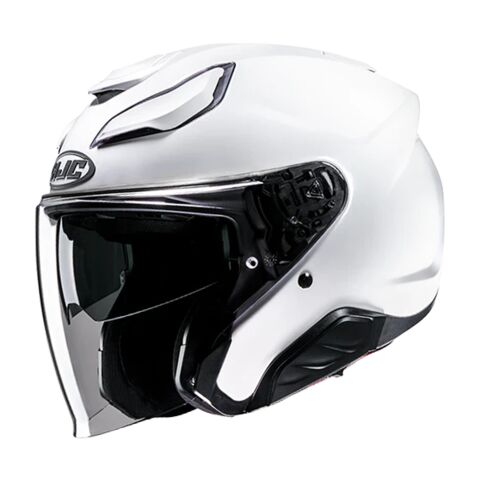
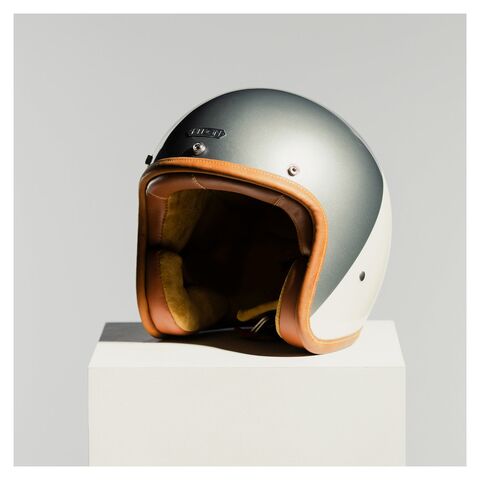
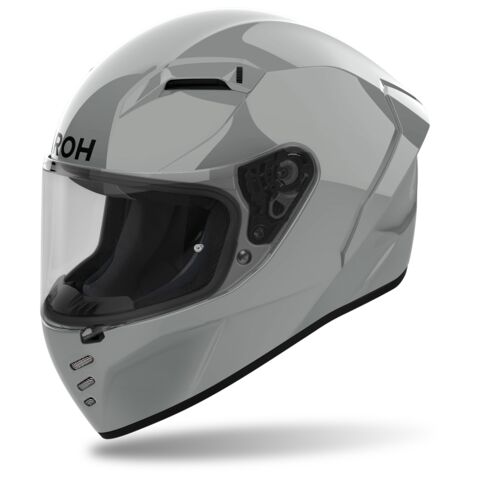
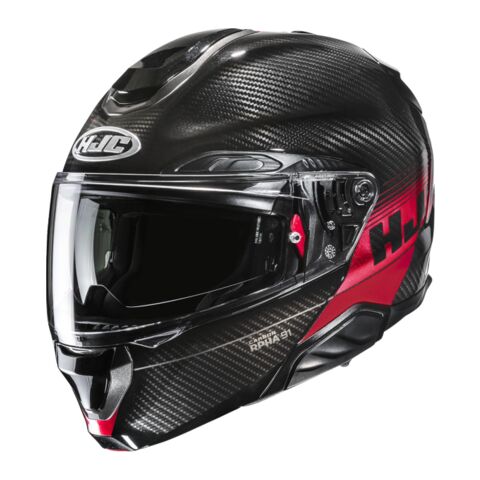
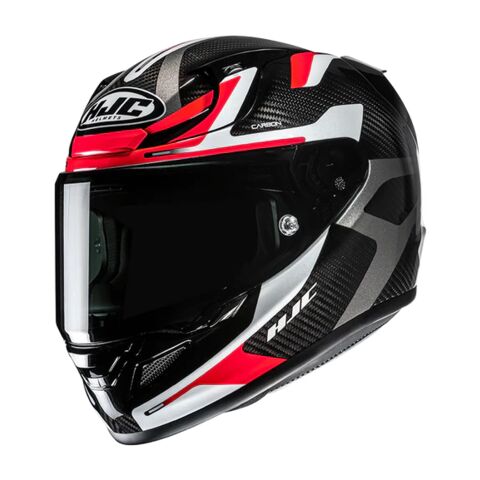
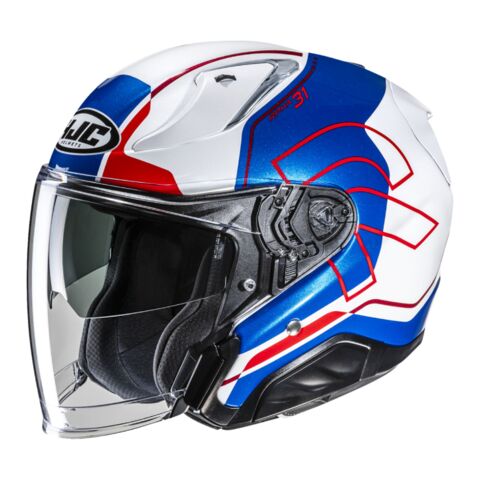
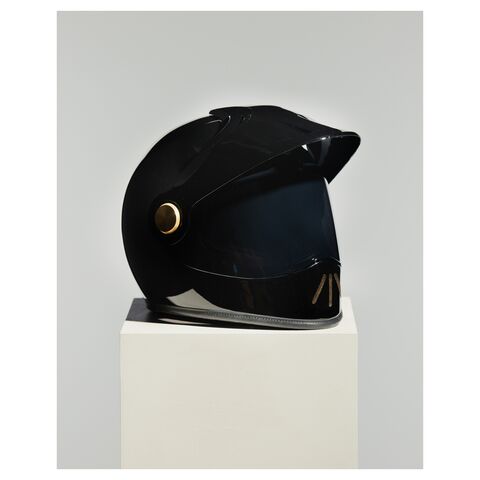
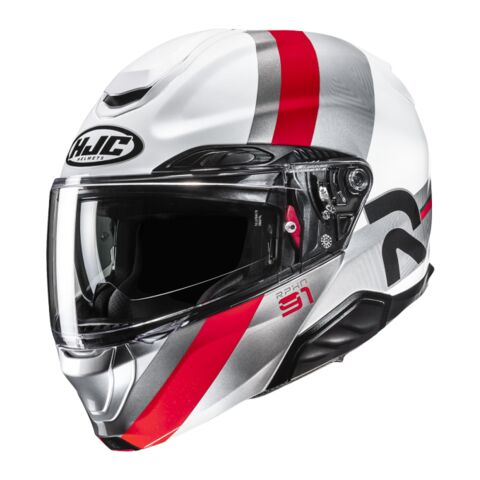
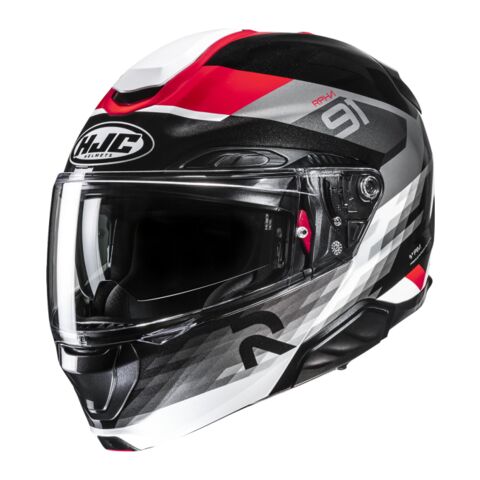
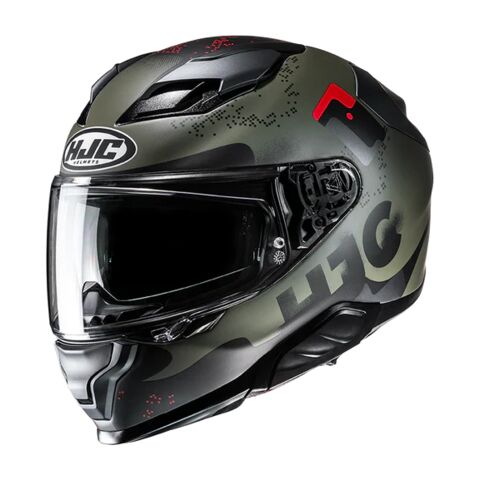
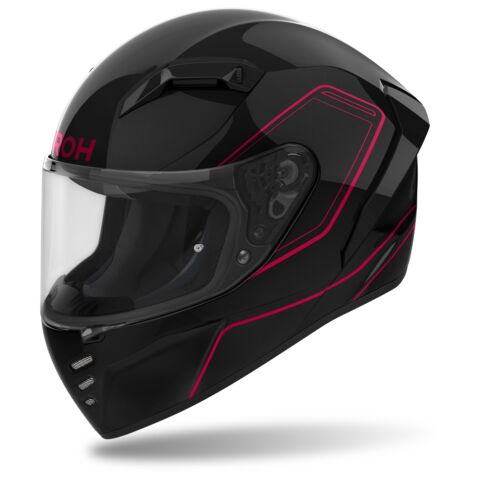
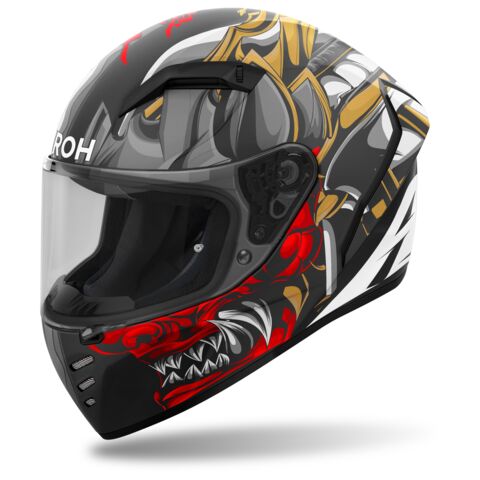
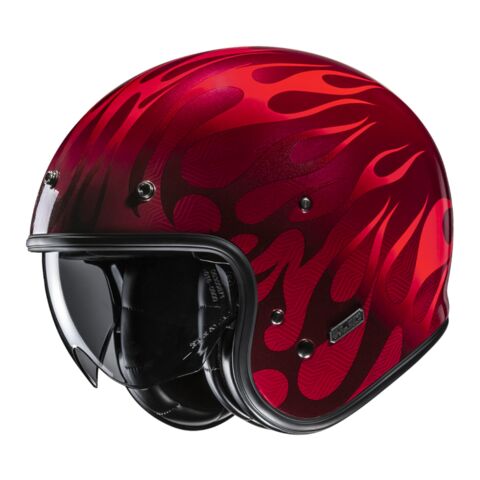
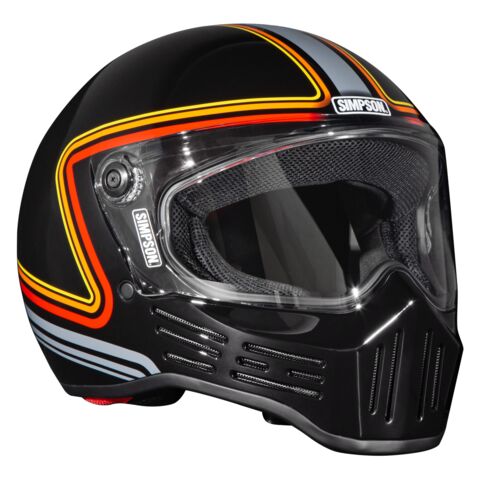
When it comes to cruising in style and safety, the right helmet is essential. Our collection of helmets for cruiser bikes combines classic aesthetics with modern safety features, ensuring you look great while staying protected on the road. Designed for comfort and durability, these helmets offer a snug fit and excellent ventilation, making long rides enjoyable.
Featuring lightweight materials and advanced impact resistance, our helmets provide peace of mind without compromising on style. Many models come with removable liners for easy cleaning and customization options to match your bike's look. Elevate your riding experience with a helmet that meets both your safety needs and personal style.