Commuter Bike Helmets
Filters
- Brand
- Colors
- Size
- Helmet Shape
- Helmet Type
- Helmet Family
- Agv K3 Helmets (2)
- Agv K6 S Helmets (7)
- Agv Streetmodular Helmets (3)
- Bell Broozer Helmets (1)
- Bell Lithium Helmets (5)
- Bell Qualifier Dlx Helmets (3)
- Hjc C20 Helmets (1)
- Hjc C91 Helmets (1)
- Hjc I30 Helmets (2)
- Hjc I91 Helmets (3)
- Hjc Rpha 31 Helmets (1)
- Ls2 Copter Helmets (1)
- Nexx Sx100 Helmets (1)
- Nexx X.wed2 Helmets (2)
- Nexx Y.10 Helmets (2)
- Nolan N40 Helmets (1)
- Schuberth M1 Pro Helmets (1)
- Shark Skwal 2 Helmets (3)
- Shop By
- Price Range
On this page...
- What are the key features to look for in commuter bike helmets?
- Are commuter bike helmets suitable for different weather conditions?
- What safety certifications should I look for in a commuter bike helmet?
- How do I know if a commuter bike helmet fits properly?
- Can I use a commuter bike helmet for other types of cycling?
- What materials are commonly used in commuter bike helmets?
- Are there specific styles of commuter bike helmets?
- What should I consider when choosing a commuter bike helmet for daily use?
- How often should I replace my commuter bike helmet?
Frequently Asked Questions For Commuter Bike Helmets
When selecting a commuter bike helmet, consider features such as ventilation, weight, and fit. A well-ventilated helmet will keep you cool during your ride, while a lightweight design ensures comfort over longer distances. Additionally, a secure and adjustable fit is crucial for safety and stability, especially in urban environments.
Commuter bike helmets are designed to be versatile and can be suitable for various weather conditions. Many models feature ventilation systems that help with airflow in warm weather, while some may have removable liners for colder days. However, it’s important to choose a helmet that fits well and provides adequate coverage for your specific riding environment.
When choosing a commuter bike helmet, look for safety certifications such as DOT, ECE, or Snell. These certifications indicate that the helmet has undergone rigorous testing to meet safety standards. Additionally, helmets with integrated safety features like MIPS (Multi-directional Impact Protection System) can offer enhanced protection against rotational forces during an impact.
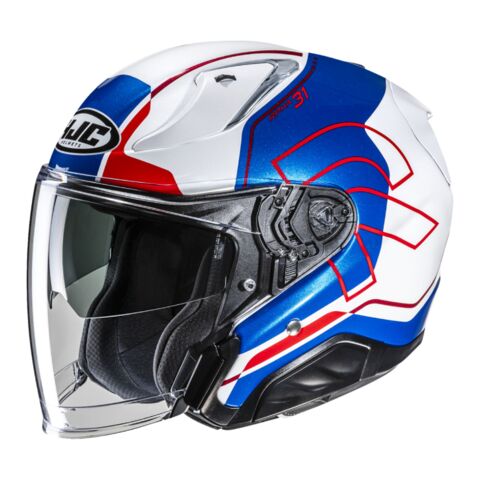
A properly fitting commuter bike helmet should feel snug but not overly tight, with no significant gaps between the helmet and your head. The front of the helmet should sit just above your eyebrows, and the straps should form a 'V' shape under your ears. It's important to adjust the retention system for a secure fit that stays in place while riding.
Yes, commuter bike helmets can often be used for other types of cycling, including recreational riding and light mountain biking. However, it's important to consider the specific features and design of the helmet, as some may be optimized for urban commuting while others may offer additional protection for off-road conditions.
Commuter bike helmets are typically made from materials such as polycarbonate or fiberglass for the outer shell, which provides durability and impact resistance. The inner foam layer is often made from expanded polystyrene (EPS) to absorb shock during an impact. Some helmets may also feature moisture-wicking liners for added comfort during rides.
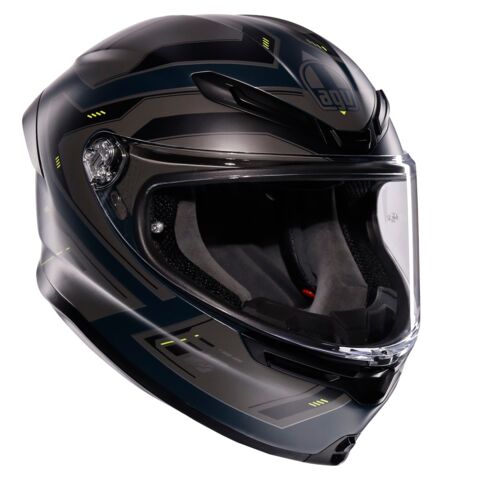
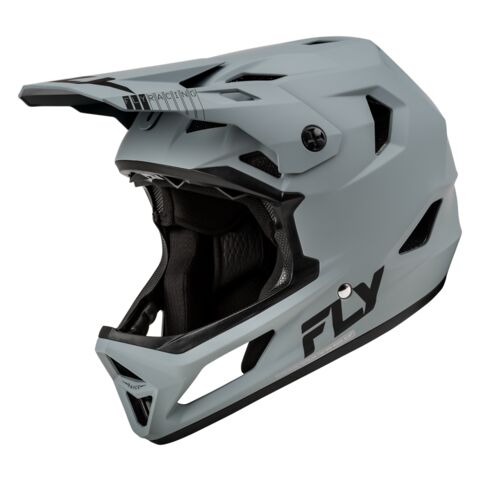
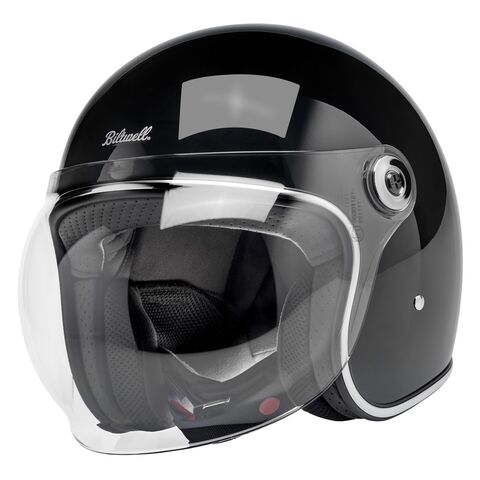
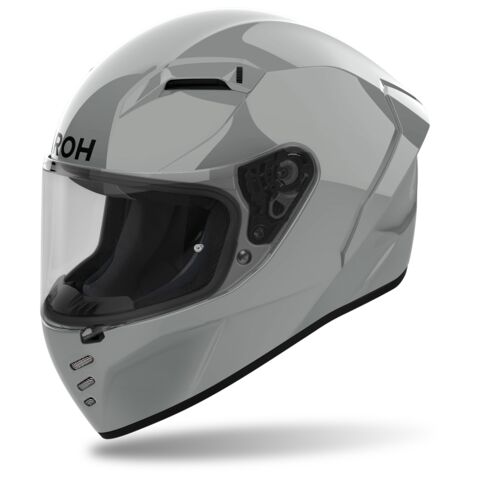
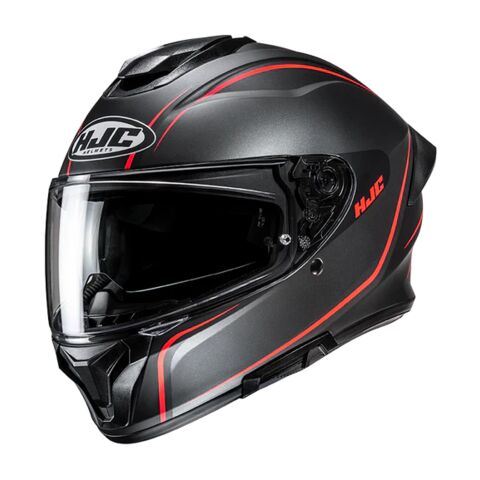
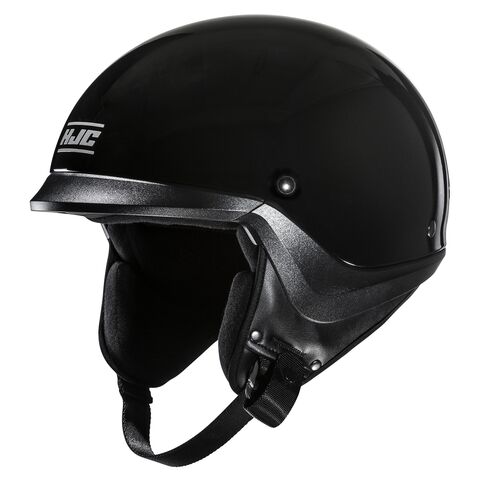
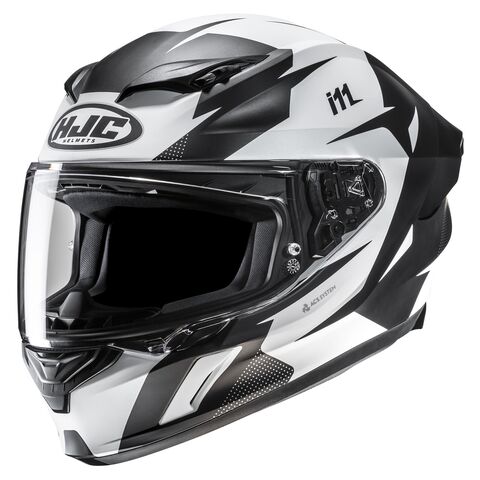
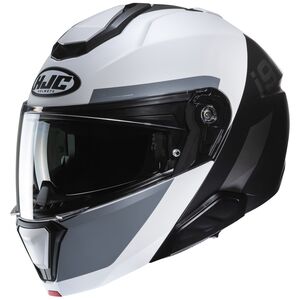
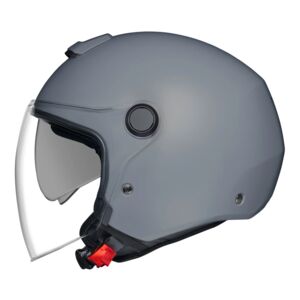
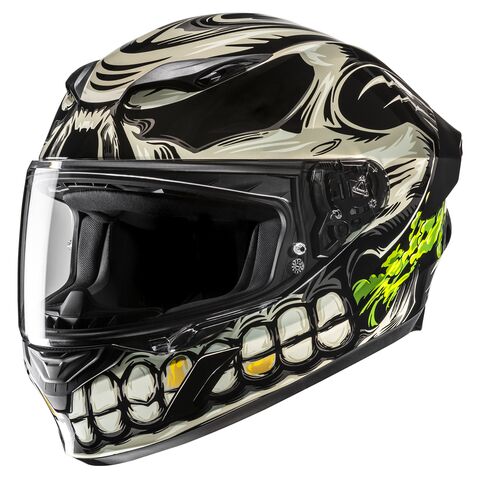
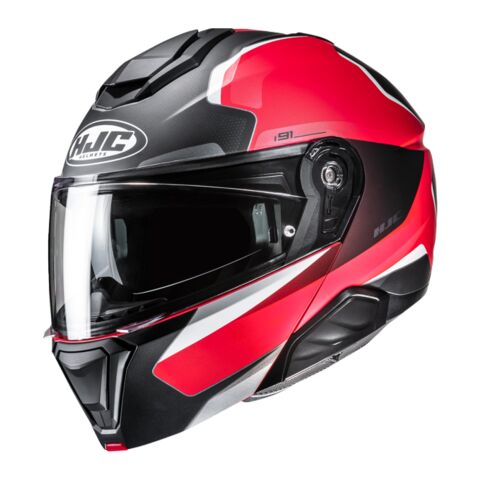
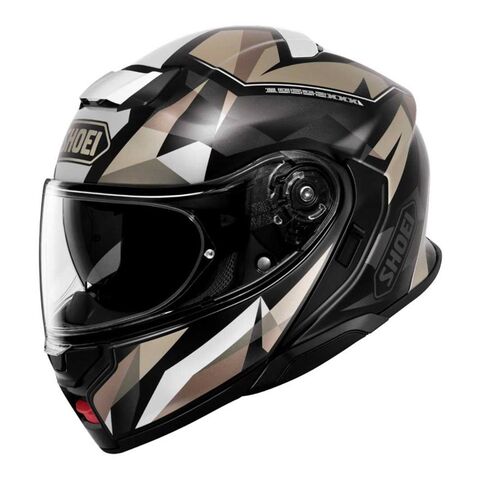
Commuter bike helmets come in various styles, including traditional, full-face, and modular designs. Traditional helmets offer a simple, lightweight option, while full-face helmets provide maximum protection for more aggressive riding. Modular helmets combine features of both styles, allowing for versatility and convenience, especially for urban commuting.
When selecting a commuter bike helmet for daily use, consider factors such as comfort, ventilation, and visibility. A helmet with good ventilation will help keep you cool during your commute, while reflective elements or bright colors can enhance visibility in traffic. Additionally, think about the weight and adjustability of the helmet to ensure it remains comfortable for longer rides.
It is generally recommended to replace your commuter bike helmet every 3 to 5 years, even if it hasn’t been involved in an accident. Over time, the materials can degrade due to exposure to UV light and environmental factors. If you experience a significant impact or crash, you should replace the helmet immediately, as it may no longer provide adequate protection.
Similar Categories
Commuter Bike Helmets
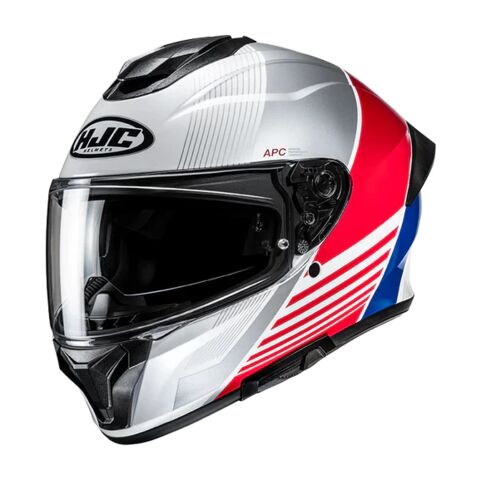
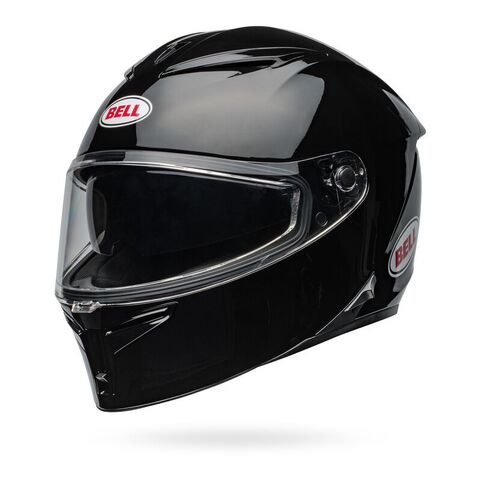
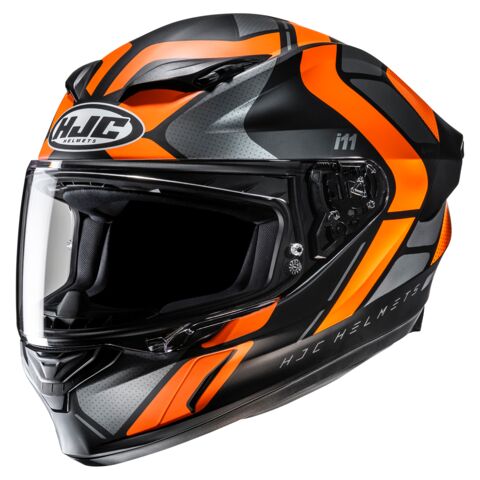
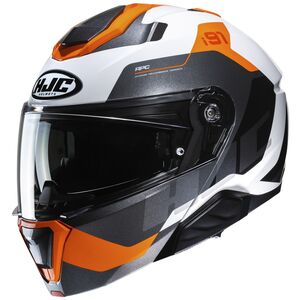
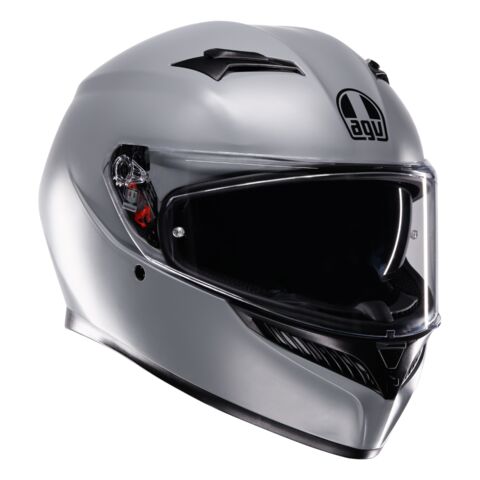
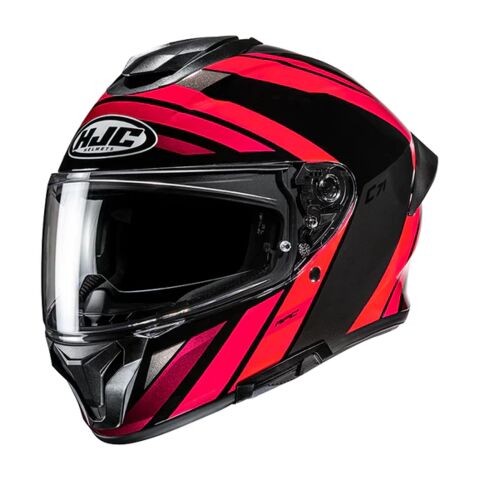
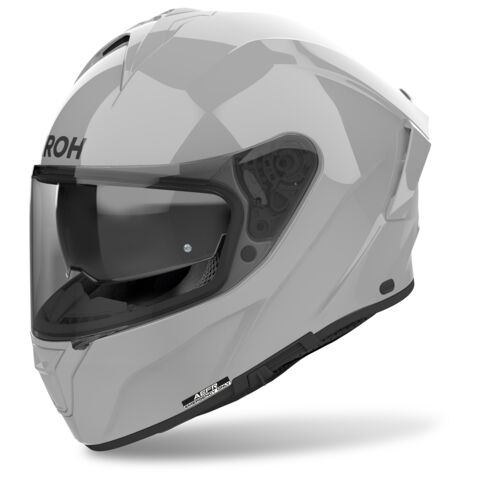
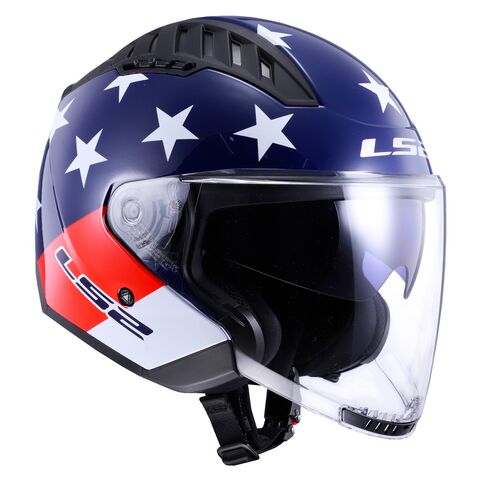
Stay safe and stylish on your daily rides with our selection of commuter bike helmets. Designed for urban cyclists, these helmets prioritize comfort and protection, featuring lightweight materials and adjustable fit systems for a secure feel. Many models also include ventilation systems to keep you cool during your commute, ensuring you arrive at your destination feeling fresh.
Our commuter bike helmets are equipped with reflective elements for enhanced visibility in low-light conditions, making them perfect for early morning or evening rides. With a variety of designs and colors, you can find the perfect helmet that matches your personal style while providing the safety features you need for everyday cycling. Ride confidently knowing you’re protected with our top-quality helmets.