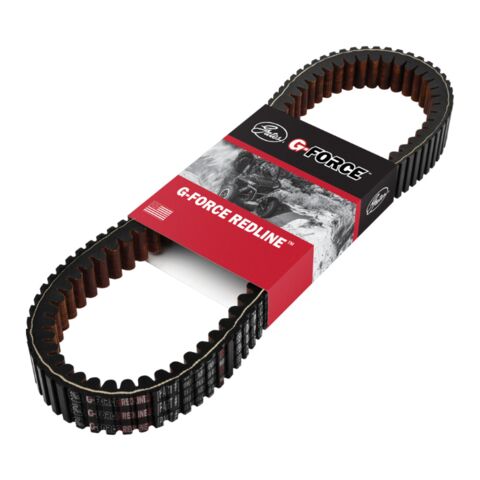
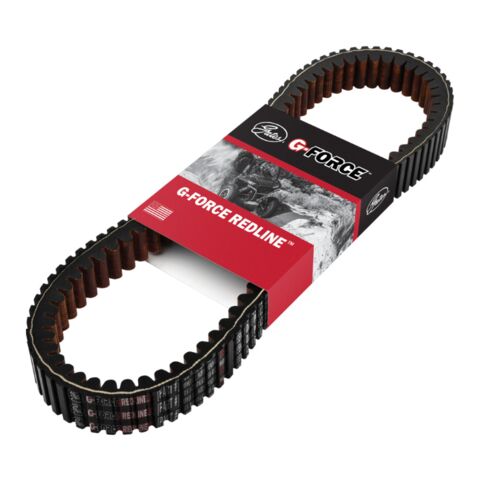
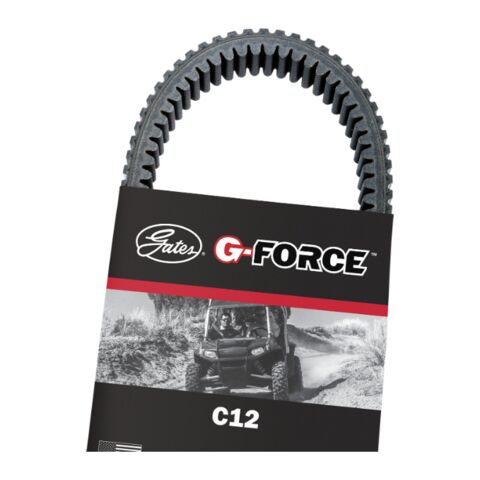
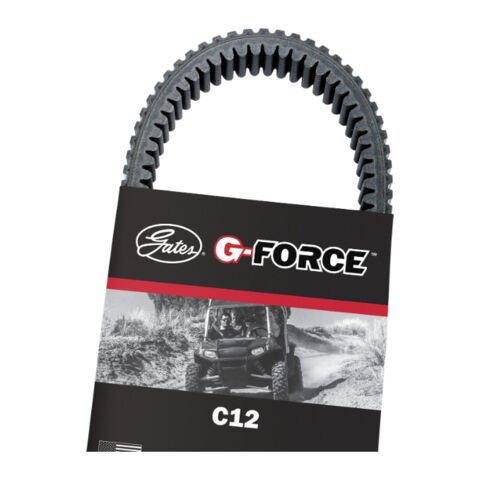
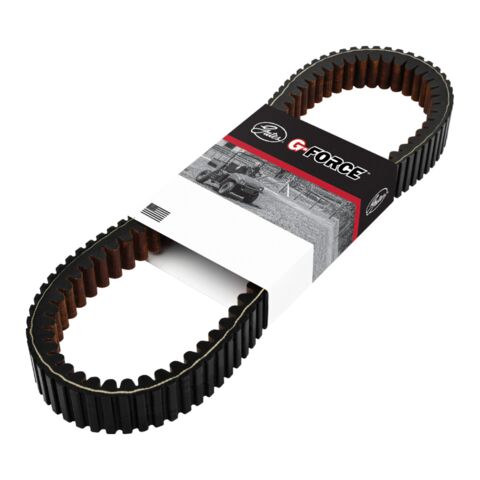
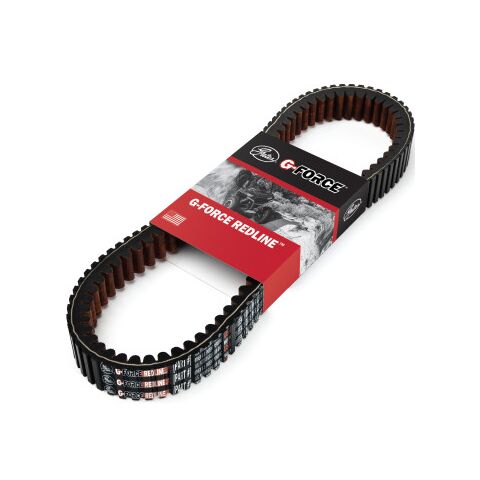
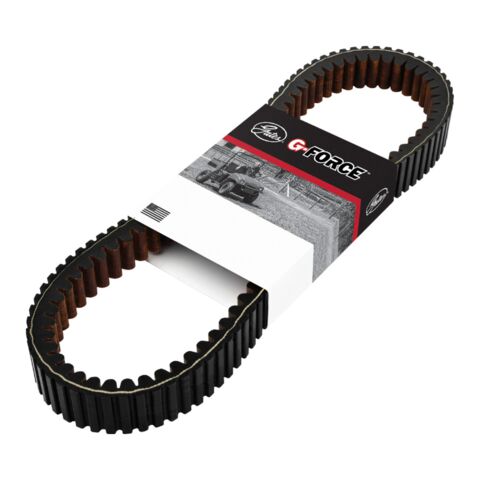
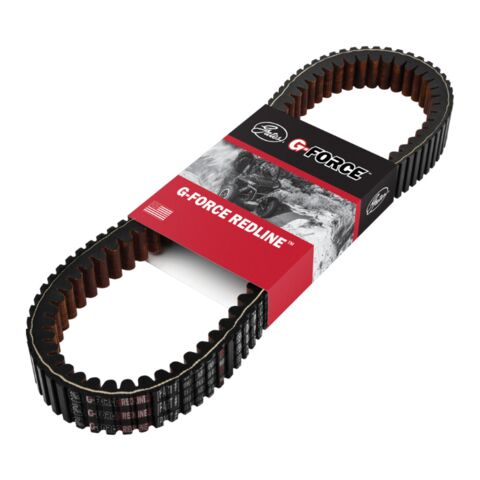
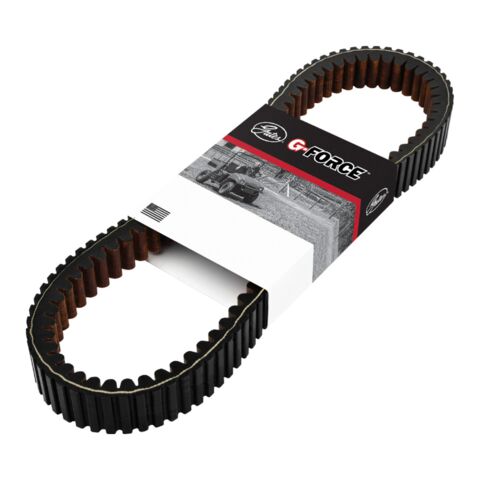
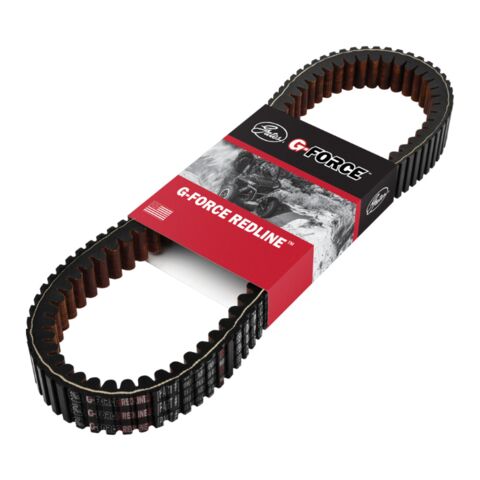
Gates Cvt Belt
Filters
On this page...
- What is a CVT belt and how does it work?
- What should you look for when choosing a CVT belt?
- Are there different types of CVT belts for various riding conditions?
- How often should you replace a CVT belt?
- What are the signs that a CVT belt may need replacement?
- Can a CVT belt be used in different types of vehicles?
- What materials are commonly used in CVT belts?
- How does weather affect the performance of a CVT belt?
- What is the role of a CVT belt in vehicle performance?
Frequently Asked Questions For Gates Cvt Belt
A CVT belt, or continuously variable transmission belt, is a crucial component in vehicles equipped with CVT systems. It connects the engine to the transmission, allowing for seamless gear changes and optimal power delivery. The belt adjusts its length and tension to provide a smooth acceleration experience without the distinct shifting points found in traditional transmissions.
When selecting a CVT belt, consider factors such as compatibility with your vehicle's make and model, the material of the belt, and its durability. Look for belts made from high-quality materials like rubber or reinforced composites, which can withstand heat and wear. Additionally, check for any performance ratings or certifications that indicate the belt's reliability and efficiency.
Yes, CVT belts can vary based on the intended use and riding conditions. Some belts are designed for high-performance applications, while others are better suited for everyday commuting or recreational riding. It's important to choose a belt that matches your specific riding style and the demands of your vehicle, whether that involves off-road terrain, long-distance travel, or urban commuting.
The replacement interval for a CVT belt can vary depending on the vehicle and riding conditions. Generally, it's advisable to inspect the belt regularly for signs of wear, such as cracking or fraying. Many manufacturers recommend replacing the belt every few thousand miles or after a specific number of hours of operation, but it's best to consult your vehicle's manual for specific guidelines.
Common signs that a CVT belt may need replacement include slipping during acceleration, unusual noises coming from the transmission, or a decrease in overall performance. If you notice any vibrations or if the vehicle struggles to maintain speed, these could also indicate that the belt is worn or damaged. Regular inspections can help catch these issues early.
CVT belts are designed for specific types of vehicles, including ATVs, UTVs, scooters, and some motorcycles. While some belts may be interchangeable between similar models, it's crucial to select a belt that is specifically designed for your vehicle's make and model to ensure optimal performance and safety. Always refer to the manufacturer's specifications for compatibility.
CVT belts are typically made from durable materials such as rubber, polyurethane, or composite materials that can withstand high levels of stress and heat. Some belts may also feature reinforced layers to enhance strength and longevity. The choice of material can significantly affect the belt's performance, so it's important to choose one that meets the demands of your riding conditions.
Weather conditions can have a significant impact on the performance of a CVT belt. Extreme temperatures, whether hot or cold, can affect the belt's flexibility and durability. Additionally, wet or muddy conditions can lead to increased wear and tear. It's essential to choose a CVT belt that is designed to perform well in the specific weather conditions you expect to encounter during your rides.
The CVT belt plays a vital role in the overall performance of a vehicle by facilitating smooth power transfer from the engine to the transmission. This allows for efficient acceleration and deceleration without the jarring shifts associated with traditional gear systems. A well-functioning CVT belt can enhance fuel efficiency and provide a more enjoyable riding experience.
Similar Categories
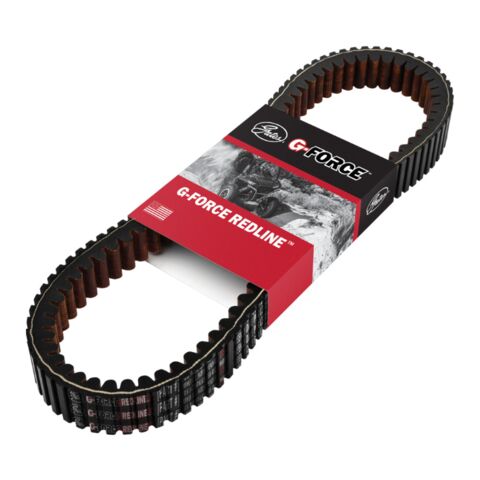
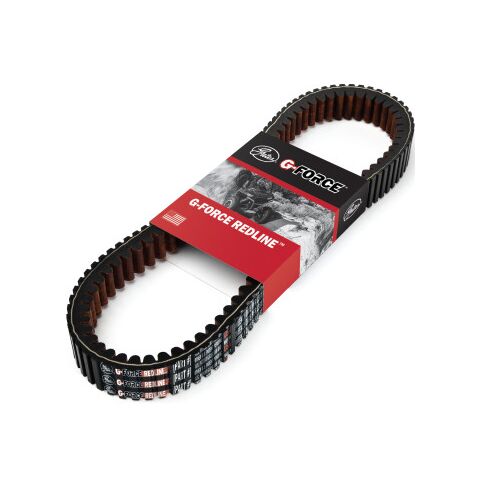
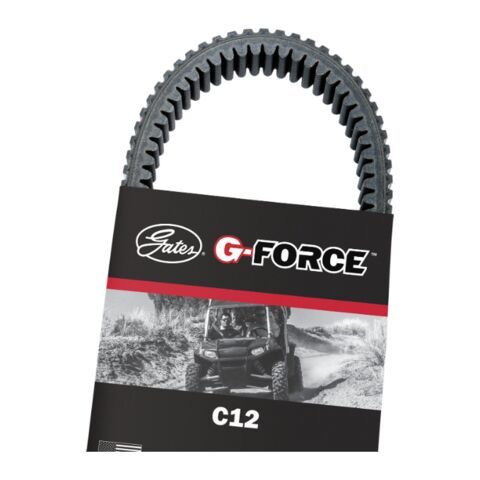
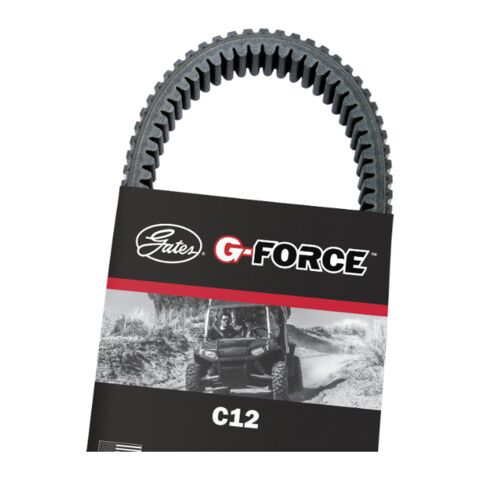
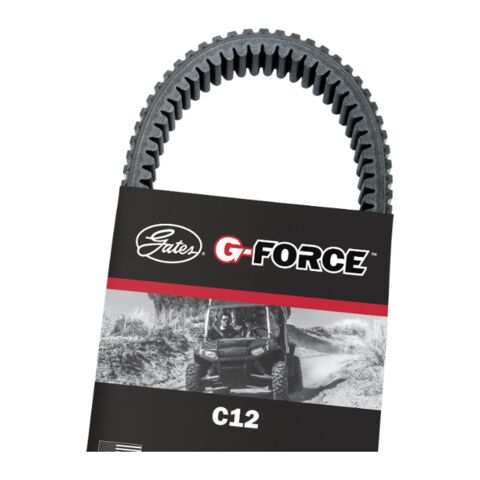
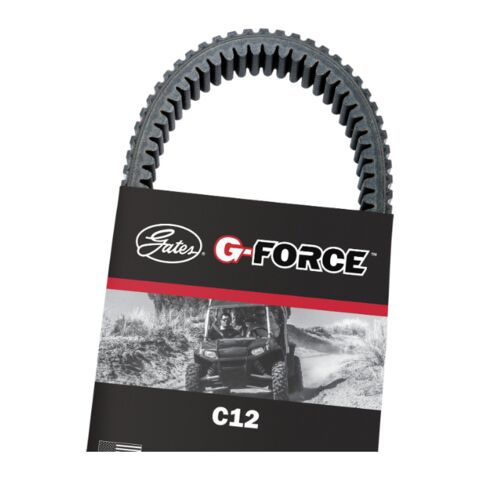
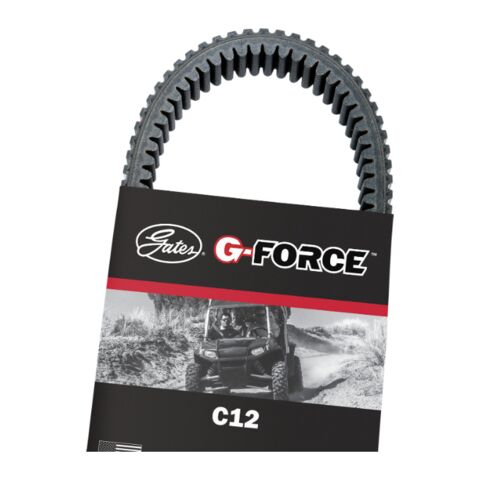
Gates CVT Belt
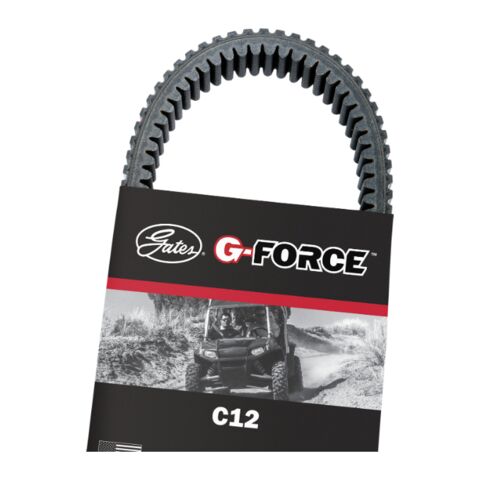
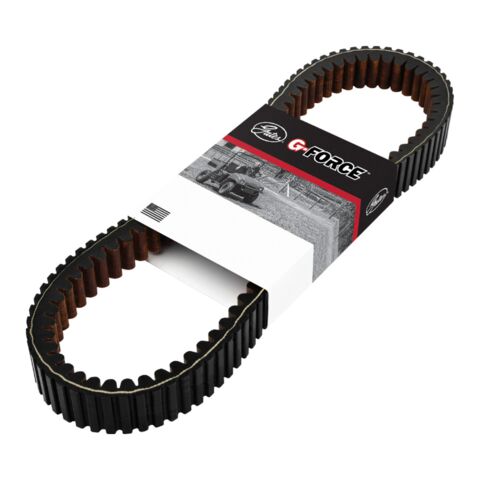
Explore our premium selection of CVT belts designed to enhance the performance and efficiency of your vehicle's continuously variable transmission. These belts are engineered with high-quality materials to ensure durability and resistance to wear, providing a smooth and reliable power transfer. Ideal for various applications, our CVT belts are built to withstand the demands of both everyday driving and high-performance scenarios.
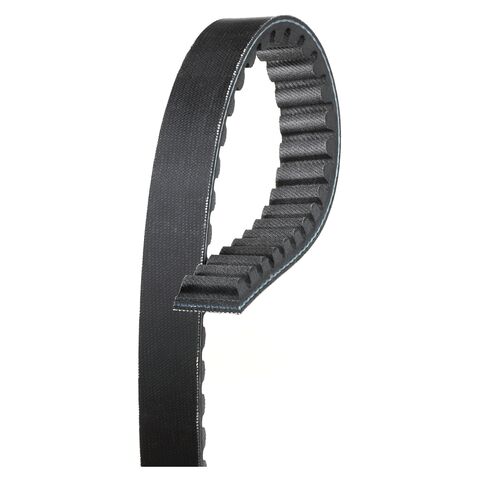
Our CVT belts feature advanced construction techniques that optimize flexibility and strength, ensuring they can handle the rigors of varying speeds and loads. With excellent heat resistance and minimal stretch, these belts maintain their integrity over time, contributing to improved fuel efficiency and overall vehicle performance. Upgrade your ride with a CVT belt that delivers reliability and longevity for a superior driving experience.