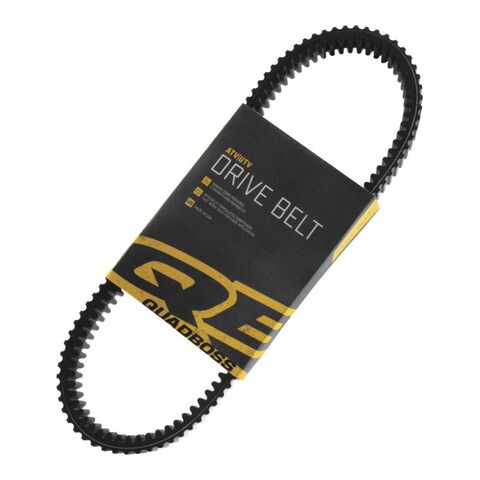
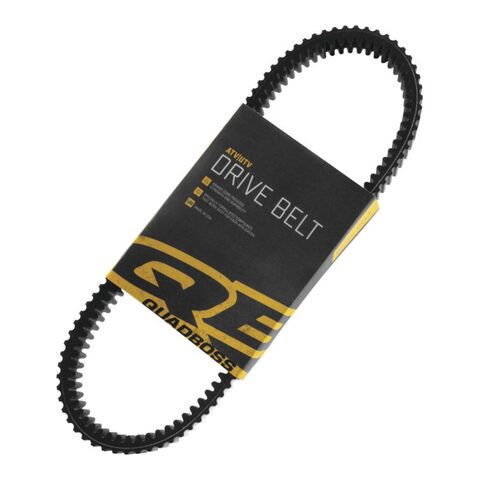
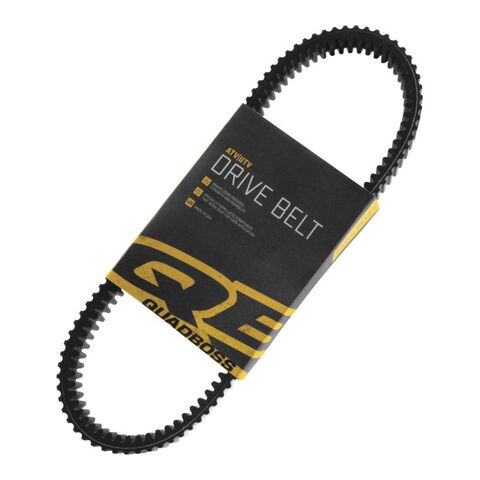
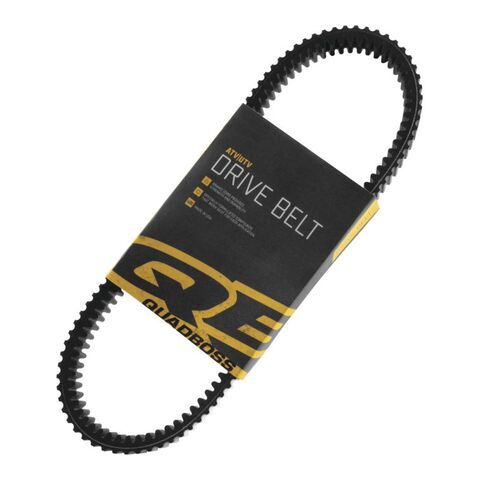
Engine Drive Belt
Filters
- Brand
- Colors
- Size
- OS (174)
- 2 Wide (1)
- 8 Wide (1)
- 134 Tooth (1)
- 2 x 1S Tooth (3)
- 24mm x 1S Tooth (2)
- 132 Tooth x 20mm Wide (1)
- 1.125 X 1S Tooth (1)
- 20mm x 135 Tooth (1)
- 20mm x 1S Tooth (1)
- 8 x 1S Tooth (2)
- 1 x 1S Tooth (2)
- 8 x 139 Tooth (1)
- 135 Tooth x 1 Wide (1)
- 1 x 137 Tooth (1)
- 8 x 136 Tooth (1)
- 8 x 135 Tooth (1)
- 2 x 136 Tooth (1)
- 2 x 130 Tooth (1)
- 8 x 137 Tooth (1)
- 2 x 139 Tooth (1)
- 1 x 136 Tooth (1)
- 1 x 131 Tooth (1)
- 139 Tooth x 1 Wide (1)
- 130 Tooth x 1 Wide (1)
- 132 Tooth x 1 Wide (1)
- 2 x 126 Tooth (1)
- 2 x 132 Tooth (1)
- Shop By
- Price Range
On this page...
- What is an engine drive belt and what role does it play in a vehicle?
- How do I know when to replace my engine drive belt?
- What materials are commonly used in engine drive belts?
- Can an engine drive belt be used in extreme weather conditions?
- What should I look for when choosing an engine drive belt?
- Are there different types of engine drive belts for various applications?
- What are the consequences of a failing engine drive belt?
- Can I install an engine drive belt myself, or should I seek professional help?
- How does the design of an engine drive belt affect its performance?
Frequently Asked Questions For Engine Drive Belt
An engine drive belt is a crucial component that connects various engine accessories to the engine's crankshaft. It helps transfer power from the engine to components like the alternator, water pump, and air conditioning compressor. A properly functioning drive belt ensures that these systems operate efficiently, contributing to the overall performance of the vehicle.
Signs that your engine drive belt may need replacement include visible wear, cracks, fraying, or any unusual noises such as squeaking or squealing when the engine is running. Additionally, if you notice a decrease in performance of accessories like the air conditioning or electrical systems, it may indicate a failing drive belt. Regular inspections during maintenance can help identify issues before they lead to failure.
Engine drive belts are typically made from durable materials such as rubber, reinforced with fibers for added strength. Some belts may also incorporate synthetic materials to enhance flexibility and resistance to wear and heat. The choice of material can affect the belt's longevity and performance, especially in demanding driving conditions.
Yes, engine drive belts are designed to withstand a range of weather conditions, but their performance can vary based on the material and construction. For instance, belts made from high-quality rubber or synthetic blends may offer better resistance to heat and cold, ensuring reliable operation in extreme temperatures. However, it's essential to regularly check for signs of wear, especially after exposure to harsh conditions.
When selecting an engine drive belt, consider factors such as compatibility with your vehicle's make and model, the material used, and the belt's specifications. Look for belts that meet or exceed OEM standards for quality and performance. Additionally, check for features like reinforced construction or weather-resistant properties that can enhance durability.
Yes, there are different types of engine drive belts designed for specific applications, including standard belts for everyday use and heavy-duty belts for more demanding environments. The choice of belt can depend on factors such as the vehicle's engine type, the load it carries, and the driving conditions it typically encounters. Understanding these differences can help ensure you select the right belt for your needs.
A failing engine drive belt can lead to a variety of issues, including loss of power to essential accessories like the alternator and water pump, which can cause overheating or electrical failures. In severe cases, a broken belt can lead to engine damage or complete failure of the vehicle. Regular maintenance and timely replacement of the drive belt can help prevent these serious consequences.
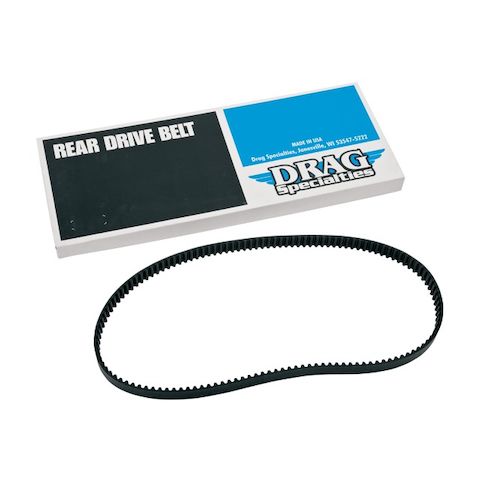
While some experienced DIY enthusiasts may choose to install an engine drive belt themselves, it can be a complex task that requires specific tools and knowledge about the vehicle's engine layout. If you're unsure or lack experience, it's advisable to seek professional help to ensure the installation is done correctly and safely.
The design of an engine drive belt, including its width, length, and rib pattern, can significantly impact its performance and efficiency. A well-designed belt can reduce slippage and improve power transfer, while a poorly designed belt may lead to increased wear and decreased performance. It's important to choose a belt that is specifically designed for your vehicle's requirements to ensure optimal functionality.
Similar Categories
Engine Drive Belt
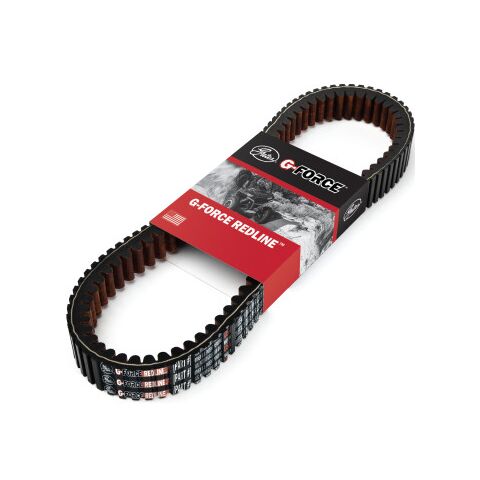
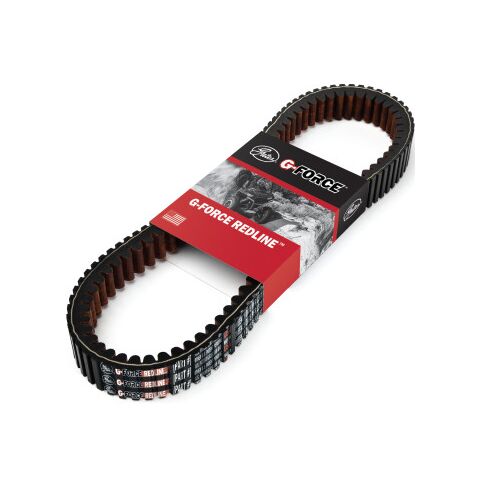
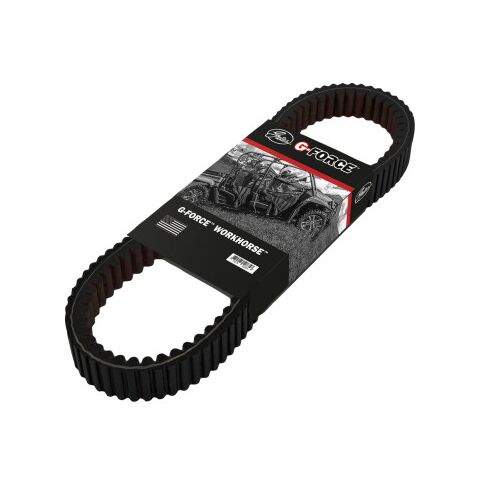
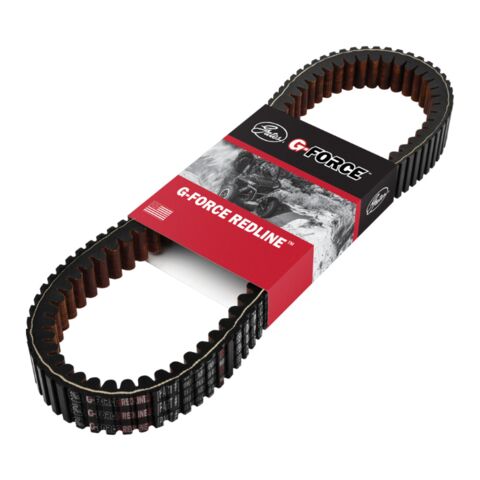
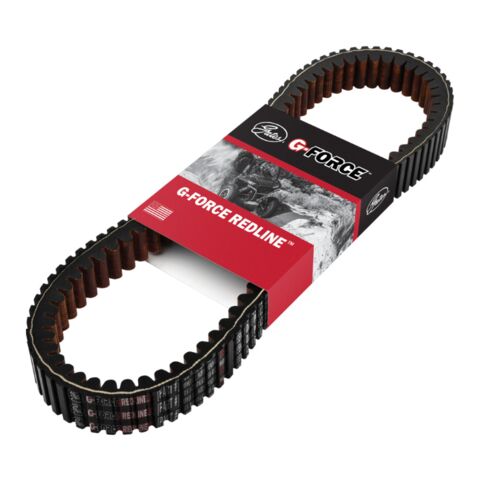
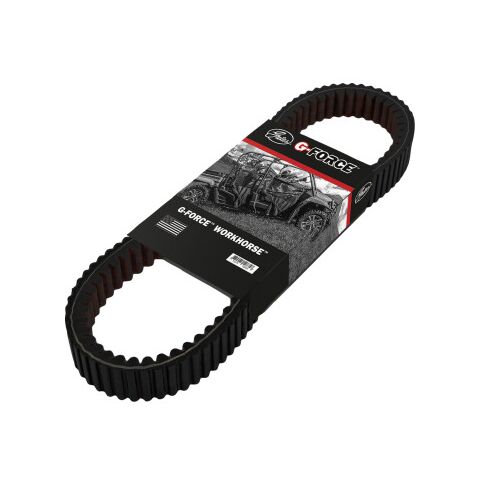
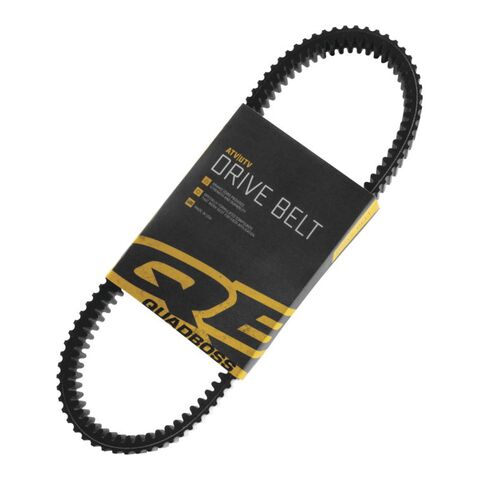
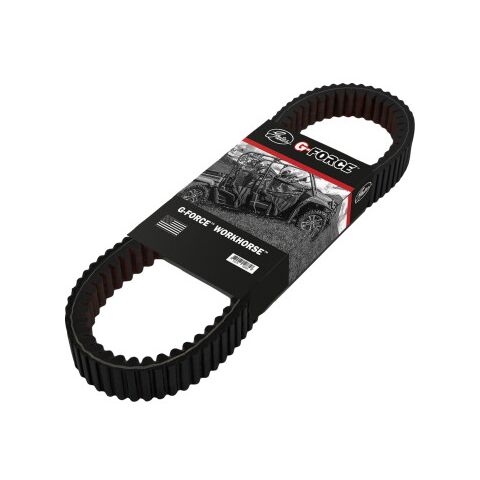
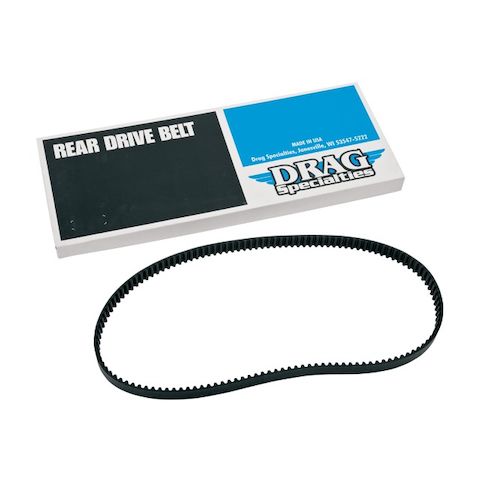
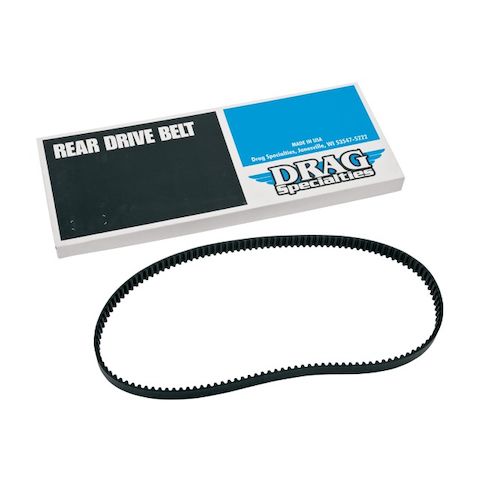
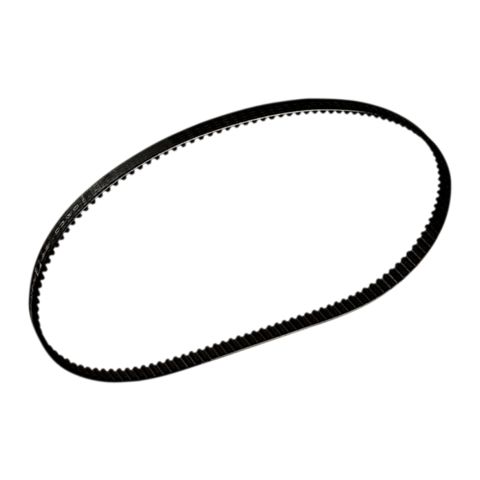
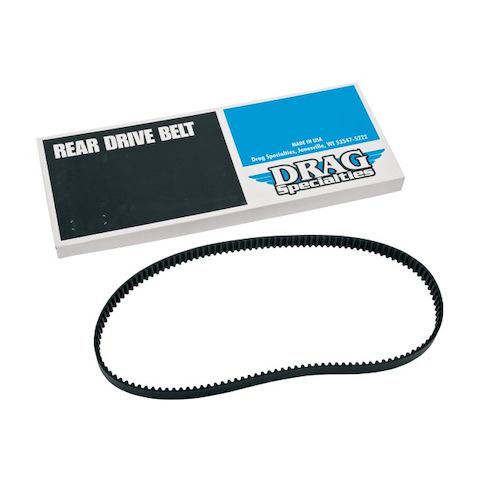
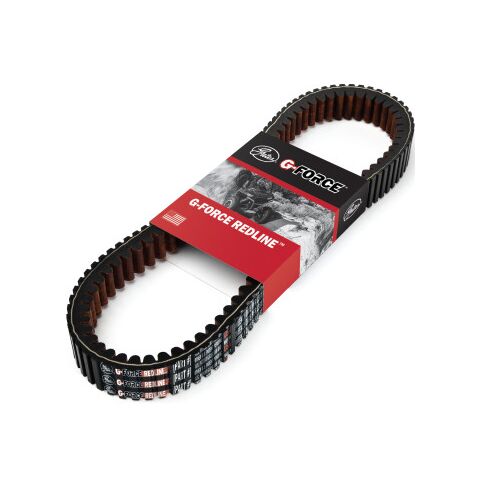
Engine drive belts are essential components that ensure the smooth operation of your motorcycle's engine by transferring power efficiently. Designed for durability and performance, these belts are crafted from high-quality materials that resist wear and provide excellent grip. Whether you’re navigating city streets or hitting the open road, a reliable engine drive belt is crucial for optimal performance and safety.
Our selection of engine drive belts features options that are engineered to withstand extreme conditions, ensuring longevity and consistent performance. With precise fitment and easy installation, these belts help maintain the efficiency of your motorcycle's engine system. Upgrade your ride with a dependable engine drive belt that enhances power delivery and keeps your bike running at its best.