Gasket Scrapers
Filters
On this page...
- What are gasket scrapers used for?
- What materials are gasket scrapers typically made from?
- How do you choose the right gasket scraper for your needs?
- Can gasket scrapers be used on different engine types?
- Are there specific techniques for using gasket scrapers effectively?
- What safety precautions should be taken when using gasket scrapers?
- Can gasket scrapers be used on both metal and plastic surfaces?
- What are the benefits of using a gasket scraper instead of other removal methods?
Frequently Asked Questions For Gasket Scrapers
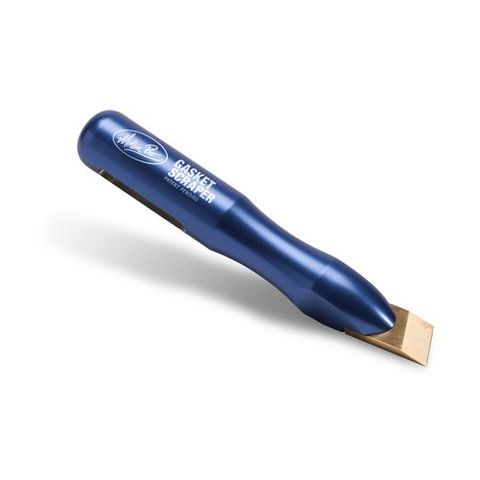
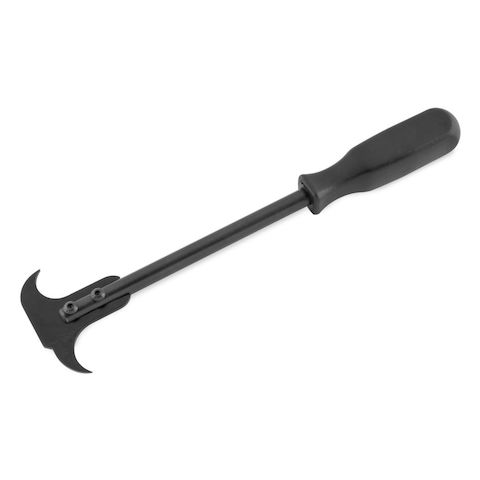
Gasket scrapers are tools designed to remove old gaskets and sealants from surfaces during engine maintenance or repair. They help ensure a clean surface for new gaskets, which is crucial for preventing leaks and ensuring proper sealing. Using a gasket scraper can save time and effort compared to other methods of gasket removal.
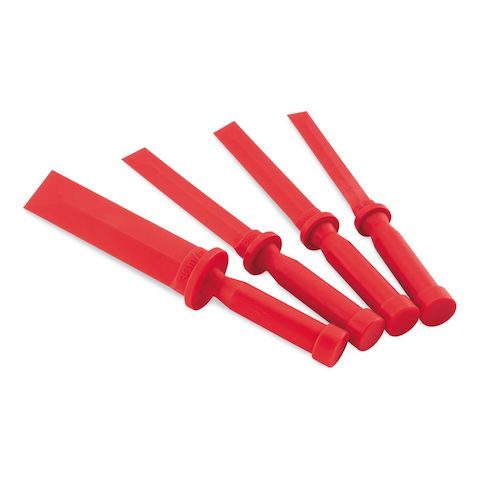
Gasket scrapers are commonly made from materials like steel, plastic, or composite materials. Steel scrapers are durable and effective for tougher gaskets, while plastic options may be gentler on surfaces to prevent scratching. The choice of material can affect the scraper's effectiveness and the surfaces it can be safely used on.
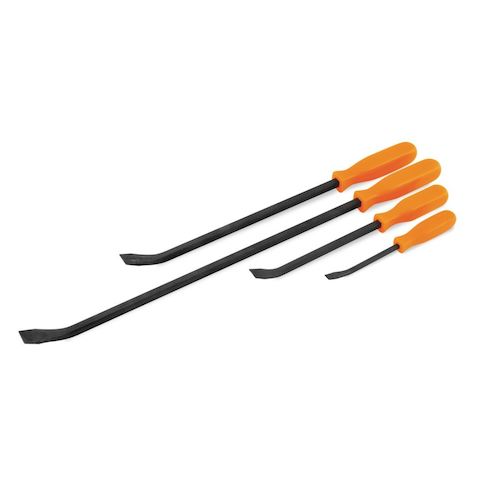
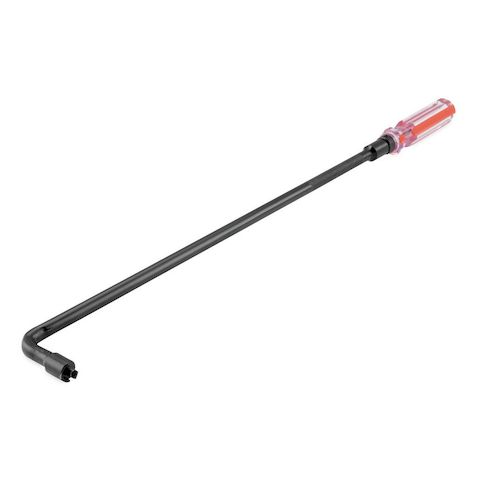
When selecting a gasket scraper, consider the type of gaskets you will be removing and the surfaces involved. Look for scrapers with different blade shapes and sizes to accommodate various applications. Additionally, consider the material of the scraper to ensure it is suitable for the specific task without damaging the underlying surface.
Yes, gasket scrapers can be used on various engine types, including motorcycles, cars, and other vehicles. They are versatile tools that can assist in the removal of gaskets from different engine components, such as cylinder heads, oil pans, and intake manifolds. Always ensure that the scraper is appropriate for the specific material of the engine surface.
To use a gasket scraper effectively, start by ensuring the surface is clean and free of debris. Use a steady, controlled motion to avoid gouging the surface, and apply just enough pressure to remove the gasket material without damaging the underlying metal. It may be helpful to use a scraper with a comfortable grip for better control during the process.
When using gasket scrapers, it's important to wear appropriate safety gear, such as gloves and eye protection, to prevent injury from sharp edges or debris. Ensure that the work area is well-lit and organized to minimize accidents. Additionally, be cautious of the surfaces you are working on to avoid unintentional damage.
Yes, gasket scrapers can be used on both metal and plastic surfaces, but it's essential to choose the right type of scraper for each material. Metal scrapers are effective on hard surfaces, while plastic scrapers can be used on softer materials to prevent scratching. Always assess the surface before selecting a scraper to ensure compatibility.
Using a gasket scraper offers several benefits, including a cleaner removal process and reduced risk of surface damage compared to methods like chiseling or scraping with improvised tools. Gasket scrapers are designed specifically for this purpose, making them more efficient and effective. They can also save time by simplifying the gasket removal process.
Similar Categories
Gasket Scrapers
Gasket scrapers are essential tools for any motorcycle maintenance enthusiast, designed to efficiently remove old gaskets and sealant from engine surfaces. Our selection features durable scrapers made from high-quality materials that ensure longevity and effective performance. With ergonomic designs, these tools provide a comfortable grip, allowing for precise control while working on intricate engine components.
Whether you're tackling a simple gasket replacement or a more complex engine rebuild, our gasket scrapers are versatile enough to handle various tasks. Their sharp edges and sturdy construction make it easy to clear surfaces without damaging the underlying material. Invest in reliable gasket scrapers to streamline your maintenance process and ensure a proper seal for optimal engine performance.