Gasket Clamps
On this page...
- What are gasket clamps used for?
- What materials are commonly used for gasket clamps?
- How do you choose the right gasket clamp for your application?
- Are gasket clamps adjustable?
- Can gasket clamps be used in high-temperature environments?
- What should you look for in a quality gasket clamp?
- Can gasket clamps be reused?
- What are the benefits of using gasket clamps?
Frequently Asked Questions For Gasket Clamps
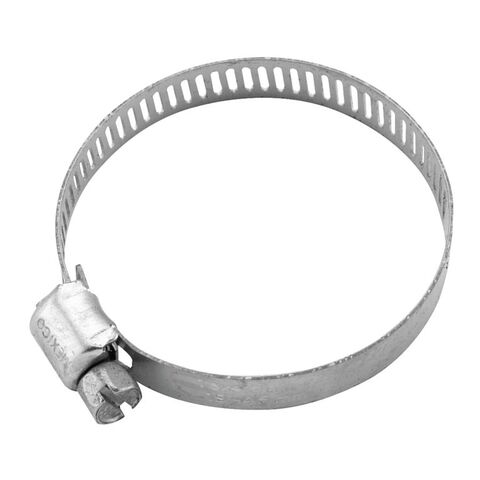
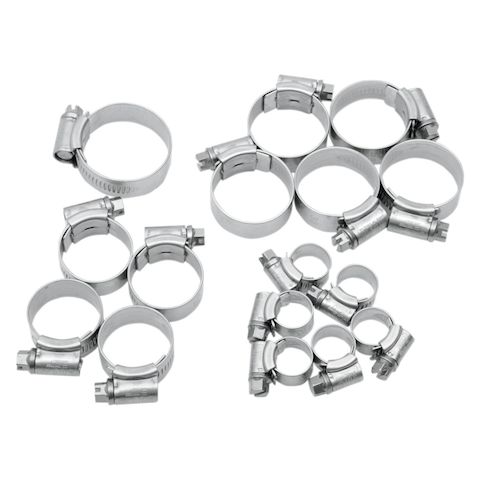
Gasket clamps are primarily used to secure gaskets in place, ensuring a tight seal between two surfaces. They help prevent leaks in various applications, including automotive, plumbing, and industrial settings. By maintaining proper pressure on the gasket, these clamps can enhance the overall performance and longevity of the assembly.
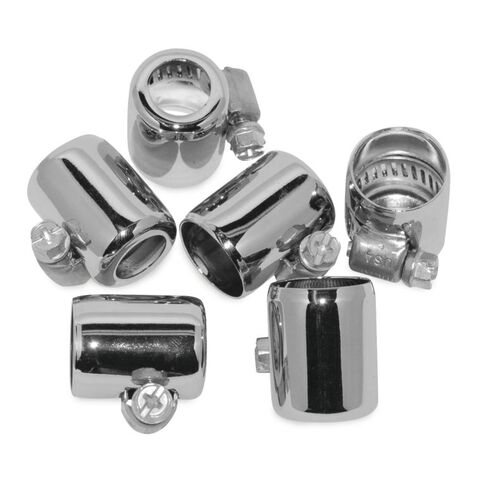
Gasket clamps are often made from materials like stainless steel, which offers excellent corrosion resistance and durability. Other materials may include chrome-plated steel for aesthetic purposes and enhanced protection against rust. The choice of material can affect the clamp's performance in different environments, such as high-temperature or humid conditions.
Choosing the right gasket clamp involves considering the size, material, and specific application requirements. It's important to measure the diameter of the hose or pipe where the clamp will be used and ensure the material can withstand the operating conditions, such as temperature and exposure to chemicals. Additionally, look for clamps that provide a secure fit without damaging the gasket.
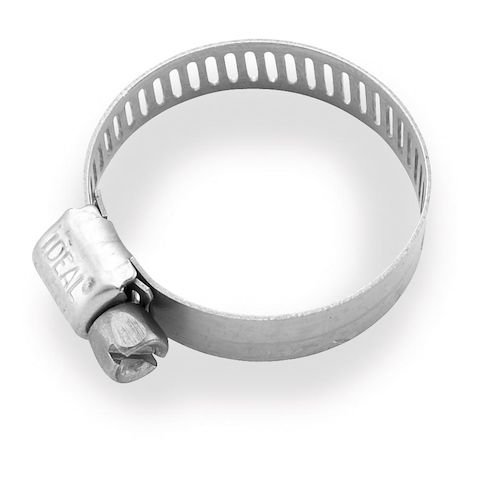
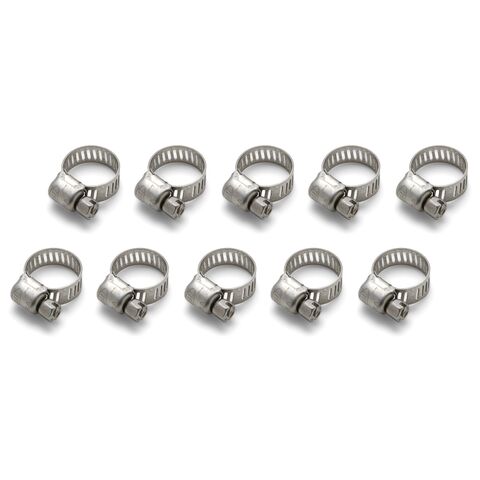
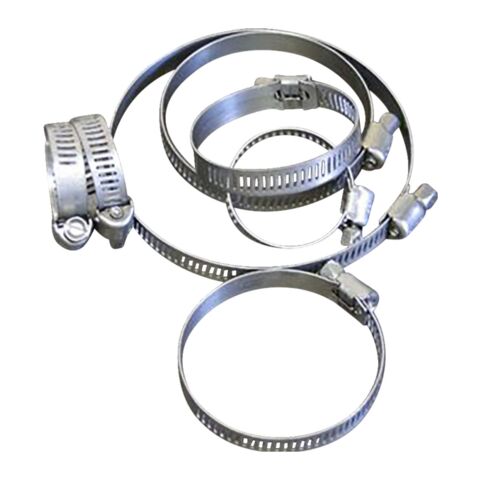
Many gasket clamps are designed to be adjustable, allowing for a customizable fit on various sizes of hoses or pipes. Adjustable clamps typically feature a screw mechanism that tightens or loosens the clamp as needed. This flexibility makes them suitable for different applications and ensures a secure seal regardless of slight variations in size.
Yes, gasket clamps can be used in high-temperature environments, but it's crucial to select clamps made from materials that can withstand such conditions. Stainless steel and certain high-temperature alloys are often recommended for these applications. Always check the manufacturer's specifications to ensure the clamp is rated for the intended temperature range.
When evaluating a quality gasket clamp, consider factors such as material durability, corrosion resistance, and ease of installation. Look for clamps that provide a secure grip without damaging the gasket and those that have been tested for performance under specific conditions. Additionally, ensure that the clamp meets any relevant industry standards for safety and reliability.
Gasket clamps can often be reused, provided they are in good condition and have not been damaged during removal. However, it's essential to inspect them for signs of wear, corrosion, or deformation before reinstallation. If the clamp appears compromised, it's best to replace it to ensure a proper seal.
The use of gasket clamps offers several benefits, including enhanced sealing capabilities, reduced risk of leaks, and improved overall system integrity. They provide a reliable means of securing gaskets in place, which is crucial for maintaining pressure and preventing fluid loss in various applications. Additionally, high-quality clamps can contribute to the longevity of the components they secure.
Similar Categories
Gasket Clamps
Gasket clamps are essential components for ensuring a secure and leak-free connection in various applications, including automotive and motorcycle systems. Designed to provide optimal clamping force, these clamps help maintain the integrity of gaskets and hoses under pressure. Made from durable materials, they resist corrosion and wear, ensuring long-lasting performance in demanding environments.
Our selection of gasket clamps features adjustable designs that accommodate a range of sizes, making installation and maintenance hassle-free. With their reliable grip and robust construction, these clamps are ideal for both professional mechanics and DIY enthusiasts. Trust in our gasket clamps to deliver the performance and reliability your projects require.